AI Recipe Generation for Medical Dietary Restrictions
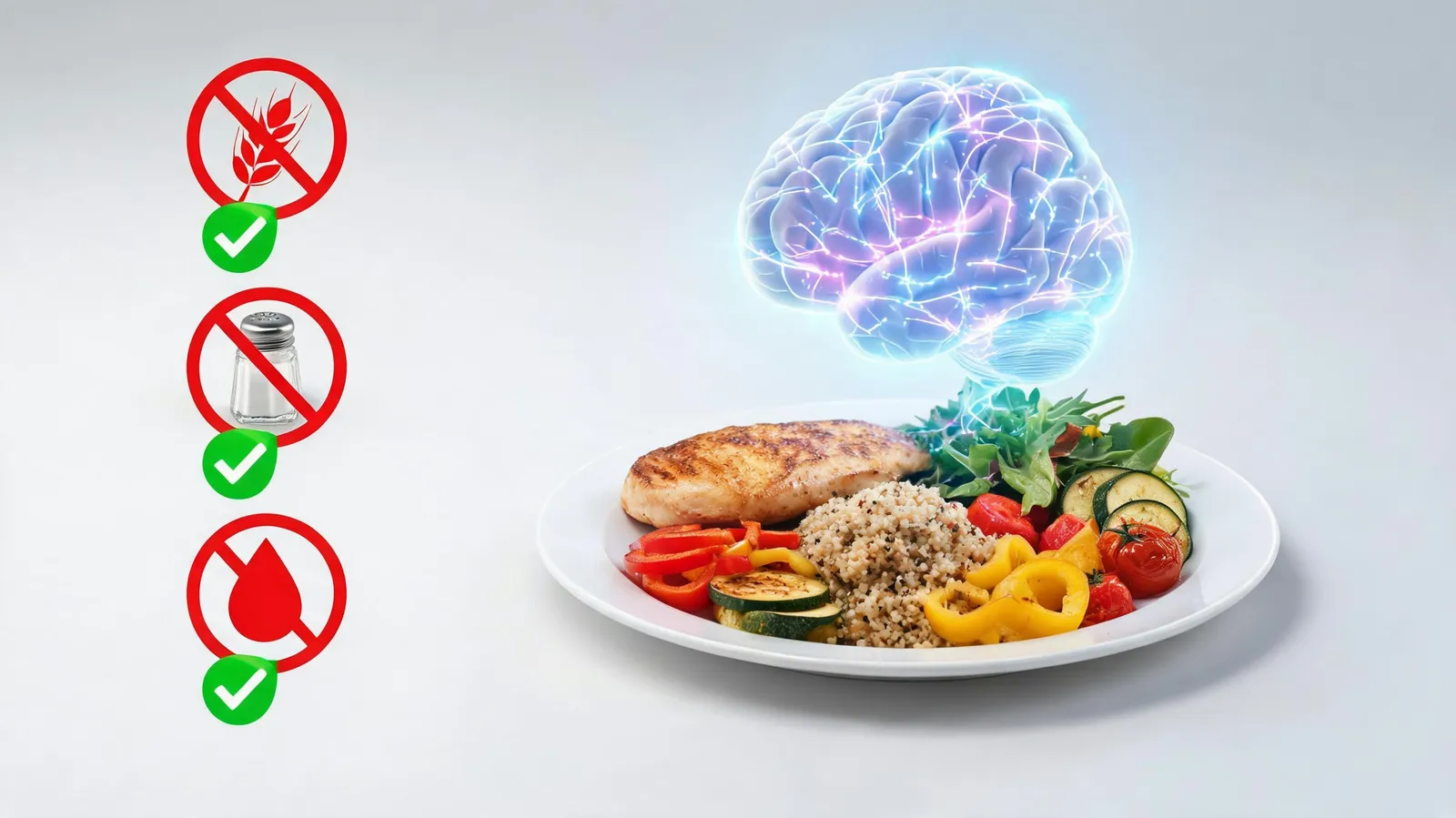
People managing medical dietary restrictions often struggle daily to find meals that are both safe and appealing. Conditions such as diabetes, celiac disease, food allergies, and kidney disorders demand close attention to specific nutrient profiles. The CDC reports that 6 in 10 US adults have a chronic disease and 4 in 10 have two or more; diet-related conditions like diabetes and heart disease are leading contributors. AI personalized nutrition systems are changing this picture by producing recipes that satisfy medical constraints while preserving flavor and texture.
How does AI create compliant recipes? By leveraging natural language processing and large nutritional databases, AI can craft recipes that exclude forbidden ingredients and hit nutritional targets. For instance, an AI system can generate gluten-free, low-glycemic recipes for diabetics by swapping high-carb ingredients for alternatives such as almond flour or cauliflower rice. A case study in the Journal of Medical Internet Research found that diabetes patients using AI-generated meal plans improved adherence by 25% compared with those following standard dietary advice. The reason: meals are tailored to specific needs and preferences, making healthy eating more enjoyable and sustainable.
In addition, AI can analyze a user's medical history, medication interactions, and nutrient requirements to ensure each recipe is safe and effective. For example, someone with kidney disease may need to limit potassium and phosphorus; AI can adjust recipes to meet these restrictions while still offering delicious options. This degree of personalization is unprecedented and holds potential to transform dietary management for chronic conditions.
Personalized Meal Planning Using Biomarkers and Preferences
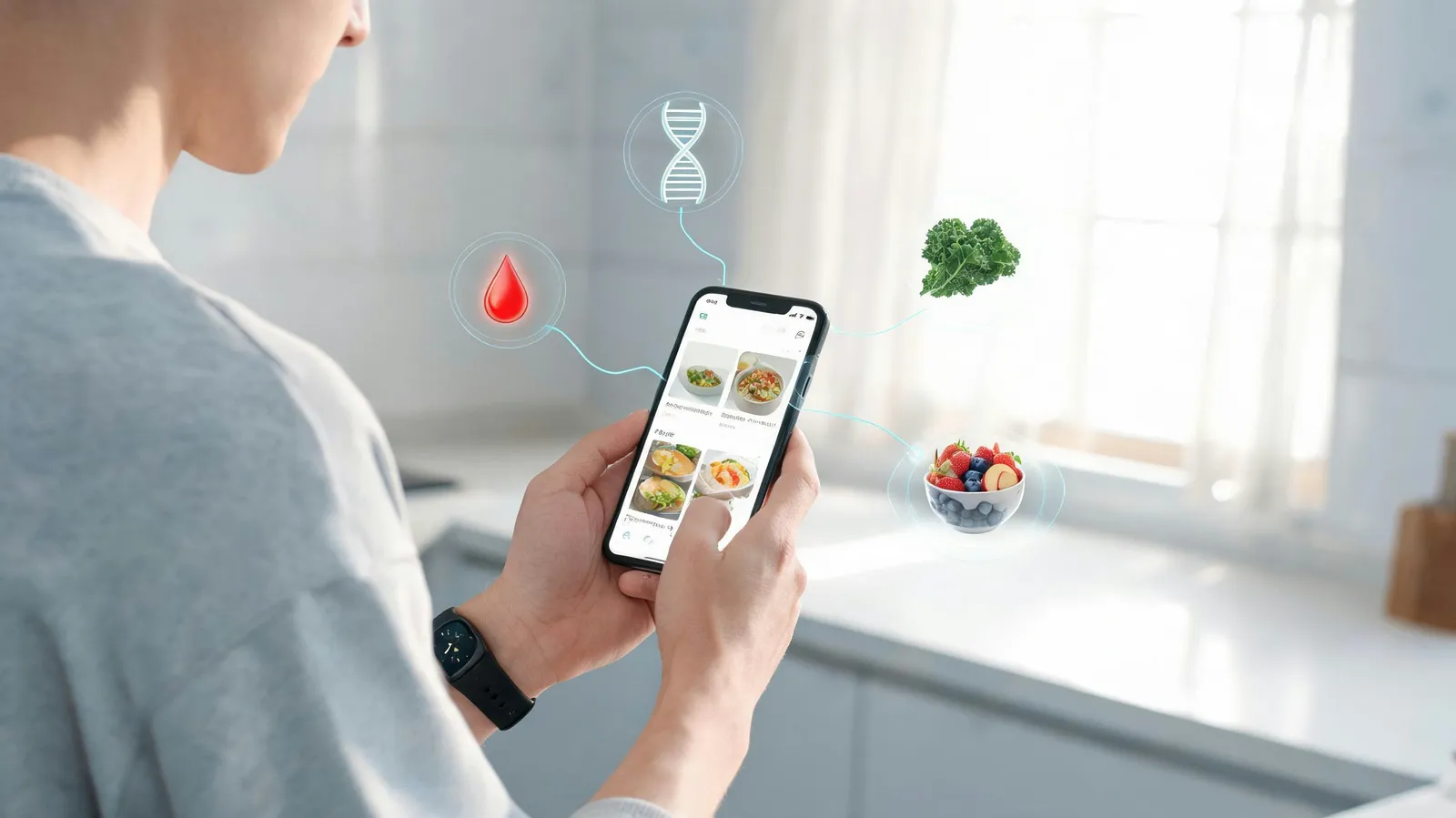
Personalized meal planning extends beyond medical restrictions to incorporate individual biomarker data and personal preferences. Biomarkers from blood tests, genetic testing, and wearable devices offer a window into a person's metabolic profile. For example, glucose levels, cholesterol, and genetic variants like MTHFR can influence dietary needs. Research from the American Journal of Clinical Nutrition shows that diets based on biomarker data lead to significantly better health outcomes, including improved blood sugar control and weight management.
AI algorithms integrate this biomarker data with user feedback, dietary habits, and lifestyle factors to recommend meals that are both healthy and enjoyable. A case study of an AI app called "NutriAI" demonstrated that users who received personalized meal plans based on their biomarkers and preferences had a 40% increase in engagement and satisfaction compared to those on generic plans. The app learns from user ratings and adherence, continuously refining its recommendations. This adaptive approach ensures that users not only meet their nutritional goals but also look forward to their meals.
Furthermore, AI can consider lifestyle factors such as activity level, sleep quality, and stress to adjust meal plans dynamically. For instance, if a user has a high-intensity workout, the AI might recommend a post-workout meal rich in protein and carbohydrates. This holistic approach to personalized nutrition is what sets AI apart from traditional diet plans.
Cultural and Regional Adaptation of AI-Generated Recipes
Food is deeply tied to culture, and ignoring cultural preferences can lead to low adherence to dietary recommendations. Traditional diets such as the Mediterranean, Japanese, and Indian diets have been associated with numerous health benefits, from reduced inflammation to improved heart health. Studies show that culturally adapted diets improve compliance and outcomes. AI can respect and incorporate these cultural preferences by using databases of traditional recipes and ingredient availability to modify meals while meeting nutritional goals.
For example, an AI system can generate culturally appropriate recipes for diverse populations. A case study from the International Journal of Food Sciences and Nutrition found that when AI-generated recipes aligned with cultural preferences, user satisfaction increased by 35%. The AI can take a traditional dish like sushi and adapt it to be low-sodium and high-protein by suggesting brown rice and fresh fish, or modify a curry to be lower in fat by using yogurt instead of cream. This not only makes the meal healthier but also preserves the cultural essence that users cherish.
Moreover, AI can consider regional ingredient availability and seasonality, ensuring that recipes are practical and sustainable. For instance, in areas where fresh produce is limited, AI can suggest frozen or canned alternatives that retain nutritional value. This adaptability makes personalized nutrition accessible to a global audience, regardless of geographic location or cultural background.
Conclusion
AI is revolutionizing personalized nutrition by generating recipes for medical restrictions, integrating biomarkers and preferences, and adapting to cultural contexts. This transformative potential can significantly improve adherence, health outcomes, and quality of life. As AI continues to evolve, we can expect integration with real-time health monitoring, predictive analytics, and even 3D food printing for fully automated personalized nutrition. The future of food is not just about eating; it's about eating smart, according to your unique biology and culture. With AI personalized nutrition, optimal health is within reach for everyone.