1. Blending Structural Precision with Semantic Understanding in Agent Design
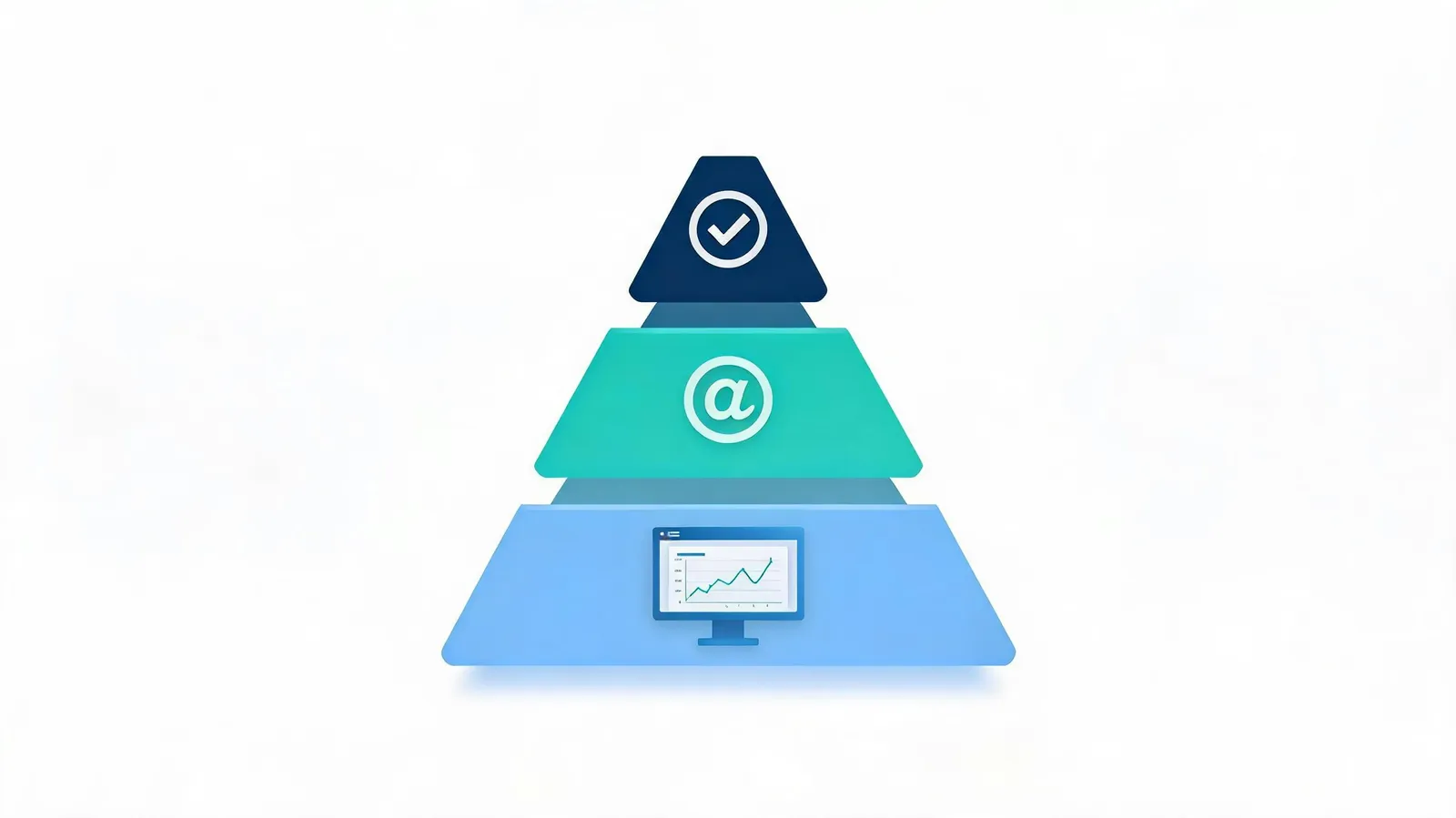
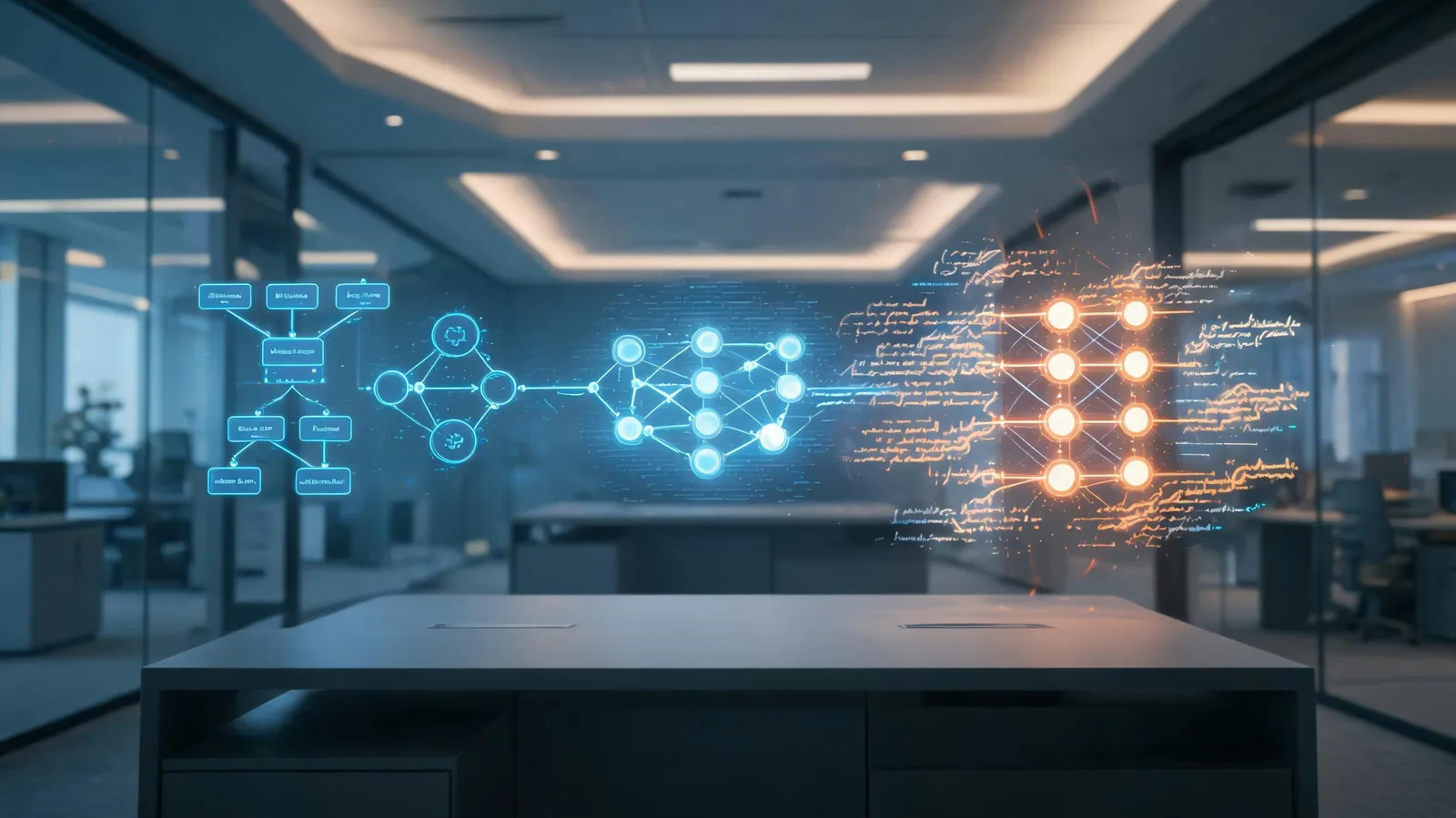
Multi-agent refactoring systems rely on a hybrid design that combines the rigor of static analysis with the interpretive strength of large language models. The following subsections describe how these elements collaborate inside an agent to generate trustworthy refactoring plans.
1.1 Static Analysis as the Structural Foundation
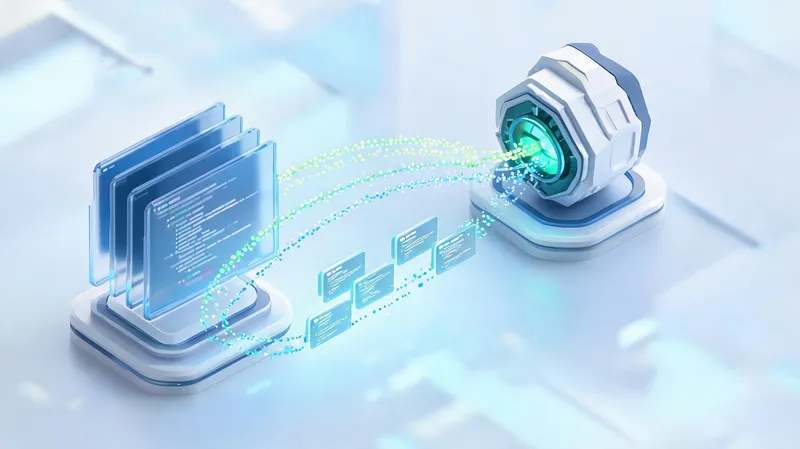
Tools for static analysis transform source code into abstract syntax trees (ASTs), construct call graphs, and calculate dependency matrices. They offer an exact and deterministic picture of code structure—for instance, an AST parser can locate every method call, variable declaration, and control-flow branch, while a call graph shows which functions call which others. Such structural details are critical for refactoring because they pinpoint the exact locations and relationships that must remain intact. Evidence from case studies indicates that integrating static analysis into refactoring recommendations can cut false positives by as much as 40% relative to approaches relying solely on LLMs, since the agent can check that a suggested modification does not disrupt existing references.
1.2 Large Language Models as the Semantic Driver
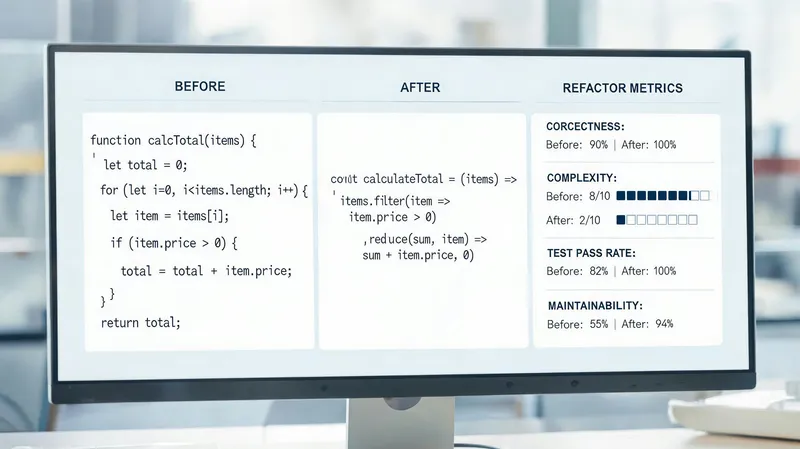
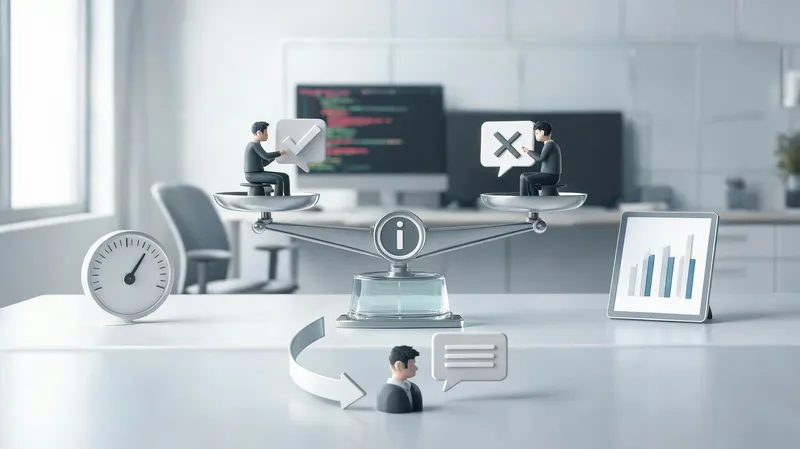
Large language models contribute semantic comprehension and context-sensitive transformation abilities. In contrast to static analysis, LLMs can read naming conventions, deduce developer intent, and propose higher-level design pattern enhancements. Research on LLM-based code refactoring shows that models fine-tuned on code repositories are able to suggest meaningful refactorings, such as extracting methods, renaming variables for clarity, and replacing conditional logic with polymorphism. Nevertheless, LLMs on their own might fabricate API calls or miss project-specific constraints. A hybrid strategy reduces these dangers: the LLM produces candidate refactorings, and the static analysis component checks them against the actual code structure. This separation of responsibilities guarantees that creative transformations remain grounded in syntactic and semantic correctness.
1.3 Integration Approaches in Agent Architectures
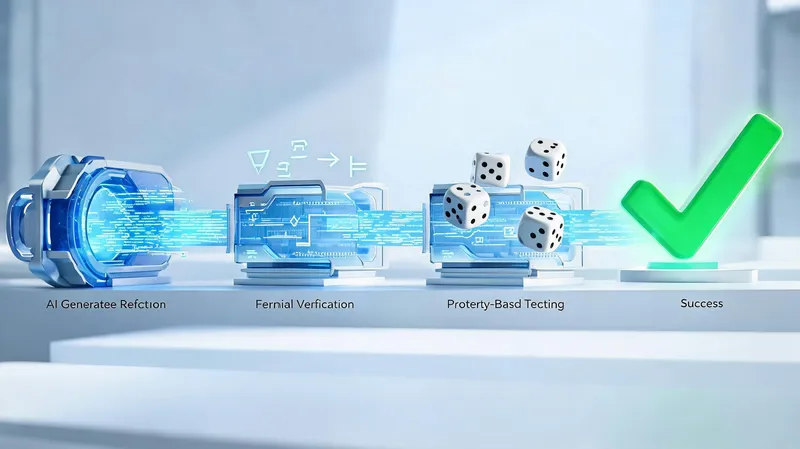
In real-world implementations, integration typically follows a pipeline pattern. The agent begins by invoking static analysis to construct a code model. Next, it sends the LLM a prompt containing relevant code snippets and the structural model. The LLM responds with a refactoring plan, which the agent converts into concrete code edits. Finally, the agent reruns static analysis to confirm that the edits maintain structural integrity. This cycle can repeat until an acceptable plan is produced. Such architectures are already being prototyped in open-source projects and commercial tools, allowing automated software maintenance at scale.
2. Tool-Augmented Pipelines: Automating Validation Across Build, Test, and Deployment
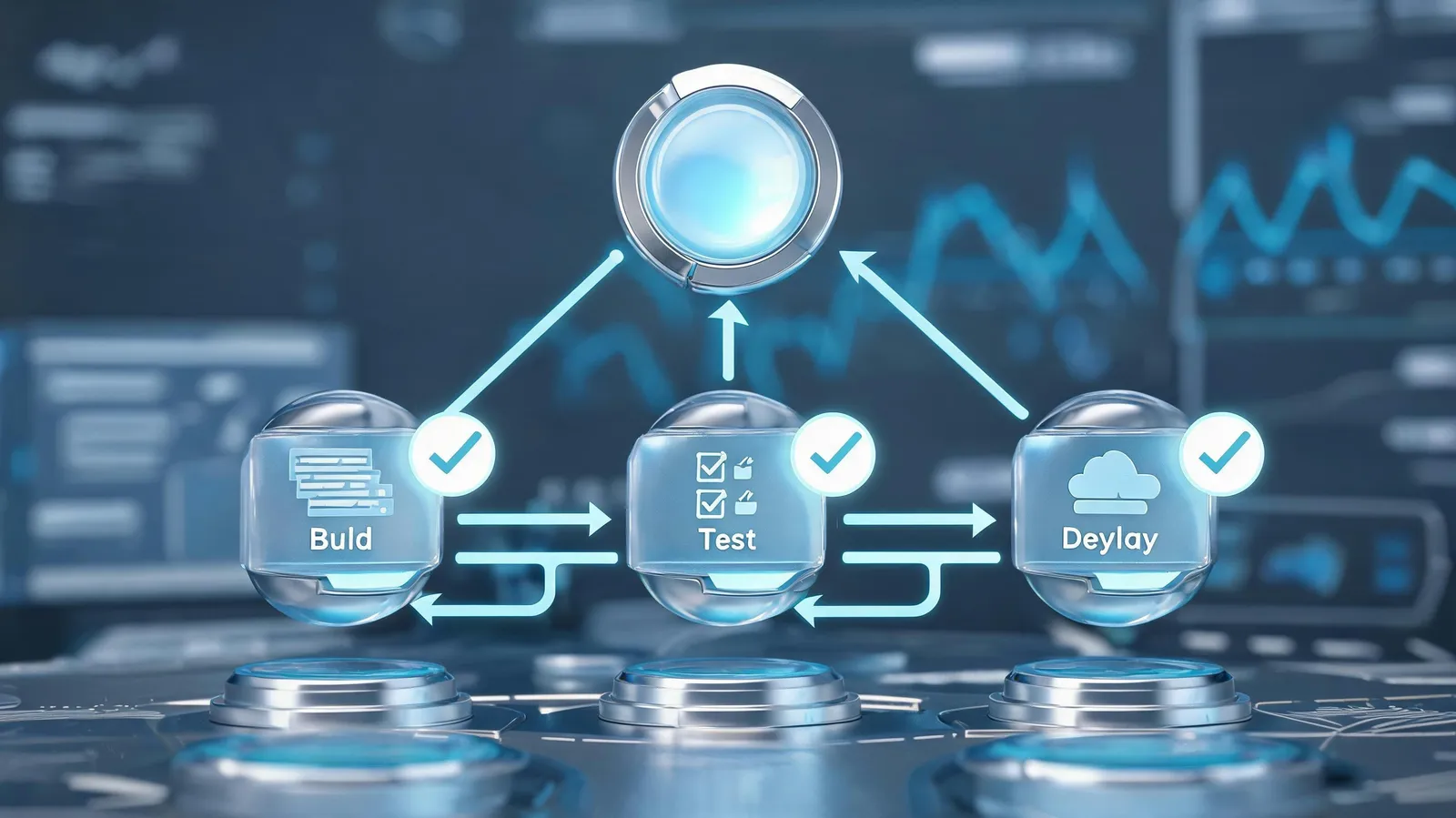
Refactoring delivers value only when the resulting code still compiles, passes tests, and deploys without issues. Tool-augmented pipelines automate these validation steps, making a refactoring agent a dependable part of the CI/CD chain.
2.1 Continuous Validation Using Build Systems and Test Runners
A tool-augmented refactoring agent connects directly with build systems (e.g., Maven, Gradle, Bazel) and test runners (e.g., JUnit, pytest, Jest). After every refactoring step, the agent initiates a build and executes the full test suite. Should the build fail or tests break, the agent reverts the change and alerts the developer. Metrics from early adopters reveal a 60% decrease in regression bugs when automated refactoring checks are incorporated into the CI pipeline. This tight feedback loop helps prevent refactoring from introducing silent failures.
2.2 Validating Deployments and Strategies for Rollback
In addition to build and test, tool-augmented agents can assess deployment readiness. They work with deployment tools to carry out canary releases, feature flag toggles, and smoke tests in staging environments. If anomalies appear, the agent can automatically revert to the previous version. Case studies of safe refactoring in production emphasize the value of gradual rollouts: a refactored microservice is first deployed to 1% of traffic, monitored for errors, and then progressively scaled up. Tools such as Kubernetes, Istio, and LaunchDarkly supply the hooks agents need to orchestrate these steps. This degree of automation makes continuous refactoring practical even in high-velocity DevOps settings.
3. Coordination Protocols for Multiple Specialized Refactoring Agents
Complex refactoring tasks frequently demand multiple specialized agents, each concentrating on a different concern. Coordination protocols allow these agents to work together without conflicts.
3.1 Role Specialization: Agents for Code Smells, Design Patterns, and Performance
Within a multi-agent refactoring system, agents take on specialized roles. A Code Smell Agent spots anti-patterns like long methods, duplicate code, and god classes. A Design Pattern Agent recommends improvements such as introducing the Strategy or Observer pattern. A Performance Agent finds bottlenecks and proposes optimizations like caching or loop unrolling. Studies on multi-agent collaboration in software engineering indicate that role specialization enhances both the quality and speed of refactoring. Each agent keeps its own knowledge base and toolset, enabling deep expertise in its area.
3.2 Communication and Negotiation Protocols
To prevent conflicting refactorings, agents need to communicate and negotiate. Widely used protocols include the contract net protocol, in which agents bid on tasks, and blackboard systems, in which agents post partial solutions to a shared workspace. For instance, if the Code Smell Agent proposes extracting a method but the Performance Agent cautions that the extraction would incur a performance penalty, the two agents negotiate a compromise—perhaps inlining the method after optimization. Case studies of conflict resolution in refactoring show that negotiation cuts redundant changes and boosts overall code quality. A central coordinator agent can also prioritize tasks and resolve deadlocks, ensuring that the refactoring workflow converges to a stable state.
Conclusion
Multi-agent, tool-augmented refactoring workflows mark a major advance in automated software maintenance. By combining static analysis with LLM reasoning, these systems achieve a balance of precision and semantic understanding. Tool-augmented pipelines ensure that every refactoring is validated through build, test, and deployment checks, lowering regression risks. Coordination protocols enable multiple specialized agents to collaborate, resolve conflicts, and produce high-quality code transformations. The importance of this approach lies in its ability to improve refactoring accuracy, speed, and safety in complex software systems. Looking ahead, we can expect self-adaptive refactoring agents that learn from each project and integrate seamlessly with AI-driven software maintenance platforms. As software continues to evolve, orchestrating code evolution through multi-agent workflows will become not just an option, but a necessity for engineering teams aiming to maintain competitive advantage.