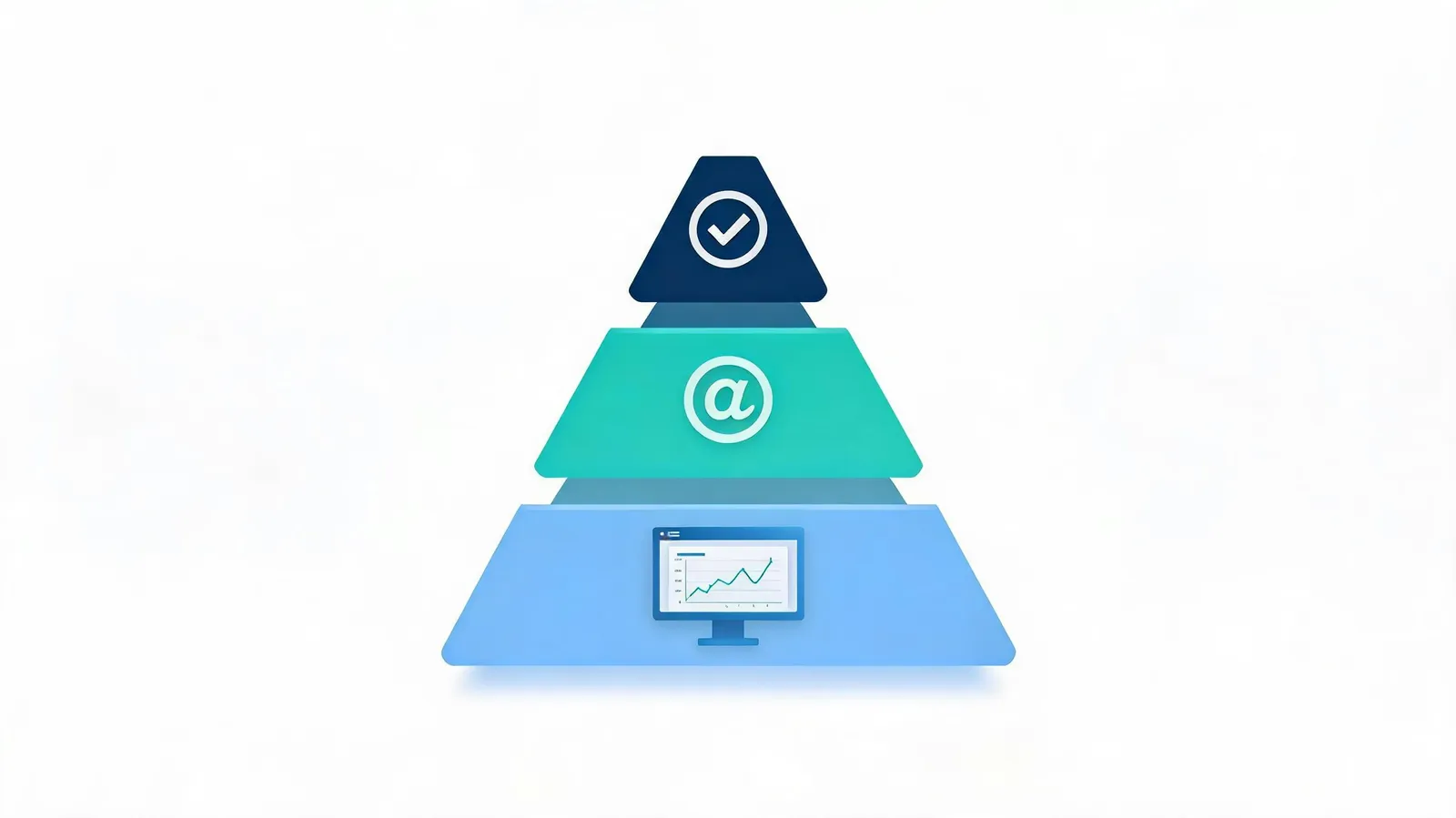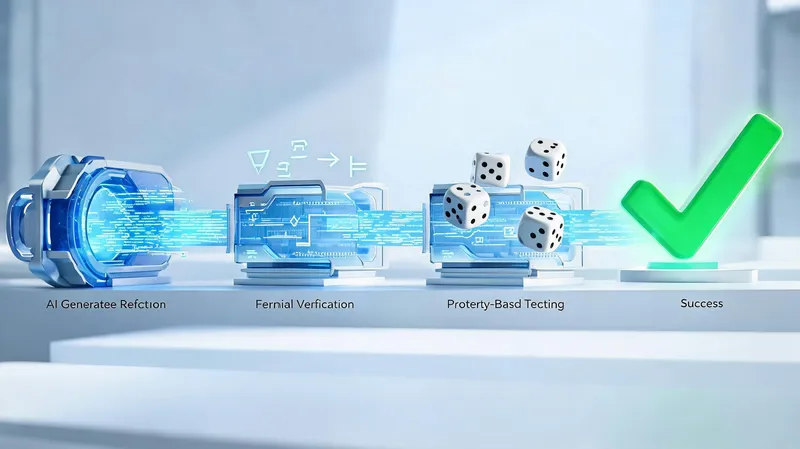
Refactoring is vital yet often tedious. Tasks like renaming a variable, extracting a method, or untangling dependencies seldom deliver new features directly, but they keep a codebase healthy. AI coding assistants now offer to take on much of this work, but refactoring differs from code generation. It demands a deep contextual grasp of existing behavior and carries a high risk of regressions. When a suggestion feels untrustworthy, developers discard it; when they trust it without question, they may merge faulty transformations. The difference between an AI refactoring tool that gets used and one that gets abandoned typically boils down to three factors: calibrated trust, workflow integration, and honest productivity measurement.
Trust Calibration and Explainability in AI Refactoring Suggestions
Trust in AI-assisted refactoring is not a simple yes-or-no. It lies on a spectrum between over-trust and under-trust, and both extremes are costly. Over-trust leads to blind acceptance of flawed refactors—a form of automation bias documented in software engineering research. Under-trust leads to valuable suggestions being ignored, wasting the tool's potential and the team's investment. The aim is calibrated trust: accepting suggestions when the evidence supports them and rejecting them when it does not.
Explainability is the pivot that balances these extremes. When an AI refactoring tool reveals its rationale, developers can assess the suggestion instead of guessing. Helpful explanations include the intent behind the change, an impact analysis of affected call sites and tests, and a confidence score that reflects uncertainty. Research on explainable AI for code transformation indicates that developers value impact analysis and test coverage signals more than natural-language rationale alone. Surveys of developers using AI pair programmers consistently show that explanations linking a suggestion to concrete code paths and potential breakages earn far more trust than opaque confidence percentages.
Design patterns for trust calibration draw from human-computer interaction research on mixed-initiative systems. Progressive disclosure lets developers see a summary first and drill into details on demand, avoiding information overload. User feedback loops allow developers to mark suggestions as helpful or harmful, which the tool can use to adjust future recommendations. Uncertainty visualization, such as highlighting low-confidence refactors in a different color or requiring explicit confirmation, prevents silent acceptance of risky changes. Empirical studies on trust in AI pair programmers indicate that these patterns reduce both blind acceptance and blanket rejection, moving developers toward the calibrated middle ground where AI-assisted refactoring delivers value.
IDE and Code Review Integration Patterns for AI-Assisted Refactors
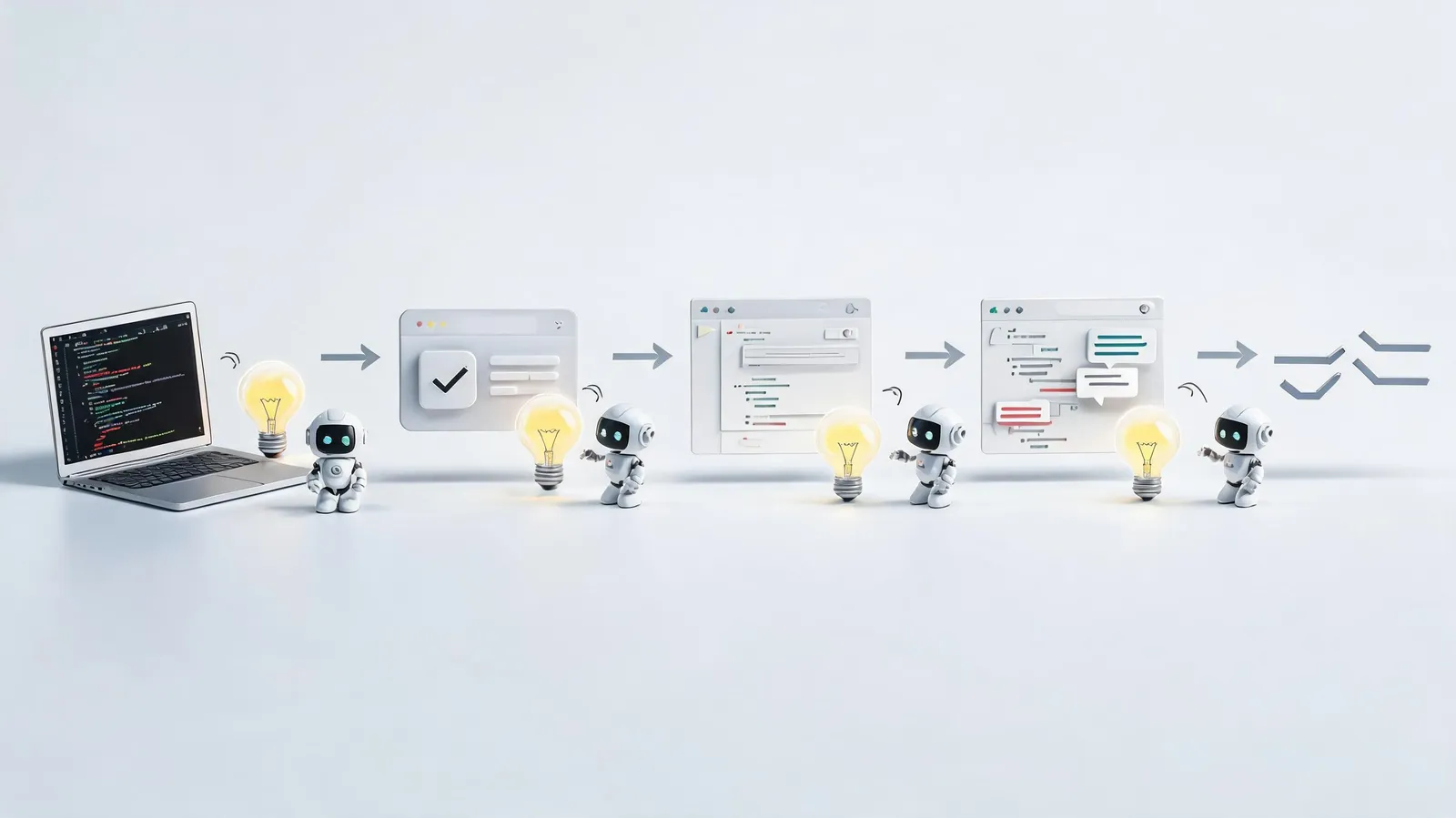
Even a well-calibrated AI refactoring engine fails if it does not fit the developer's existing workflow. Integration happens at two main touchpoints: the IDE during coding and the code review process after a pull request is opened. Each has distinct patterns and demands different interaction design.
In the IDE, AI refactoring tools typically offer inline suggestions, refactoring previews, and one-click apply or batch refactoring. Popular plugins for VS Code and IntelliJ vary in how aggressively they interrupt. Some developers prefer on-demand suggestions triggered by a keyboard shortcut, while others accept real-time hints if they are unobtrusive. Comparison of these plugins shows that interruption-heavy designs increase context switching and are often disabled within days. On-demand suggestions with clear previews tend to sustain usage because they respect the developer's focus.
Code review integration follows a different pattern. AI-generated refactor pull requests, automated review comments, and human-AI review handoffs are becoming common. Case studies from GitHub Copilot and Amazon CodeWhisperer in review workflows show that AI can reduce review time when it handles mechanical refactors such as import cleanup or naming consistency, but it can also create noise when it suggests stylistic changes that conflict with team conventions. Metrics on review time and defect detection with AI assistance suggest that the best results come from scoping AI refactors to well-defined, low-risk transformations and leaving architectural decisions to humans.
Workflow patterns matter: when to automate, when to suggest, and when to stay silent. A taxonomy of human-AI collaboration patterns in software engineering distinguishes between AI as an executor, an advisor, and a silent observer. Best practices from developer experience teams at large tech companies suggest that automation is appropriate for deterministic, low-risk refactors; suggestions work best for medium-risk changes where human judgment is required; and silence is preferable when the AI lacks sufficient context. Getting this taxonomy right reduces friction and builds the habit of collaboration rather than confrontation.
Measuring Productivity Gains and Cognitive Load in Human-AI Pair Refactoring
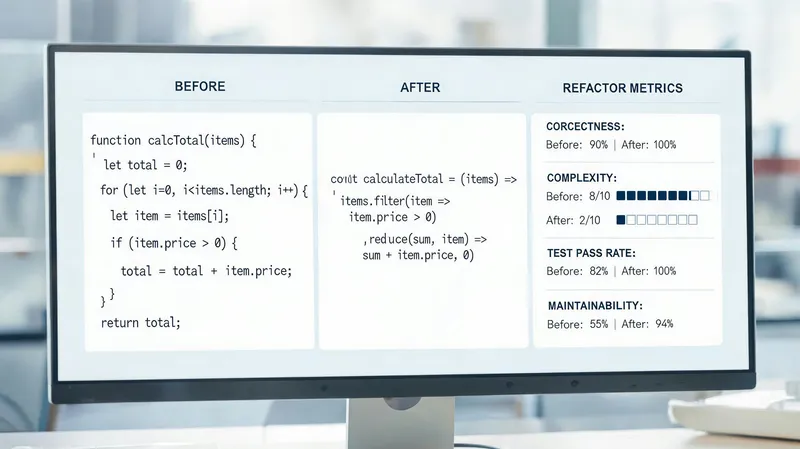
Productivity in refactoring cannot be measured by lines of code alone. Meaningful metrics include time to refactor, defect reduction, and code quality improvement. Studies comparing refactoring speed with and without AI assistance show gains in mechanical tasks, but the picture is murkier for complex, cross-cutting refactors. Industry benchmarks for refactoring efficiency often focus on cycle time and change failure rate, which are more aligned with business outcomes than raw output.
Cognitive load is the hidden variable. AI suggestions affect mental workload, context switching, and decision fatigue. NASA-TLX and other cognitive load measurements used in pair programming studies reveal that too many suggestions can overwhelm developers, even when the suggestions are correct. Qualitative research on developer experience with AI assistants shows that decision fatigue sets in when developers must evaluate a constant stream of recommendations. The result is a paradox: a tool that increases theoretical productivity can decrease actual productivity by taxing attention.
Balancing automation and agency is the design challenge. Principles of human-centered AI for developer tools emphasize that AI should augment rather than overwhelm. Case examples of AI refactoring tools that reduce cognitive load share common traits: they batch suggestions into reviewable chunks, they explain the why before the what, and they let developers defer or dismiss suggestions without penalty. The 2x2 matrix of productivity gain versus cognitive load clarifies the goal. The ideal quadrant is high gain and low load. Tools that produce high gain but high load are overwhelming; tools with low gain and low load are ineffective; tools with low gain and high load are frustrating. AI-assisted refactoring should aim for the ideal quadrant by optimizing both dimensions, not just one.
Conclusion
Trust calibration, seamless integration, and balanced productivity and cognitive load are interdependent. Explainability without integration leaves developers with good suggestions they never see. Integration without trust calibration produces ignored or blindly accepted refactors. Productivity gains without attention to cognitive load create tools that look good in benchmarks but fail in daily use. Getting this right can transform refactoring from a dreaded chore into a collaborative, efficient, and even enjoyable activity. The future outlook is promising: AI that learns from developer feedback and adapts to individual and team preferences can become a personalized refactoring assistant, one that knows when to speak, when to act, and when to stay silent. For developers, engineering managers, and tooling teams, the priority is clear: invest in trust, integration, and human-centered measurement, and the machines will earn their place in the refactoring workflow.