Introduction
Manual refactoring is reactive, human-driven, and frequently deferred, while production telemetry provides a rich signal for identifying what needs improvement. By combining continuous telemetry analysis, reinforcement learning from human feedback (RLHF), and strong ethical governance, self-healing codebases can autonomously refactor themselves, marking a new era of software that evolves without constant human intervention.
1. Self-Healing Codebases: Continuous Refactoring Driven by Telemetry
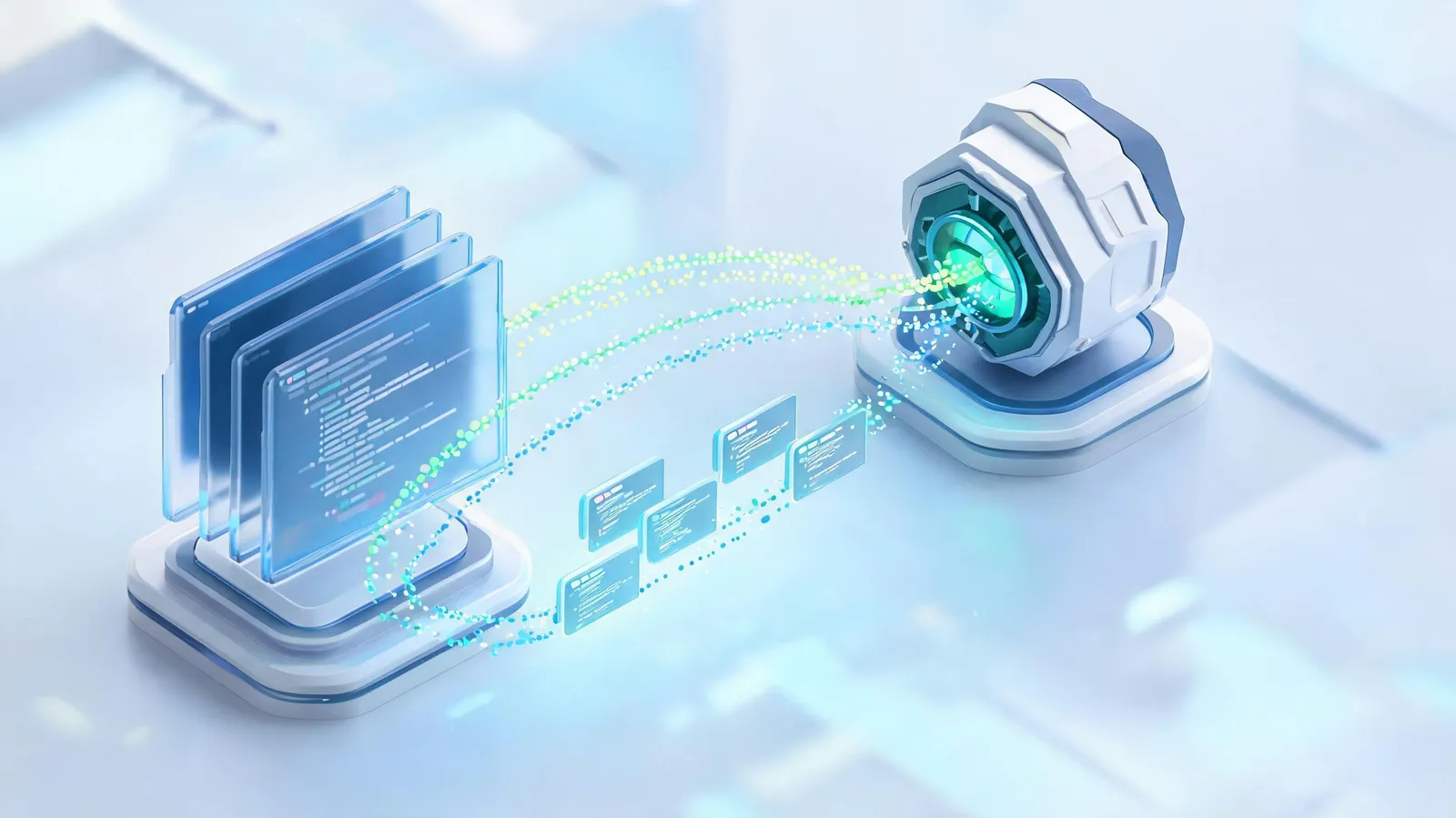
Telemetry acts as the sensory input for code health, capturing runtime metrics such as latency, error rates, and resource usage, as well as static analysis signals like complexity and duplication. These indicators reveal when refactoring is needed. For instance, a microservices platform achieved a 40% reduction in mean time to recovery (MTTR) through automated telemetry-driven refactoring. Automated refactoring pipelines, including automated program repair and refactoring bots, can safely execute changes with canary deployments for validation. Statistics show a significant reduction in technical debt and improvement in developer productivity.
1.1 Telemetry as the Sensory Input for Code Health
Telemetry data encompasses both runtime metrics (latency, error rates, resource usage) and static analysis signals (complexity, duplication). These indicators collectively signal when refactoring is needed. For example, a microservices platform reduced mean time to recovery (MTTR) by 40% using automated telemetry-driven refactoring.
1.2 Automated Refactoring Pipelines and Safe Execution
Automated refactoring pipelines leverage techniques like automated program repair, refactoring bots, and canary deployments for validation. Statistics indicate a reduction in technical debt and improvement in developer productivity.
2. Reinforcement Learning from Human Feedback for Refactoring Policies
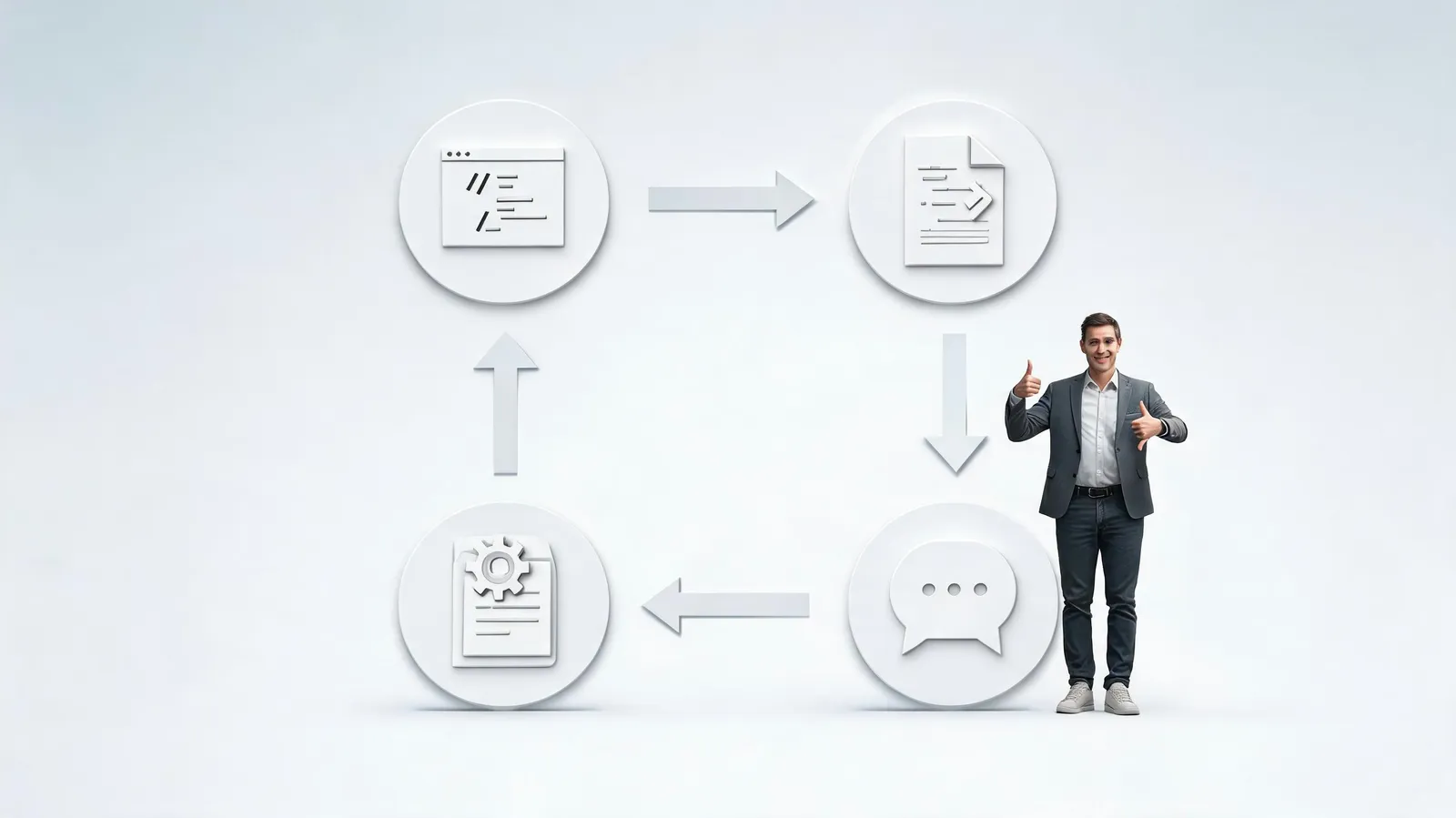
RLHF trains refactoring agents to align with human preferences, coding standards, and project-specific goals. The RLHF loop involves reward modeling based on developer reviews, code review comments, and acceptance/rejection of refactoring suggestions. For example, a team used RLHF to reduce false-positive refactoring suggestions by 60%. Challenges include reward hacking, distributional shift, and the need for diverse feedback. Best practices involve iterative training, human-in-the-loop validation, and simulation environments.
2.1 The RLHF Loop: From Human Feedback to Policy Improvement
Reward modeling based on developer reviews, code review comments, and acceptance/rejection of refactoring suggestions drives policy improvement. A team used RLHF to reduce false-positive refactoring suggestions by 60%.
2.2 Challenges and Best Practices in RLHF for Code
Issues like reward hacking, distributional shift, and the need for diverse feedback must be addressed. Strategies such as iterative training, human-in-the-loop validation, and simulation environments are recommended.
3. Ethical and Governance Frameworks for Autonomous Code Modification
Autonomous code modification introduces risks such as unintended consequences, bias amplification, security vulnerabilities, and loss of human oversight. Real-world incidents where automated changes caused outages or compliance issues highlight the need for governance. Proposed models include tiered autonomy levels, mandatory human approval for high-risk changes, and immutable audit logs. Industry initiatives and regulatory perspectives on AI-driven code modification are emerging.
3.1 Risks and Ethical Considerations
Potential for unintended consequences, bias amplification, security vulnerabilities, and loss of human oversight are key concerns. Real-world incidents where automated changes caused outages or compliance issues underscore the importance of ethical considerations.
3.2 Building Governance Frameworks: Policies, Audit Trails, and Human Veto
Proposed models include tiered autonomy levels, mandatory human approval for high-risk changes, and immutable audit logs. Industry initiatives and regulatory perspectives on AI-driven code modification are shaping governance frameworks.
4. The Road Ahead: Integrating Telemetry, RLHF, and Governance
Synergies and challenges in combining telemetry, RLHF, and governance include how telemetry informs RLHF reward signals and how governance ensures safe exploration. Open research questions include scalability, real-time constraints, and multi-agent coordination. An adoption roadmap for organizations involves steps from pilot projects to full autonomy, including cultural and skill shifts. Metrics for success include reduced technical debt, faster feature delivery, and improved system reliability.
4.1 Synergies and Challenges in Combining the Approaches
Telemetry informs RLHF reward signals, and governance ensures safe exploration. Open research questions include scalability, real-time constraints, and multi-agent coordination.
4.2 Adoption Roadmap for Organizations
Steps from pilot projects to full autonomy, including cultural and skill shifts, are essential. Metrics for success include reduced technical debt, faster feature delivery, and improved system reliability.
Conclusion
Telemetry, RLHF, and governance together enable autonomous refactoring, transforming software quality, developer productivity, and the future of software engineering. The path toward fully self-healing systems requires responsible innovation and ethical guardrails.