Refactoring—restructuring code without altering its external behavior—is fundamental to keeping software maintainable. It lowers technical debt, enhances readability, and simplifies future modifications. Yet manual refactoring is costly: developers burn countless hours rewriting code, and the opportunity cost is steep. AI-assisted refactoring tools, driven by large language models and machine learning, aim to automate much of this work. But what are the real economics? This article examines total cost of ownership (TCO), organizational adoption models, and workforce implications to help technology leaders make informed decisions.
Total Cost of Ownership: AI-Assisted vs. Manual Refactoring
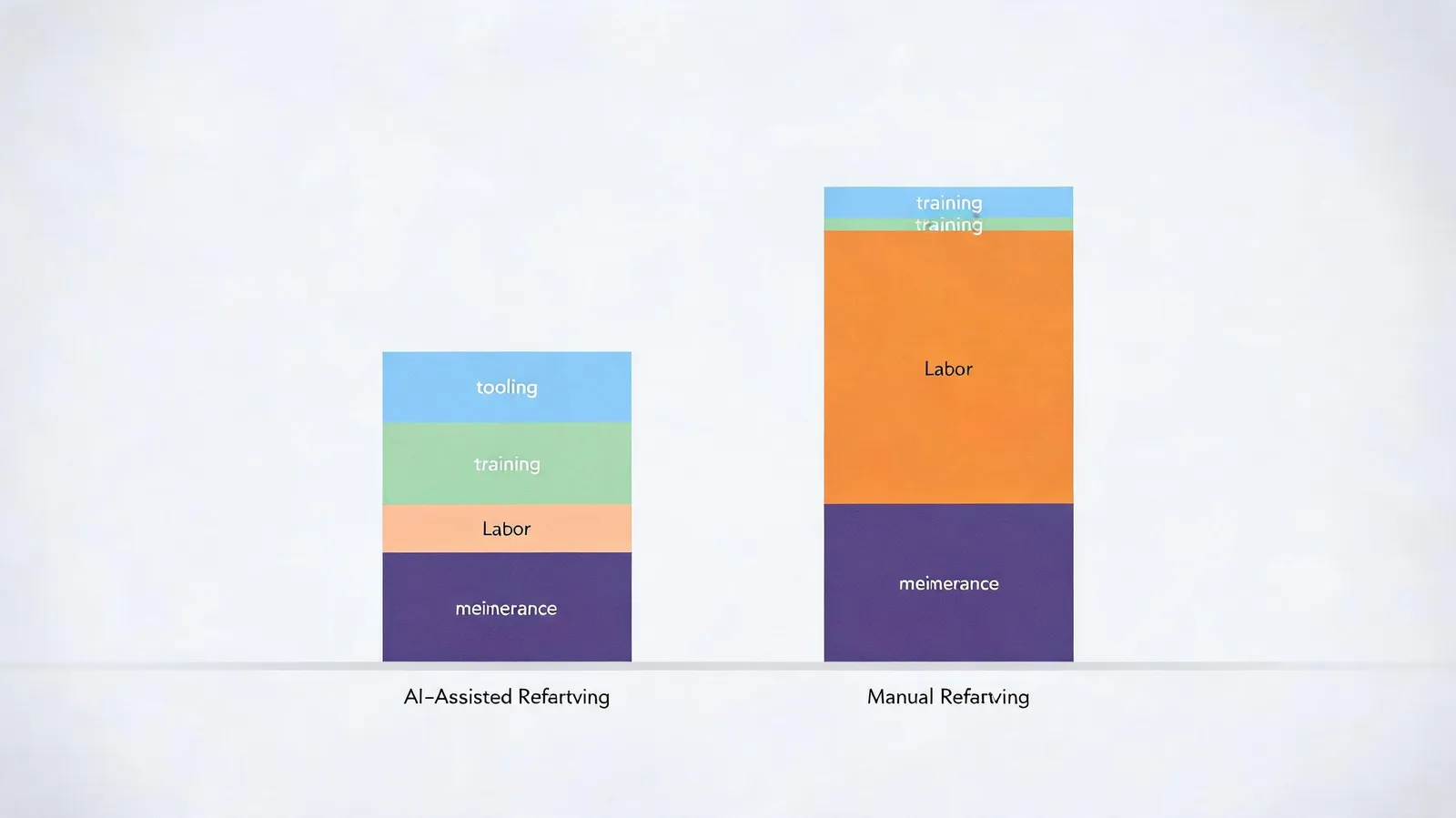
When assessing AI-assisted refactoring, looking beyond the tool's sticker price is essential. TCO encompasses direct costs (tooling, licensing, compute) and indirect costs (training, integration, maintenance). Manual refactoring, by contrast, incurs developer hours, potential errors, and long-term technical debt.
Direct Costs: AI refactoring tools usually charge per seat or per usage. For a mid-size firm with 50 developers, annual licensing can range from $10,000 to $50,000, plus compute costs for cloud-based AI. Manual refactoring costs are primarily developer salaries: if a team spends 20% of its time on refactoring, that's 10 full-time equivalents annually—easily $1M+ in loaded costs.
Indirect Costs: AI adoption requires training, integration with existing CI/CD pipelines, and ongoing maintenance of AI models. Manual refactoring, however, often introduces subtle bugs that lead to costly production incidents and accumulating technical debt. A 2023 industry survey found that companies using AI-assisted refactoring reported a 30% reduction in refactoring-related defects within six months.
To illustrate, consider a case study of a mid-size fintech firm. They piloted an AI refactoring tool for three months. Direct costs were $15,000 in licensing and $5,000 in compute. Indirect costs included 40 hours of training ($4,000) and integration effort ($8,000). Total pilot cost: $32,000. In that period, the tool refactored 15,000 lines of code, saving an estimated 600 developer hours (worth $60,000). The net savings were $28,000, with additional benefits in code quality.
Organizational Adoption Models and Change Management

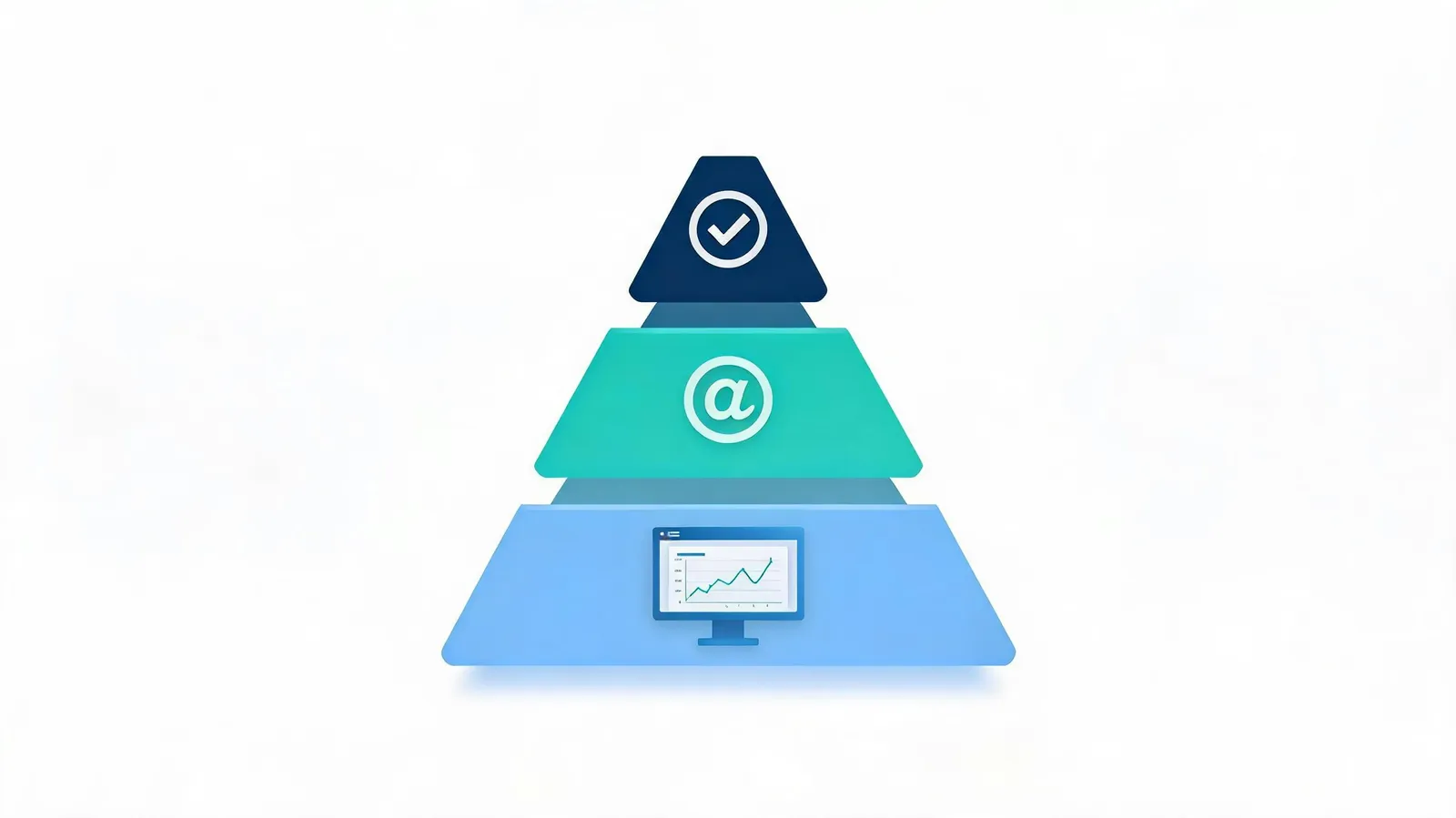
Adopting AI refactoring tools is not merely a technical upgrade; it is an organizational change. Successful adoption follows a structured approach, often starting with a pilot, then a phased rollout, and finally full integration.
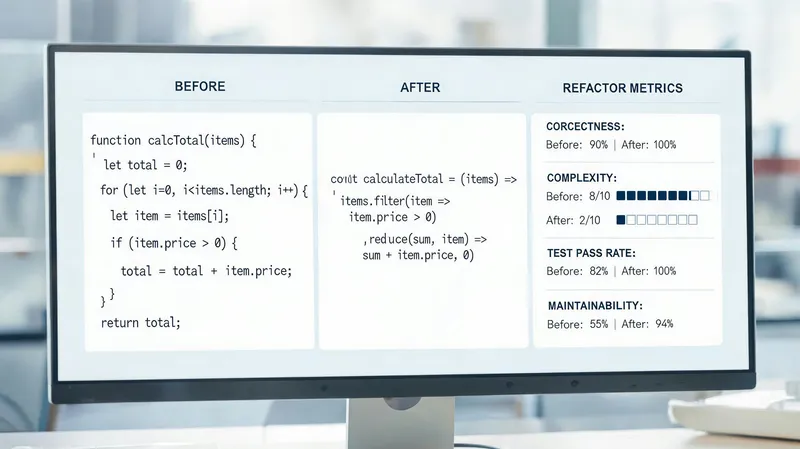
Pilot Program: Begin with a small team and a limited scope. Choose a non-critical codebase to minimize risk. The goal is to learn, measure impact, and identify integration challenges. For example, a US-based e-commerce company piloted an AI refactoring tool on its legacy checkout module. Within six weeks, they reduced code complexity by 25% and cut refactoring time by 40%.
Phased Rollout: After a successful pilot, expand to multiple teams. Establish feedback loops to continuously improve the process. This stage often reveals cultural and workflow issues. According to a 2024 DevOps report, organizations that used a phased approach were 2.5 times more likely to report successful AI adoption than those that attempted a full-scale rollout immediately.
Full Integration: Embed AI refactoring into the standard development lifecycle. This requires aligning incentives: reward teams for code quality improvements, not just feature delivery. Change management best practices include clear communication, executive sponsorship, and upskilling programs. Resistance is common; address it by involving developers in tool selection and demonstrating quick wins.
Key barriers to adoption include fear of job displacement, lack of trust in AI output, and integration complexity. To overcome these, organizations should invest in training, start with low-risk projects, and celebrate early successes.
Workforce Implications and Skill Shifts for Software Engineers
The rise of AI refactoring is reshaping the software engineering profession. Rather than eliminating jobs, it is shifting daily tasks and demanding new skills.
Shifts in Daily Tasks: Engineers will spend less time manually rewriting code and more time supervising, validating, and improving AI outputs. This includes reviewing AI-generated refactorings for correctness, performance, and security. A 2024 survey of developers using AI tools found that they spent 30% less time on routine refactoring and 25% more time on design and architecture.
New Skill Demands: AI literacy, prompt engineering, and system design for AI integration are becoming essential. Engineers need to understand how AI models work, how to craft effective prompts, and how to integrate AI into existing systems. Job market analysis shows a 200% increase in demand for AI-related skills in software engineering roles over the past two years.
Training programs from early adopters show promising results. For example, a US tech company launched a six-week AI upskilling program for its 200 engineers. Post-training, 85% reported feeling confident using AI refactoring tools, and team productivity increased by 15%.
Career paths are also evolving. New roles like "AI Refactoring Specialist" and "AI Integration Engineer" are emerging. Engineers who embrace AI as a collaborator rather than a competitor will find expanded opportunities.
Conclusion
The economics of AI refactoring are compelling: lower direct costs, reduced technical debt, and faster time-to-market. However, successful adoption requires careful TCO analysis, structured change management, and investment in workforce upskilling. Organizations that navigate these factors will gain a competitive edge. As AI continues to integrate with DevOps, we can expect the rise of autonomous refactoring systems that further transform software teams. The future belongs to those who view AI not as a replacement, but as a powerful ally in building better software.