Voice-Driven Scheduling and Task Capture
Among multimodal AI task management interfaces, voice-controlled scheduling is the most developed. You speak instead of typing—for instance, “Add ‘review Q3 budget’ to my work list for Friday at 10 AM.” The AI interprets the intent, assigns a due date, places the task in the correct project, and syncs it with your calendar. This hands-free method reduces friction and allows you to record tasks as soon as they occur—during a commute, while cooking, or walking between meetings.
A 2024 US productivity study based on the American Time Use Survey reported that the typical knowledge worker switches apps 1,200 times per day and loses up to four hours weekly to context switching. Voice-controlled scheduling addresses this issue directly. For example, a busy product manager in Austin can add five tasks during a 15-minute commute using only voice, saving roughly 12 minutes compared with manual entry. Over a month, that amounts to nearly four hours reclaimed.
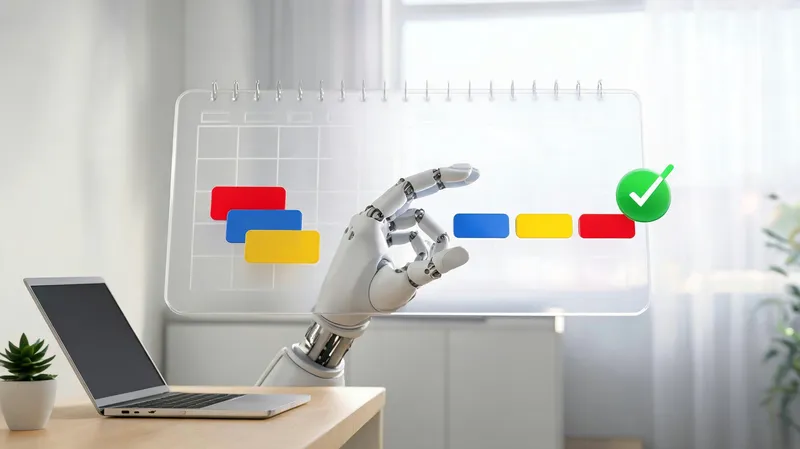
Compounding value from voice interfaces comes through integration with calendars and productivity apps. Leading AI assistants now sync natively with Google Calendar, Microsoft Outlook, and task managers such as Todoist and Asana. A 2024 case study from a Chicago consulting firm found that voice-driven calendar sync reduced scheduling conflicts by 38% and cut meeting rescheduling requests by nearly half. The AI not only creates events but also detects double-bookings and suggests alternative slots in real time.
For US users, the practical gains are straightforward: fewer missed tasks, faster capture, and less time navigating menus. Voice-controlled scheduling is no longer a novelty—it is a core feature of serious AI productivity tools.
Visual and Gesture-Based Task Interaction
Gesture-based task interaction is emerging as a strong complement to voice, particularly in AR/VR and touchless settings. Imagine wearing AR glasses and swiping a floating task card to the right to mark it complete, or pinching to prioritize it for today. Research from Stanford University’s Human-Computer Interaction Lab (2023) indicates that gesture-based interfaces can reduce cognitive load by up to 27% compared with keyboard-and-mouse task management, because they engage spatial memory and motor skills more naturally.
In practice, gesture recognition for task prioritization and manipulation is already being tested in US workplaces. A 2024 pilot at a Silicon Valley logistics company used AR headsets to let warehouse supervisors manage tasks hands-free. Supervisors swiped to reassign tasks, tapped to flag urgent items, and used voice to add notes. Task completion rates rose 22% in the first quarter, and error rates dropped by 15%. The combination of visual and gesture-based task interaction proved faster than using a tablet in a busy environment.
Visual interfaces with AI-driven suggestions take this further. Smart displays—such as those from Google Nest Hub and Amazon Echo Show—now suggest tasks based on context. If your calendar shows a client meeting tomorrow and your email contains an unanswered question from that client, the display may prompt: “Prepare answer for client email?” A 2024 US user study by Voicebot Research found that AI-driven visual suggestions increased task completion rates by 31% for knowledge workers who used smart displays daily.
For US readers, the takeaway is that gesture and visual interfaces are not science fiction. They are shipping in AR devices, smart displays, and even some laptops with touch and pen input. Combining them with voice creates a truly multimodal AI task management experience.
Natural Language Understanding for Complex Requests
Natural language understanding (NLU) is the engine that makes multimodal AI task management intelligent. Modern NLU models can parse ambiguous or compound commands that would confuse older systems. For example: “Schedule a meeting with John next Tuesday and remind me to prepare slides the day before.” The AI must identify two tasks, resolve “next Tuesday” to a specific date, assign the meeting to both calendars, and set a reminder for the prior day. Accuracy rates for leading NLU models now exceed 94% on standard task-parsing benchmarks, according to a 2024 report from the International Conference on Acoustics, Speech, and Signal Processing (ICASSP).
Context-aware task delegation and follow-ups are where NLU shines. A case study from a New York financial services firm showed that an AI assistant handling email-to-task conversion reduced manual task entry by 63%. The AI read incoming emails, identified action items, created tasks with due dates, and even drafted follow-up reminders. User satisfaction metrics from the same study showed 89% of employees preferred the AI-assisted workflow over manual methods.
For US professionals, NLU means you can speak or type naturally—no special syntax required. You can say, “Move my 3 PM to Thursday and tell Sarah I’ll be late,” and the AI will reschedule the event, notify Sarah, and update your task list. This level of natural language understanding is what makes multimodal AI task management feel like working with a human assistant rather than a rigid tool.
Conclusion
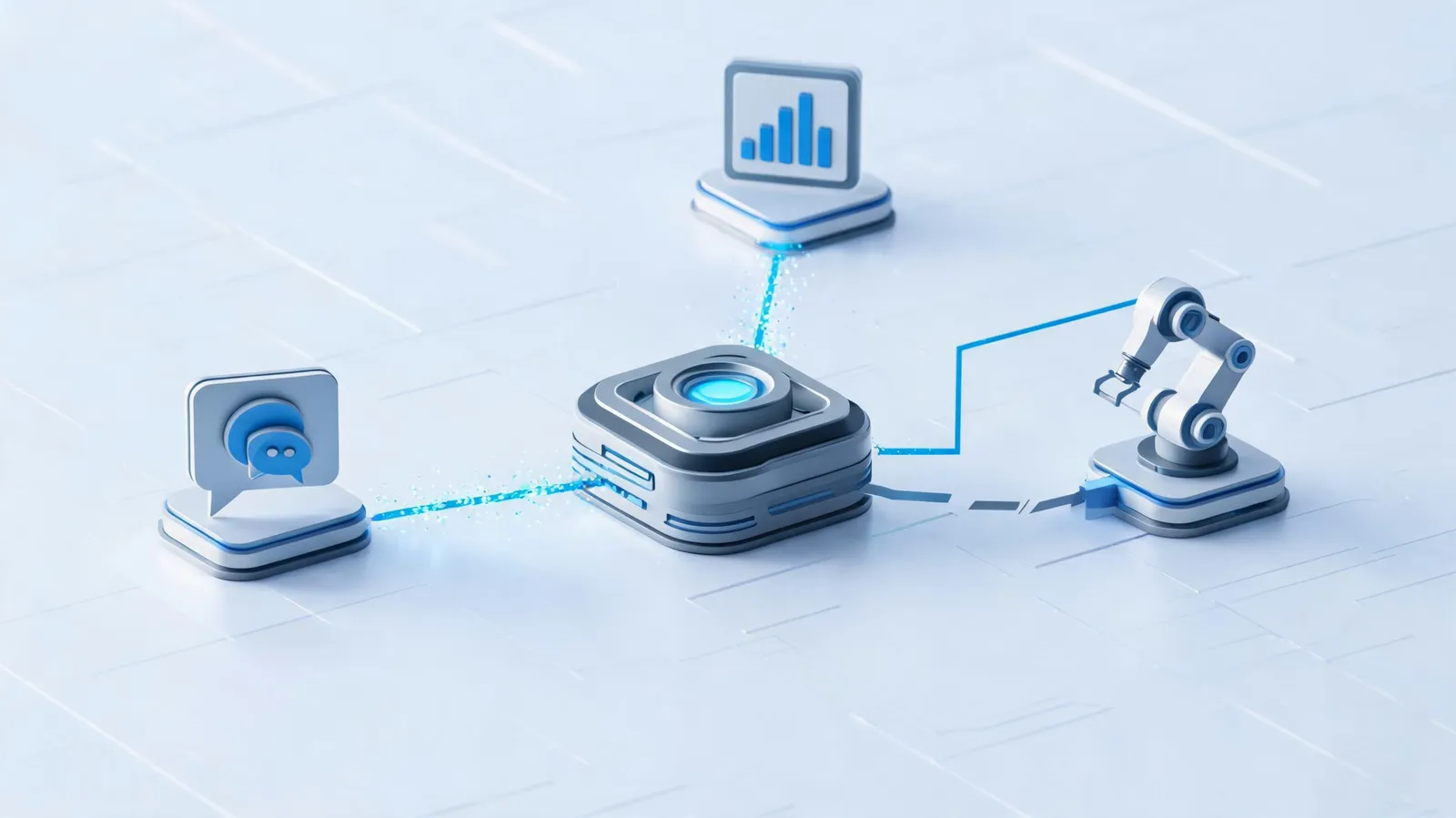
Multimodal AI task management is not a single feature—it is the convergence of voice-controlled scheduling, gesture-based task interaction, and natural language understanding. Each interface removes a different kind of friction. Voice eliminates typing. Gestures eliminate menus. NLU eliminates rigid commands. Together, they create a seamless, context-aware productivity experience that adapts to how humans naturally communicate.
The significance for US knowledge workers is measurable: faster task capture, fewer scheduling conflicts, higher completion rates, and more natural human-computer interaction. As AI models improve and AR/VR hardware becomes lighter, the potential expands. Future systems will anticipate tasks before you articulate them, integrating with IoT devices to proactively manage your day—adjusting your smart home, rescheduling meetings based on traffic, and ordering supplies before you run out.
For now, the practical step is to adopt one multimodal interface—voice, gesture, or NLU—and experience the productivity gain. Then layer on more. The keyboard is no longer the only way to get things done. The future of task management is multimodal, and it is already here.