Behavioral Prompts That Support Time-Management Habits
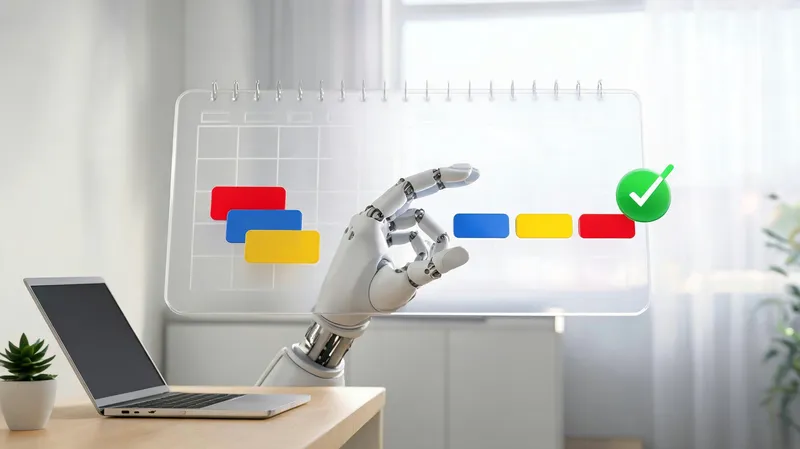
Small, context-sensitive prompts that guide decisions while preserving choice are known as behavioral nudges. Findings from behavioral economics indicate that such nudges can raise task completion by as much as 40%. AI calendar applications, for instance, recommend optimal windows for focused work by analyzing energy patterns. By using user data, AI tailors nudges so they arrive at the right moment. One case study involving an AI assistant showed a 25% decrease in meeting overload through smart scheduling prompts, which also lowered decision fatigue and increased focus time.
AI Coaching to Improve Focus and Reduce Procrastination

AI can serve as a virtual coach, offering real-time feedback, encouragement, and accountability. Statistics from AI coaching platforms reveal a 30% drop in procrastination among users. For example, AI identifies distraction patterns and recommends focus methods such as the Pomodoro technique. Approaches to overcoming procrastination include AI-supported task breakdown, deadline setting, and motivational prompts. Research results show that task decomposition assisted by AI boosts completion rates by 50%, and user testimonials confirm better focus and less anxiety.
Tailored Productivity Plans Built from User Data
AI examines individual data to produce customized productivity plans that adapt over time. This data-driven personalization entails gathering and analyzing user behavior, preferences, and performance metrics. A case study of an AI planner found a 35% productivity gain through adaptive scheduling. AI can connect with wearables to modify plans according to sleep and activity. Dynamic adaptation enables AI plans to respond to shifting circumstances and user feedback. Statistics indicate strong user retention and satisfaction with AI-powered productivity apps. For instance, AI re-optimizes daily schedules following unexpected events.
Final Thoughts
When combined, AI-driven behavioral prompts, coaching, and personalized plans help build habits that last. By curbing procrastination and improving time management, AI contributes to overall well-being. Future possibilities include AR/VR integration for immersive habit formation and predictive productivity.