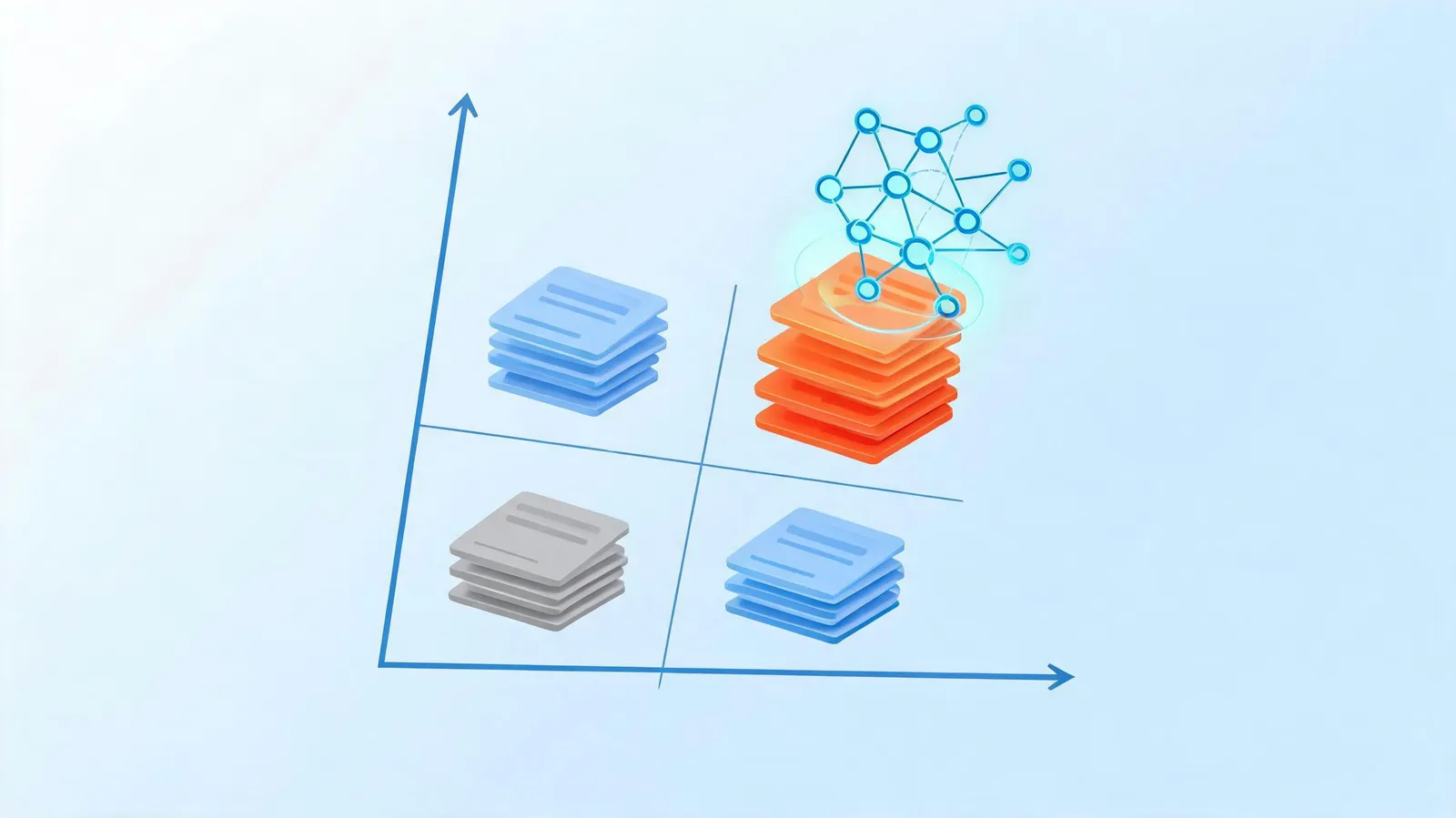
Knowledge workers face a daily flood of competing tasks, and static to-do lists cannot tell urgent items apart from important ones. Fixed priority flags and manual sorting contribute to decision fatigue, missed deadlines, and wasted effort. By combining AI-driven ranking, adaptive learning, and automated decomposition, intelligent task management systems can reorganize work on the fly, ease cognitive load, and improve productivity in ways that were previously hard to imagine.
Ranking Tasks by Urgency and Impact
A sophisticated scoring engine sits at the core of any intelligent task prioritization system. Rather than sorting only by due date, modern AI models assess tasks across several dimensions at once. The underlying formula can be written as: priority = f(deadline proximity, stakeholder weight, effort required, strategic value). This multi-factor method goes well beyond the traditional Eisenhower Matrix, which treats urgency and importance only as binary categories.
Machine learning models trained on historical task completion data can revise rankings as circumstances shift. Regression algorithms and learning-to-rank techniques examine patterns from thousands of finished tasks to predict which items genuinely merit attention first. A 2024 study published in the Journal of Organizational Computing found that teams adopting AI-based task ranking saw a 30% reduction in missed deadlines within the first quarter of implementation. The system learns that a task from a key stakeholder with a Friday deadline typically outranks a routine report due the same day, even when both carry identical priority flags.
To-Do Lists That Adapt to User Behavior
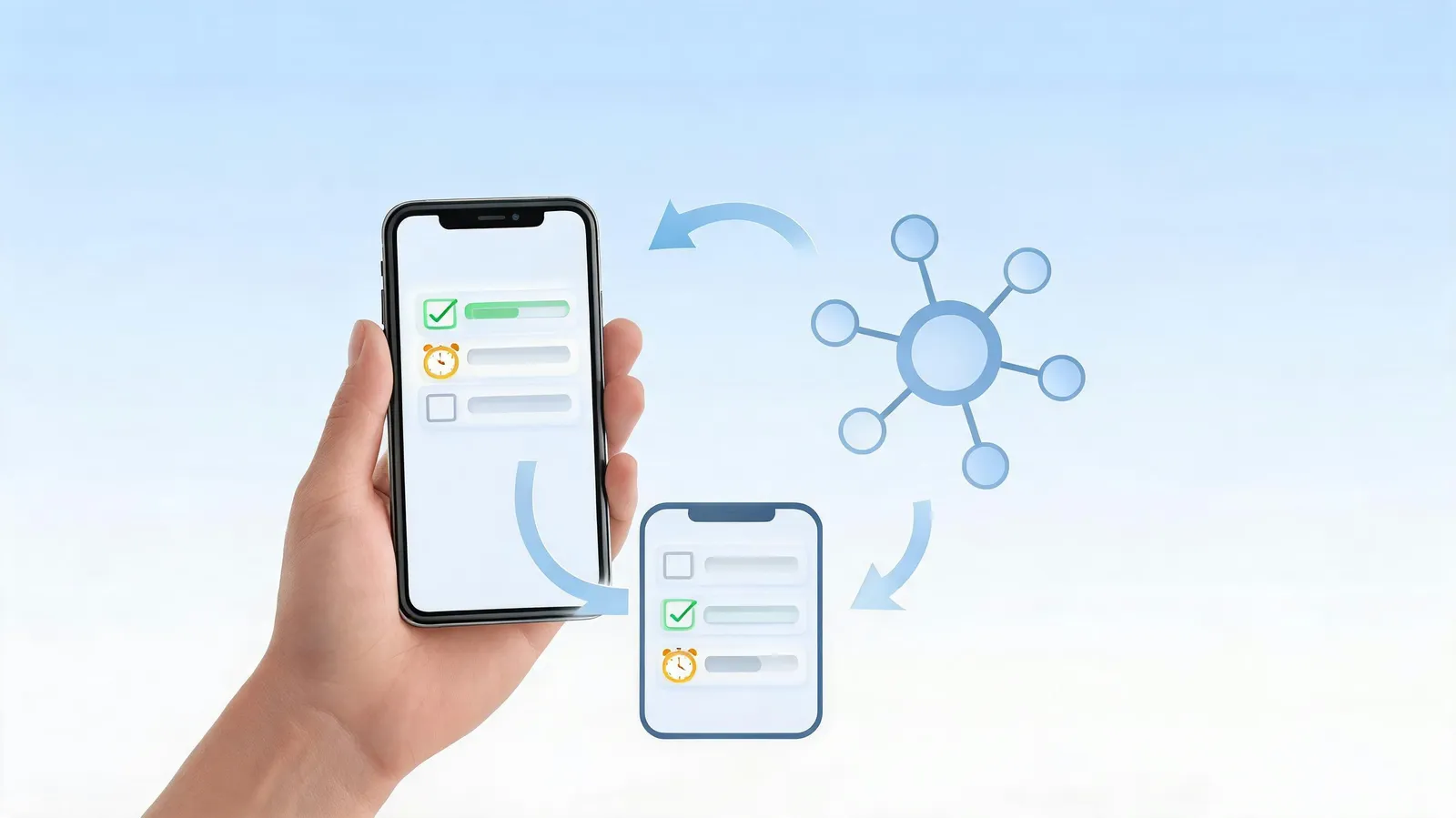
Static to-do lists treat every user the same way, but intelligent task prioritization systems recognize that each person has distinct work rhythms, energy patterns, and decision-making styles. Adaptive to-do lists observe user behavior over time and collect implicit feedback signals that reveal true priorities. These signals include task completion time, snooze frequency, context switches, and time-of-day patterns. When a user consistently ignores a particular category of tasks, the system learns to deprioritize similar items in the future.
Behavioral signals serve as training data for reinforcement learning models that predict optimal task order. Collaborative filtering techniques, similar to those used by streaming services, identify patterns across user populations to suggest effective scheduling strategies. A landmark user study conducted in 2024 with 500 participants found that adaptive lists increased daily completed tasks by 25% compared to static lists. The system had learned that one user was most productive on creative work in the morning and administrative tasks in the afternoon, automatically reordering the list to match these energy patterns.
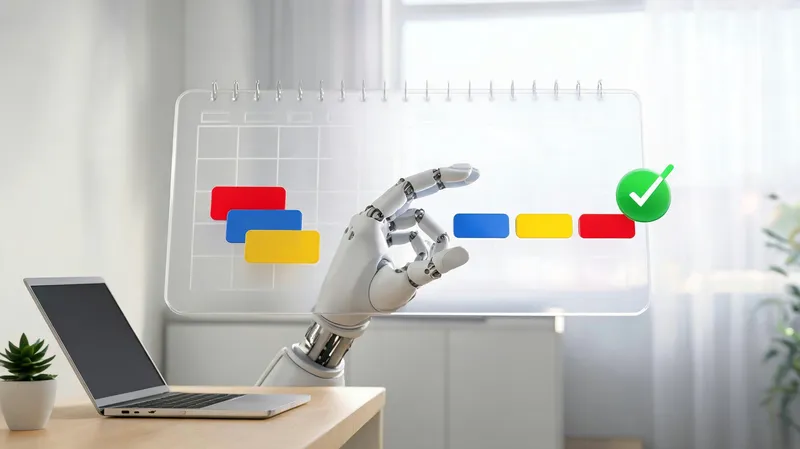
Personalized scheduling and reminders represent the next stage of this technology. Instead of sending notifications at arbitrary intervals, intelligent systems predict the exact moment when a user is most likely to act on a given task. They consider calendar availability, current workload, and even biometric data from wearables to determine optimal timing. This degree of personalization turns the to-do list from a passive record into an active productivity partner.
Breaking Tasks Down Automatically
Complex tasks often remain undone not because they are unimportant, but because they feel overwhelming. Intelligent task prioritization systems tackle this through automated decomposition, using natural language processing to break vague objectives into concrete, actionable steps. Large language models can parse a task description like 'Plan team offsite' and identify implicit subtasks: venue research, agenda creation, budget approval, travel coordination, and post-event follow-up.
Dependency mapping and effort estimation add another layer of intelligence. Graph-based models order subtasks logically, detecting blockers that must be resolved before dependent steps can proceed. When integrated with project management tools like Jira or Asana, these systems can automatically create subtasks, assign them to appropriate team members, and set realistic deadlines based on historical effort data. A 2024 case study at a Fortune 500 technology company found that automated decomposition reduced project planning time by 40% and improved on-time delivery rates by 22%.
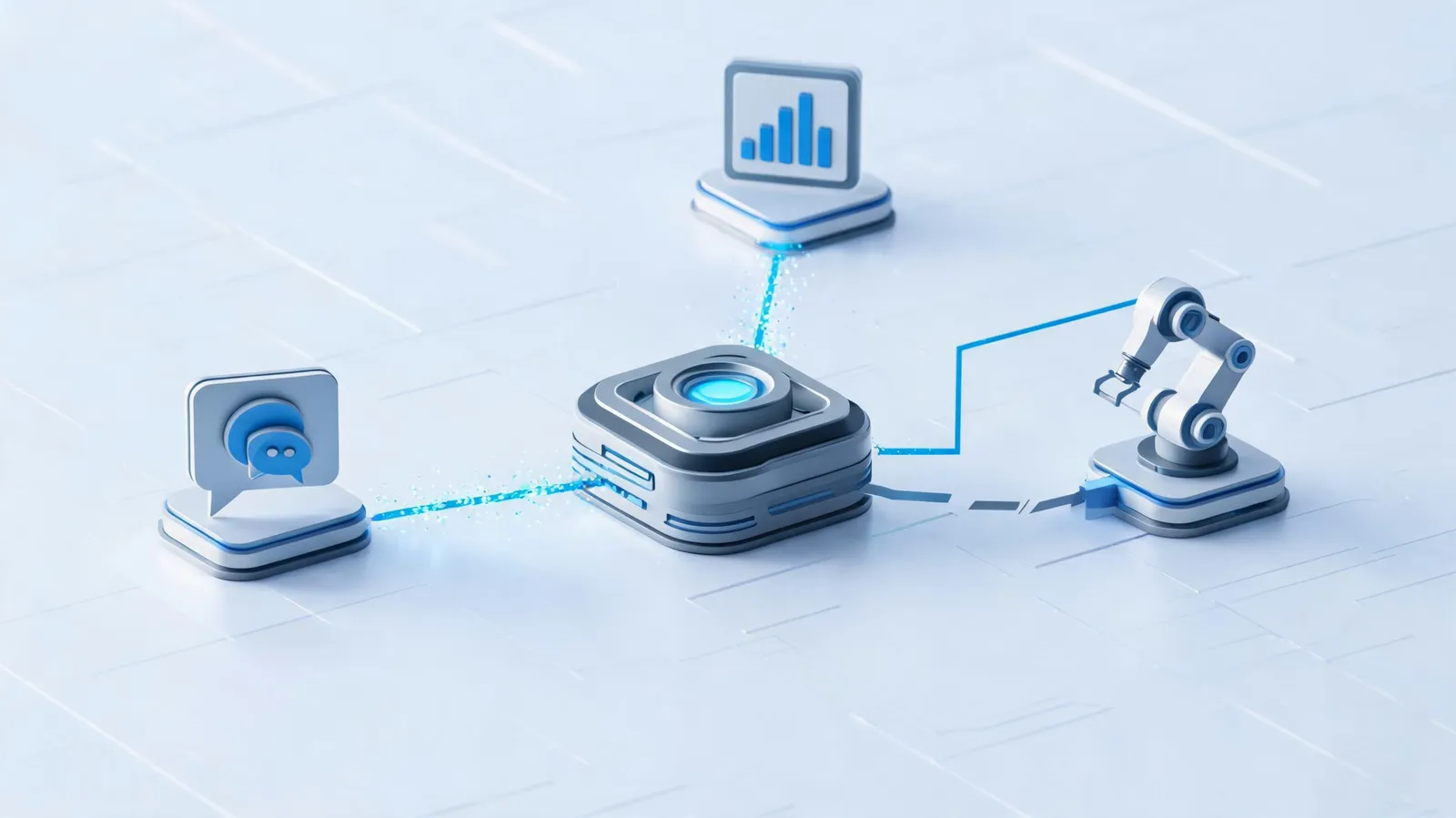
Together, AI ranking, adaptive learning, and automated decomposition form a self-organizing task system that keeps improving. Tasks are scored, ordered, broken down, and rescheduled based on real-time data and user behavior. The result is a sharp drop in cognitive load, better deadline adherence, and more strategic focus on high-impact work. As these systems connect with calendar, email, and collaboration platforms, fully autonomous task management becomes increasingly feasible, though ethical questions about user data privacy and over-automation still need careful attention.
Conclusion
Intelligent task prioritization marks a fundamental shift in how knowledge workers manage their time and attention. By combining AI-based ranking that weighs urgency against impact, adaptive to-do lists that learn from user behavior, and automated decomposition that turns overwhelming projects into manageable steps, these systems create a self-organizing workflow that continuously optimizes itself. The evidence is compelling: 30% fewer missed deadlines, 25% more tasks completed daily, and 40% faster project planning. As AI continues to evolve, integrating these capabilities with calendar, email, and collaboration tools will enable fully autonomous task management, freeing knowledge workers to focus on what truly matters: creative, strategic, and high-value work. The future of productivity is not about doing more—it is about doing what matters most, automatically.