Rule-based tools and single-model AI perform well on narrow, isolated tasks, yet they break down once a process crosses several systems, decisions, and failure points. Today's business workflows call for automation that is both self-directed and accountable—systems able to plan, execute, and recover across complex multi-step operations. Agentic AI, which coordinates entire workflows from start to finish, is reshaping enterprise automation and making genuine autonomy possible. That autonomy, however, depends on pairing the technology with human-in-the-loop checkpoints and dependable failure handling.
Coordinating Multi-Step Work Through Autonomous Agents
Autonomous agents mark a move away from rigid, rule-bound automation toward execution driven by goals. Rather than following pre-scripted steps as conventional bots do, agentic systems break a high-level objective into concrete sub-tasks and choose, at each stage, which tools and APIs fit best.
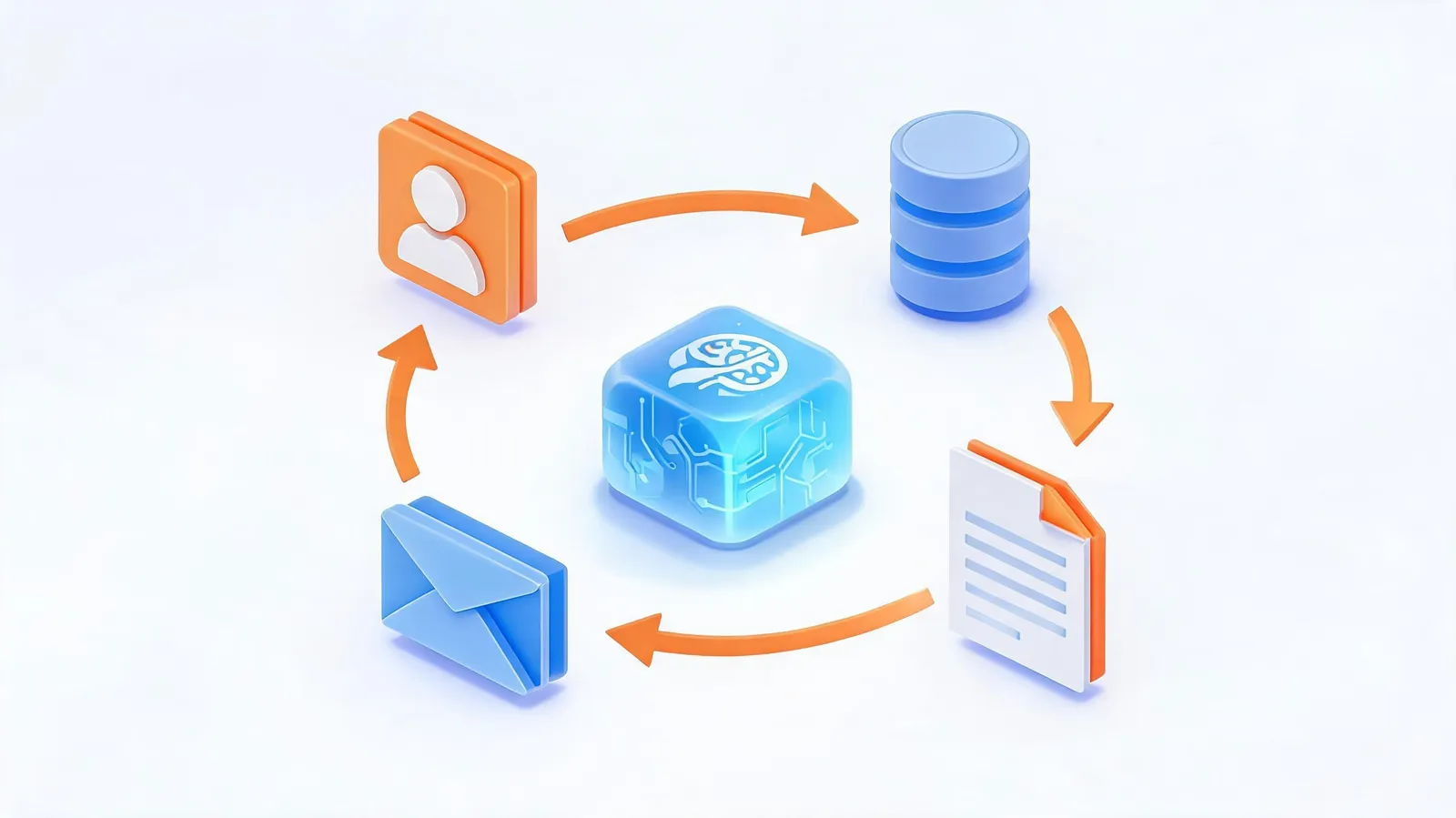
Take an agent that processes invoices. It receives an invoice by email, pulls out key fields with OCR and NLP, confirms the vendor against a database, verifies the purchase order in the ERP system, and triggers payment—with no person in the loop. Such multi-step execution can cut manual handoffs by as much as 80% and shrink processing time from days to minutes.
Tool use and API coordination are where the real capability shows. Depending on task context, agents call APIs, query databases, and work with services as needed. A customer onboarding flow, for example, may cover CRM entry, email verification, document signing, and welcome kit dispatch. Agentic AI runs these steps in sequence without friction, lifting throughput threefold and reducing errors by 60% relative to manual handling.
Human-in-the-Loop Approval for Automated Actions

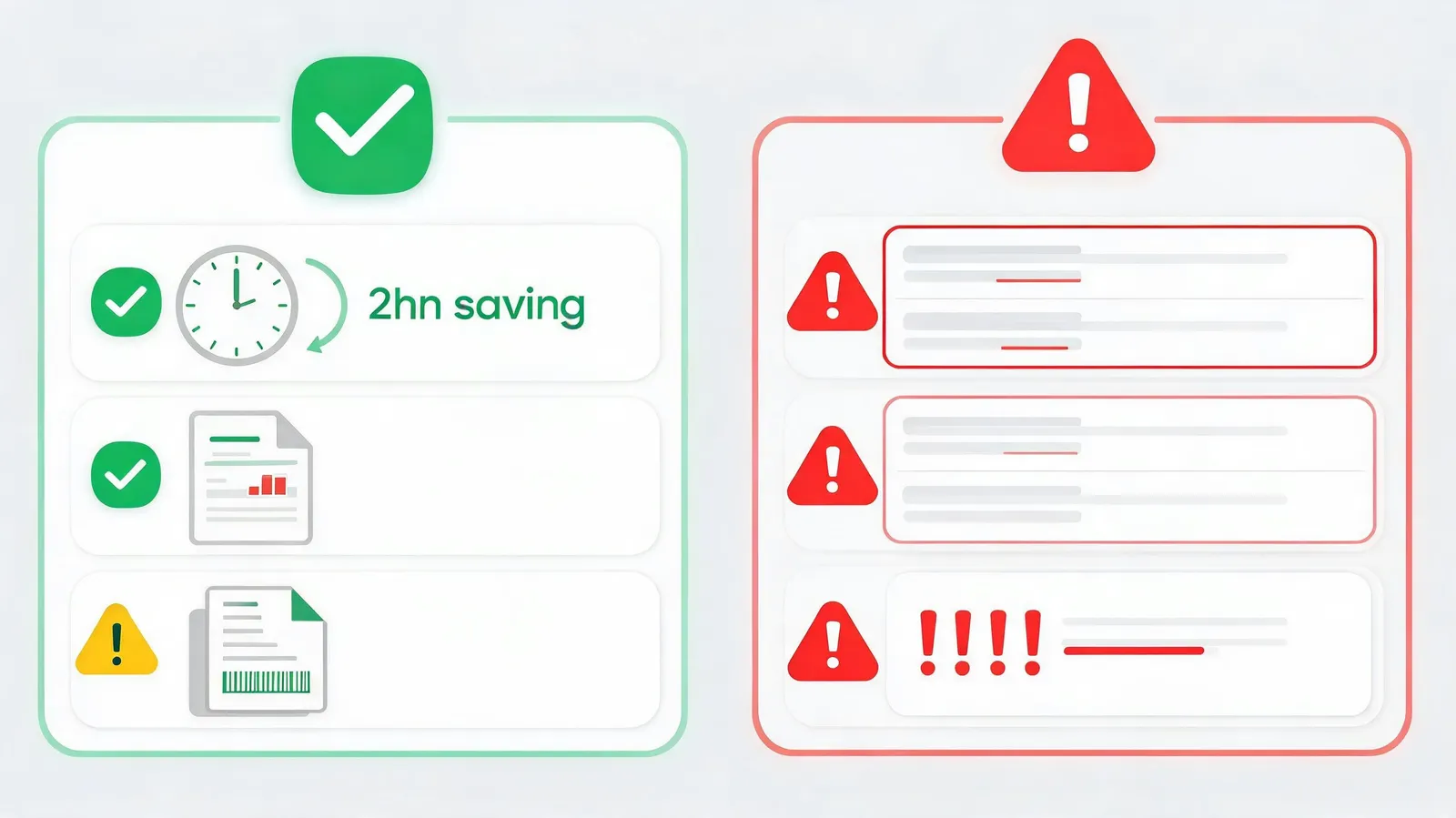
Agents can complete many tasks on their own, but some decisions still call for human judgment. Actions with high stakes, ambiguous inputs, or regulatory obligations need oversight. Human-in-the-loop (HITL) approval makes an agent stop and obtain authorization before it carries out critical steps.
An agent handling refunds, for instance, might approve amounts below $100 automatically while pausing above that threshold for human sign-off. This approach can cut costly errors and compliance violations by up to 90% while routine transactions keep flowing efficiently.
Approval gates, confidence thresholds, and escalation paths are among the effective HITL design patterns. One financial services firm deployed agentic AI for loan processing, with human approval required for applications flagged as high-risk. Processing became 40% faster, and user trust and adoption rose by 25%.
Resilience and Failure Handling in Agentic Workflows
Failures happen even in the most advanced agentic systems. API timeouts, ambiguous data, unavailable tools, and cascading errors can all interrupt a workflow. Conventional automation frequently stalls at that point; agentic AI is built to keep going.
Network problems, inconsistent data, and service outages are common failure modes. In automated customer support, a database timeout might prevent an agent from retrieving order details. In supply chain workflows, a logistics API might be temporarily unavailable. Downtime from such failures can cost enterprises thousands per minute.
Recovery strategies matter greatly. Retries with exponential backoff let agents ride out transient problems. Fallback plans offer alternative routes when primary tools fail. State persistence allows a workflow to resume from its last successful step. Self-correction mechanisms let agents learn from errors and adjust how they behave later.
One agentic payment system shows how this works: when a payment gateway failed, the agent retried automatically through a backup provider, completed the transaction, and logged the incident for review. Uptime reached 99.9%, and manual intervention dropped by 75%.
Conclusion
By combining multi-step execution, human-in-the-loop approval, and solid failure recovery, agentic AI is reshaping end-to-end workflow automation. Together these pillars let enterprises reach new levels of efficiency, accuracy, and reliability. Businesses that adopt agentic AI with these safeguards in place gain a competitive edge, lowering costs and speeding up operations.
The road ahead points to self-improving agents that learn from errors and human feedback, making fully autonomous yet trustworthy workflows possible. As agentic AI matures, it will open new levels of enterprise productivity and innovation.