Designing for All Bodies: Accessibility in AI Fitness
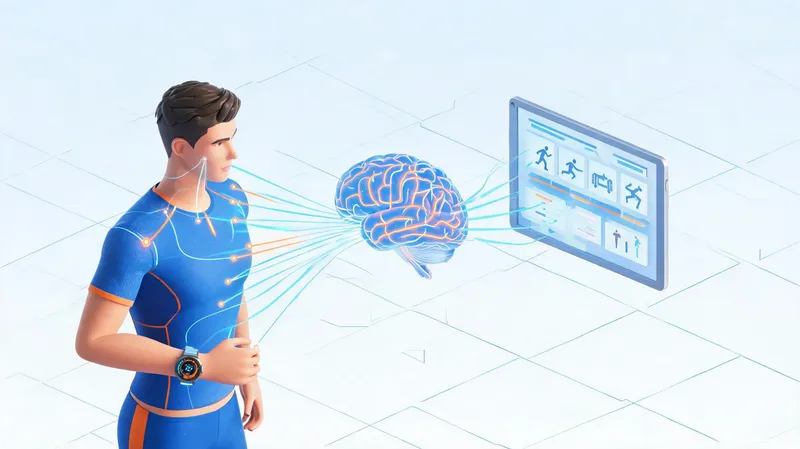
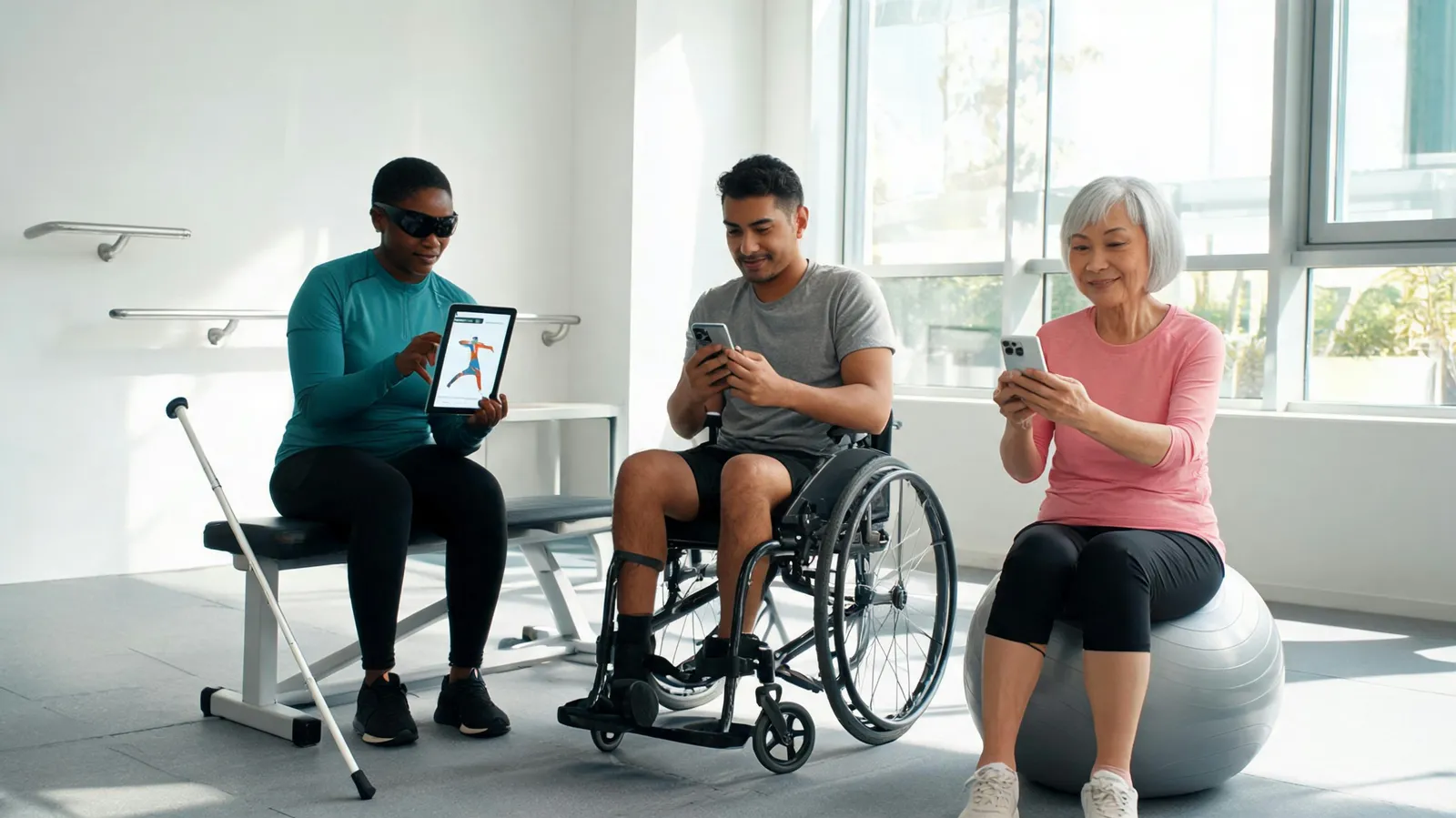
Traditional exercise routines often leave out people with disabilities, chronic conditions, or restricted mobility. AI workout plans are starting to change that by offering adaptive exercises that can be adjusted to individual needs. For instance, Adaptive Fitness AI tailors workouts for wheelchair users, individuals with arthritis, and those in injury recovery. The CDC reports that about 1 in 4 U.S. adults has a disability, but only half meet recommended physical activity levels. AI can help close this gap with routines that are personalized, safe, and effective.
Accessibility features such as simple interfaces and voice guidance are also making fitness easier to use for people with visual or motor impairments. Apps like Seeing AI and Voice Fitness employ screen readers and voice commands to walk users through exercises. Findings published in the Journal of Medical Internet Research indicate that these features can meaningfully boost usability and adherence across diverse users. When inclusivity is built in from the start, AI workout plans help ensure that no one is left out.
Affordable AI Fitness for Underserved Communities
Gym memberships, personal trainers, and equipment are out of reach for many low-income individuals. AI workout plans offer a different path: they need only a smartphone, which is now common even in lower-income areas. Pew Research data show that 97% of U.S. adults own a cellphone and 85% own a smartphone. Free or low-cost AI fitness apps such as FitOn and Nike Training Club deliver personalized workouts without costly gear.
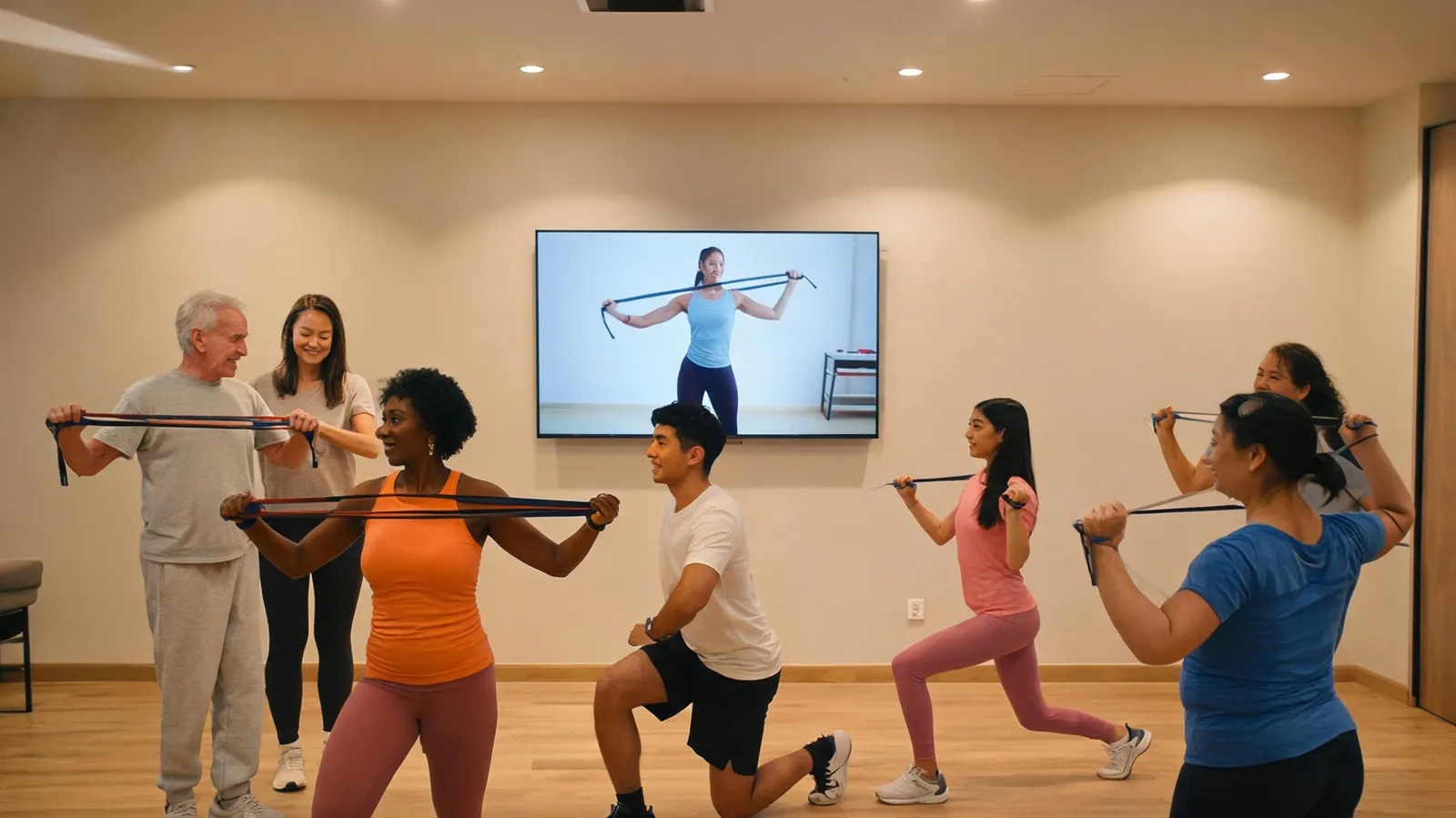
Community-based AI fitness programs are also appearing. In New York, the Bronx Community Center uses AI to run group workouts on a large screen, with participants using resistance bands and bodyweight exercises. This approach costs far less than a traditional gym membership and also builds social support. A study in the American Journal of Public Health found that such community programs raised physical activity levels by 30% among participants.
Language and Culture: AI Coaching That Fits Users’ Lives
Language and culture can be major obstacles to sticking with a fitness routine. AI workout plans that provide instructions in multiple languages and take cultural preferences into account can greatly improve engagement. Apps like MyFitnessPal and Lose It! now offer support for Spanish, Mandarin, and other languages. Research in the Journal of Health Communication suggests that culturally relevant content can increase motivation and retention.
Adding culturally specific exercises and music is another important step. For example, Zumba and BollyX have used AI to adapt workouts that include traditional dances, turning exercise into something that feels like a celebration rather than a chore. User testimonials point to greater enjoyment and consistency. By communicating in the user's language—both literally and culturally—AI fitness can become more than a tool; it can be a partner in health.
Conclusion: Toward a More Inclusive Fitness Future
AI workout plans are more than a technological novelty; they offer a route to health equity. By designing for accessibility, affordability, and cultural relevance, we can help ensure that everyone—regardless of ability, income, or background—has the chance to lead an active life. The future of fitness is inclusive, and AI is helping to lead the way.