Open Source or Commercial? A Four-Part Guide for Engineering Leaders in 2026
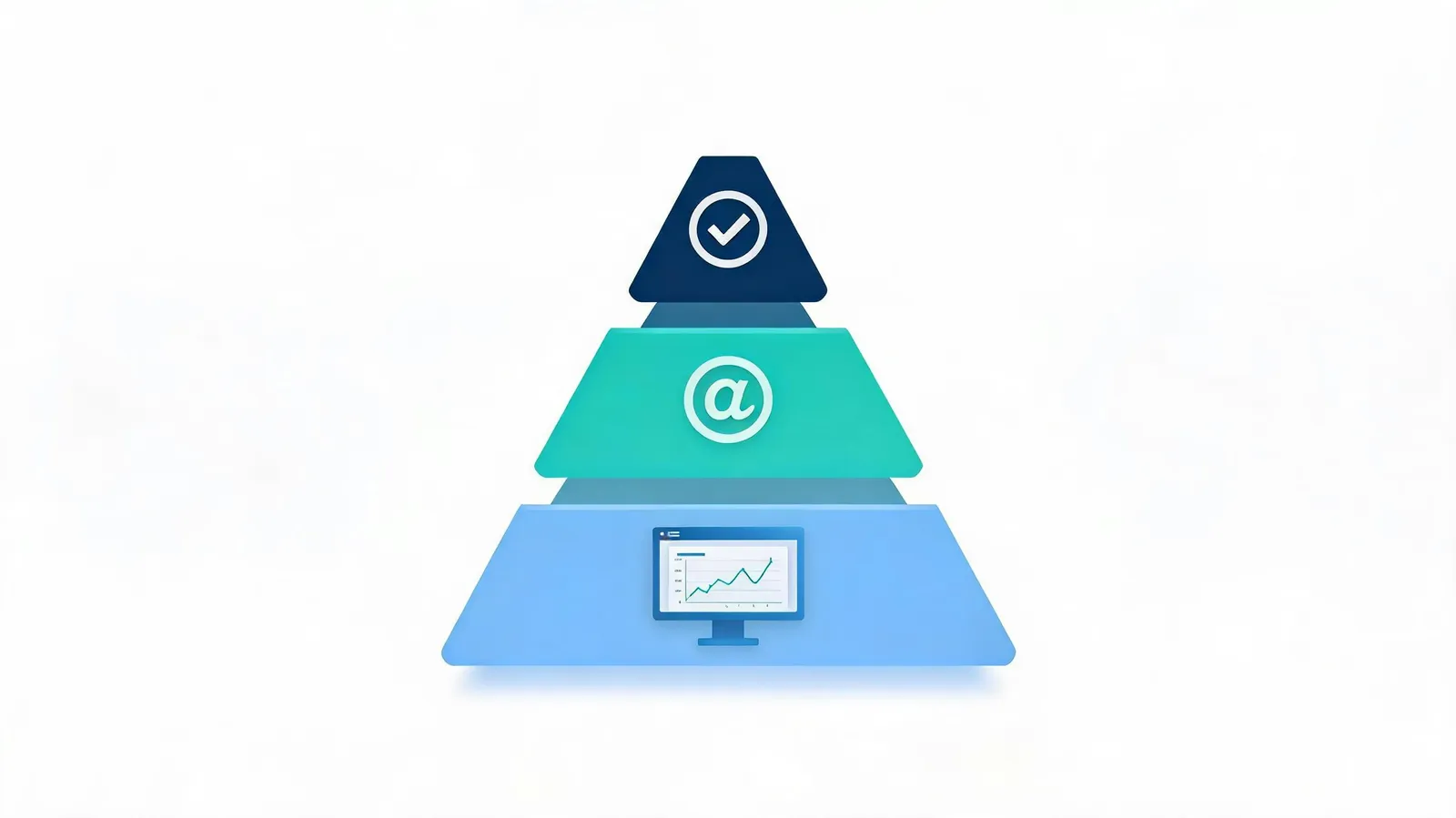
Engineering leaders today confront a difficult trade-off: open-source tools offer power and flexibility, while commercial suites promise polish and predictability. The choice has lasting consequences for maintenance, legal exposure, team output, and spending. This guide examines four key dimensions—feature parity, licensing, support quality, and migration costs—to assist decision-makers in 2026.
1. Feature Parity and Long-Term Viability: Can Open Source Keep Pace?
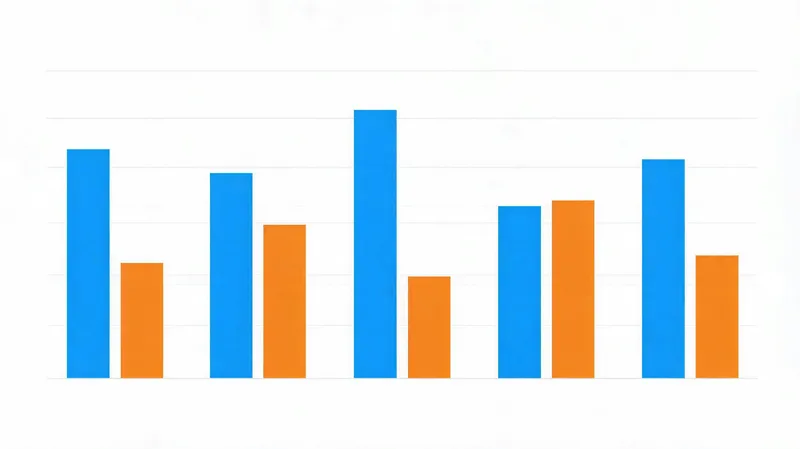
In many areas, open-source projects such as VS Code, PostgreSQL, and Kubernetes have matched their commercial rivals. VS Code, for example, now competes with JetBrains IDEs on core editing features, and PostgreSQL covers advanced SQL capabilities comparable to Oracle. Yet commercial tools often excel in niche areas like AI-assisted coding (GitHub Copilot) and enterprise security scanning (Snyk, Checkmarx).
Long-term maintenance remains a major worry. Sustainability hinges on community health indicators—commit frequency, number of contributors, and release cadence. Projects like TensorFlow and React have large, active contributor bases; others, such as AngularJS, have been abandoned. Paid open-source models (e.g., Elastic, MongoDB) further complicate the picture, offering enterprise features under proprietary licenses and blurring the boundary between free and commercial.
2. Licensing, Compliance, and Legal Risk: The Hidden Price of 'Free'

Open-source licenses span from permissive (MIT, Apache 2.0) to copyleft (GPL, AGPL). Permissive licenses permit proprietary use with few obligations, whereas copyleft requires derivative works to be open-sourced. Compliance missteps can trigger litigation: in 2024, a major US tech firm paid $5 million to settle GPL violations in embedded systems.
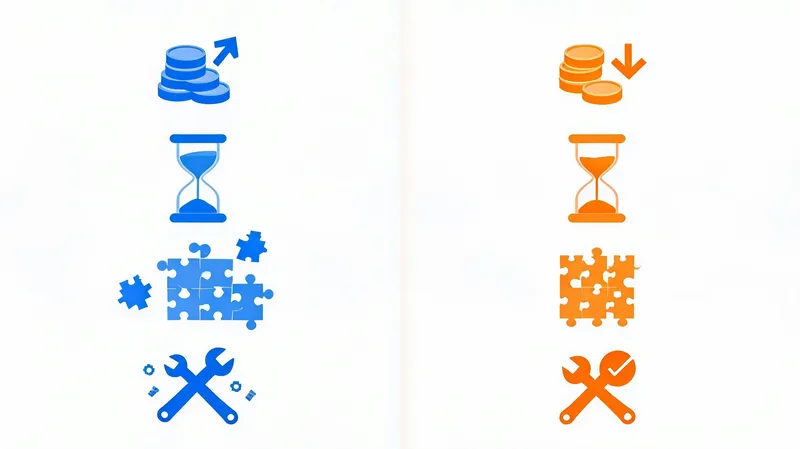
Commercial licenses usually provide indemnification against intellectual property claims, transferring legal risk to the vendor. But they also carry audit rights and usage restrictions. For open-source stacks, compliance audits and legal reviews can increase total cost of ownership by 10–20%.
3. Community Support vs. Vendor Support: Who Will Help When It Matters?
Community support—forums, Discord, Stack Overflow—delivers quick, peer-to-peer help. Popular projects like React and Django often see average response times under 2 hours, though niche issues can languish for days. Complex, enterprise-specific problems may fall into knowledge gaps.
Commercial support plans offer service-level agreements (e.g., 1-hour response for critical issues), dedicated engineers, and escalation paths. Case studies indicate vendors can resolve critical incidents in hours, compared with days for community-only support. Yet enterprise-tier paid support can run $50,000–$200,000 per year.
4. Migration Costs and Exit Plans: Steering Clear of Vendor Lock-In
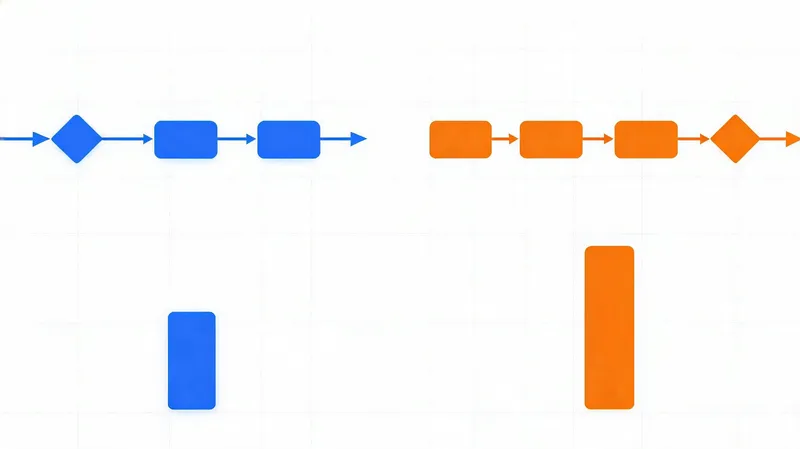
Switching development tools brings direct costs (licensing, training, re-implementation) and hidden costs (downtime, lost productivity). Moving a CI/CD pipeline from Jenkins to GitHub Actions, for instance, can take a mid-sized team 3–6 months, with productivity dropping 20–30% during the transition.
Exit strategies rest on interoperability and open standards. Tools with robust import/export features (e.g., Terraform, Kubernetes) reduce lock-in, while proprietary formats (e.g., some low-code platforms) create high switching costs. Successful migrations often use hybrid approaches, such as an open-source core paired with commercial plugins.
Conclusion: A Decision Framework for 2026
The choice between open-source and commercial development tools is not either-or. Weigh feature parity, licensing risk, support needs, and migration costs against your team's size, compliance obligations, and budget. Hybrid models—open-core, dual licensing, and managed open-source—provide balanced options. As AI-assisted tooling and open-core models evolve, the boundaries will blur further, making ongoing evaluation essential.