Rethinking Software Quality: Automation, Flaky Tests, and AI in the Modern Delivery Pipeline
Shipping software every day is now routine, but about 30% of test failures are flaky tests—non-deterministic results that burn engineering time and weaken trust in the pipeline. Manual and scripted testing approaches struggle to match microservices, continuous delivery, and rising code complexity. Advanced test automation and quality engineering tools—flaky test detection, AI-generated test cases, and shift-left strategies among them—can help teams reach higher quality, faster feedback, and more dependable releases.
1. Detecting and Remediating Flaky Tests: Rebuilding Confidence in the Suite
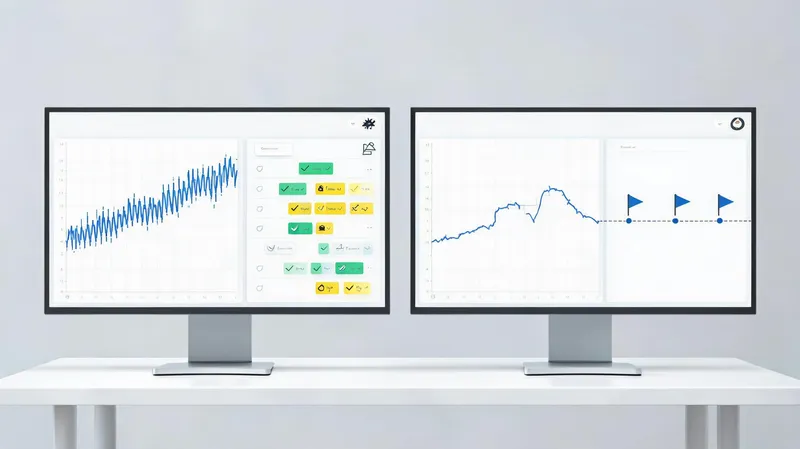
Flaky tests fail non-deterministically, typically because of concurrency, timing, or environmental issues. They waste developer time and undermine confidence in test results. Statistics show that 15-30% of test failures in CI are flaky. A fintech company reduced flaky tests by 80% using automated detection tools. Automated detection tools like pytest-flaky, JUnit's @Retry, and commercial solutions such as Launchable and Trunk help identify flaky tests. Best practices include quarantine, retry logic, and root cause analysis via logging and tracing.
Remediation follows a clear sequence: first detect flaky tests with specialized tooling, then quarantine them so they do not disrupt the pipeline, and finally perform root cause analysis. Retry logic can provide temporary relief, but permanent fixes require addressing the underlying concurrency or environmental issues. By restoring trust in the test suite, teams can rely on automated feedback to catch real defects early.
2. AI-Generated Test Cases: Balancing Coverage and Quality

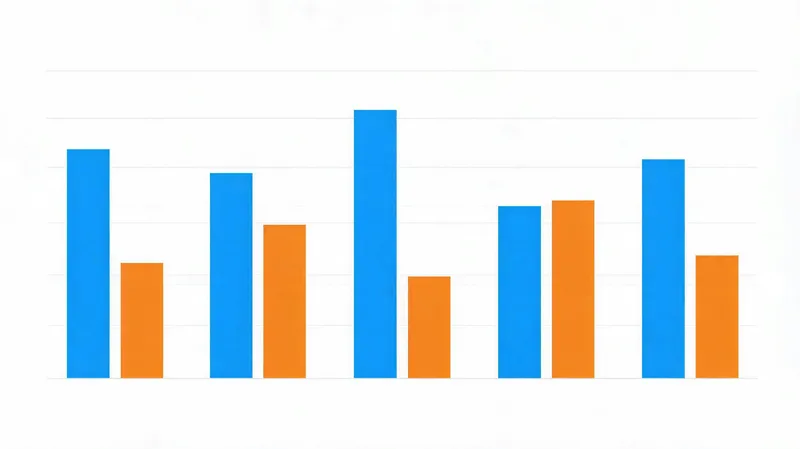
AI techniques for test generation include fuzzing, mutation testing, and large language models. Examples include GitHub Copilot for test writing, Diffblue Cover for Java, and AI-based fuzzers like OSS-Fuzz. Data indicates that AI-generated tests can increase branch coverage by 20-40% but may introduce redundant or low-value tests. Ensuring quality requires validation, prioritization, and human-in-the-loop strategies. Mutation testing evaluates test effectiveness, coverage-guided generation targets critical paths, and manual review of AI outputs ensures relevance. An e-commerce platform used AI to generate edge-case tests, reducing production bugs by 35%.
Big coverage gains from AI still demand careful quality control. Redundant tests add maintenance overhead and slow down CI pipelines. By combining AI generation with mutation testing and human oversight, teams can achieve a balance where coverage gains translate into real defect detection without sacrificing maintainability.
3. Shift-Left Testing in Microservices Architectures: Early Detection for Complex Systems
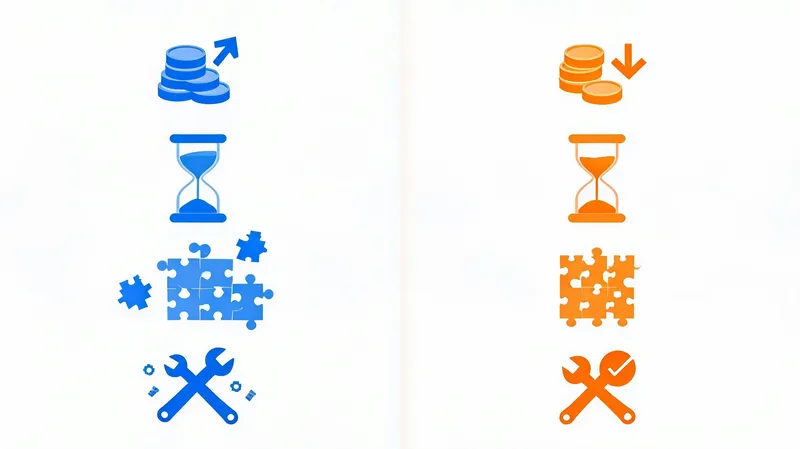
Shift-left testing means testing earlier, often, and throughout the development lifecycle. Benefits include reduced cost of defects (up to 100x cheaper to fix early) and faster feedback loops. Practices include test-driven development (TDD), contract testing, and static analysis. Implementing shift-left in microservices presents challenges such as service dependencies, data consistency, and environment parity. Tools like Pact for contract testing, Testcontainers for integration testing, and CI pipelines with parallel test execution enable effective shift-left. A SaaS company reduced integration bugs by 60% with shift-left and contract testing.
In microservices architectures, shift-left requires a cultural shift and the right tooling. Contract testing ensures that services can communicate without full integration environments. Testcontainers provide lightweight, disposable instances of databases and message brokers for integration tests. By moving testing earlier, teams catch defects before they reach production, reducing the cost and effort of fixes.
Conclusion
Flaky test detection, AI-generated test cases, and shift-left testing are pillars of modern quality engineering. These approaches enable faster releases, higher reliability, and better resource allocation, directly impacting business success. The future outlook includes the integration of AI and machine learning for predictive test selection, self-healing test suites, and autonomous quality assurance. By embracing these testing automation tools and strategies, engineering teams can stay ahead in the rapidly evolving landscape of software quality.