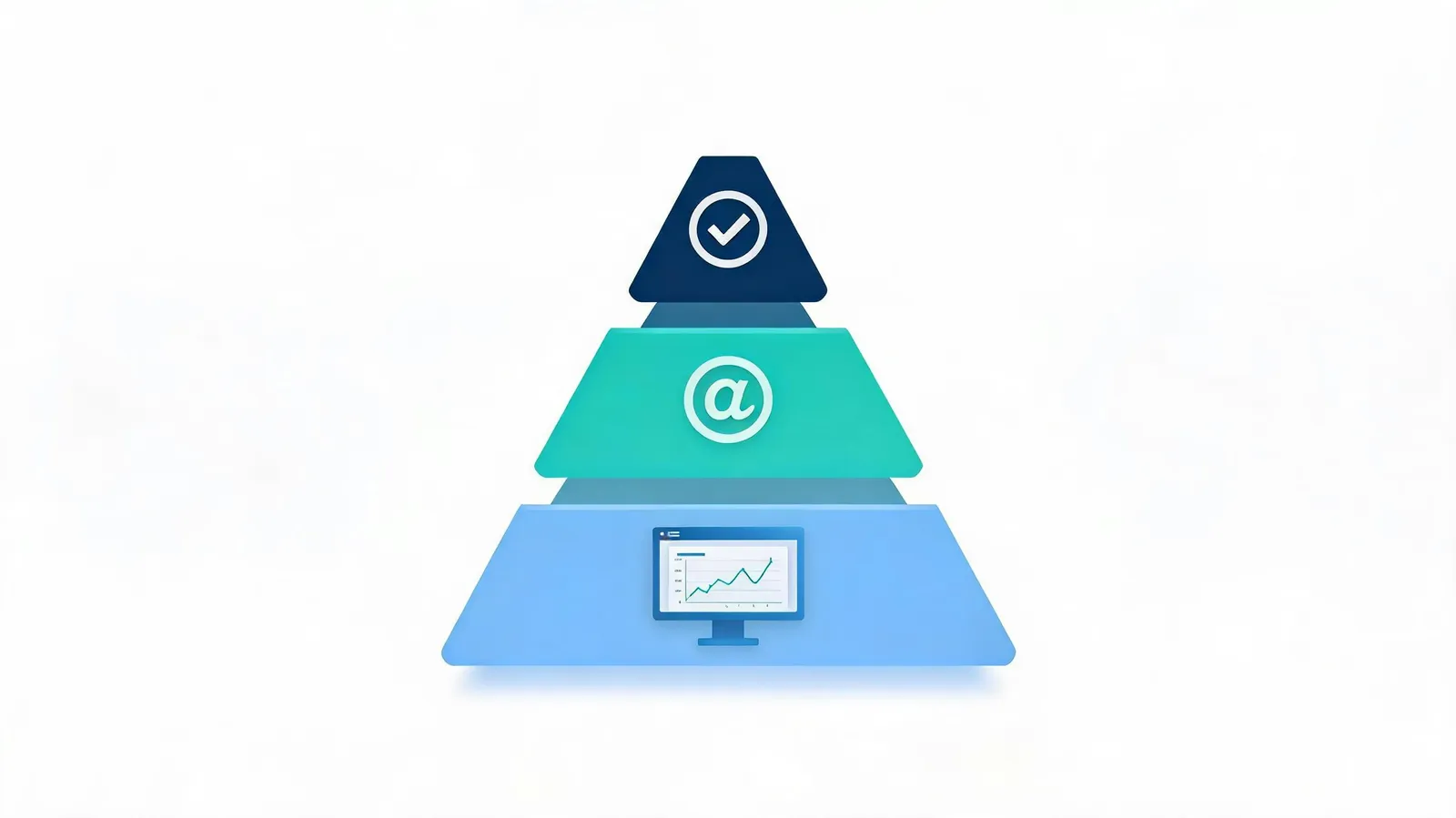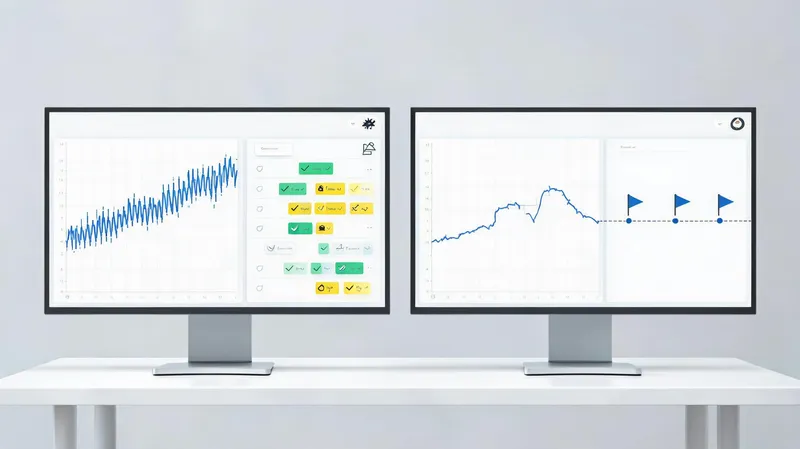
Cloud-native environments keep expanding, and with them the number of tools developers must juggle. That sprawl raises cognitive load, which in turn can slow delivery and innovation. Platform engineering has become a common strategic answer: self-service internal developer portals (IDPs) that hide infrastructure complexity and offer paved, opinionated workflows known as golden paths. The decisions that matter most are whether to build or buy an IDP, how to shape golden paths that actually work, and how to measure a platform team's ROI so the work stays tied to business goals.
Backstage and Its Alternatives: Build or Buy?
Anyone implementing an internal developer portal faces a fork in the road: construct a custom system, frequently on Backstage, or bring in a commercial or open-source alternative. Flexibility, cost, and speed to value all shift with that choice.
The Backstage Route
Spotify created Backstage and later open-sourced it; it supplies a framework for assembling a bespoke developer portal. Its plugin ecosystem is extensive, which makes integration with existing tools and workflows possible. Going the Backstage way permits deep customization so the portal fits an organization's particular needs. The trade-off is meaningful engineering overhead. Keeping the portal running, writing plugins, and ensuring it scales all demand dedicated platform team effort. Total cost of ownership can run high, and as complexity grows, some companies later move to managed solutions.
Managed and Commercial IDPs
Vendors such as Port, Cortex, and OpsLevel sell commercial IDPs that shorten time to value, backed by support and pre-built integrations. They lighten the maintenance load and ship features out of the box, including service catalogs, scorecards, and self-service actions. Customization, however, may be constrained, and vendor lock-in is a real risk. Adoption trends point to growing interest in managed offerings, particularly among teams that lack dedicated platform engineering staff. Satisfaction tends to be high, largely because operational overhead drops.
Golden Paths and Self-Service Infrastructure
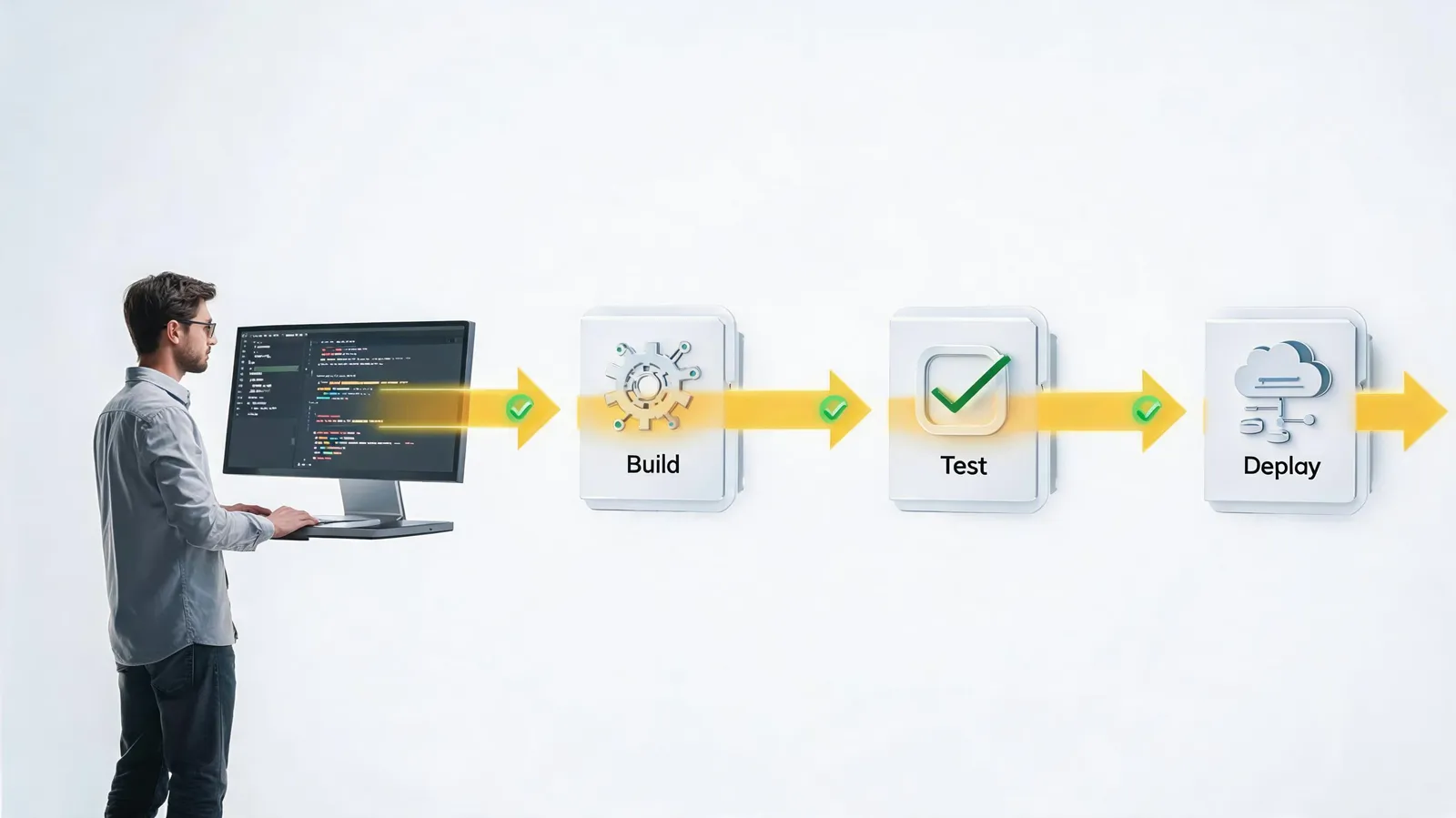
Golden paths are automated and opinionated workflows that walk developers through the software delivery lifecycle, from code to production. They embed best practices, security policies, and compliance requirements, so self-service can coexist with governance.
What Golden Paths Are and Why They Help
Typical golden paths bundle standardized templates, CI/CD pipelines, and infrastructure as code modules. Tech leaders such as Netflix and Spotify have adopted golden paths to shorten onboarding and raise deployment frequency. Metrics indicate that teams on golden paths see faster lead times and fewer failures, since they are not reinventing the wheel.
Delivering Self-Service Infrastructure
Self-service infrastructure rests on guardrails, policy as code, and attention to developer experience. Declarative provisioning is possible with tools such as Crossplane, Terraform, and Kubernetes operators. Among the best practices: balance autonomy against compliance, keep documentation clear, and iterate on developer feedback. The aim is to make the right way the easy way.
Measuring Platform Team ROI
Justifying resources and showing business value requires quantifying the return on investment from a platform engineering team and its IDP. Both technical and business metrics deserve tracking.
DORA Metrics and More
The DORA metrics, namely deployment frequency, lead time for changes, mean time to recovery (MTTR), and change failure rate, are the standard yardstick for software delivery performance. Platform engineering should move these numbers by removing friction. Case studies describe organizations with mature IDPs reaching higher deployment frequency and lower change failure rates. Before-and-after data can make the impact of platform initiatives visible.
ROI at the Business Level
Business-level ROI extends past DORA to developer productivity, cost savings, and time to market. Calculating cost per deployment and developer onboarding time helps translate technical gains into financial terms. ROI dashboards and executive reporting can convey that value to leadership and help secure continued investment.
Conclusion
Platform engineering is a strategic investment, and it hinges on careful choices: build versus buy, golden paths designed for self-service, and rigorous ROI measurement. Whether adopting a managed IDP or building deliberately on Backstage, organizations can lower developer cognitive load. Golden paths make scalable self-service possible within governance. Tracking DORA and business metrics demonstrates the value of platform teams. As IDPs evolve alongside AI and the platform-as-a-product approach, attention to developer experience will remain a competitive advantage.