The Convergence of Two Health Crises and the Role of AI
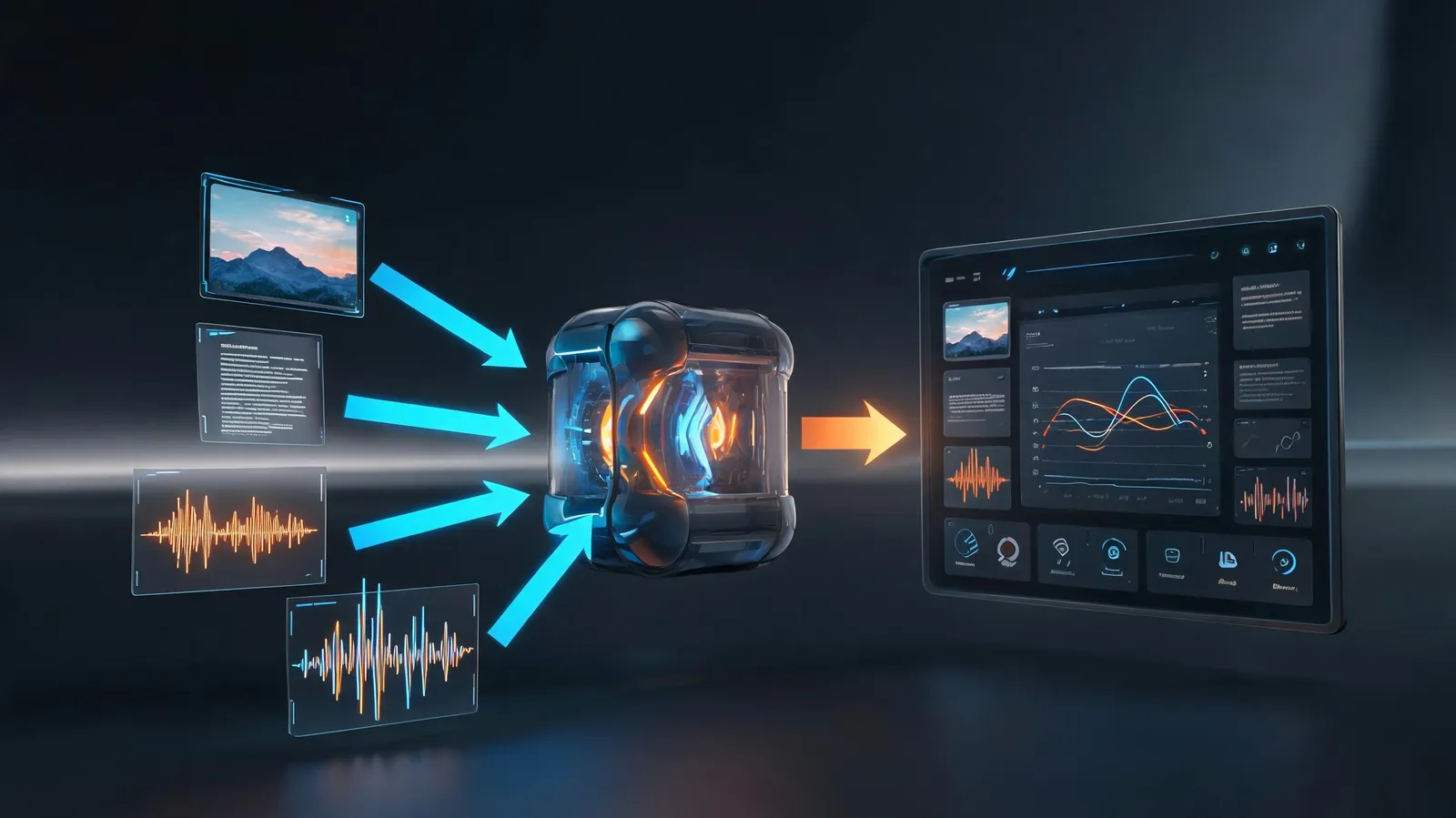
The United States is grappling with two intertwined health challenges: a surge in mental health conditions and a decline in physical activity. Data from the CDC indicates that almost half of all Americans will confront a mental health disorder at some point, while merely 25% of adults achieve recommended physical activity levels. Conventional approaches—such as therapy, structured fitness regimens, and self-help resources—often face hurdles related to access, expense, and sustained participation. Artificial intelligence, particularly through conversational agents and gamified elements, is being positioned as a scalable and tailored means to foster behavior change across both mental and physical health domains. Nonetheless, the growing dependence on AI brings psychological hazards that warrant attention. This exploration delves into AI's potential to transform mental health and fitness, and how to reconcile its benefits with its downsides.
Conversational AI as a Fitness Motivator
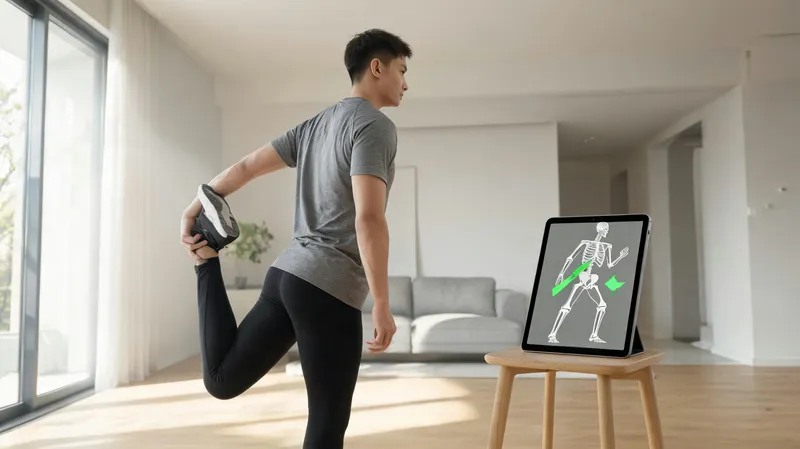
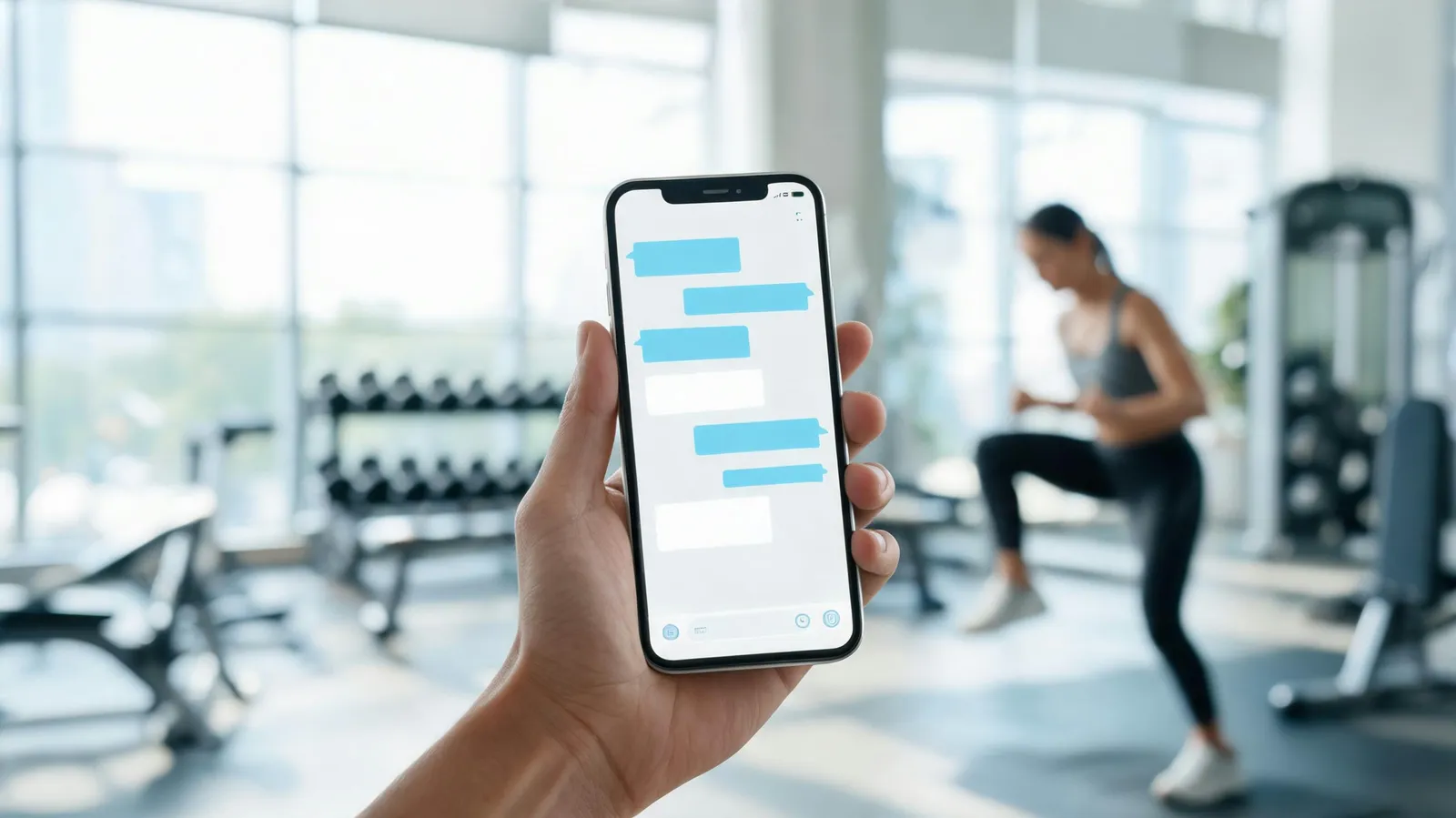
Chatbots and virtual coaches are reshaping fitness motivation by delivering real-time, personalized guidance and emotional reinforcement. Leveraging natural language processing, these systems tailor workout plans, offer motivational prompts, and conduct check-ins, fostering accountability that conventional apps may lack.
Evidence points to AI chatbots' capacity to boost physical activity. A 2023 study published in the Journal of Medical Internet Research revealed that participants engaging with an AI fitness coach raised their daily step counts by 27% relative to a control group. The chatbot customized encouragement based on user input—for example, proposing a brief walk when a user expressed stress. Similarly, the “FitBot” pilot adjusted exercise intensity in real time according to user feedback, leading to a 40% decrease in dropout rates over 12 weeks.
Emotional support is another benefit. Conversational agents can emulate empathy, providing encouragement during periods of low motivation. A case study of a corporate wellness initiative using an AI chatbot found that weekly conversational check-ins cut participant dropout by 35%. Users felt “heard” and “accountable” to the bot, even with the knowledge that it was not human. This indicates that AI can offer scalable companionship that helps maintain engagement in fitness routines.
Gamification with AI for Long-Term Exercise Adherence
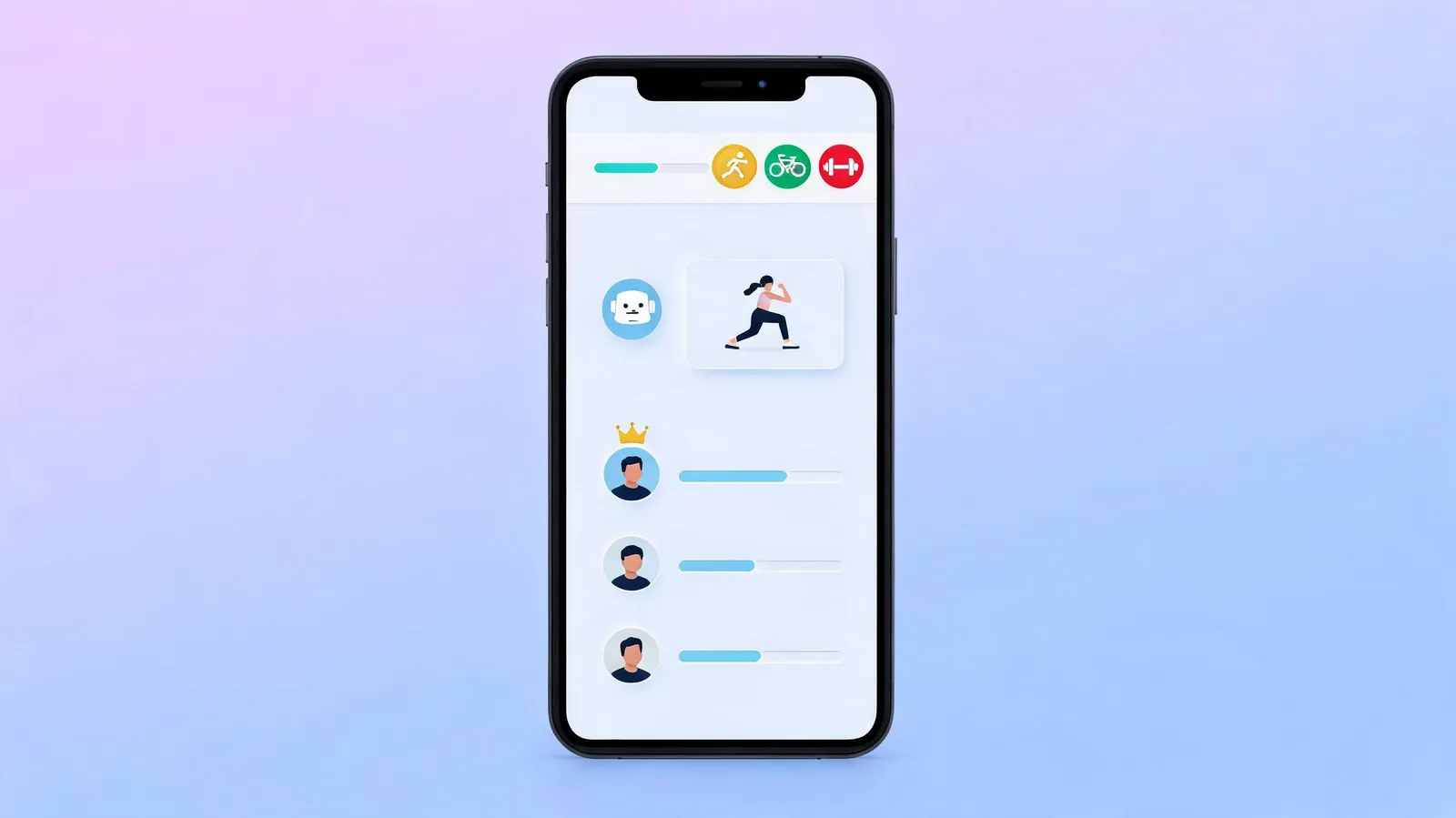
Gamification—incorporating game mechanics like points, badges, and leaderboards—is an established method for enhancing exercise adherence. Integrated with AI, it becomes dynamically personalized, adjusting challenges and rewards to individual skill levels and preferences. This combination tackles the boredom and plateaus that frequently undermine long-term fitness objectives.
AI-driven dynamic difficulty adjustment is particularly impactful. Research on gamification in fitness apps suggests that adherence can rise by up to 30% when game elements are customized to the user. For example, an AI system can examine performance data and modify challenge difficulty—increasing it as users progress or reducing it after setbacks—to sustain engagement. A study in the Journal of Medical Internet Research found that AI-personalized gamification resulted in a 22% higher retention rate at six months compared to static gamification.
Social gamification with AI-powered leaderboards and challenges further boosts motivation. AI can create personalized challenges that pair users with similar fitness levels, promoting healthy competition. A case study of a fitness app employing AI-generated weekly challenges reported a 45% increase in weekly active users. The AI also facilitated “team challenges” that encouraged social support, with participants reporting greater enjoyment and commitment. By harnessing social comparison and AI personalization, gamification becomes a potent tool for sustained adherence.
Embedding Mental Health Support in Fitness Apps
Fitness apps are progressively incorporating mental health support, acknowledging the reciprocal relationship between physical activity and psychological well-being. AI can enable mood tracking, personalized coping strategies, and even crisis referral, fostering a holistic health approach.
AI-driven mood tracking and personalized coping strategies are leading this trend. Apps like “MindFit” merge cognitive behavioral therapy (CBT) with fitness tracking, using AI to identify patterns linking exercise and mood. For instance, if a user records a low mood and has not exercised recently, the AI recommends a short walk or a breathing exercise. Evidence from a randomized controlled trial showed that users of such integrated apps experienced a 30% greater reduction in anxiety symptoms compared to fitness-only apps. AI can also detect early signs of burnout by analyzing shifts in activity patterns and mood logs, prompting users to take rest days or seek professional help.
Conversational agents for emotional support and crisis referral are also gaining traction. A study on chatbot effectiveness for anxiety found that users who interacted with an AI chatbot for 10 minutes daily reported a 25% reduction in anxiety scores after four weeks. In crisis situations, AI can direct users to helplines or emergency services. For example, the “WellnessBot” integrates with the National Suicide Prevention Lifeline, offering immediate resources when keywords indicating distress are detected. This integration ensures that AI serves as a bridge to human care, not a replacement.
The Dangers of Over-Reliance on AI for Mental Well-Being
Although AI holds great promise, excessive dependence on it for mental health support carries notable risks. Depersonalization and diminished human connection are primary concerns. Research highlights the significance of human empathy in therapeutic relationships; a survey by the American Psychological Association found that 68% of users worry about AI replacing human therapists. AI, regardless of its sophistication, cannot replicate the nuanced understanding and genuine empathy of a human. Over-dependence on chatbots may lead to social isolation and a false sense of connection.
Data privacy and algorithmic bias are also critical risks. AI mental health apps collect sensitive data, and breaches can have severe consequences. Examples of biased AI in mental health include algorithms that underdiagnose depression in minority populations due to training data bias. Regulatory guidelines, such as those from the FDA and FTC, are evolving to address these issues, but enforcement lags behind innovation. Users must be aware of these risks and advocate for transparent, ethical AI practices.
Conclusion: Balancing Promise and Peril
AI-powered conversational agents and gamification are revolutionizing mental health and behavior change by providing scalable, personalized support for fitness and psychological well-being. From AI fitness coaches that boost step counts to gamified apps that sustain adherence, the evidence is compelling. However, over-reliance on AI poses risks—depersonalization, data privacy, and bias—that must be managed through ethical guidelines and hybrid human-AI models. The future lies in integrating AI as a tool to augment, not replace, human care. By striking this balance, we can harness the power of AI to create a healthier, more connected society.