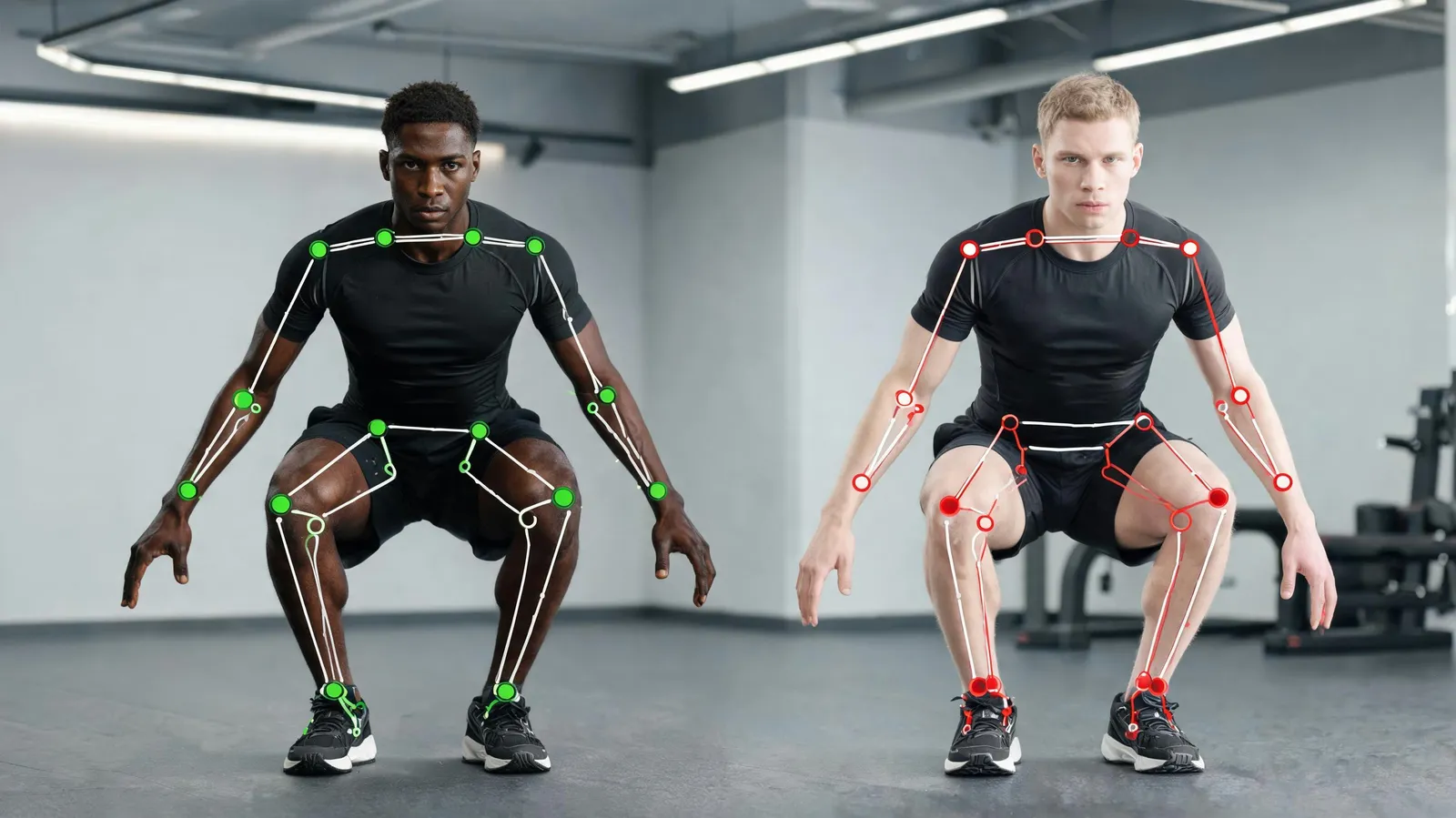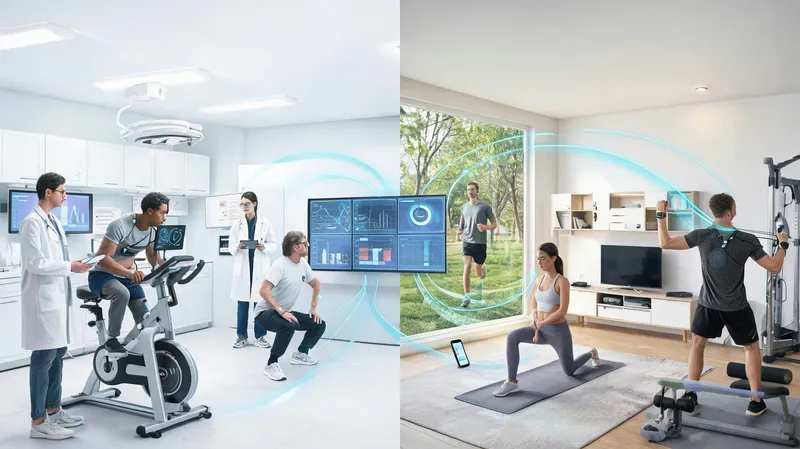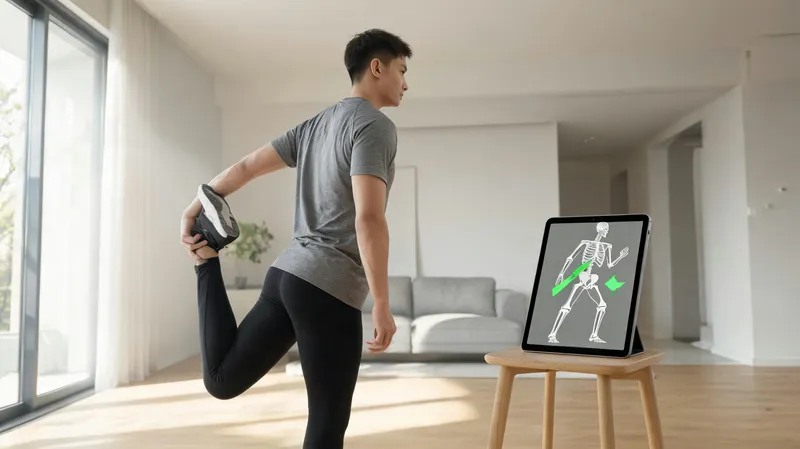
The fitness technology sector is expanding quickly, and AI-enabled products promise highly individualized health support. Even so, large numbers of people remain outside this market because of expense, cultural mismatch, and gaps in digital skills. This article looks at the access divide in fitness tech and at approaches that could make participation more equitable.
Cost as a Barrier: Who Can Realistically Use AI Fitness Products?
Substantial subscription fees and hardware requirements shut out lower-income users. A premium fitness app subscription, for instance, may run $30 a month—close to four hours of work at the federal minimum wage of $7.25. Smartwatches and similar wearables frequently cost more than $200, adding an often-overlooked expense. Community fitness efforts built on free or inexpensive options—park-based workouts and donated equipment among them—demonstrate that lower-cost paths exist, though they cannot scale broadly without support.
Ownership figures for wearables show a pronounced income divide: among adults earning under $30,000, just 12% own a smartwatch, while the share reaches 45% among those earning more than $75,000. Nonprofit device-lending programs and other subsidized fitness tech efforts represent a promising approach, but their reach remains limited.
Cultural Fit and Inclusion: Building Fitness Tech for Varied Bodies and Communities
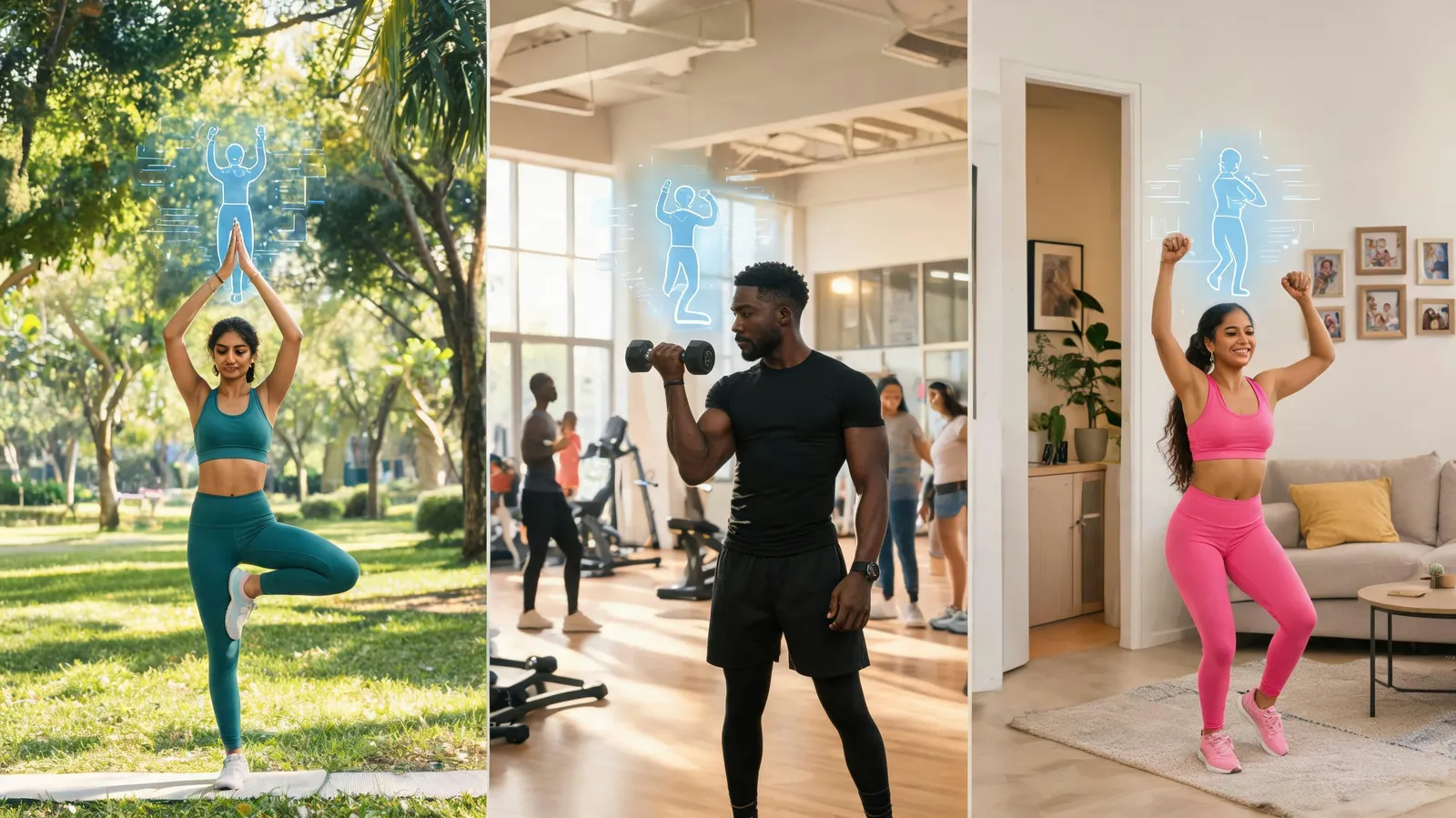
Underrepresentation in AI-generated workout plans and imagery poses a major obstacle. Research indicates that fitness algorithms commonly assume Eurocentric body standards and high-intensity routines, which can leave users from varied backgrounds feeling excluded. Platforms that accommodate cultural preferences—offering modifications for religious dress or culturally familiar music, for example—tend to see stronger engagement. One fitness app tailored to South Asian women, for instance, recorded a 40% gain in retention after workouts incorporated Bollywood dance and Hindi language options.
Culturally relevant content matters greatly for engagement and sustained participation. When users recognize themselves in fitness content, they are more inclined to continue with programs and work toward health goals.
Older Adults: Digital Skills and Adoption Hurdles
Older adults face obstacles from complicated interfaces and a shortage of digital skills training. Survey findings indicate that 26% of adults over 65 feel confident using fitness apps, versus 68% of younger adults. Simplified interfaces—apps with large buttons and voice-guided sessions, for example—are intended to narrow this gap. Community programs and family involvement matter a great deal: case studies of digital literacy workshops for seniors indicate that participants are three times as likely to keep using fitness tech after training.
Accounts from older adults who took up fitness tech with support illustrate the difference it can make: "I never thought I could exercise with a tablet, but my granddaughter showed me how, and now I do yoga every morning," says one 72-year-old user.
Policy Levers for Narrowing Health Disparities in Fitness Tech
Subsidies and public funding for digital health tools in underserved communities are a key piece of the solution. Government efforts such as the Digital Health Equity Initiative supply fitness tech to low-income areas and have been linked to a 15% improvement in physical activity levels among participants. Rules guaranteeing algorithmic fairness and data privacy also matter. Proposed AI fairness legislation, such as the Algorithmic Accountability Act, would require audits for bias in health apps. A case study of a policy mandating inclusive design in health apps produced a 30% rise in usage among minority populations.
Policy can serve as a link between technology and communities, helping ensure that fitness tech's benefits are distributed more fairly.
Conclusion
Access to fitness tech is a multifaceted problem that calls for coordinated action. Affordability, cultural inclusion, digital literacy, and policy are intertwined barriers and remedies alike. Equitable fitness tech matters for reducing health disparities and supporting well-being overall. Stakeholders need to prioritize inclusive design, community partnerships, and evidence-based policy to narrow the gap. The future of fitness tech rests on making sure no one is left behind.