AI-Powered Virtual Group Workouts: Creating Connection Without Walls
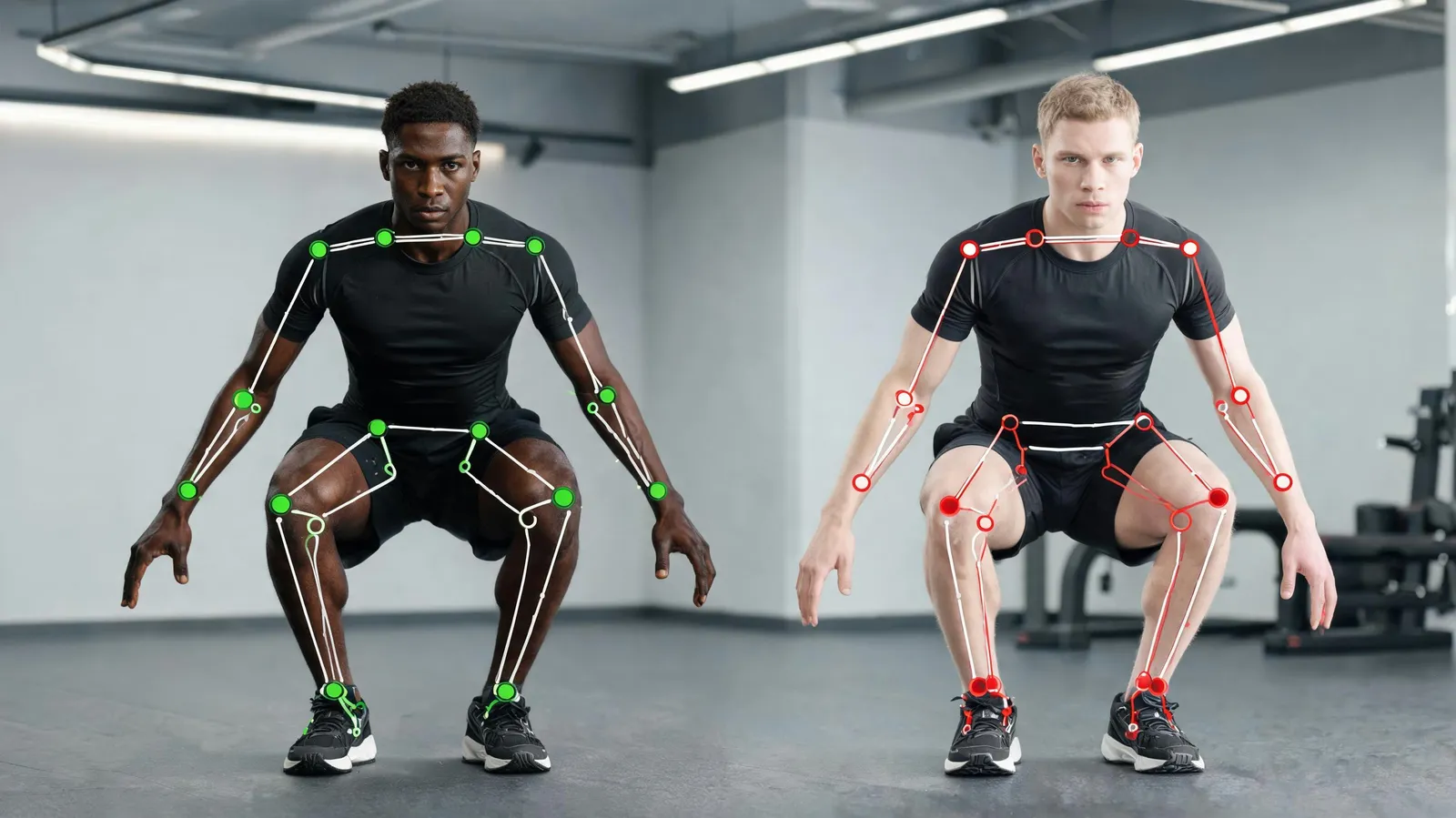
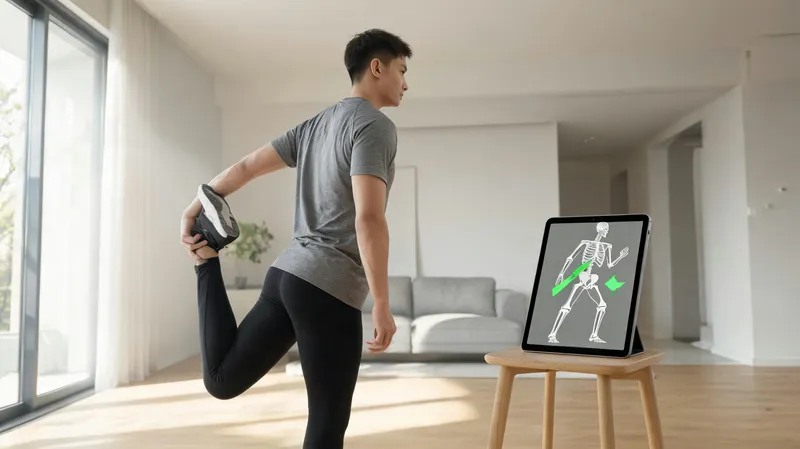
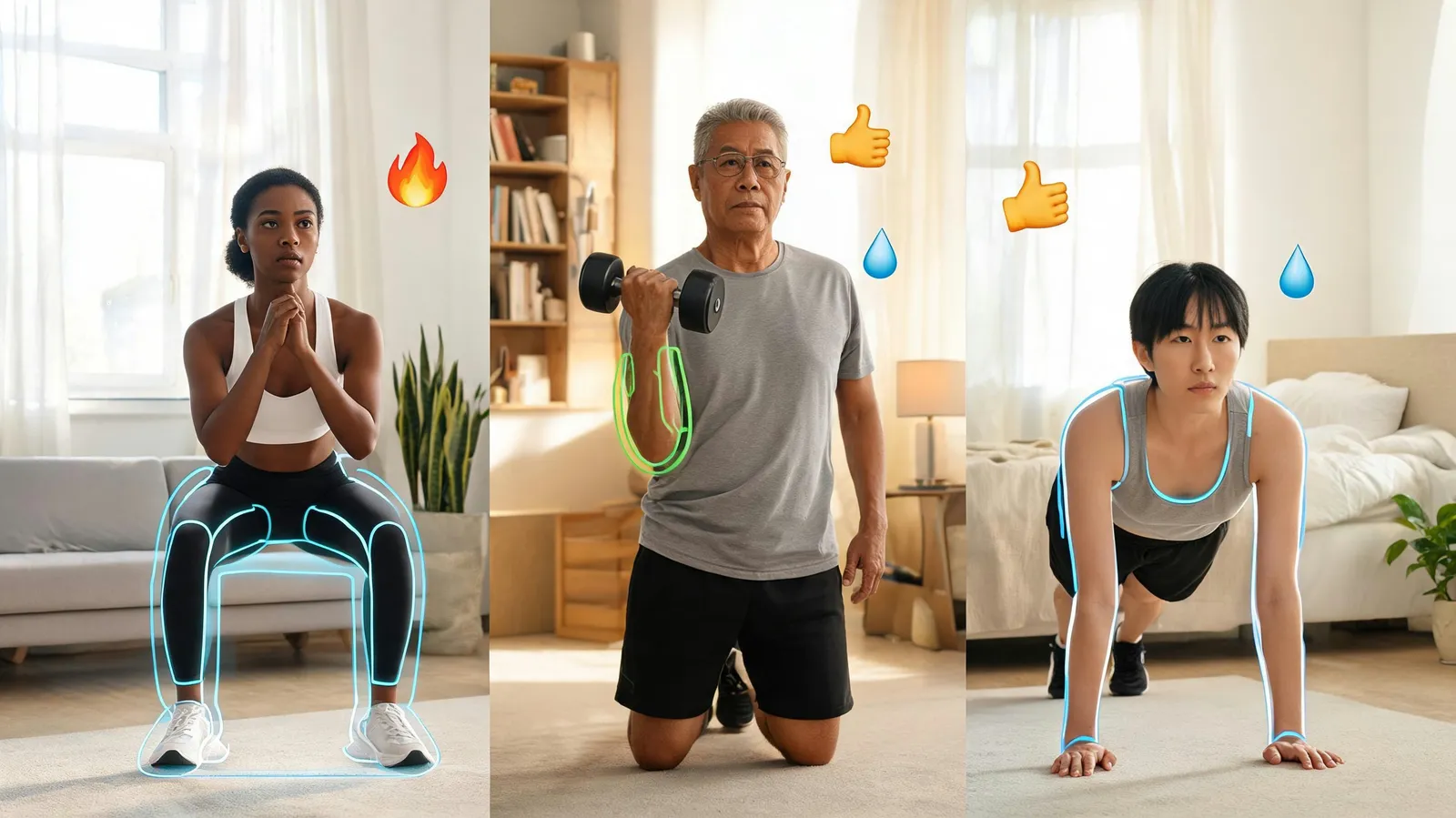
Virtual group workouts have surged in popularity, but early platforms often resembled solo training with a chat window. AI is changing this by facilitating real-time, interactive experiences that cultivate genuine connection. For instance, AI-enabled mirrors and apps can use camera input to analyze your form and offer instant corrections during live sessions. This not only lowers injury risk but also keeps you engaged—one study found that AI form correction reduced injury rates by 25% and boosted class completion by 18%. Beyond form analysis, AI powers community features such as workout buddy matching, team challenges, and virtual high-fives. A leading platform reported a 30% rise in retention after introducing AI-matched accountability partners. These features foster a sense of belonging that encourages users to return.
Social Comparison and AI-Driven Leaderboards: Harnessing Healthy Competition
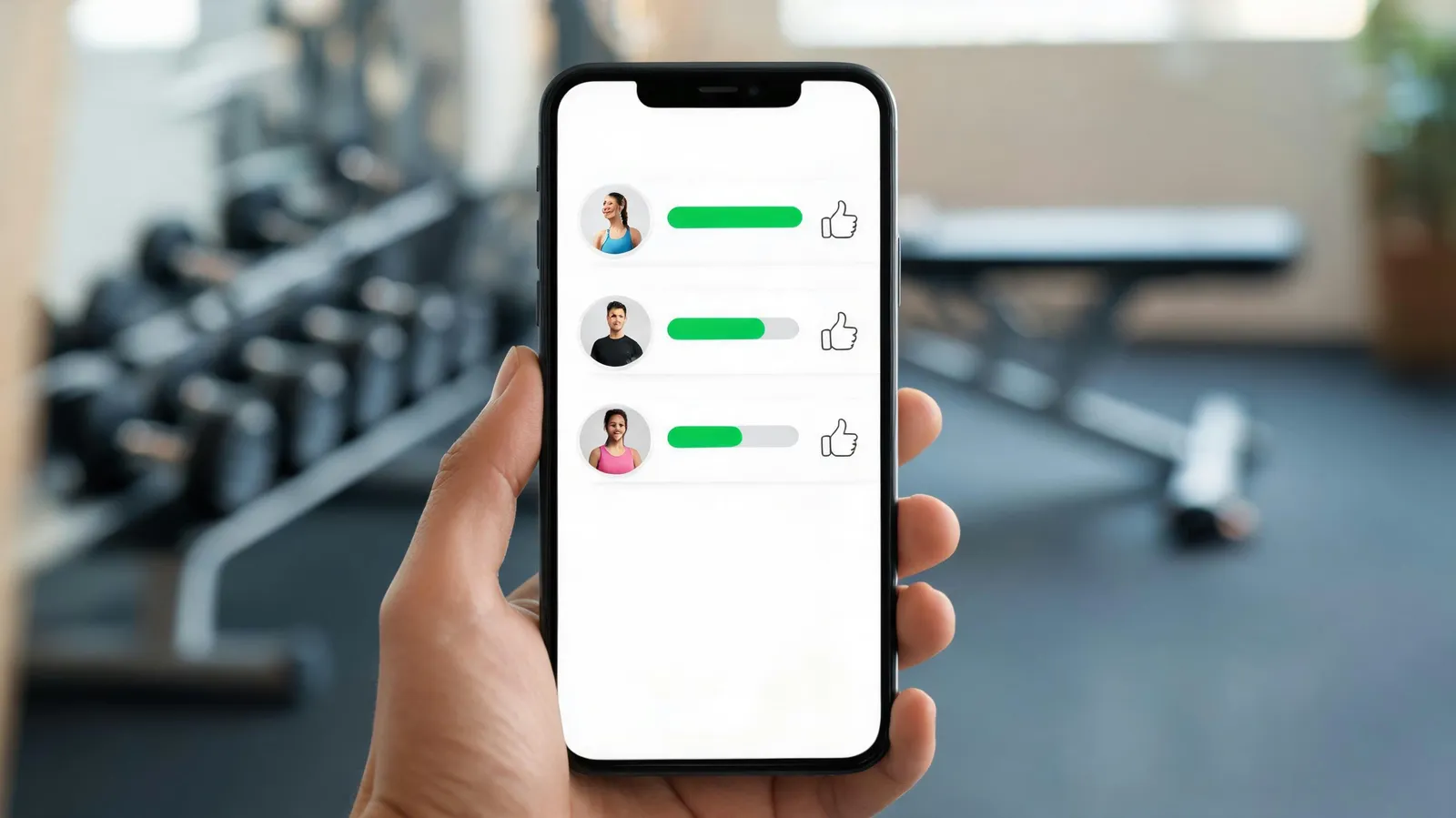
Leaderboards are a common gamification tool in fitness, but traditional rankings can discourage those at the bottom. AI personalizes leaderboards to emphasize individual improvement—such as percentage progress or consistency streaks—rather than absolute performance. Research indicates that personalized goals increase adherence by 40% compared to one-size-fits-all targets. AI also moderates social interactions to curb negative comparison. For example, an AI community manager can flag toxic comments and highlight supportive messages. Platforms employing AI moderation experienced a 22% decrease in dropout rates. By celebrating personal bests and nurturing a supportive atmosphere, AI transforms competition into a means of positive reinforcement.
AI for Inclusive and Accessible Group Fitness: Overcoming Obstacles
Group fitness has historically faced inclusivity challenges—whether related to mobility limitations, age, or language barriers. AI-powered adaptive workouts can modify exercises in real-time based on individual capabilities. Consider an AI that adjusts resistance or range of motion for users with limited mobility, enabling full participation. Testimonials from users who previously felt excluded underscore the transformative impact. Additionally, AI-driven translation and captioning help overcome language and hearing barriers. A platform that implemented AI captions saw a 20% increase in engagement from non-native speakers and deaf participants. These technologies make group fitness genuinely accessible to a wider audience.
The Impact of AI on Social Motivation and Accountability: The Science of Staying on Track
Maintaining motivation is challenging, but AI can assist. AI-powered nudges and reminders are tailored to your behavior patterns—such as suggesting a workout when you're most likely to skip. Studies show that AI-driven behavioral interventions increase workout adherence by 35%. AI also functions as a virtual coach, offering encouragement and tracking progress. One AI coach app improved retention by 25% by simulating a personal trainer's support. Users report feeling more accountable and motivated when AI celebrates milestones and provides gentle pushes. This personalized support drives lasting behavior change.
Conclusion: The Future of Connected Fitness
AI represents more than a technological upgrade—it is a social revolution in fitness. By enhancing virtual group workouts, personalizing leaderboards, breaking down inclusivity barriers, and delivering smart motivation, AI is helping to combat the loneliness epidemic and making healthier lifestyles accessible to more people. As AI integrates with wearables and AR/VR, we can anticipate immersive, connected fitness experiences that bring us together, even when we're apart. The future of group fitness is inclusive, social, and powered by AI.