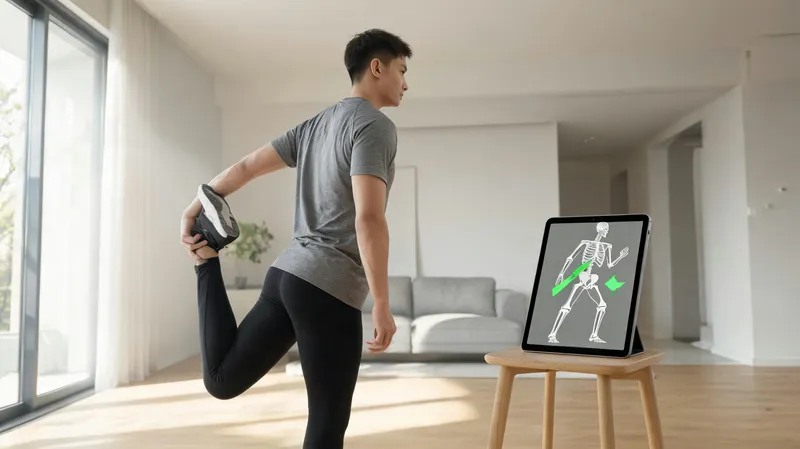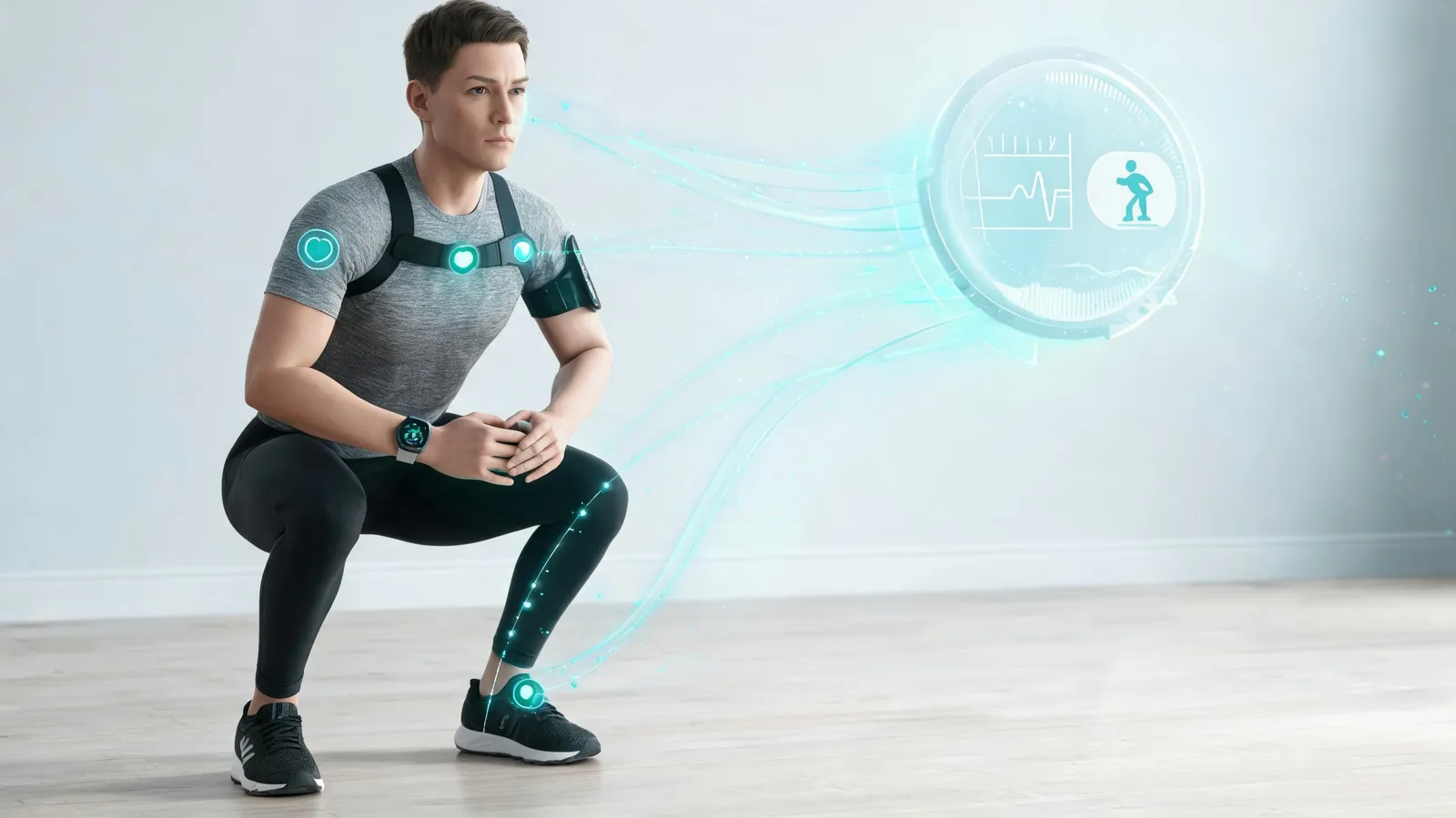
Fitness technology has expanded quickly, but injuries and dropout rates have not fallen in step. A key reason is that many exercise programs still do not take individual biometric data into account. AI-enabled personalized training and coaching—through adaptive workout generation, real-time form correction, virtual trainers, and advanced personalization algorithms—is changing this picture by making exercise safer, more effective, and more engaging for a broad range of people. This article looks at how these technologies are reshaping health and why they point toward the future of exercise.
1. Adaptive Workout Generation: Tailoring Every Rep to Your Biometrics
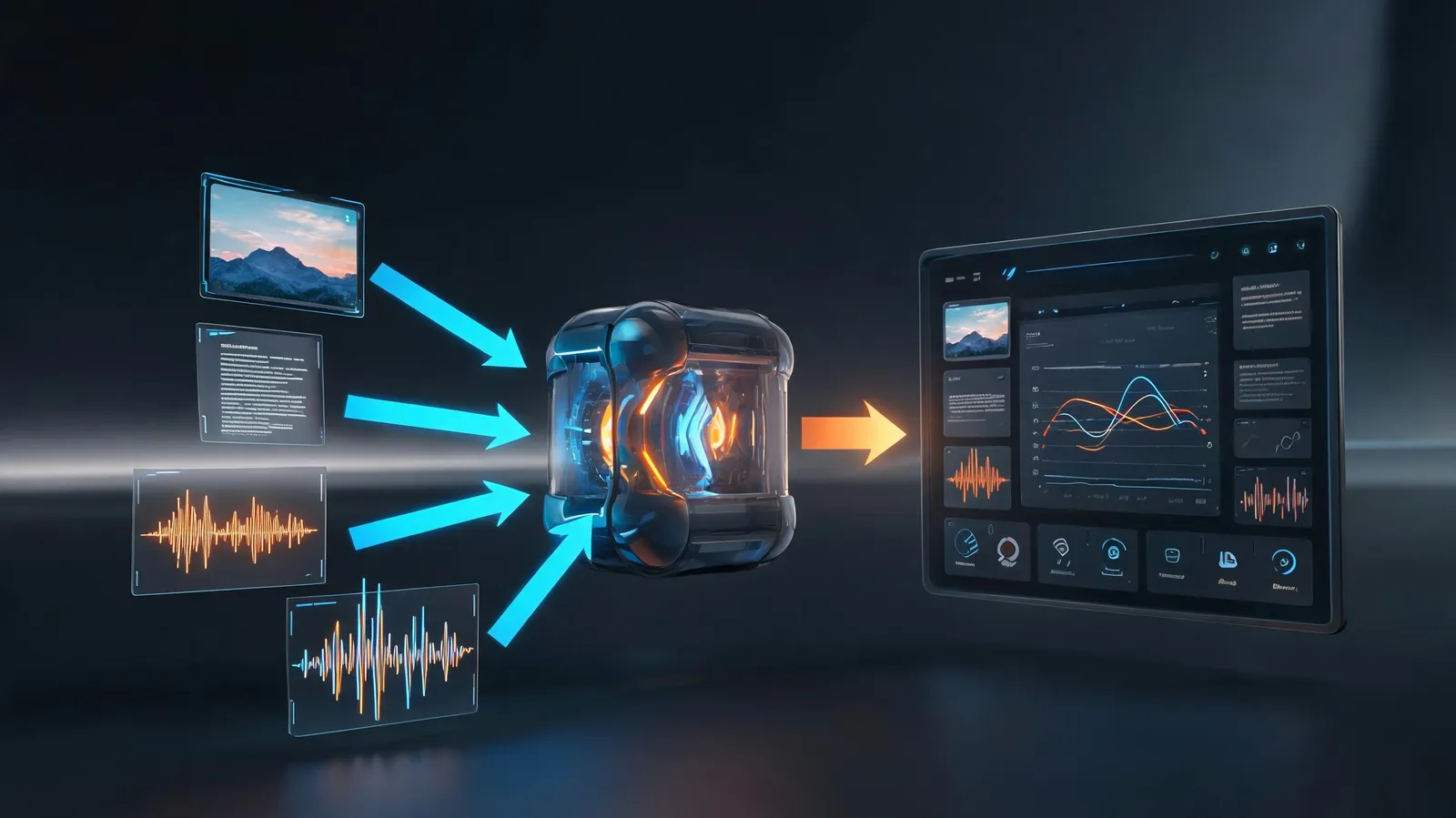
Adaptive workout generation relies on AI to design and adjust exercise routines in real time based on data from the body. By drawing on wearable biometric sensors—heart rate monitors, HRV trackers, and sleep trackers, for example—AI can modify workout intensity and volume to align with a person's physiological state. Research indicates that biometric-driven programs lead to better adherence and results than static plans. If fatigue signals point to incomplete recovery, for instance, the AI might lower the load or recommend active recovery rather than a high-intensity session.
Generative AI algorithms go a step further by producing workouts based on goals, preferences, and progress. These algorithms can generate new exercise combinations that keep routines fresh and engaging, which helps reduce boredom and dropout. A case study of a fitness app that used generative AI reported a 30% reduction in dropout rates compared with traditional app-based programs. This kind of personalization means each rep can be adapted to an individual's unique biometrics, which can improve both efficiency and safety.
2. Real-Time Form Correction: AI as Your Injury-Prevention Coach
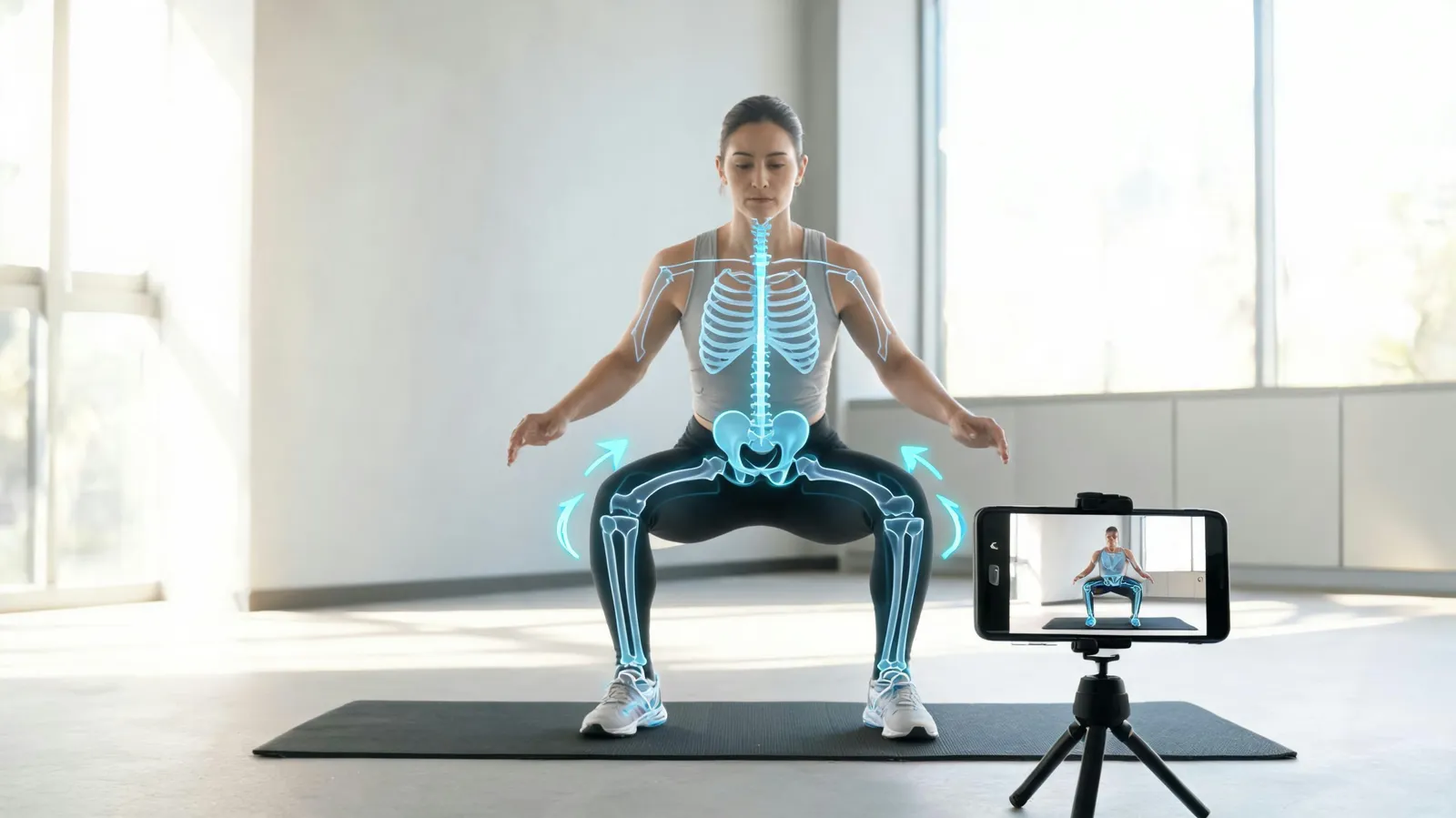
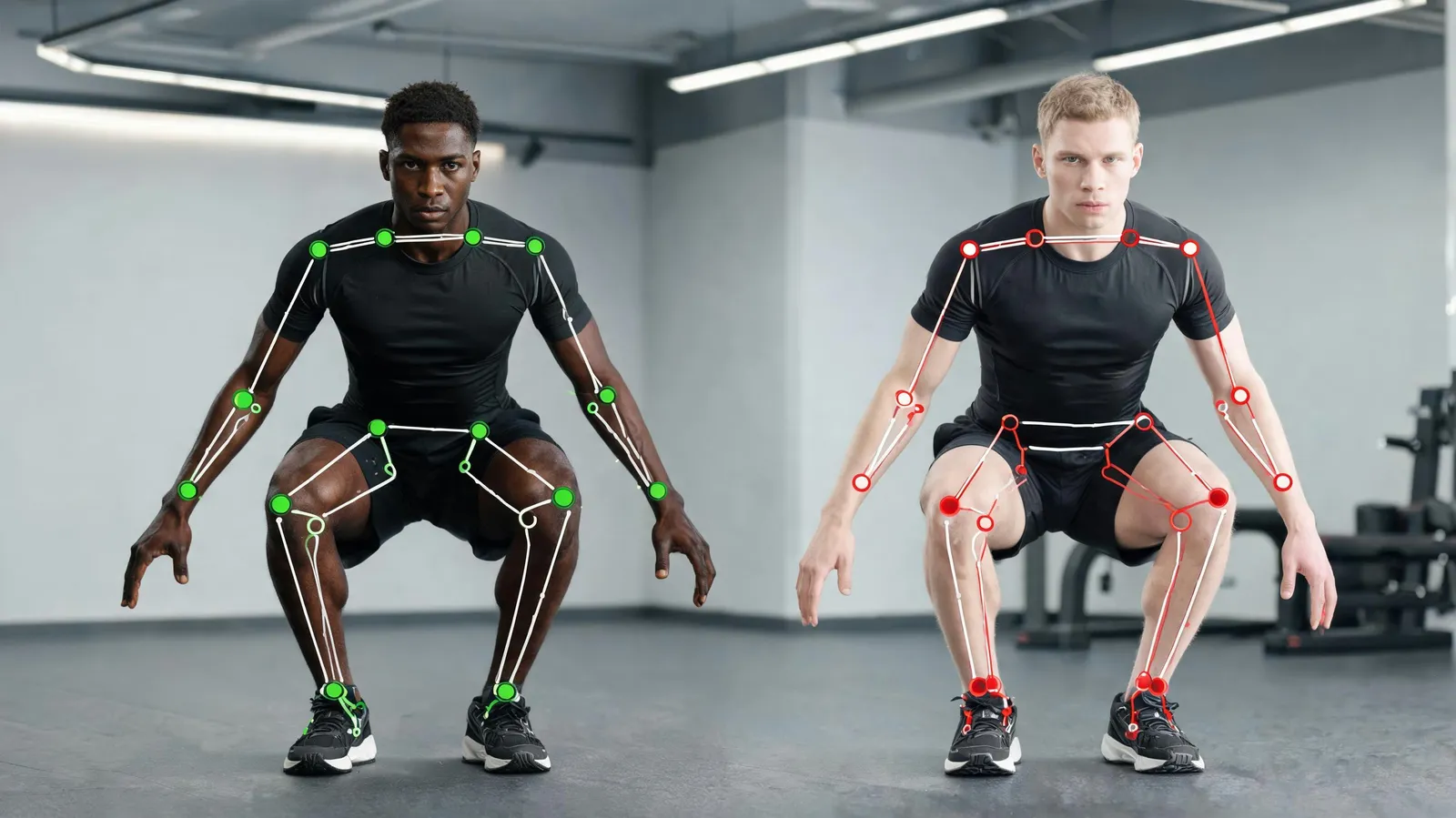
Real-time form correction uses computer vision and AI to analyze exercise form through smartphone or camera feeds, offering immediate feedback that can help prevent injuries. Statistics suggest that AI-assisted training can reduce injury rates by up to 40% by correcting improper movement patterns. During a squat, for example, the AI can detect if the knees are caving in or if depth is insufficient and provide verbal or visual cues for real-time adjustment.
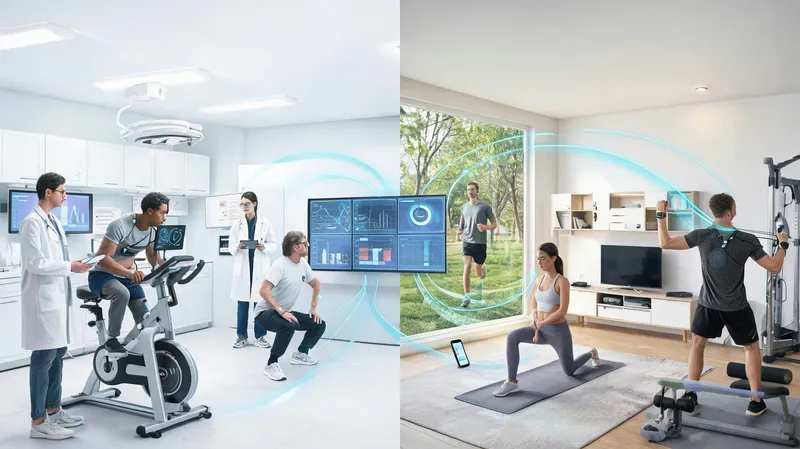
When integrated with wearables and smart equipment, these systems support comprehensive movement analysis. Data shows that AI form correction accuracy is comparable to that of human trainers, with some systems achieving over 95% accuracy in detecting deviations. In rehabilitation settings, AI-guided exercise progression can support safe and effective recovery by monitoring joint angles and muscle activation. The technology broadens access to expert-level form coaching, making injury prevention available to anyone with a smartphone.
3. Virtual AI Personal Trainers: Motivation and Adherence in the Digital Age
Virtual AI personal trainers use chatbots and voice assistants to deliver real-time encouragement, reminders, and accountability, which can significantly boost motivation and adherence. Studies on adherence rates show that users with virtual coaches are 50% more likely to stick to their workout schedules than those using traditional apps. User testimonials often point to increased motivation stemming from personalized nudges and progress tracking.
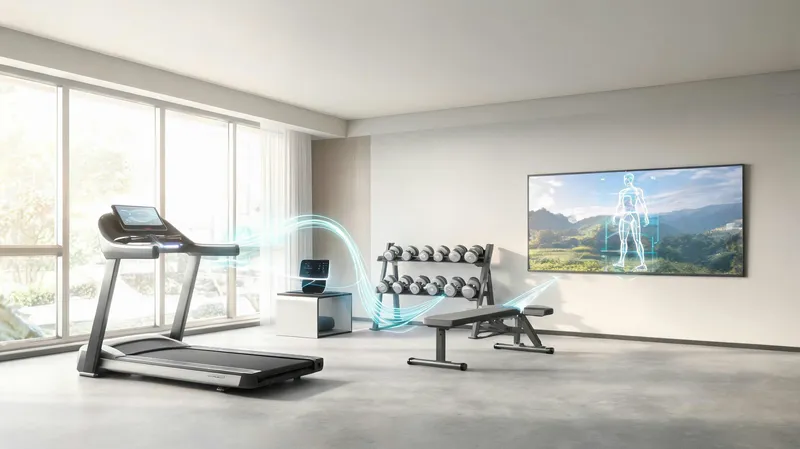
Gamification and social features powered by AI further enhance engagement. AI can create personalized challenges based on user behavior, such as setting a step goal that adapts to daily activity patterns. Data on engagement metrics reveals that AI-driven gamification increases workout frequency by 35%. By simulating the motivational aspects of a human trainer, virtual AI trainers make fitness more accessible and enjoyable—especially for people who prefer to work out at home.
4. Personalization Algorithms for Diverse Populations and Fitness Levels
Personalization algorithms serve a wide range of users by taking into account age, gender, fitness level, and health conditions. Research on AI personalization for older adults shows that tailored programs improve balance and strength while reducing fall risk. For people with chronic conditions, AI can adapt exercises to safe ranges of motion, and for pregnant women, it can modify routines to avoid contraindicated movements.
Machine learning models keep improving based on user feedback and outcomes. Data on algorithm accuracy over time indicates that AI platforms become more precise with each session, leading to better results and lower dropout rates. A case study of an AI platform for beginners found a 25% reduction in dropout within the first three months. This adaptability helps make fitness inclusive and effective for everyone, regardless of their starting point.
Conclusion
AI-powered personalized training and coaching are transforming fitness by making it safer, more effective, and more engaging. Adaptive workout generation aligns each rep with an individual's biometrics, real-time form correction helps prevent injuries, virtual trainers support motivation, and personalization algorithms promote inclusivity across diverse populations. The potential of AI to reduce injuries, increase adherence, and make fitness accessible to all is immense. Looking ahead, combining AI with AR/VR and advanced biometrics promises more immersive and precise coaching, pointing toward a new era of personalized health.