Introduction
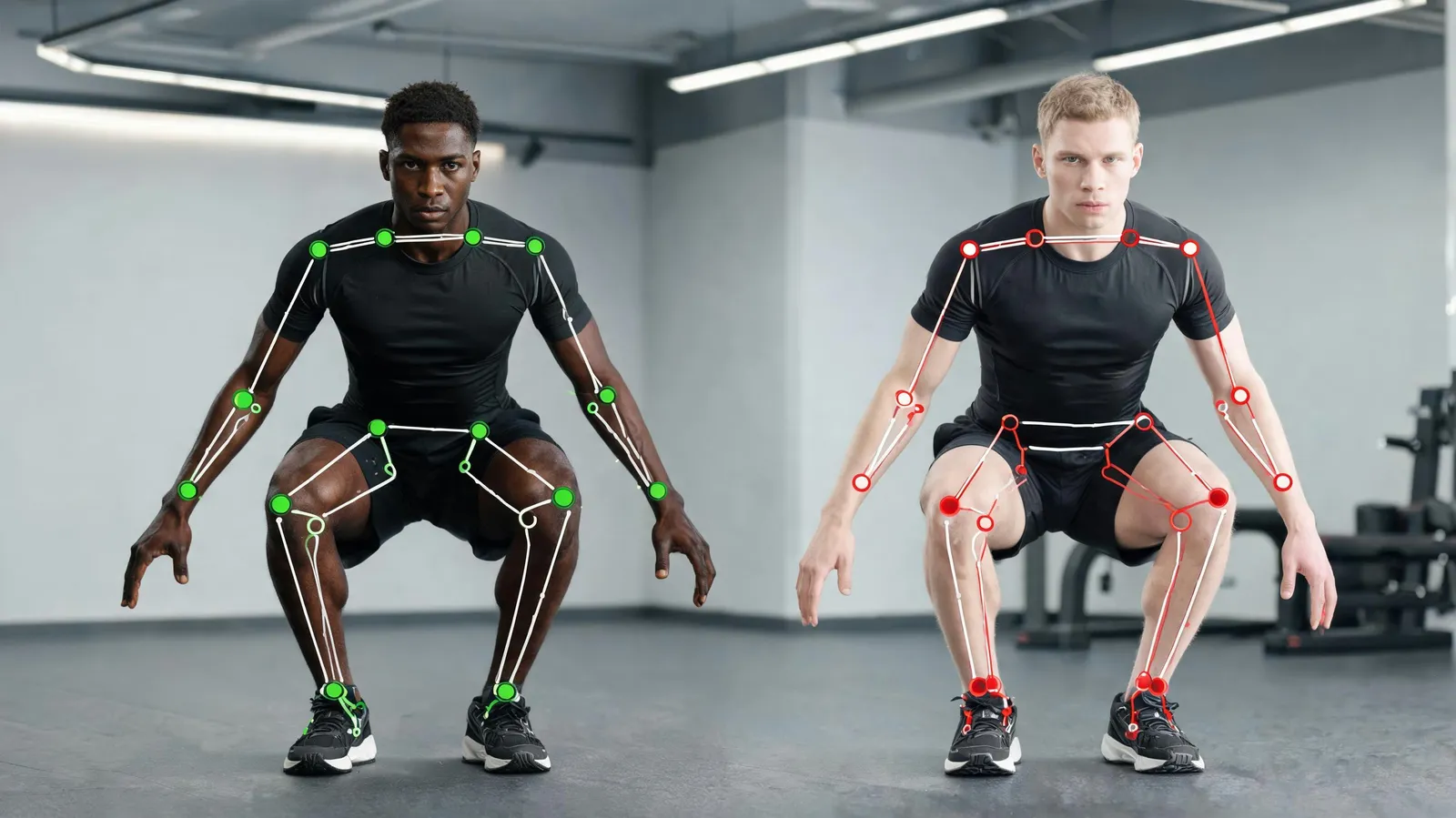
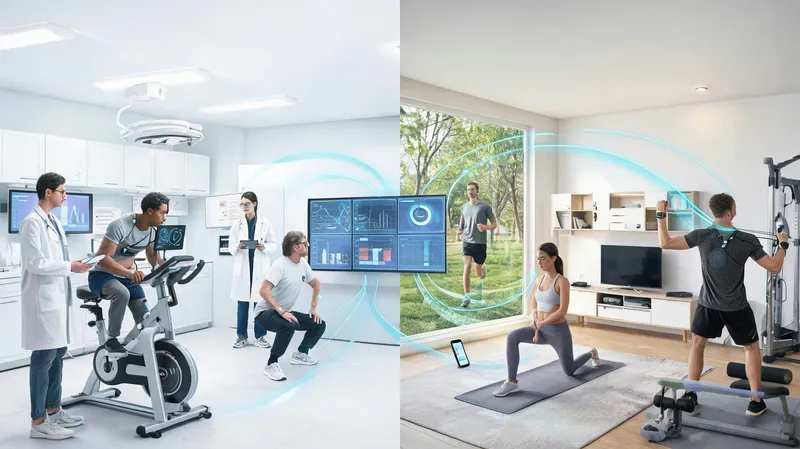
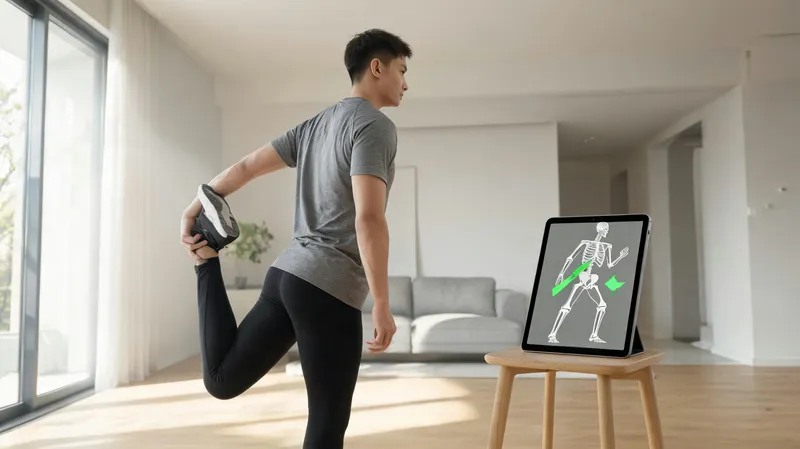
Fitness technology is expanding rapidly, with wearable devices and AI-powered applications gathering ever-larger volumes of personal health data. As these tools become central to health management, questions about data ownership, algorithmic bias, security, and regulation grow more pressing. Addressing these ethical dimensions is key to fostering trust and ensuring that fitness tech serves all users fairly and safely.
Data Ownership and Consent: Who Really Owns Your Fitness Data?
Every workout logged, heart rate recorded, or sleep pattern shared creates valuable data. Yet ownership is often obscured in lengthy terms of service that few read. A 2023 study by the Privacy Rights Clearinghouse found that just 9% of Americans always read privacy policies before downloading a health app. This gap leaves users exposed to data exploitation.
Ambiguity in ownership: While users generate the data, platforms frequently claim ownership via terms of service. In 2022, a popular fitness app faced criticism after users learned their workout data was shared with third-party advertisers without explicit consent, highlighting how vague consent language can enable unauthorized sharing.
Challenges to informed consent: Long, complex privacy policies and dark patterns undermine meaningful consent. Research from the University of Michigan indicates that the average health app privacy policy is written at a college reading level, making it inaccessible to many. Dark patterns—such as pre-checked boxes or confusing button labels—trick users into granting unnecessary permissions. Regulators are responding: in 2023, the FTC fined a fitness app $1.5 million for deceptive consent practices.
Algorithmic Bias and Fairness in Health Recommendations

AI-driven fitness apps often offer personalized recommendations, from calorie targets to workout intensity. However, these algorithms can perpetuate bias when trained on non-diverse data. A 2021 study in the Journal of Health Informatics found that fitness algorithms recommended significantly fewer calories for women than for men, even after controlling for body metrics, due to biased training data.
Sources of bias: Training data often lacks diversity, leading to less accurate recommendations for underrepresented groups. For instance, a widely used health algorithm was shown to underestimate the health needs of Black patients because it was trained primarily on white populations. Similarly, fitness apps may give different calorie recommendations based on gender, reinforcing stereotypes rather than scientific evidence.
Consequences of bias: Unfair recommendations can harm users' health and erode trust in fitness technology. Disparities in health outcomes, such as higher rates of obesity among minority groups, can be exacerbated if algorithms fail to account for genetic, cultural, and socioeconomic differences. Experts advocate for fairness-aware AI that includes diverse datasets and regular audits to ensure equitable recommendations.
Security Vulnerabilities in Wearable and IoT Fitness Devices
Wearable fitness devices and IoT health gadgets are increasingly connected but often lack robust security. A 2023 report by the IoT Security Foundation found that 68% of fitness trackers have weak encryption, and 45% do not receive regular security updates. These weaknesses make them prime targets for hackers.
Common vulnerabilities: Weak encryption, insecure APIs, and lack of regular updates make devices susceptible to hacking. For example, a popular smartwatch was found to have an unencrypted API that exposed users' heart rate and location data. Similarly, many fitness apps store data on unsecured servers, as seen in the 2022 breach of a fitness tracking company that leaked 61 million records.
Impact of breaches: Leaked health data can lead to identity theft, insurance discrimination, and physical safety risks. Health data is particularly sensitive; if a hacker knows your exercise routine, they could infer when your home is empty. Moreover, insurance companies might use health data to deny coverage or raise premiums. Experts recommend that users enable two-factor authentication, update devices regularly, and avoid sharing unnecessary data.
Regulatory Frameworks for AI in Health and Fitness
The regulatory landscape for fitness tech is a patchwork of laws that often lag behind innovation. In the US, HIPAA protects health data only in clinical settings, leaving fitness apps largely unregulated. The GDPR in Europe offers broader protections, but enforcement is inconsistent. Emerging regulations like the EU AI Act aim to address algorithmic transparency and accountability, but their impact on fitness tech remains uncertain.
Current landscape: A patchwork of regulations like GDPR, HIPAA, and emerging AI acts address some aspects but leave gaps. For instance, HIPAA does not cover fitness apps unless they are integrated with healthcare providers. The GDPR requires explicit consent for data processing, but many fitness apps rely on legitimate interest clauses to avoid consent. The EU AI Act proposes risk-based rules for AI systems, which could classify some fitness algorithms as high-risk, requiring stricter oversight.
Future directions: Need for adaptive, risk-based regulation that keeps pace with technological advancements. Privacy advocates call for a federal privacy law in the US that covers all health data, regardless of context. Industry experts emphasize the importance of international cooperation to avoid a fragmented regulatory landscape. As fitness tech evolves, regulators must balance innovation with protection, ensuring that ethical considerations are baked into design.
Conclusion
The ethical challenges of fitness tech—data ownership, algorithmic bias, security vulnerabilities, and regulatory gaps—are significant but not insurmountable. Addressing these issues requires a multi-stakeholder approach: developers must prioritize privacy and fairness by design; regulators must enact adaptive, risk-based laws; and users must demand transparency and control over their data. By working together, we can build a fitness tech ecosystem that is not only innovative but also trustworthy and equitable. The future of fitness tech depends on it.