Introduction
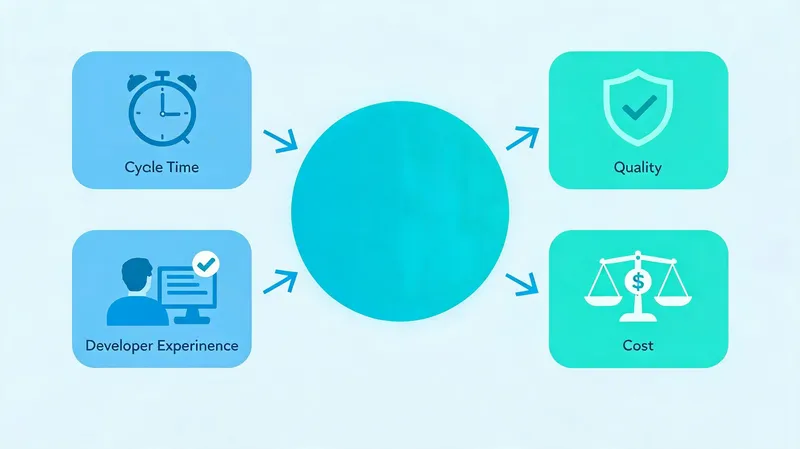
Daily software releases have become routine, yet manual testing struggles to match the speed and intricacy of CI/CD pipelines. Traditional QA faces persistent challenges: maintaining test suites, bottlenecks in bug triage, and the trade-off between coverage and false positives. AI is changing software testing by automating test generation, enabling intelligent bug triage, creating self-healing test suites, and optimizing coverage—all of which contribute to faster, more reliable releases.
1. Automated Test Generation with Large Language Models
Large language models (LLMs) are reshaping how teams create tests. By examining source code, requirements documents, and user stories, LLMs can generate relevant test cases automatically, including edge cases and negative tests that might escape human attention. This cuts down manual test authoring time and boosts coverage. For instance, tools such as GitHub Copilot can produce unit tests directly from code, and studies indicate a notable decrease in manual test authoring time. A case study showed better defect detection and improved coverage metrics after adopting LLM-generated tests.
2. AI-Driven Bug Triage and Root Cause Analysis
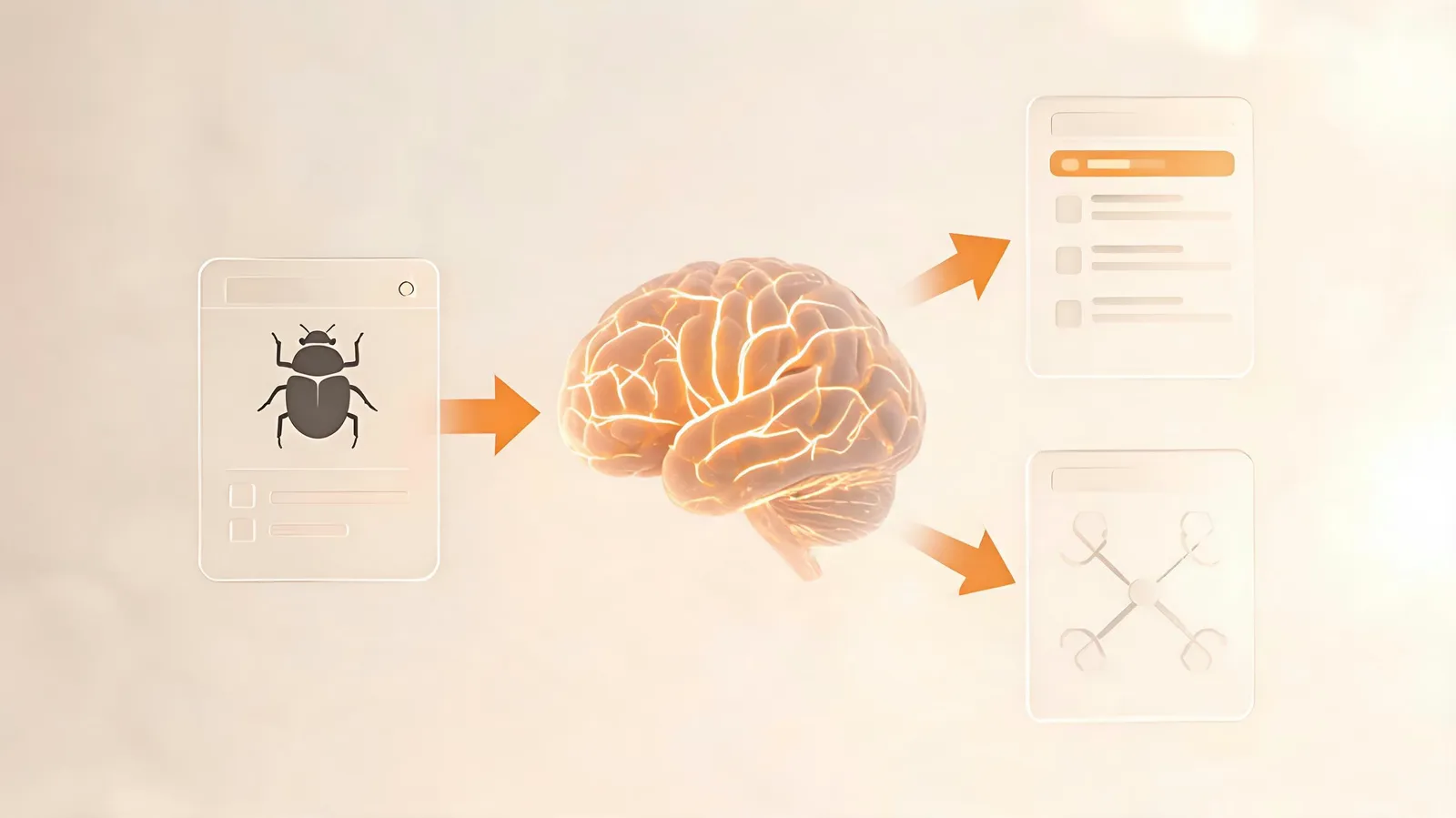
AI models can categorize bug reports by severity, component, and probable root cause, speeding up fixes. Statistics reveal a substantial reduction in triage time, and bug reports can be routed automatically to the appropriate team. Root cause analysis that leverages log analysis, stack traces, and historical data helps lower mean time to resolution (MTTR). Integration with APM tools allows for proactive detection.
3. Self-Healing Test Suites for CI/CD Pipelines
Self-healing tests detect changes in locators and adjust automatically, keeping pipelines running smoothly. For example, a test can withstand a UI redesign without manual updates, reducing maintenance effort. Integration with CI/CD tools triggers healing and reports status. A case study described a pipeline that cut false failures by 80%. Tools like Testim, Mabl, and Applitools provide such capabilities.
4. Balancing Test Coverage and False Positives in AI QA Tools
AI can prioritize tests according to risk and code changes, maximizing coverage with fewer tests. Data indicates reduced test execution time and risk-based test selection. Strategies for reducing false positives include feedback loops, human-in-the-loop, and model tuning. A case study showed a decrease in false positives, and best practices from industry leaders are available.
Conclusion
AI is transforming software testing by automating test generation, triage, self-healing, and coverage optimization. This leads to faster, more reliable software releases and frees testers to focus on higher-value work. Looking ahead, fully autonomous testing agents and integration with AIOps for predictive quality assurance hold promise.