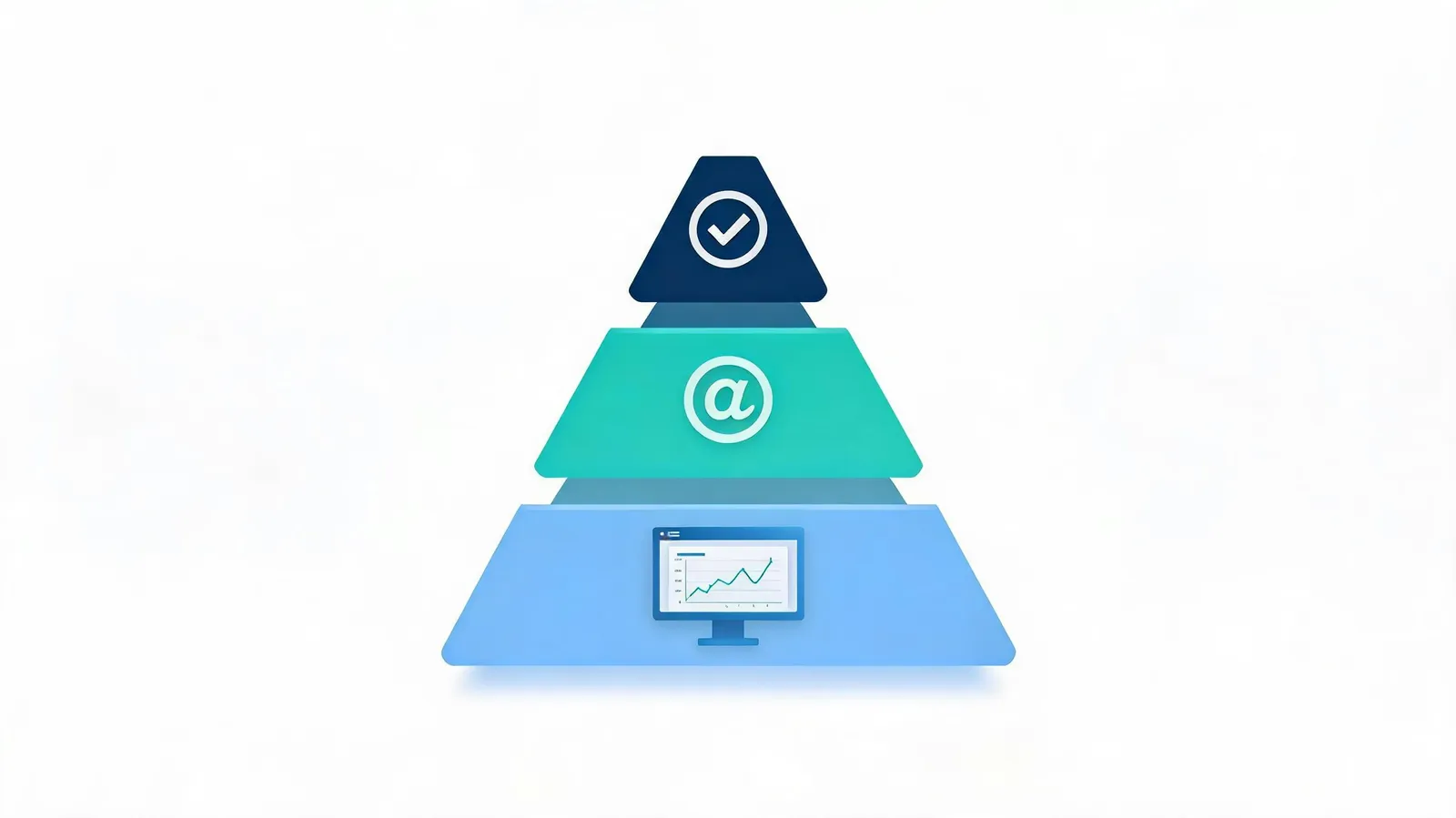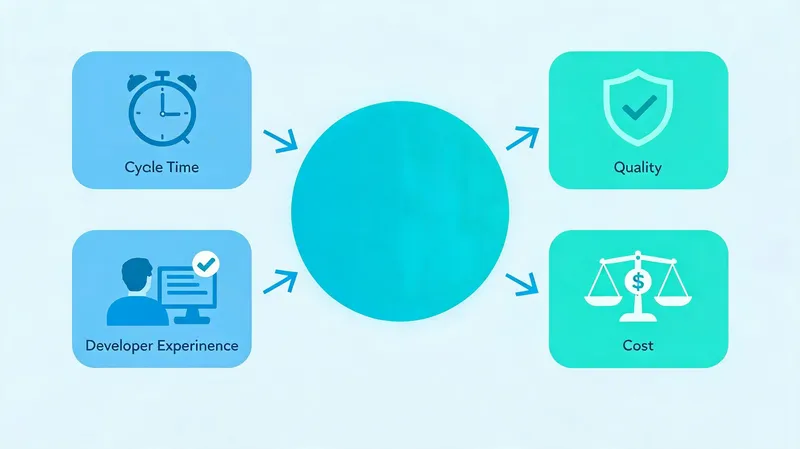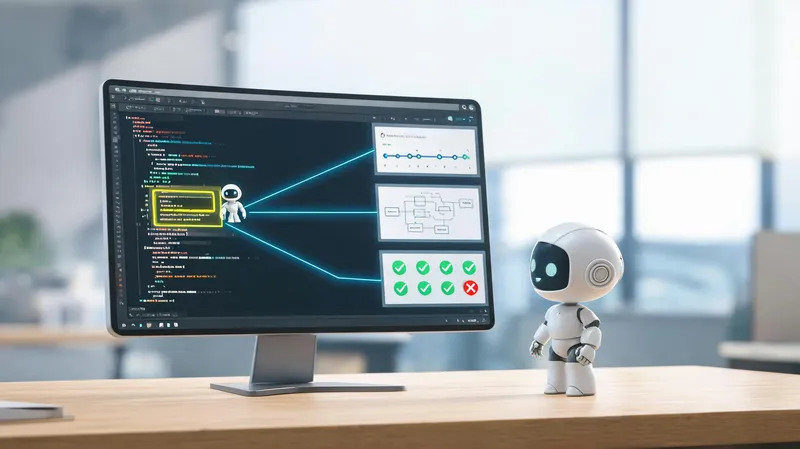
Software engineering stands at a turning point. AI has moved beyond suggesting the next line of code; it is increasingly acting as a collaborative partner and, in some scenarios, an independent creator. The shift from simple code completion to AI pair programmers—such as GitHub Copilot—has occurred rapidly, and research into fully autonomous software agents is picking up pace. This article examines four dimensions that are set to define the next decade of software engineering: the rise of autonomous engineers, prompt engineering as a core skill, AI-native languages and frameworks, and the ethical and workforce implications that require proactive adaptation.
From Copilots to Autonomous Software Engineers
AI copilots already assist developers by proposing code, identifying bugs, and generating tests. For instance, GitHub Copilot has been shown to enhance productivity for routine coding tasks, and its adoption across enterprises continues to increase. These tools are becoming more context-aware, integrating with IDEs and version control to provide relevant suggestions.
Newer autonomous agents take this further: they can plan, write, test, and deploy software with minimal human involvement. Research efforts like AutoGPT and Devin, as well as GPT-4-based agents, illustrate end-to-end feature development. Yet full autonomy remains unrealized. Ambiguous requirements, legacy code, and security concerns still necessitate human oversight. The most effective current approach is human-in-the-loop, in which AI manages repetitive tasks while humans concentrate on architecture, problem framing, and validation.
Prompt Engineering and Context Design as Core Developer Skills

Prompt engineering is the practice and discipline of extracting accurate, secure, and efficient code from AI models. Recommended practices involve defining a clear role, specifying constraints, and providing examples. The quality of a prompt directly affects code correctness and performance. As AI models grow more capable, the ability to craft precise prompts becomes a force multiplier for developers.
Context design is equally critical. Supplying AI with the appropriate codebase, documentation, and architectural context helps ensure relevant solutions. Techniques such as retrieval-augmented generation (RAG) for code and tools that connect AI with IDEs and version control are becoming commonplace. This shift moves the developer skill set from syntax mastery toward AI orchestration and problem framing. Surveys indicate rising demand for prompt engineering skills, and training programs are emerging to address it.
AI-Native Programming Languages and Frameworks
Programming languages and frameworks are advancing to integrate AI capabilities natively. Emerging languages and extensions designed for AI encompass probabilistic programming, differentiable programming, and AI-first syntax. Examples such as Julia for AI, Swift for TensorFlow, and Mojo demonstrate how language-level support for AI model integration is becoming a priority.
Frameworks that treat AI as a first-class citizen—from PyTorch and TensorFlow to new AI-native web and mobile frameworks—are being widely adopted in production. Case studies of AI-native applications, including recommendation engines and autonomous systems, underscore the advantages. This has consequences for software architecture: modularity, testing, and deployment must adapt to incorporate AI models into microservices, with new patterns for versioning and monitoring AI components.
Ethical and Workforce Implications of AI-Driven Development
Ethical challenges are numerous: bias in AI-generated code, accountability for AI decisions, and security vulnerabilities. Studies on bias in code generation models and frameworks for ethical AI in software engineering, such as IEEE guidelines, offer direction. Organizations need to establish governance, transparency, and human-AI collaboration models to ensure responsible integration.
The workforce is also undergoing transformation. Automation of routine coding tasks is generating new roles and requiring upskilling. Predictions about job displacement and creation differ, but industry initiatives to reskill developers in AI are expanding. Companies are setting up AI ethics boards and best practices for human-in-the-loop AI development. The aim is not to replace engineers but to enhance their capabilities and free them for higher-value work.
Conclusion
The future of software engineering with AI is not merely about tools; it is a paradigm shift. Autonomous engineers, prompt engineering, AI-native languages, and ethical workforce strategies constitute the four pillars of this transformation. To succeed, software engineers must pursue continuous learning, adhere to ethical guardrails, and embrace collaborative human-AI models. The way forward demands proactive adaptation to shape a positive future in which AI unlocks unprecedented innovation.