Complexity is a growing burden for modern software projects: by some estimates, developers can spend as much as 30% of their time on code review and on tracking down information. Manual approaches to reviewing code, writing documentation, and sharing knowledge are slow, prone to mistakes, and go stale quickly. This article examines how artificial intelligence — drawing on context-aware analysis and retrieval-augmented generation (RAG) — is reshaping these workflows, with the aim of faster releases, better code quality, and more efficient teams.
Context-Aware AI for Automated Pull Request Reviews
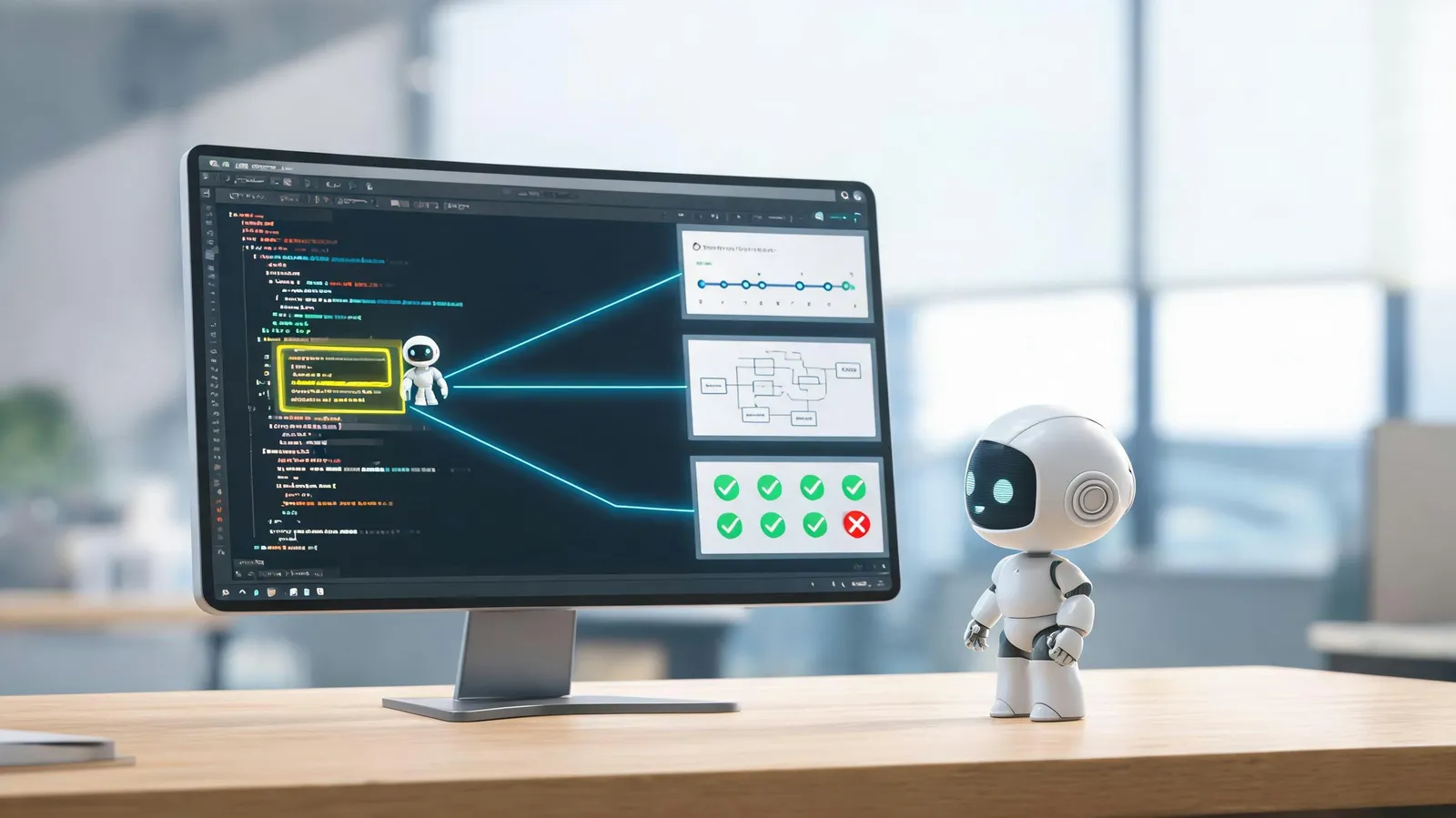
Rather than stopping at syntax checks, context-aware AI takes in the codebase, its dependencies, and the history of changes. One illustration: by examining how a newly introduced library version interacts with code that already exists, AI can flag a security vulnerability that the update brings in. Recent studies indicate that context-aware AI cuts review time by 40% and finds 25% more bugs than manual review does.
Automation runs smoothly when the AI is connected to CI/CD pipelines and version control systems such as GitHub and GitLab. One fintech company, after adopting AI-powered reviews, saw review cycles shrink from days to hours, which lifted developer satisfaction and eased burnout.
Documentation and API References Written by AI
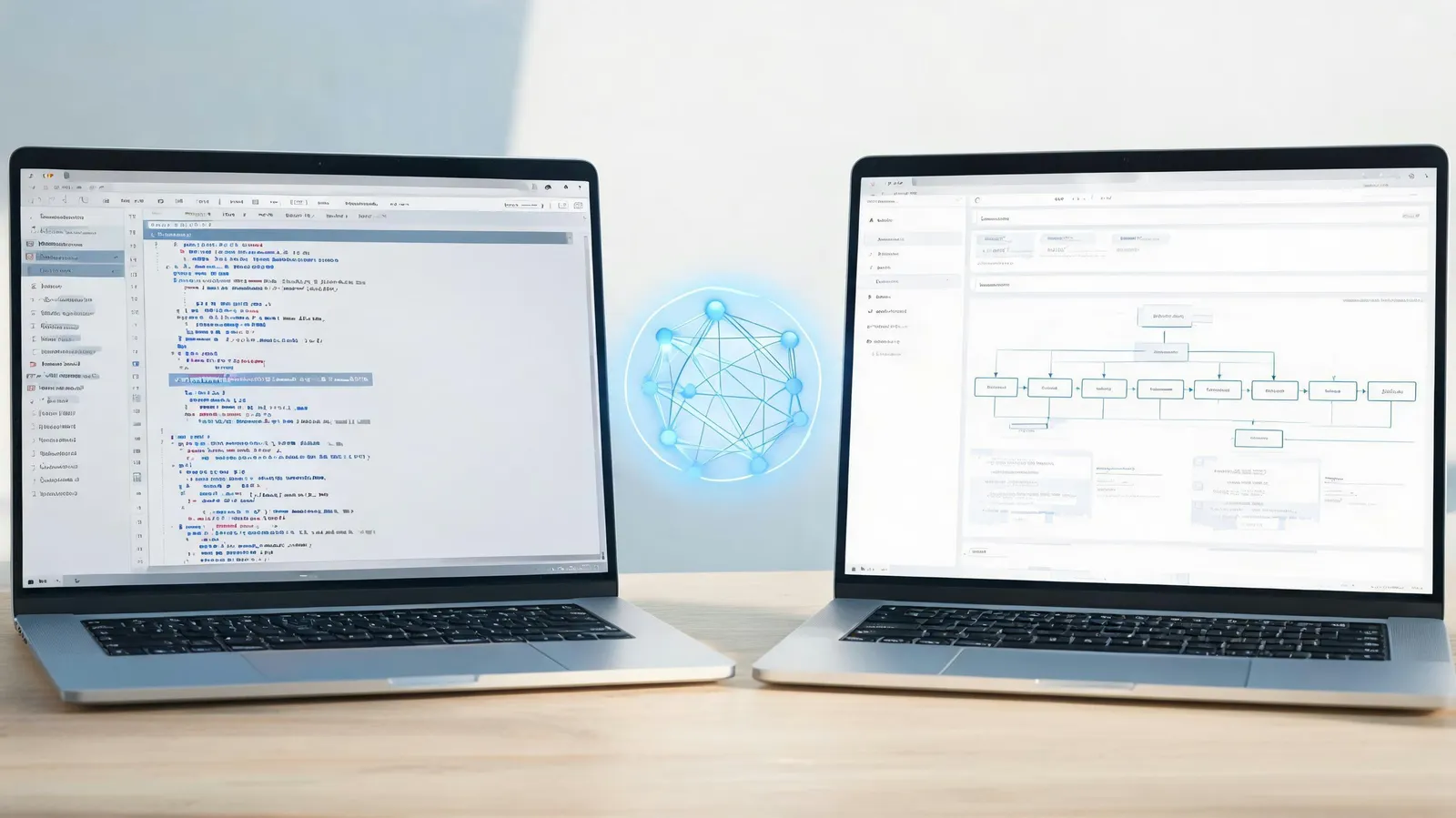
By reading code, comments, and commit messages, AI can produce documentation and API references that people can read. As an example, it can turn annotated code into OpenAPI specs, cutting documentation time by 60% and raising accuracy. Because the output is refreshed continuously, docs stay aligned with code changes and outdated material is eliminated. A SaaS company that adopted AI-generated docs saw support tickets fall by 30%, alongside notable gains in developer productivity and onboarding speed.
Retrieving Knowledge from Large Codebases with RAG
RAG pairs vector search with large language models to fetch and summarize information that fits the context. Consider a developer asking 'How is authentication implemented?' — the AI pulls together code snippets, design docs, and discussions from past PRs, which cuts search time by 50%. This can be built with vector databases such as Pinecone or Weaviate together with embedding models. At one large enterprise, onboarding time for new engineers dropped by 40%, and observers noted better code reuse and less duplication.
Speeding Up New Engineer Onboarding with AI Dev Assistants
AI assistants can serve as mentors, responding to questions about how the codebase is structured, what coding standards apply, and which practices are recommended. If a new hire asks 'Where is the payment service code?', for instance, the AI points to the location, supplies the relevant docs, and names the key contacts — cutting ramp-up time by 50%. Connecting the assistant to communication tools such as Slack and Teams puts help on demand. One startup brought new engineers' time-to-first-commit down from 2 weeks to 3 days, and reported better retention and satisfaction.
Conclusion
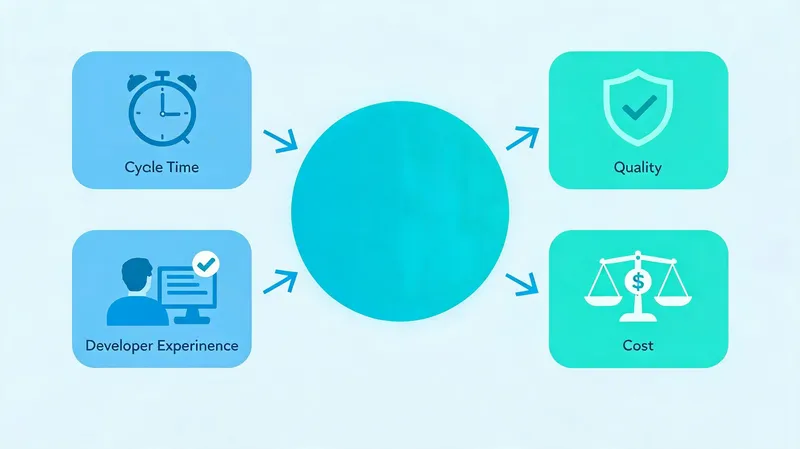
By automating code review, generating documentation, supporting knowledge retrieval, and speeding onboarding, AI is reshaping software development. The results include better code quality, a shorter time-to-market, and more productive developers. Looking ahead, the direction points toward integration with predictive analytics and proactive code suggestions, moving development workflows toward greater autonomy.