Using Jump and Sprint Mechanics to Screen for ACL and Hamstring Risk
ACL ruptures and hamstring strains rank among the most frequent and most disruptive injuries in sport. The American Orthopaedic Society for Sports Medicine reports that more than 200,000 athletes in the United States sustain ACL injuries each year, and female athletes face a risk two to eight times that of males. Hamstring strains represent 12–15% of all sports injuries, and recurrence can reach 30%. Conventional screening approaches—the drop vertical jump test and manual muscle testing among them—depend heavily on clinician observation and are susceptible to inter-rater variability. AI-driven movement screening tackles these shortcomings by applying computer vision and machine learning to quantify biomechanical risk factors with high precision.
Jump-Landing Mechanics and ACL Injury Risk
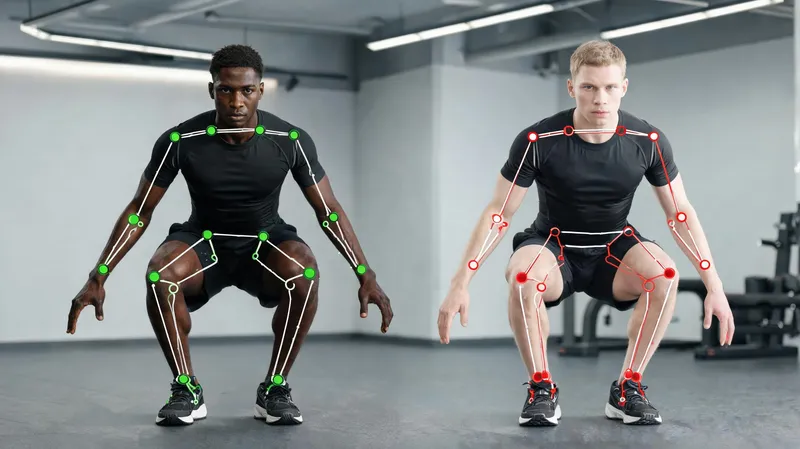
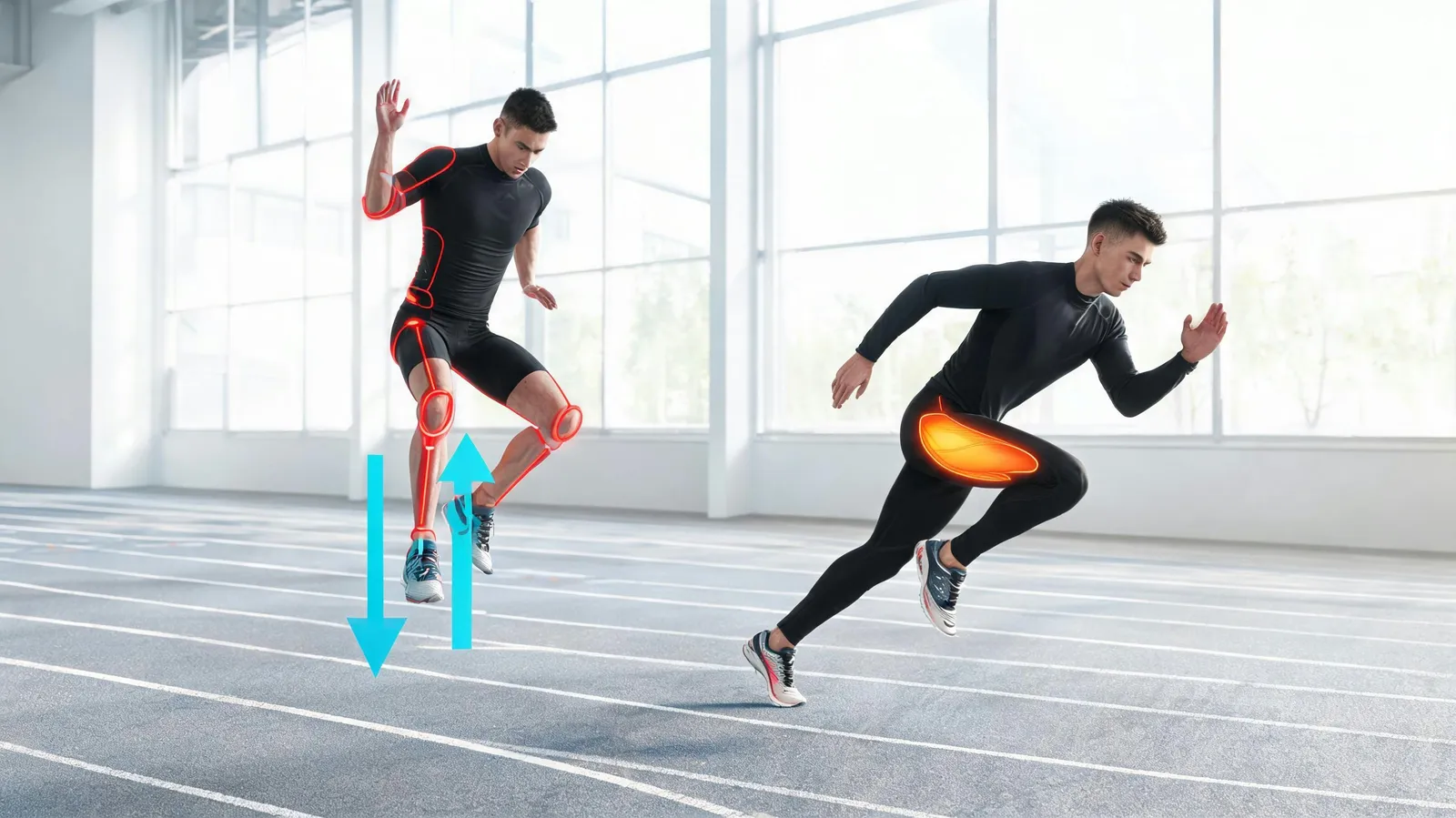
In a jump-landing task, excessive knee valgus (inward collapse of the knee), restricted knee flexion and asymmetrical limb loading are well-established predictors of ACL injury. AI models trained on markerless pose estimation data—OpenPose and MediaPipe, for instance—can automatically track joint angles, center of mass displacement and ground reaction forces from a single smartphone camera. A 2023 study published in the American Journal of Sports Medicine demonstrated that an AI model achieved over 85% accuracy in classifying athletes at high risk for ACL injury based on jump-landing mechanics, outperforming traditional clinician screening. The system flagged subtle asymmetries that human observers missed, enabling targeted neuromuscular training before injury occurs.
Sprint Mechanics and Hamstring Strain Risk
Hamstring injuries frequently occur during high-speed running, particularly in the terminal swing phase when the hamstring muscle is actively lengthening. AI analysis of sprint mechanics uses high-frame-rate video and wearable IMU sensors to measure ground reaction forces, limb coordination and pelvic stability. Machine learning algorithms can identify abnormal movement patterns—such as excessive anterior pelvic tilt or uneven stride length—that increase hamstring strain risk. A 2024 study in the Journal of Biomechanics reported that AI-driven sprint analysis predicted hamstring injury with 82% sensitivity and 79% specificity, providing coaches and clinicians with actionable insights for individualized training programs.
Merging Wearable IMU Data with Video Pose Estimation for Load Monitoring
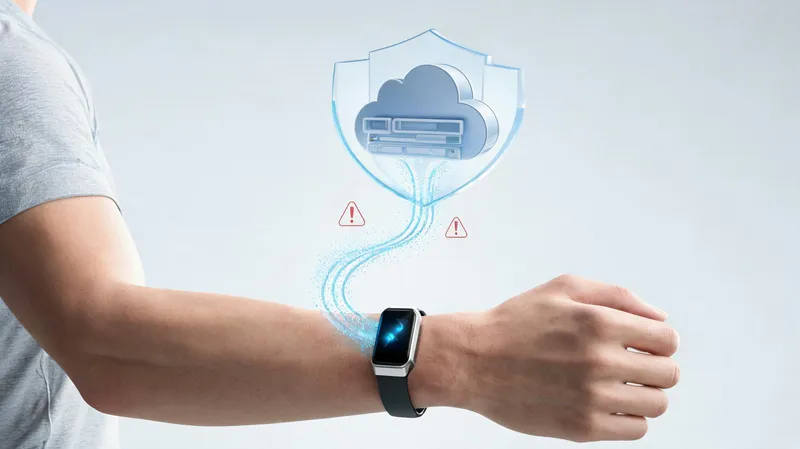
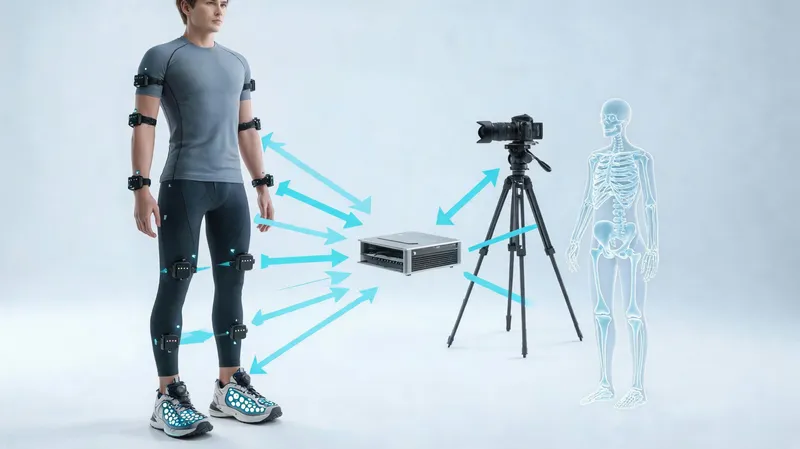
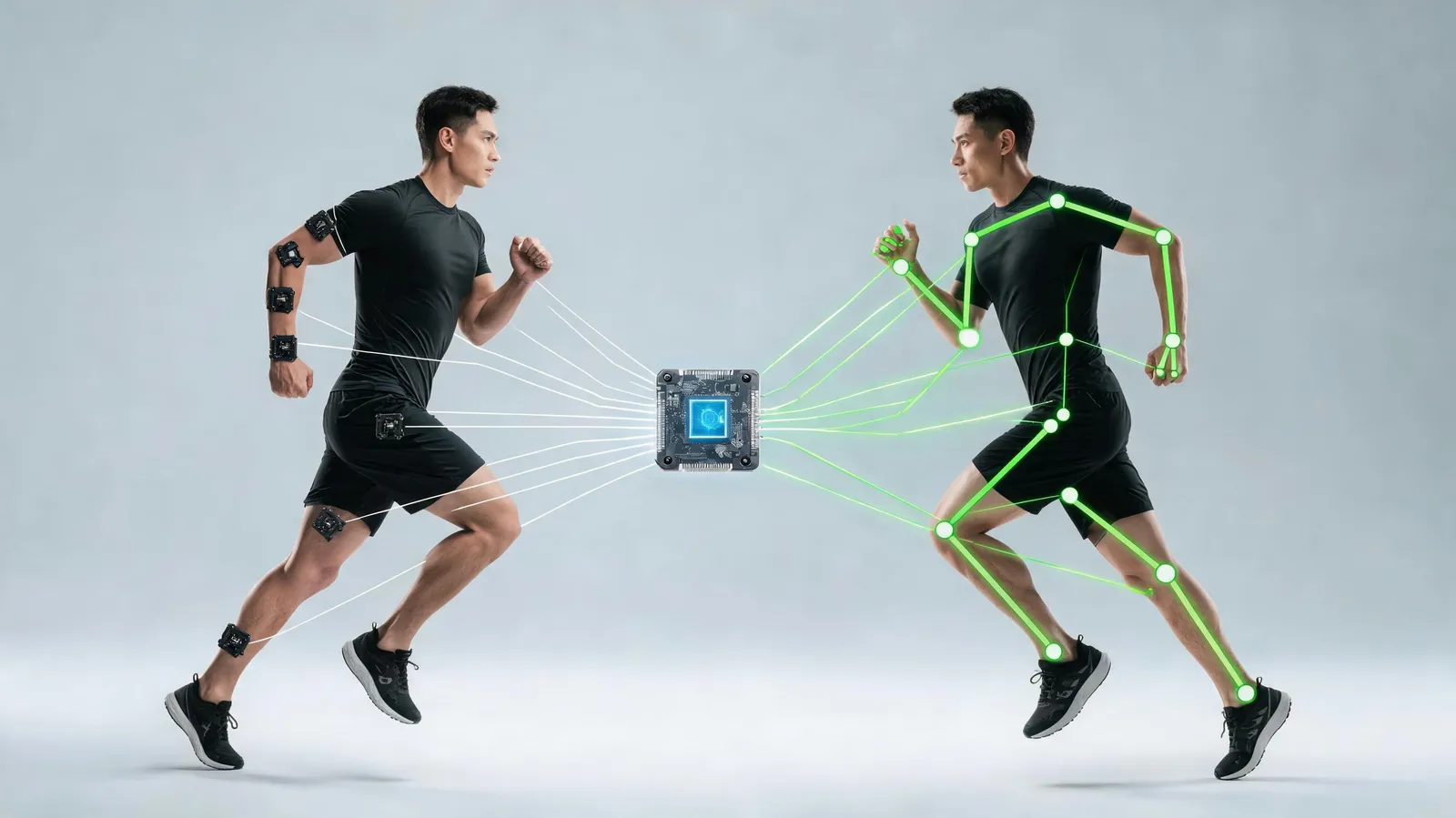
Bringing together wearable inertial measurement unit (IMU) sensors and video-based pose estimation yields a broad load monitoring system that captures internal and external training loads alike. Wearable IMUs, usually positioned on the lower back, thighs and shanks, supply real-time measurements of acceleration, angular velocity and orientation. Such sensors can estimate ground reaction forces and joint moments with accuracy during running, jumping and cutting. A validation study in Sports Medicine (2023) found that IMU-based load quantification correlated strongly (r > 0.85) with gold-standard force plate measurements, which makes these sensors a practical option in team sports settings.
Wearable IMU Sensors for Real-Time Load Quantification
In professional soccer, rugby and basketball, IMU sensors are now routinely used to monitor player load, sprint distance and high-intensity accelerations. AI algorithms process this stream of data to detect abnormal loading patterns that precede injury. For example, a sudden increase in acute:chronic workload ratio—calculated from IMU-derived distance and acceleration data—has been linked to a 2–4 times higher injury risk. Real-time alerts can prompt coaches to modify training intensity, reducing injury incidence by up to 40% in some cohorts.
Video Pose Estimation for Movement Quality Assessment
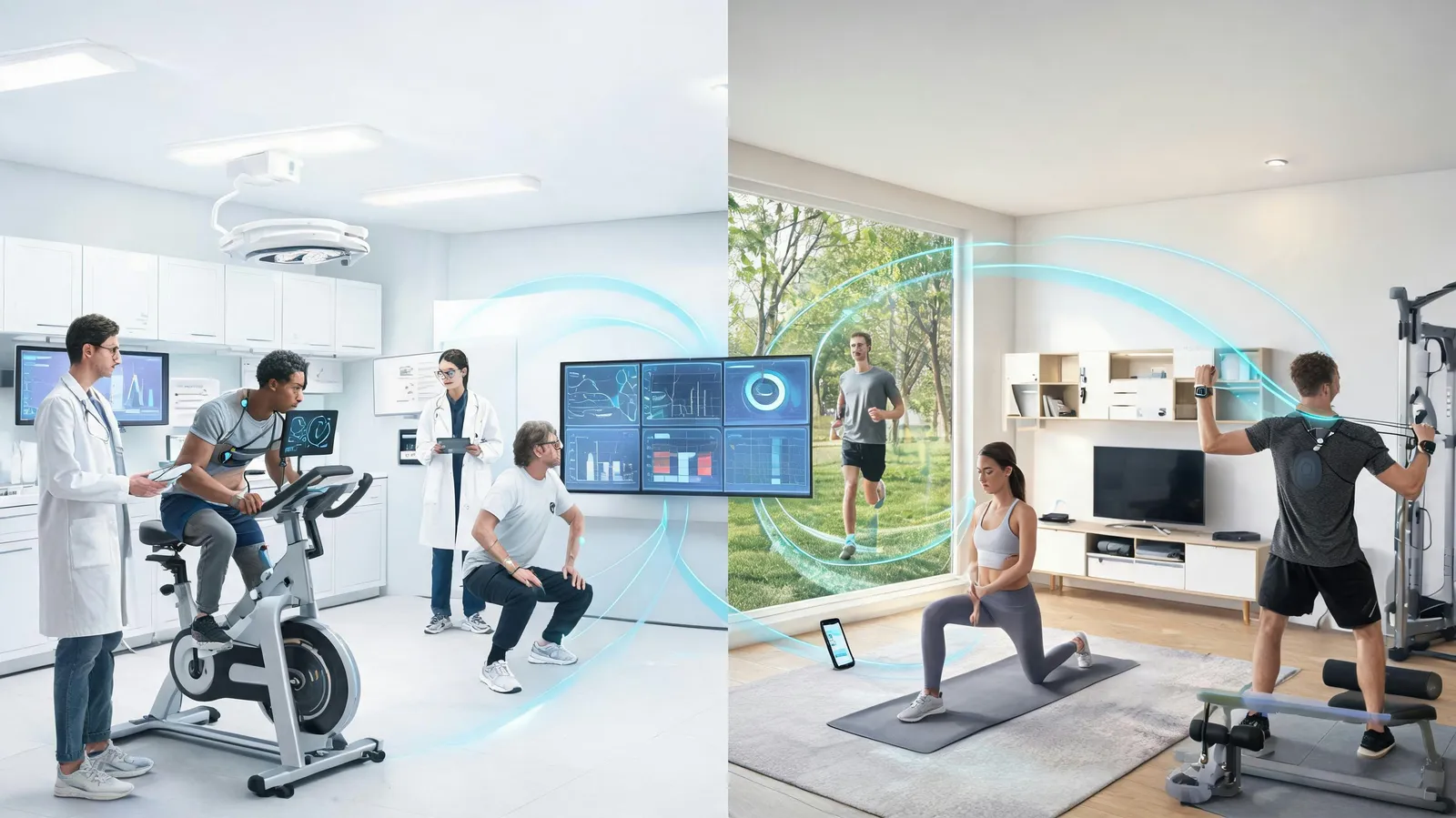
Video pose estimation complements IMU data by providing detailed kinematic information without the need for body-worn sensors. Markerless tools like OpenPose and MediaPipe extract 2D or 3D joint coordinates from standard video, enabling automated assessment of movement quality. These systems have been validated against optical motion capture, with mean absolute errors below 5 degrees for major joints. In a clinical setting, a single tablet camera can screen an athlete's squat, lunge and hop mechanics in under two minutes, generating a risk score that guides rehabilitation and return-to-play decisions.
Tracking Athletes Over Time and Spotting Overtraining
Injury risk is not fixed; it shifts with training load, recovery and physiological state. Longitudinal athlete monitoring relies on repeated AI-driven assessments to follow changes over time, which allows early recognition of overtraining syndrome and accumulating injury risk. Machine learning models can examine trends across biomechanical, physiological and subjective data to identify athletes drifting from their baseline.
Longitudinal Data Collection and Trend Analysis
Professional teams and military organizations have adopted longitudinal monitoring systems that combine daily IMU data, weekly video movement screens and periodic clinical assessments. A case study from the National Basketball Association (NBA) showed that teams using AI-powered monitoring reduced non-contact injuries by 35% over two seasons. The system detected subtle declines in jump height, increased landing asymmetry and reduced hip stability weeks before clinical symptoms appeared. Anomaly detection algorithms, such as isolation forests and autoencoders, can automatically flag athletes whose movement patterns deviate from their personal norm.
Overtraining Detection Using Physiological and Biomechanical Markers
Overtraining syndrome is a complex condition characterized by performance decline, fatigue and mood disturbances. AI models integrate heart rate variability (HRV), sleep quality and biomechanical markers to predict overtraining risk. A 2024 study in Frontiers in Physiology demonstrated that a machine learning model combining HRV, sleep duration and IMU-derived movement variability achieved 88% accuracy in identifying athletes who subsequently developed overtraining syndrome. Early detection allows for timely interventions, such as reduced training volume, increased recovery and nutritional support, preventing progression to serious injury or illness.
How AI Movement Screens Compare with Physiotherapist Assessment
Promising as the technology is, AI movement screening needs validation against expert clinical assessment before it can be widely adopted. Physiotherapists and sports medicine physicians bring years of training and clinical intuition that AI systems seek to replicate or augment. Validation studies compare AI-generated risk scores with physiotherapist ratings, using metrics such as sensitivity, specificity and inter-rater reliability.
AI Screening Versus Expert Physiotherapist Assessment
A landmark 2023 study in the British Journal of Sports Medicine compared an AI movement screen with assessment by 15 experienced physiotherapists. The AI system showed 89% agreement with clinician consensus on ACL injury risk classification, and in 12% of cases, the AI detected subtle asymmetries that clinicians initially missed. These asymmetries were later confirmed by force plate analysis. The study concluded that AI can serve as a reliable first-line screening tool, freeing clinicians to focus on complex cases and personalized intervention.
Barriers and Future Directions for Clinical Adoption
Several barriers remain for clinical adoption, including the need for large-scale, diverse validation studies, regulatory approval and integration into electronic health records. Ethical considerations, such as data privacy and algorithmic bias, must be addressed. Future directions include real-time feedback during training, predictive analytics for personalized injury prevention and the development of explainable AI models that clinicians can trust. As these challenges are overcome, AI-powered movement screening is poised to become a standard component of athlete care.
Conclusion
AI-powered movement screening marks a shift in how injury risk is detected—away from subjective observation and toward objective, data-driven assessment. By analyzing jump and sprint mechanics, fusing wearable IMU data with video pose estimation, monitoring athletes longitudinally and validating against expert physiotherapist assessment, AI makes proactive, personalized injury prevention possible. The technology does not replace clinical expertise; it is a powerful augmentation that enhances accuracy, scalability and accessibility. As research advances and regulatory frameworks evolve, AI injury risk detection will become an indispensable tool for sports medicine professionals, athletic trainers and biomechanics researchers. The future of athlete care lies in predicting and preventing injuries before they happen—and AI is leading the way.