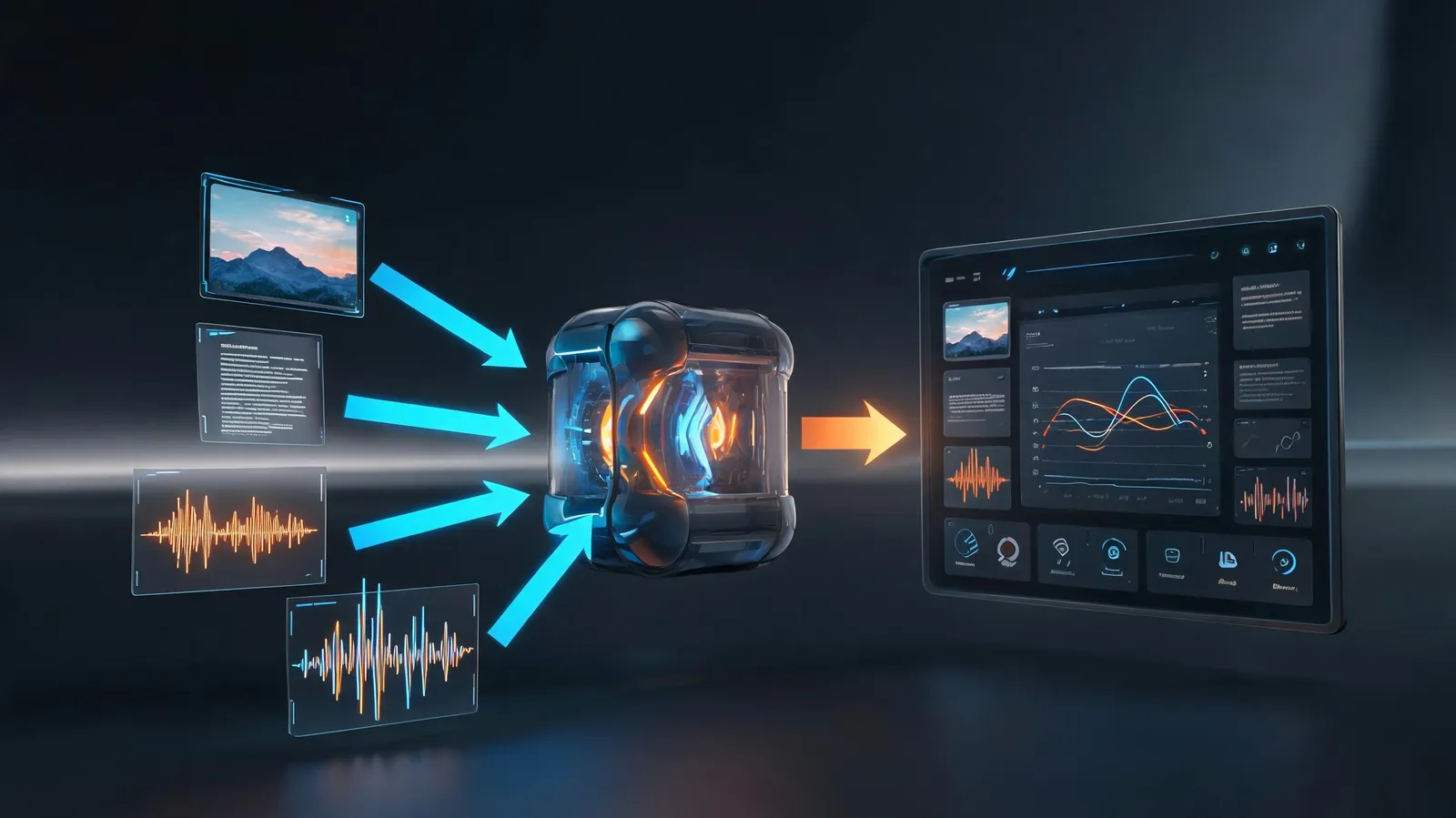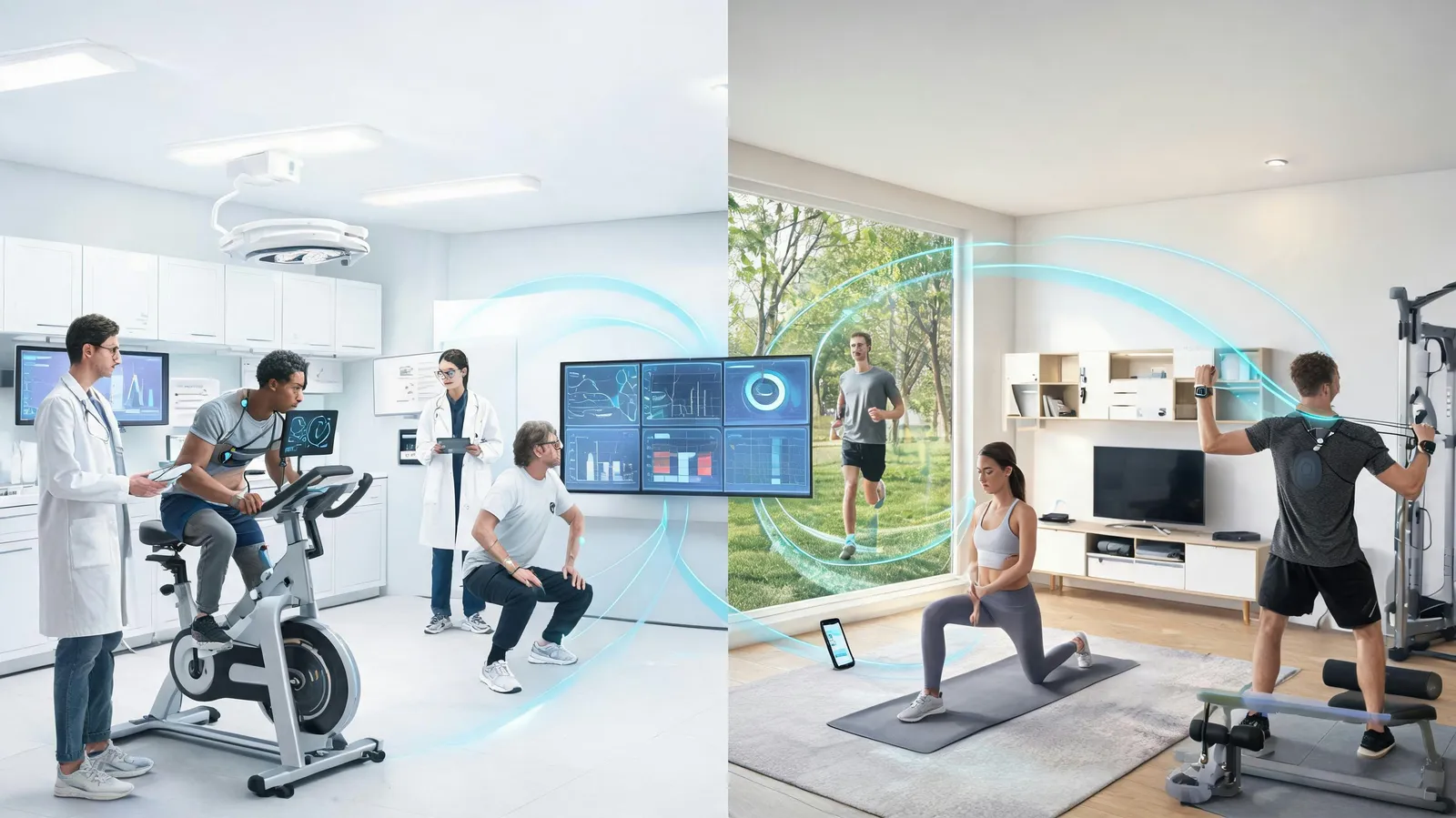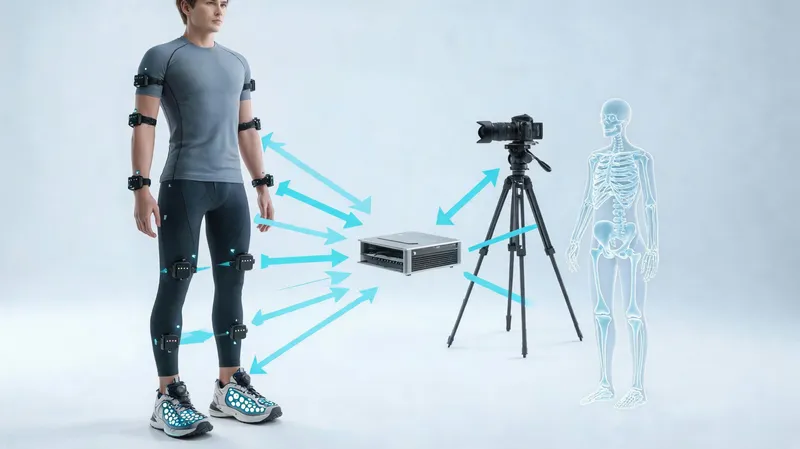
Movement training in its conventional form frequently falls short on several fronts: feedback arrives late or not at all, expert instruction is hard to obtain, and people often drop their routines over time. Immersive AR/VR systems are advancing quickly and open new routes for simulating, analyzing, and motivating physical activity. When AI-driven avatars, low-latency motion tracking, game design elements, and multimodal sensing—eye tracking combined with pose estimation—are brought together, immersive movement training can substantially strengthen skill learning, athletic performance, and sustained physical activity.
AI Avatars and Mirroring as Aids to Skill Learning in VR
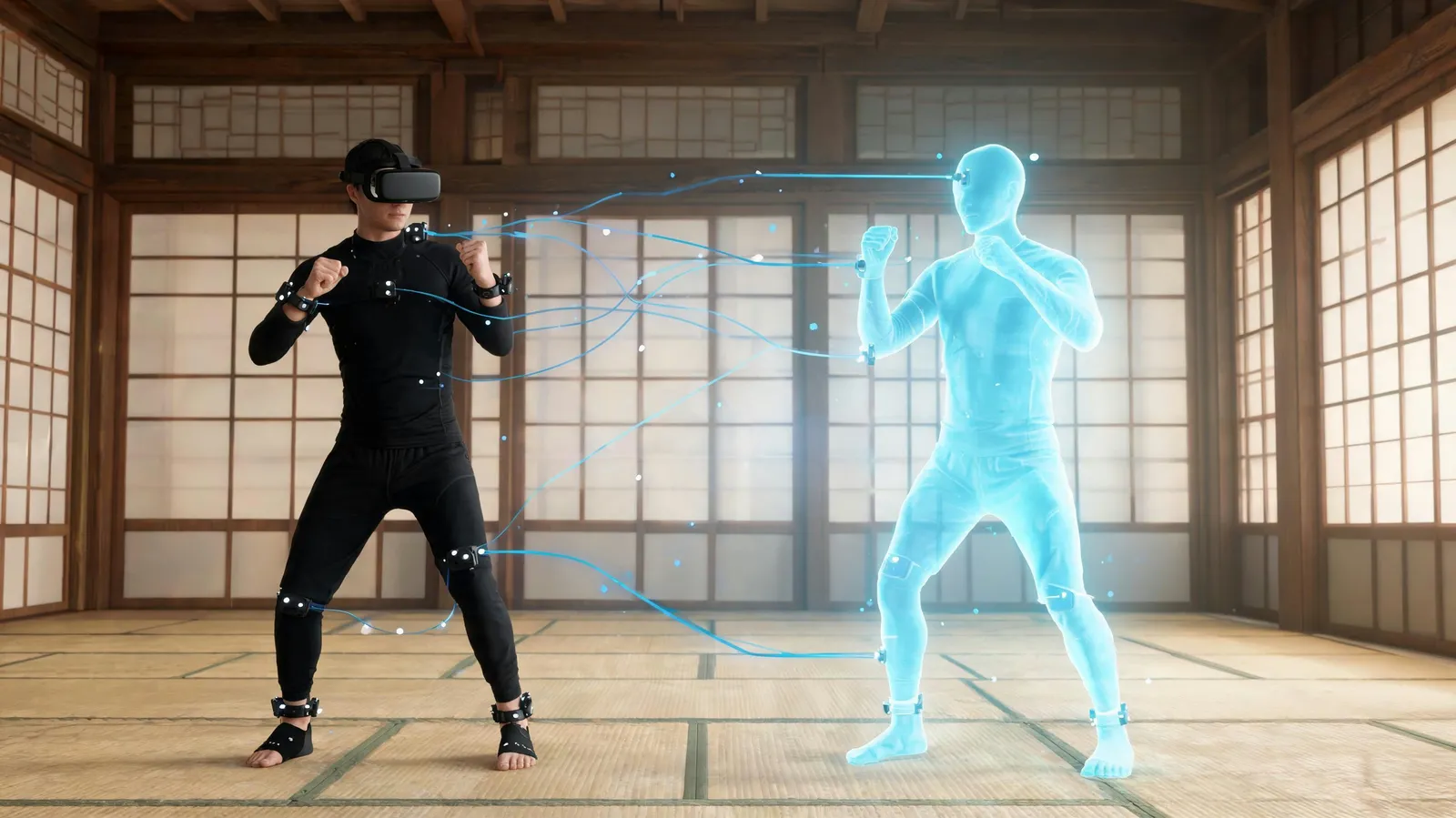
AI-driven avatars function as individualized coaches that respond to a user's performance as it happens. Research indicates that feedback delivered through avatars supports better retention of complex movements. In VR dance or martial arts practice, for instance, AI mirroring lets a user watch a virtual version of themselves carry out the ideal motion, which helps refine posture and timing. Mirroring and imitation learning draw on mirror neurons and observational learning, mechanisms that prove especially potent in VR. A case study of post-stroke rehabilitation using VR mirror therapy reports meaningful gains in motor function.
Through mirroring in VR, users can watch and copy movements, which strengthens motor learning. Work on mirror neurons backs the value of observational learning in virtual settings. In rehabilitation contexts, VR mirror therapy has assisted stroke patients in recovering movement by supplying visual feedback that encourages neural plasticity.
Latency from Motion to Photon in Immersive Sports Training
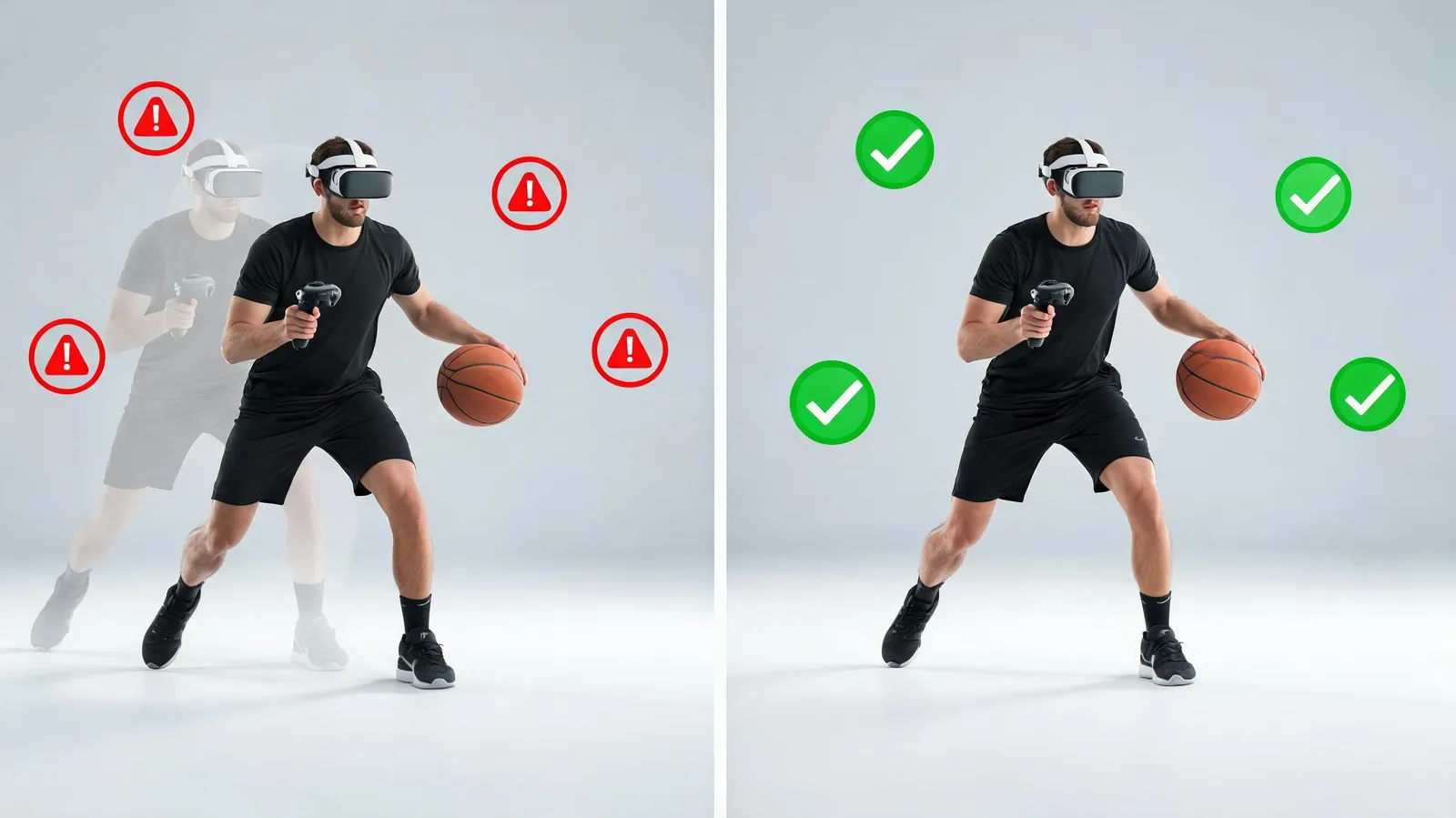
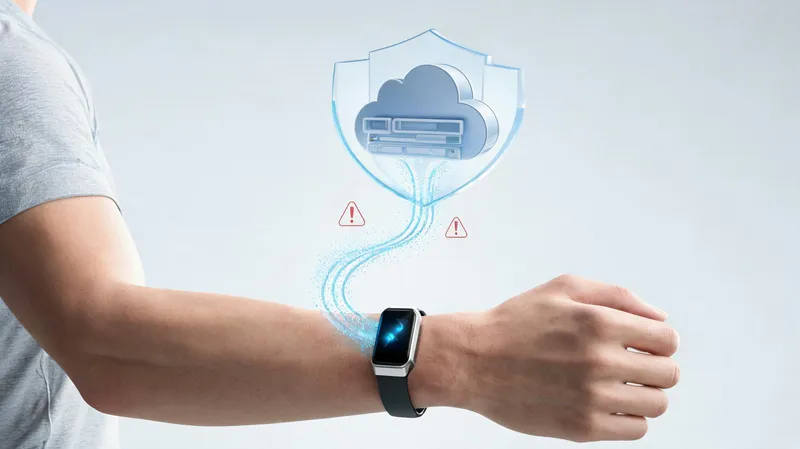
Motion-to-photon latency refers to the gap between a user's movement and the matching update shown on the display. It has a decisive influence on user experience and on how effective training is. Presence and performance thresholds are generally under 20ms for VR and under 5ms for AR. Excessive latency can trigger simulator sickness and weaken skill transfer. Technical approaches to cutting latency include edge computing, predictive tracking, and 5G/6G networks. A case study of latency-optimized VR tennis or boxing training illustrates how low latency makes realistic and effective training possible.
Developers pursue low latency by processing data nearer to the user through edge computing, by using predictive tracking algorithms that anticipate movement, and by relying on high-speed networks such as 5G. These measures cut delay, which supports seamless interaction and improved skill acquisition.
How Game Mechanics Affect Motivation and Long-Term Movement Habits
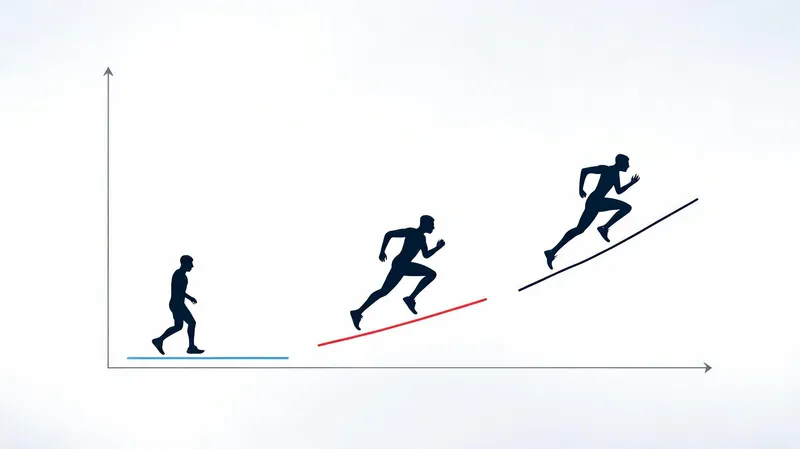
Game elements—points, badges, leaderboards, and narratives—exert a strong psychological pull on exercise adherence. Meta-analyses report greater motivation and retention in gamified fitness apps. Pokémon GO and VR rhythm games such as Beat Saber are examples that have drawn millions into physical activity. Designing for lasting habit formation calls for personalization, progression, and social connection. Behavior change frameworks such as Fogg's model and self-determination theory are applied in immersive training. Case studies of VR fitness programs that use adaptive difficulty and social challenges show engagement that holds up over time.
Tailoring challenges to a user's skill level through personalization and progression keeps motivation high. Leaderboards and multiplayer modes build community and accountability through social connection, which further supports adherence.
Pairing Eye Tracking with Pose Estimation in Immersive Coaching
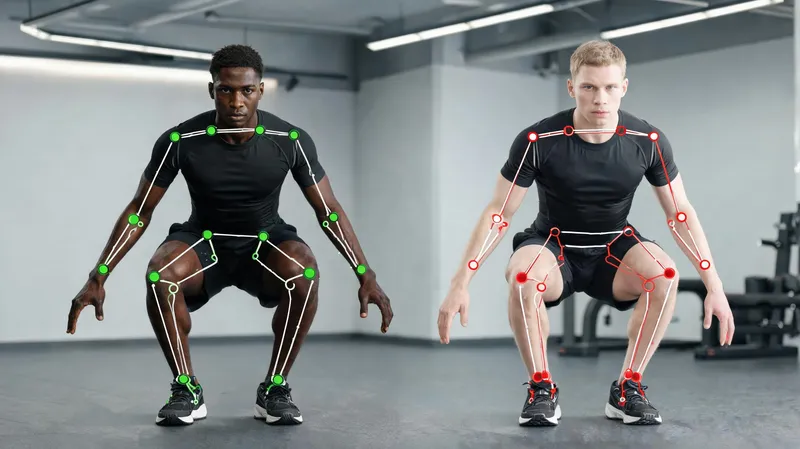
Eye tracking yields information about attention, gaze behavior, and decision-making in sport. Studies comparing the gaze patterns of expert and novice athletes uncover differences that can be trained in VR to sharpen visual search strategies and anticipation. Pose estimation supports real-time biomechanical feedback and injury prevention via markerless motion capture built on deep learning. Pairing it with AR glasses makes on-field coaching possible. Fusing eye-tracking and pose data gives coaches a more complete picture. In VR baseball batting, for example, gaze and swing are synchronized so that feedback covers both. AI-driven personalized coaching can draw on such data to optimize performance.
When eye tracking and pose estimation are combined, coaches can examine both where an athlete directs their gaze and how they move, which supports more effective training interventions and lowers injury risk.
Conclusion
Immersive movement training brings together AI avatars, low latency, game mechanics, and multimodal sensing to strengthen skill learning and lasting movement habits. These technologies widen access to high-quality training, boost sports performance, and contribute to public health. Looking ahead, AI, AR/VR, and biosensors are expected to converge into training ecosystems that are personalized, adaptive, and immersive.