Protecting Sensitive Biometric and Physiological Data in Fitness Platforms
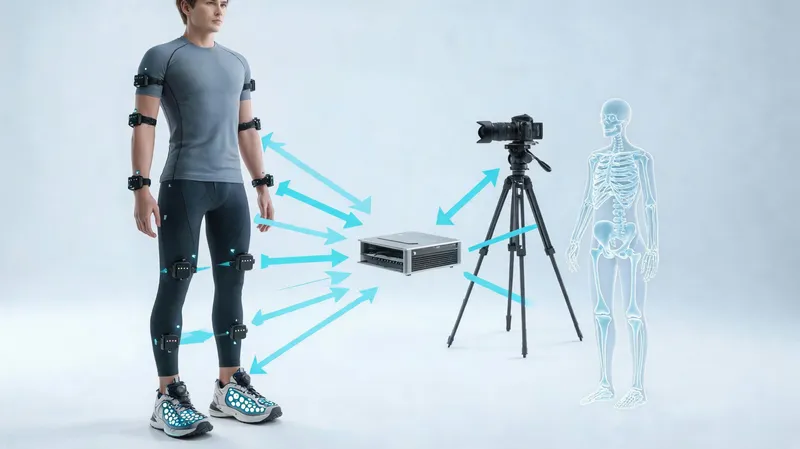
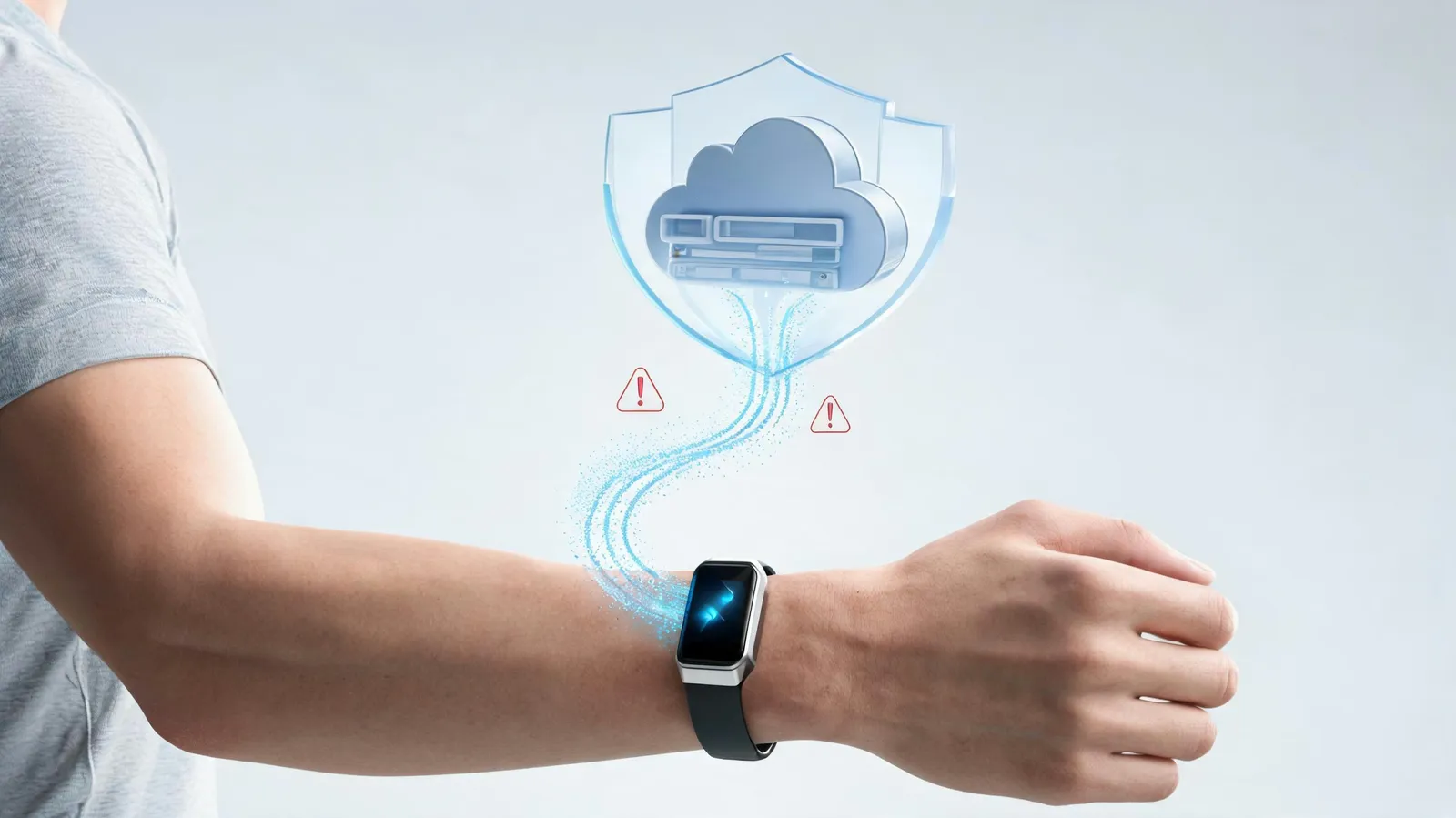
Fitness platforms collect an expanding range of sensitive physiological and biometric information, including heart rate variability, sweat composition, gait analysis, facial recognition, and continuous motion readings. Regulations such as the GDPR and CCPA treat this material as sensitive personal information, which brings strict protection obligations. Yet breaches involving fitness apps have been common, exposing records belonging to millions of users. One notable case occurred in 2020, when a widely used fitness tracking app leaked precise location data belonging to military personnel, revealing serious security weaknesses.
Pooling physiological data also creates re-identification hazards. Anonymized datasets can still be matched against other sources to single out individuals, opening the door to profiling without authorization. The consequences can include insurance discrimination or marketing aimed at people who never agreed to it. Investigations have demonstrated that anonymized fitness data can be re-identified by correlating it with public records, which underscores the importance of strong de-identification methods and tight access controls.
Making Consent Meaningful for Continuous Motion and Camera-Based Monitoring
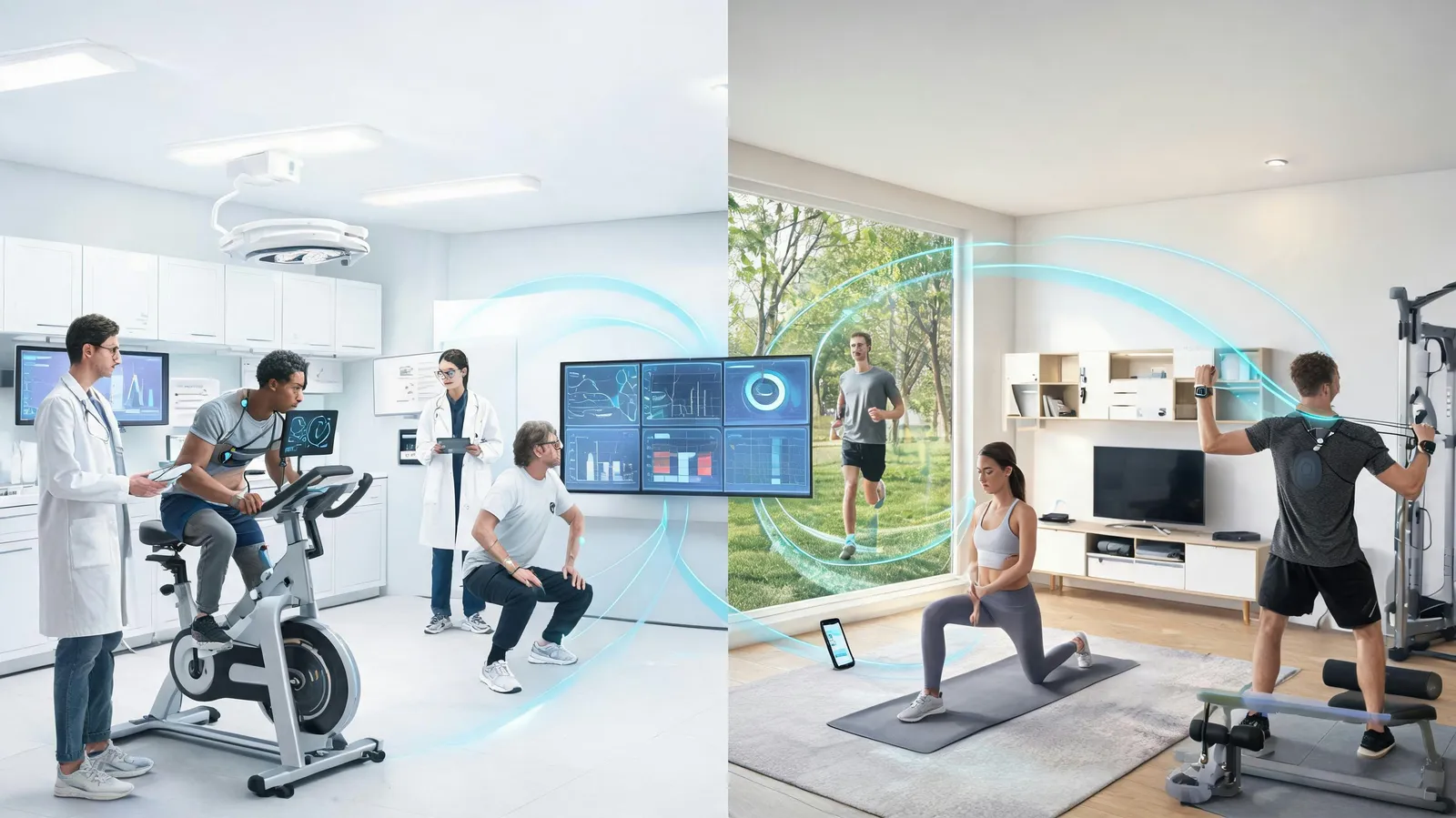
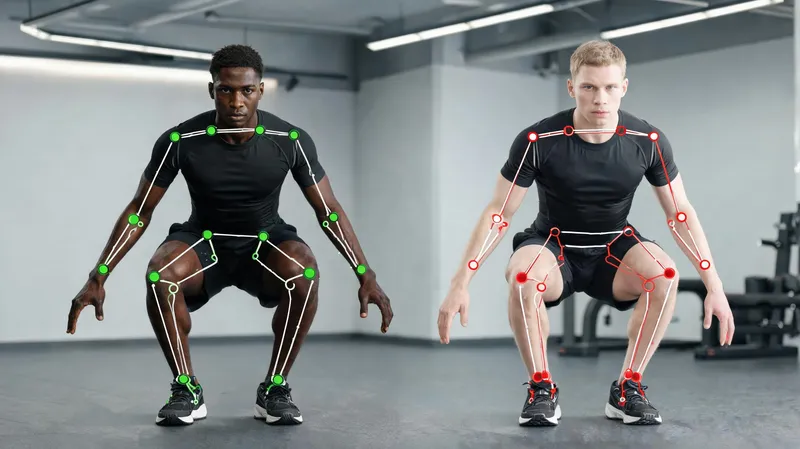
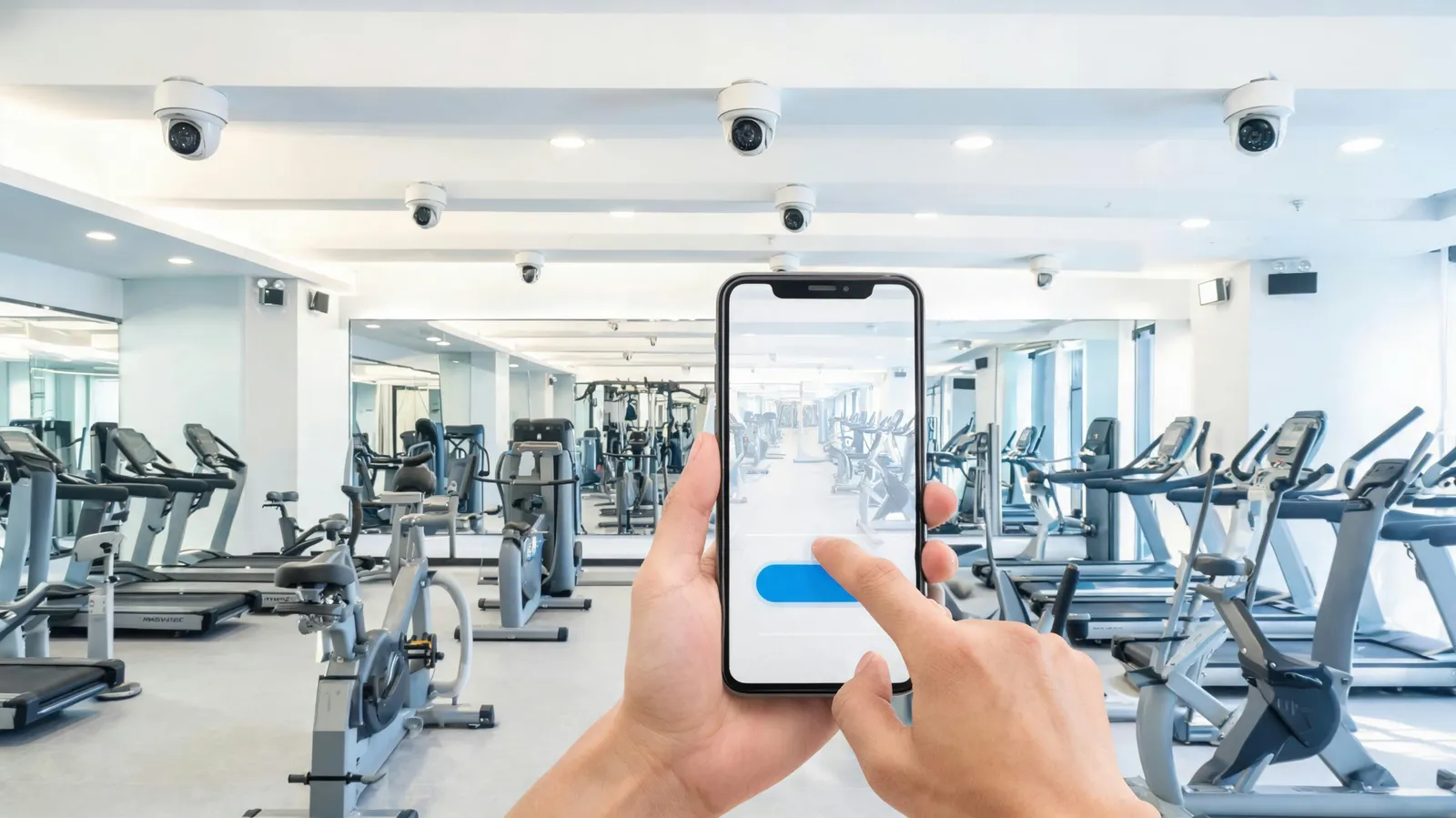
Conventional consent approaches do not fit the continuous, ambient data collection that takes place in gyms and homes. Users frequently scroll through long privacy policies and click agree without grasping how much data is gathered. Camera-based form correction tools, for instance, may record and analyze movement on an ongoing basis, which raises doubts about whether consent in such settings is meaningful. Research suggests most users do not understand what this kind of collection entails, so their agreements are not well informed.
Dynamic consent practices worth adopting include just-in-time notifications and opt-outs at a granular level. Privacy regulators advise platforms to give clear, continuing information about their data practices and to make withdrawing consent straightforward. Some platforms have built transparent consent dashboards that show users precisely which data is collected and how it is used, an approach that supports both trust and compliance.
Surveillance Concerns When Movement Tracking Reaches Workplaces and Schools
Bringing fitness tracking into workplaces and schools raises substantial ethical and legal difficulties. When employers or schools require fitness tracking, power imbalances and coercion can result. Court cases have drawn attention to workplace surveillance issues, and labor unions push for firm limits. Some companies, for example, have deployed fitness trackers to monitor employee activity, which has prompted privacy complaints and regulatory examination.
Possible benefits exist, including better productivity, safety, and health incentives, but they need to be weighed against intrusions into privacy. Research indicates that monitoring employees can raise stress levels and lower morale. Schools that adopt fitness programs need privacy safeguards, such as anonymizing data and securing parental consent, in order to protect students' rights.
Who Controls Athlete Performance Records, and Can They Move Them?
Ownership of athlete data is still unclear, with platforms, athletes, teams, and governing bodies all potential claimants. Contract disputes over athlete data have emerged as athletes seek control of their own performance records. Newer data portability rules, including GDPR Article 20, give individuals the right to obtain and transfer their data. Efforts such as the Data Transfer Project are working toward smooth portability between platforms.
For athletes, portability matters for fair competition and personal control. It lets them change platforms without losing historical performance data and share information with coaches or medical professionals when needed. Platforms that enable portability show respect for user rights and encourage loyalty.
Conclusion
Ethical data governance in fitness biometrics is more than a legal obligation; it can also be a competitive advantage. By emphasizing biometric protection, meaningful consent, safeguards against surveillance, and clear data ownership, fitness platforms can earn trust and innovate responsibly. Privacy-enhancing technologies such as federated learning and differential privacy hold promise for supporting fitness innovation without undermining user rights. As the industry develops, stakeholders need to work together on robust frameworks that protect individuals while encouraging technological progress.