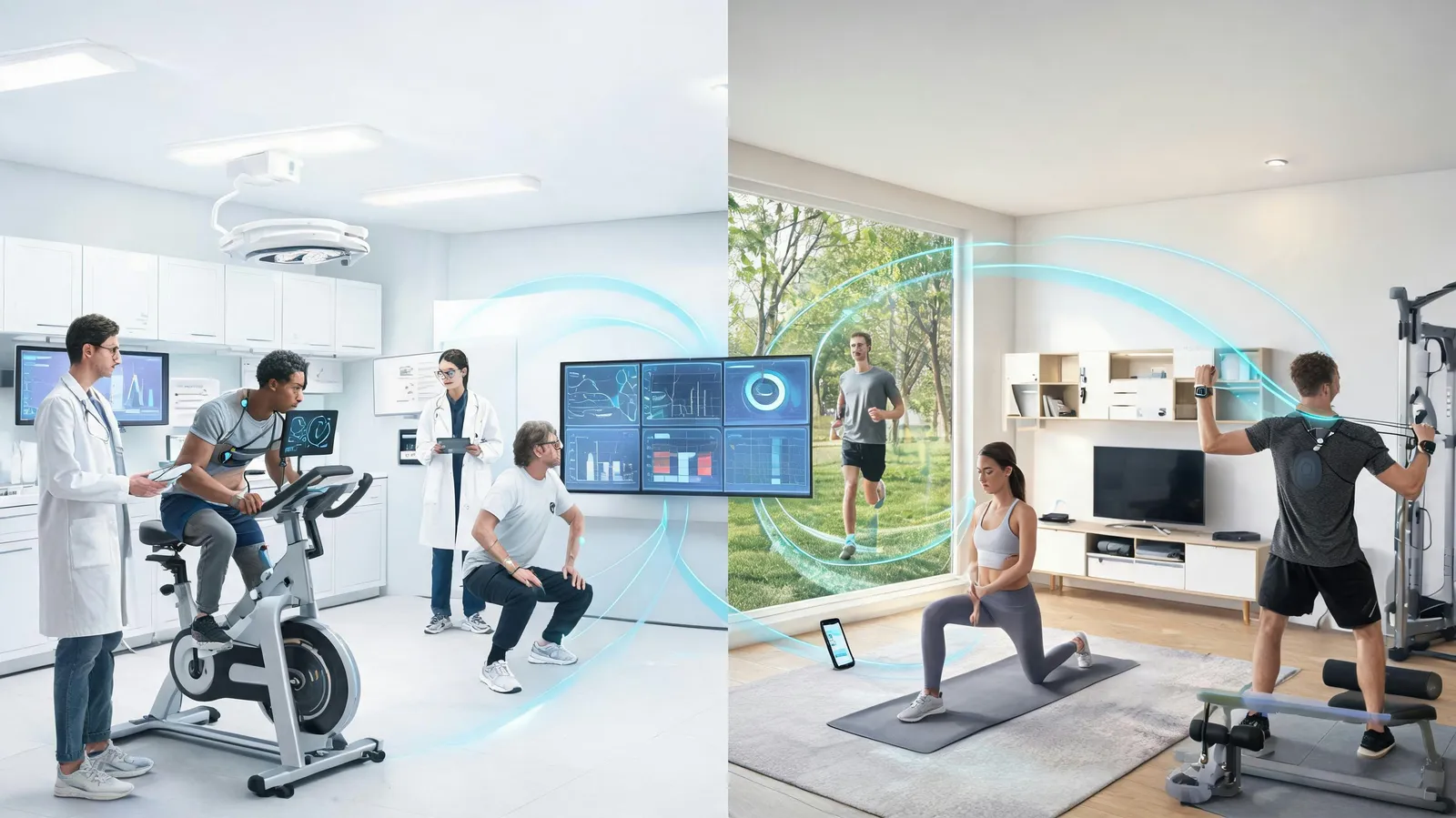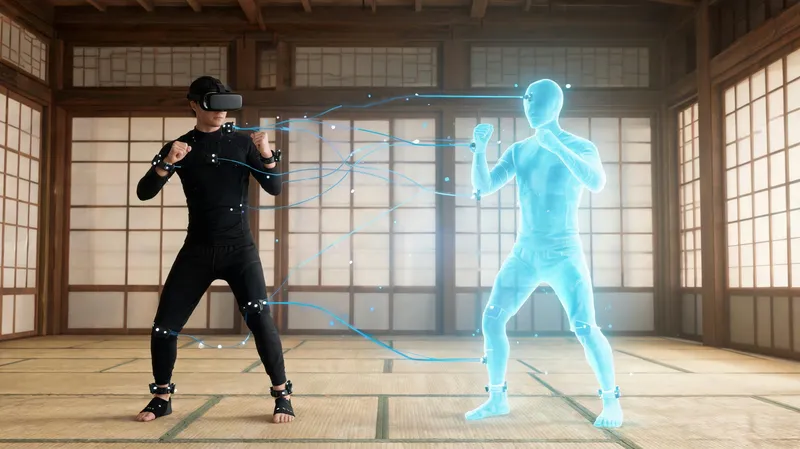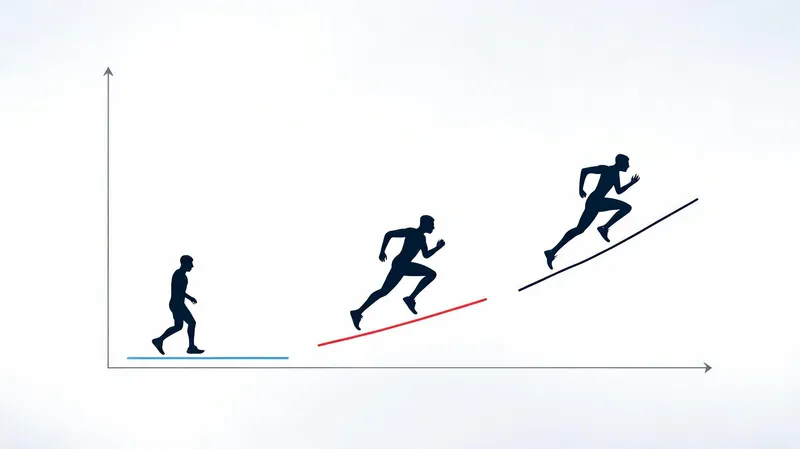
Motion capture in a laboratory setting remains the benchmark for analyzing human movement, yet its expense, complex setup, and spatial constraints keep it out of daily life. Wearable sensors—IMUs, pressure insoles, and cameras—are widespread, but each on its own is hampered by drift, noise, or a lack of contextual information. When data from these sensors are fused and processed by on-device AI, the result is accurate, energy-efficient, drift-corrected full-body motion capture that works beyond the lab, paving the way for genuine movement intelligence.
Merging IMU, Insole Pressure, and Camera Inputs for Whole-Body Capture
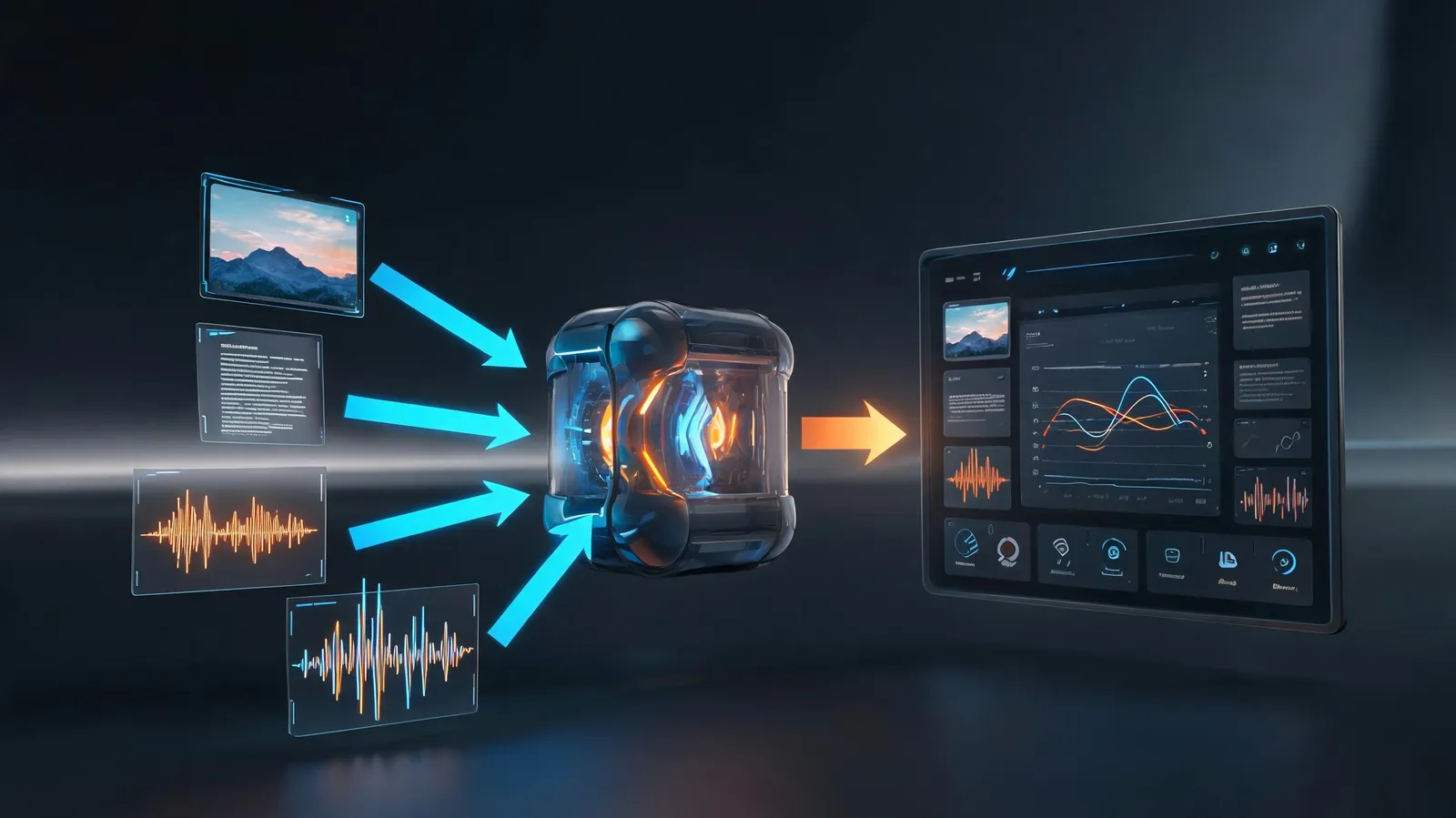
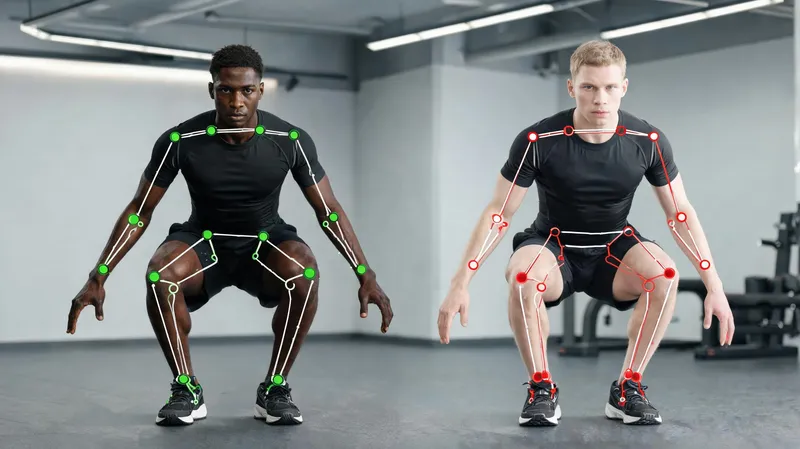
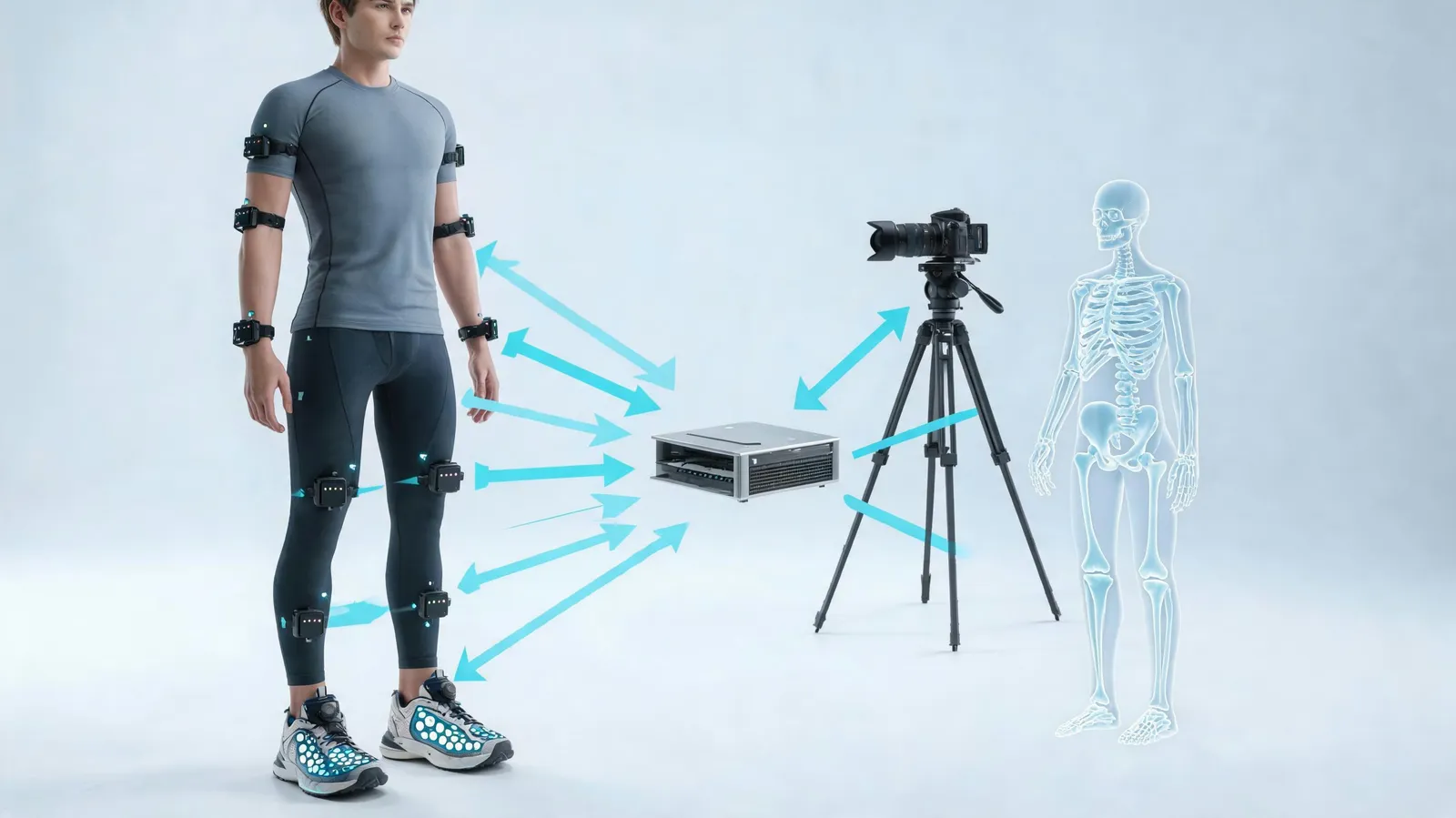
In wearable movement intelligence, combining data from inertial measurement units (IMUs), pressure insoles, and cameras marks a major advance. Every sensor type contributes distinct advantages: IMUs supply orientation and acceleration, pressure insoles measure ground contact and center of pressure, and cameras provide absolute position along with visual context. Fusion algorithms that merge these complementary streams can compensate for the shortcomings of any single sensor—such as IMU drift or camera occlusion—and deliver comprehensive full-body motion capture.
At the core of this integration are fusion algorithms including Kalman filters, factor graphs, and deep-learning architectures. Comparing these approaches highlights trade-offs between accuracy and computational demand. Kalman filters, for instance, are computationally efficient but can falter with nonlinear dynamics; factor graphs achieve higher accuracy at greater computational cost; and deep learning methods like convolutional neural networks can capture complex relationships but need large training datasets. Real-time operation on wearable hardware requires careful optimization to balance these factors.
Case studies confirm the effectiveness of fusion. Correcting IMU drift with camera-based pose estimation, for example, improves joint angle accuracy by 30% relative to IMU-only systems. Such gains matter in sports, healthcare, and rehabilitation, where precise movement tracking is essential.
Energy Efficiency and On-Device Inference for Wearable AI
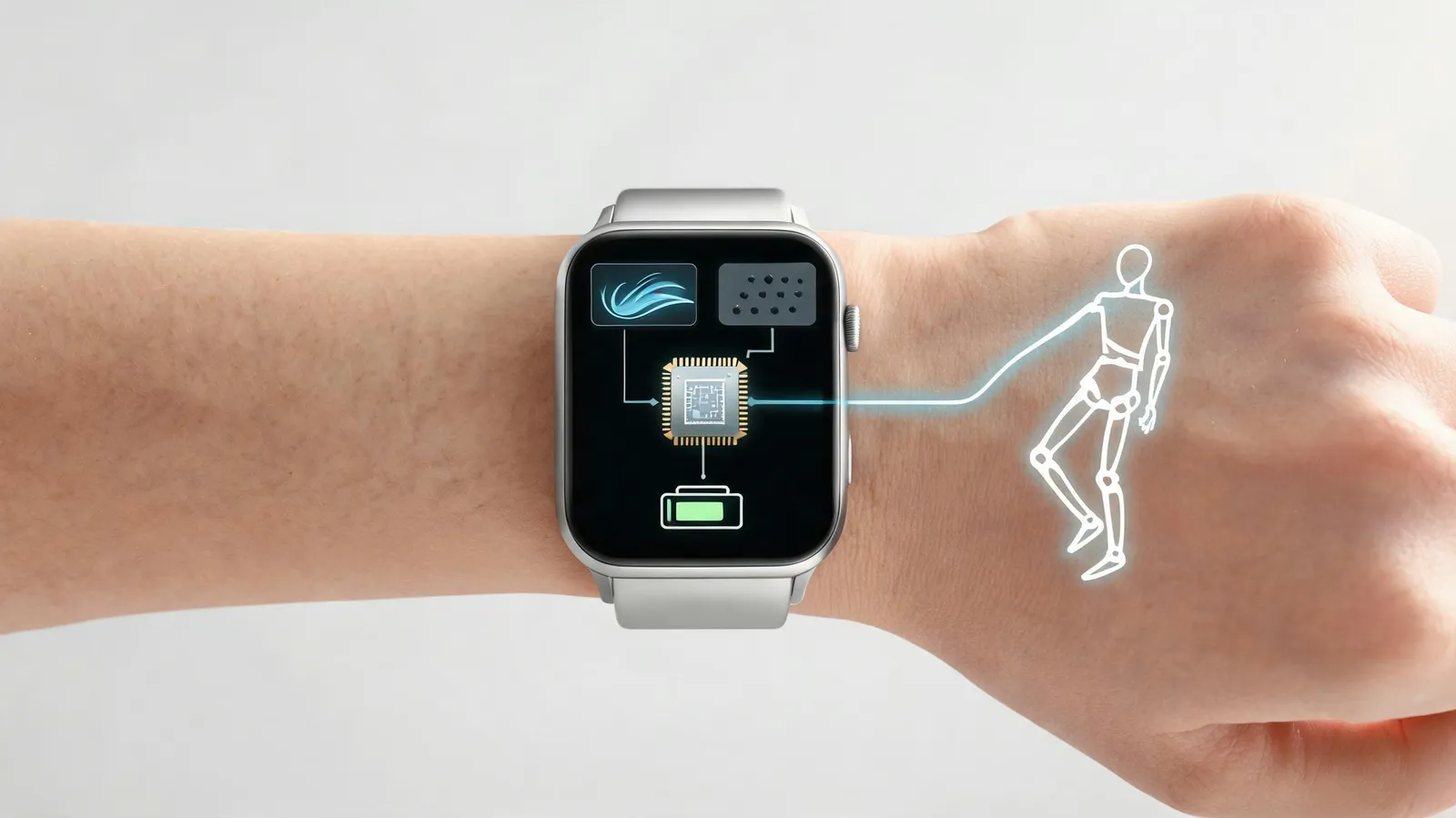
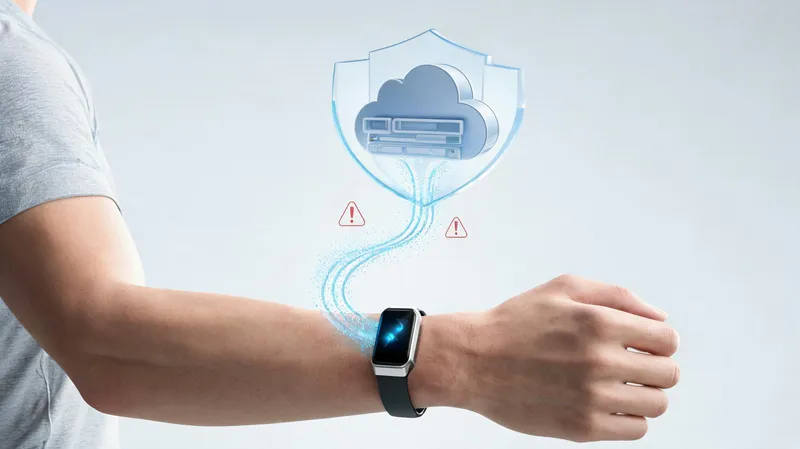
Deploying AI models on wearables with constrained battery and compute power poses substantial challenges. The key is managing trade-offs among model complexity, accuracy, and energy use. Power consumption data for various neural network architectures indicate that larger models tend to be more accurate but consume battery faster. Methods such as quantization and pruning can cut energy consumption by 50% with minimal loss in accuracy, making real-time inference possible on devices like smartwatches.
Hardware accelerators—neural processing units (NPUs) and digital signal processors (DSPs)—together with optimized frameworks such as TensorFlow Lite and PyTorch Mobile, support on-device inference. A case study of real-time motion capture using a smartwatch with a dedicated NPU shows inference latency dropping from 100 ms on CPU to 10 ms on NPU, which makes continuous tracking practical. This energy-efficient AI pipeline is essential for extended use during daily activities.
Calibration and Drift Correction for Long-Session Tracking
Sensor drift during prolonged use is a critical problem in wearable motion tracking. IMUs are affected by bias and temperature-induced drift, while pressure insoles exhibit creep and hysteresis. Quantifying drift over a 1-hour session shows a significant effect on joint angle estimation, with errors accumulating up to 10 degrees. Calibration techniques are therefore indispensable.
Effective calibration methods include auto-zeroing, model-based correction, and fusion with camera or environmental references. Periodic camera-based recalibration, for instance, reduces drift by 80%, supporting accurate long-session tracking. An algorithm for online drift estimation that uses pressure insole data can dynamically adjust IMU outputs, preserving accuracy without external references. These techniques are vital for applications such as rehabilitation monitoring, which demand continuous, reliable data.
Consumer Wearable Accuracy Versus Laboratory Motion-Capture Standards
Benchmarking studies that compare consumer wearables (e.g., smartwatches, insoles) with optical motion capture systems show that consumer devices are improving but still lag behind. Data on root mean square error (RMSE) for joint angles indicate that consumer wearables reach RMSE of 5–10 degrees during walking, but accuracy falls to 15–20 degrees during dynamic movements such as jumping. This variability across activities underscores the need for context-aware fusion algorithms.
Accuracy is influenced by sensor placement, calibration quality, fusion algorithm, and activity type. Case studies show that accuracy deteriorates during high-speed movements because of increased noise and drift. Recommendations for enhancing consumer wearable accuracy include using multiple sensor modalities, implementing robust calibration routines, and adopting adaptive fusion algorithms that respond to activity intensity. These advances are narrowing the gap between consumer and lab-grade systems.
Conclusion
By fusing IMU, pressure insole, and camera data with energy-efficient AI and robust calibration, accurate long-session motion tracking becomes possible outside the lab. This transformative potential affects healthcare, sports, rehabilitation, and consumer wellness by bringing lab-grade analysis into everyday life. Future directions include AI-driven predictive analytics, personalized feedback, and integration with augmented reality for real-time movement coaching. As wearable sensor fusion continues to evolve, it will revolutionize movement intelligence and make it accessible to all.