Introduction
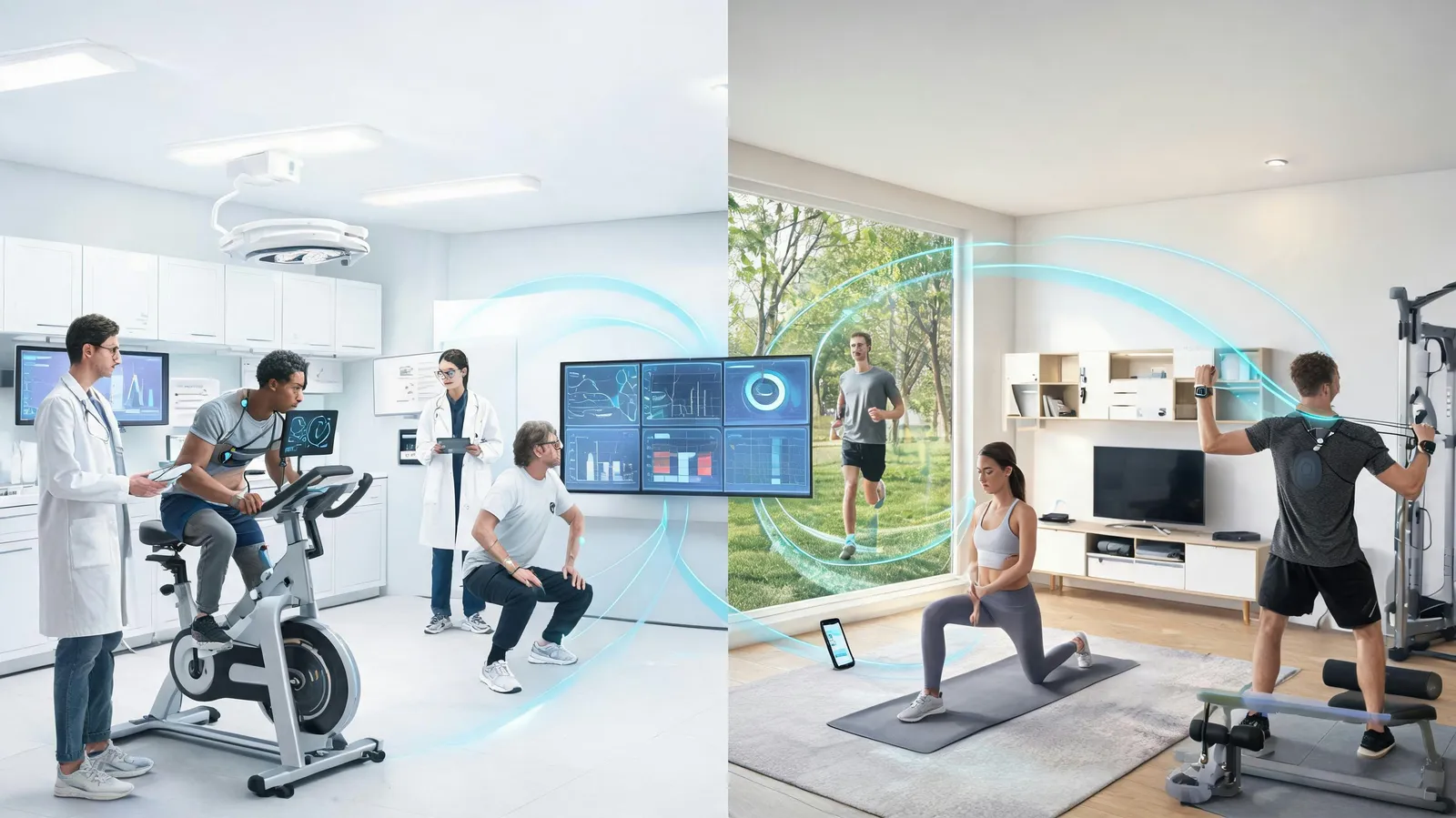
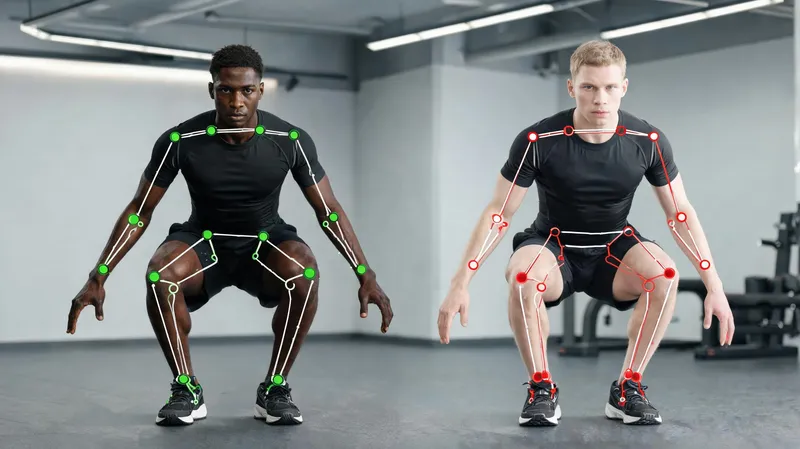
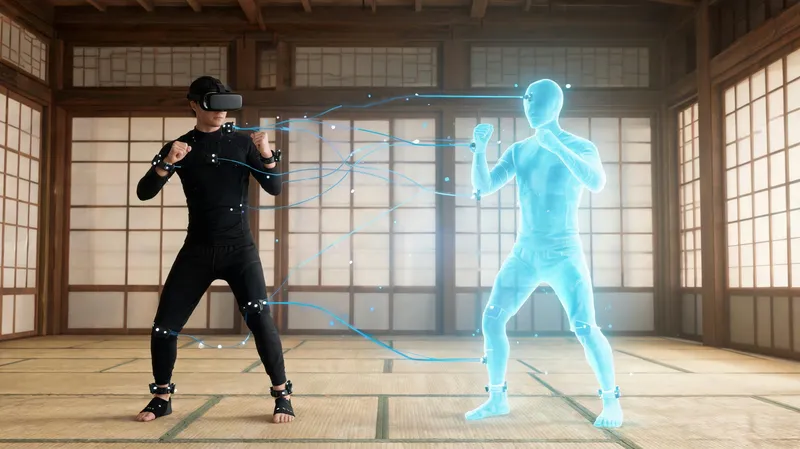
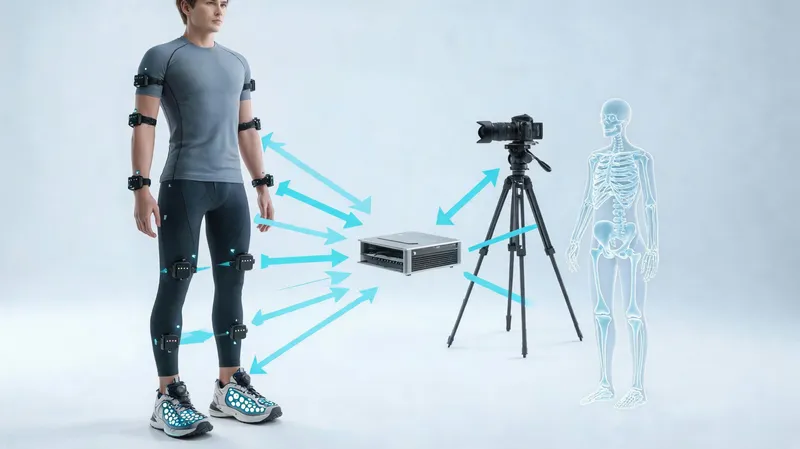
Picture a coach who can obtain immediate biomechanical feedback on an athlete's sprinting mechanics—no markers attached. Conventional motion capture is confined to laboratories, costly, and ill-suited for live athletic settings. Markerless pose estimation offers the prospect of real-time, non-intrusive analysis. Although this technology has progressed quickly, its adoption in actual coaching practice depends on overcoming four major obstacles: accuracy under rapid motion, balancing latency against frame rate, camera positioning and occlusion, and the decision between transformer and CNN architectures.
1. Accuracy of Markerless 3D Pose Estimation During Fast Athletic Movements
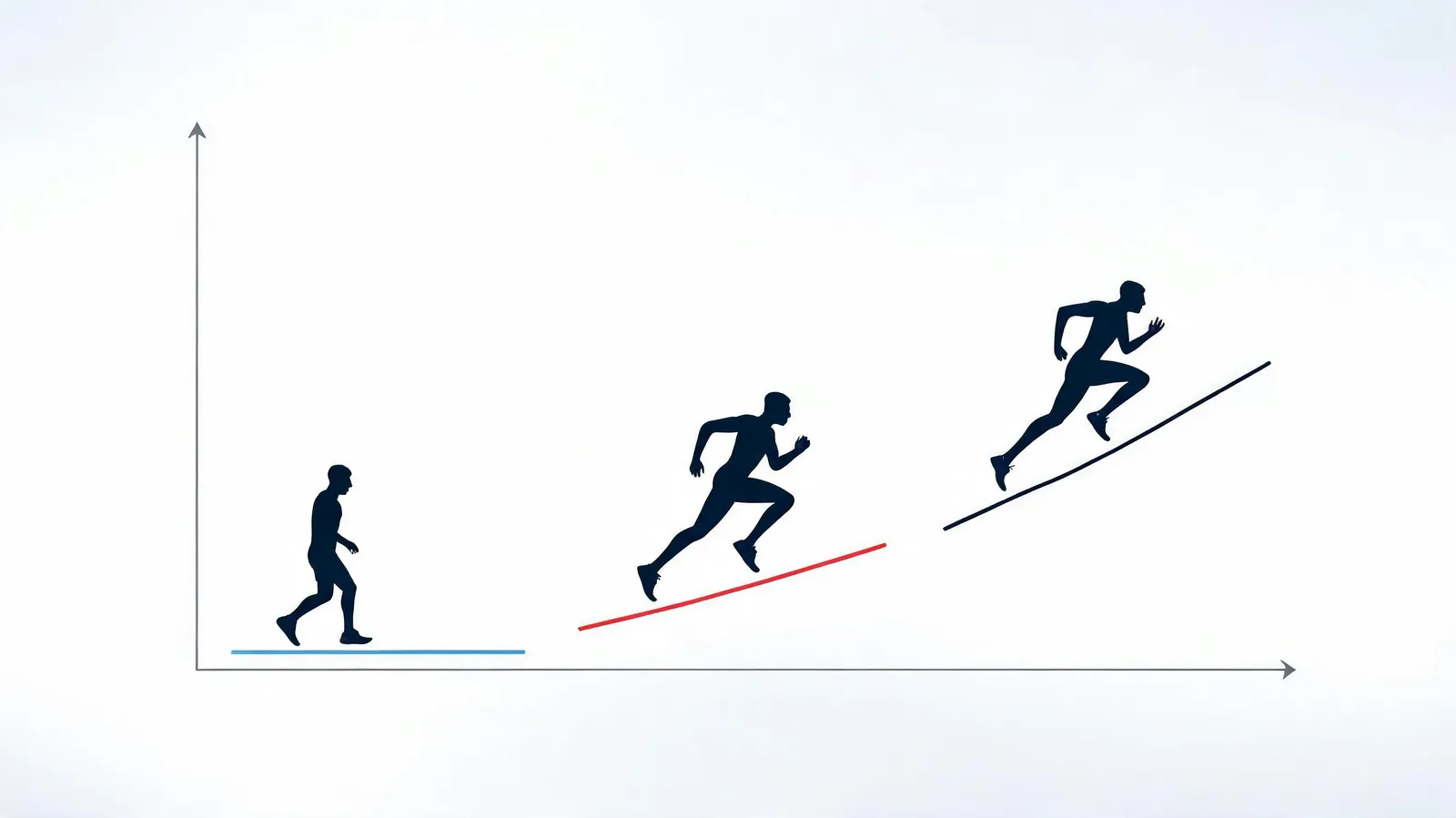
Markerless 3D pose estimation has achieved impressive advances, but high-velocity athletic actions such as sprinting or jumping strain these systems. Motion blur and temporal aliasing impair keypoint detection, producing substantial errors. Research indicates a 20–30% rise in joint angle error while sprinting relative to walking. For instance, in 100m sprint analysis, ankle and wrist keypoints go missing in more than 40% of frames. Furthermore, deriving 3D poses from 2D observations introduces depth ambiguity, particularly in fast rotational movements. Comparisons of monocular versus multi-view 3D pose accuracy in tennis serves show hip and shoulder rotation errors above 15 degrees during quick turns.
To address these problems, researchers are investigating temporal smoothing, multi-view fusion, and event-based cameras. Nevertheless, trade-offs between accuracy and speed persist.
2. Balancing Latency and Frame Rate in Live Coaching Feedback Systems
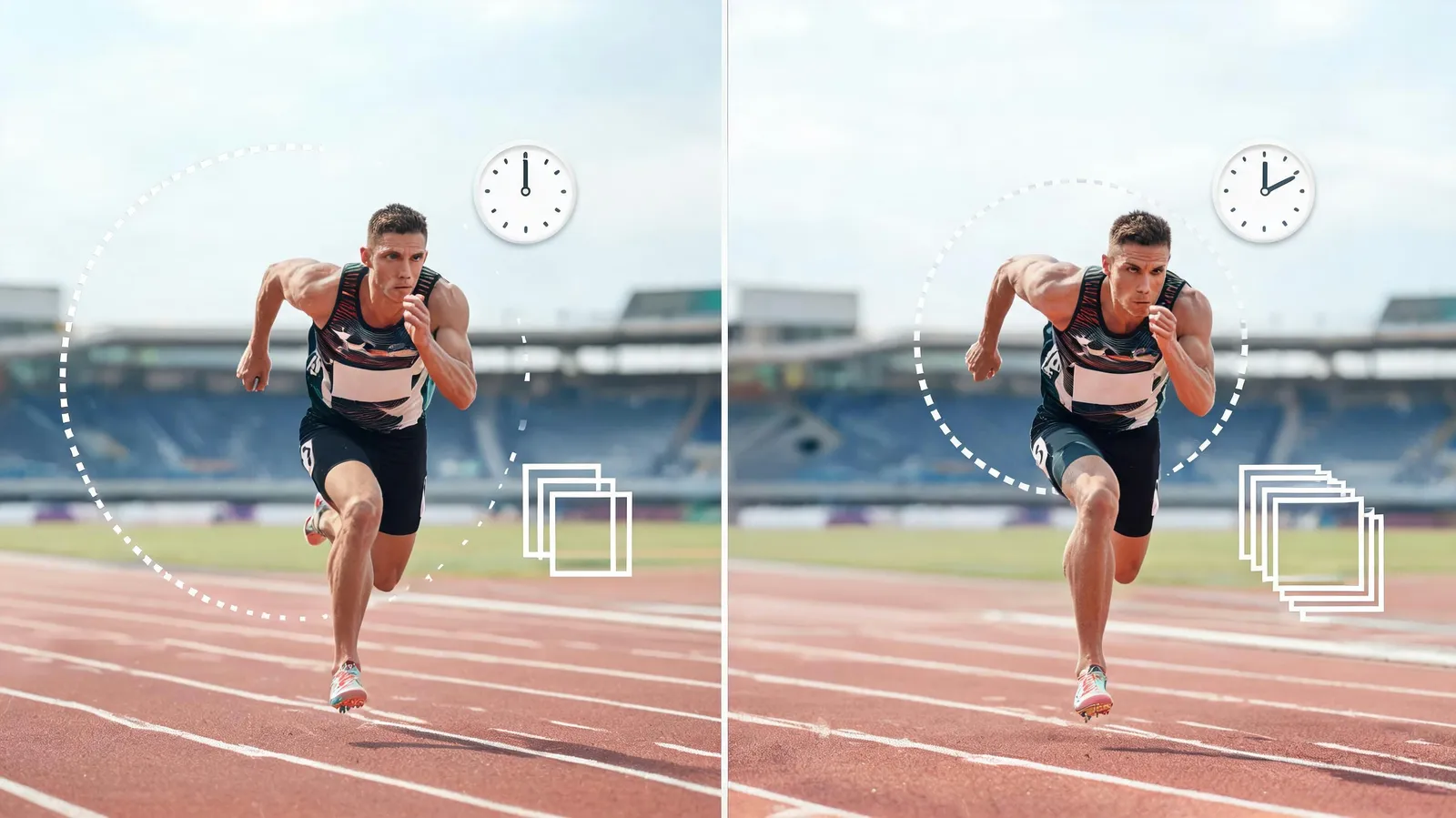
For coaching feedback to feel instantaneous, it should arrive within 100–200 ms. Human factors research on feedback delay in motor learning shows that a 300 ms delay leads athletes to mistime their corrections. Higher frame rates enhance temporal resolution but raise computational demands and latency. Benchmarks at 30 fps, 60 fps, and 120 fps on edge devices indicate that 60 fps cuts keypoint jitter by 50% while doubling inference time. Consequently, system designers need to weigh latency against frame rate according to the particular coaching situation.
3. Camera Positioning and Occlusion Management in Team Sports
In team sports such as basketball or soccer, occlusion by other players and objects results in missing or swapped keypoints. One study found that 35% of frames contain at least one occluded limb in basketball, and identity switches happen during close player interactions. Strategic camera placement (elevated, multi-view) can reduce occlusion but introduces calibration complexity. Comparisons of single- versus multi-camera setups for tracking all players show that while 4-camera systems are cost-effective, 8-camera systems offer more robust coverage. Information on cost and setup time for 4-camera versus 8-camera systems assists coaches in selecting the appropriate configuration.
4. Transformer-Based vs. CNN-Based Pose Models for Sports Applications
Transformers are adept at capturing long-range spatial dependencies but demand more computation. Benchmarks show that ViTPose improves accuracy by 5–10% over HRNet yet requires 2–3 times more GPU memory. CNNs are faster and better suited for edge deployment, though they may struggle with complex poses. Comparisons of MobileNet-based pose models against transformer models on Jetson devices reveal that CNNs achieve higher frame rates and lower power consumption. The selection hinges on the application's accuracy and latency requirements.
Conclusion
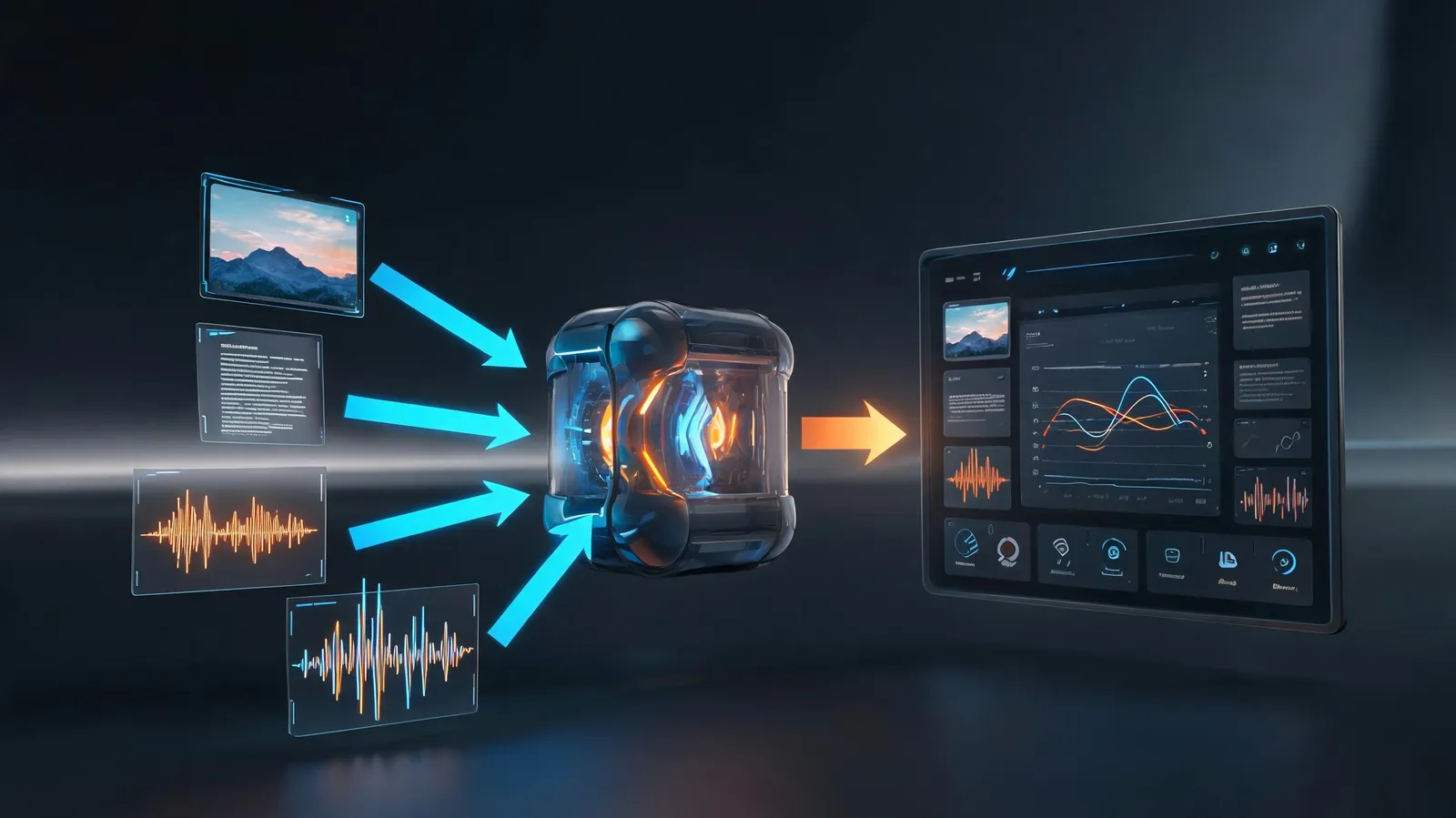
Real-time pose estimation for sports coaching confronts four central challenges: accuracy during fast motion, latency versus frame rate, occlusion and camera placement, and model architecture selection. No single approach works for every situation; coaches must balance accuracy, speed, and cost according to their sport and environment. Future progress in hybrid models (CNN + transformer), edge AI, and multi-modal sensing holds promise for overcoming current limitations and enabling genuinely real-time, markerless coaching feedback.