Overview
Forecasts place the worldwide fitness app sector above $30 billion by 2030, and personalized AI is expected to be among the main forces behind that expansion. Feedback and motion-analysis tools are spreading beyond research settings into everyday consumer products, professional athletics, and occupational safety. For companies with a stake in this space, grasping the market forces, the reasons users and organizations adopt these tools, and the ways they can be sold is essential to capturing value from the shift.
AI Feedback as a Driver of Consumer Adoption and Retention
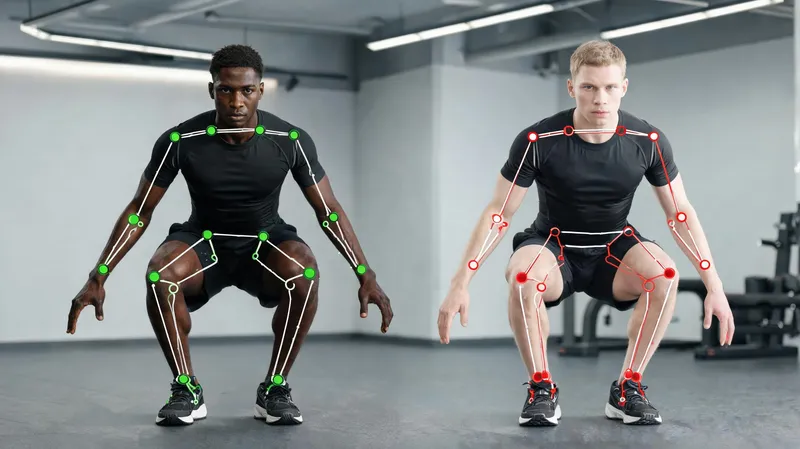
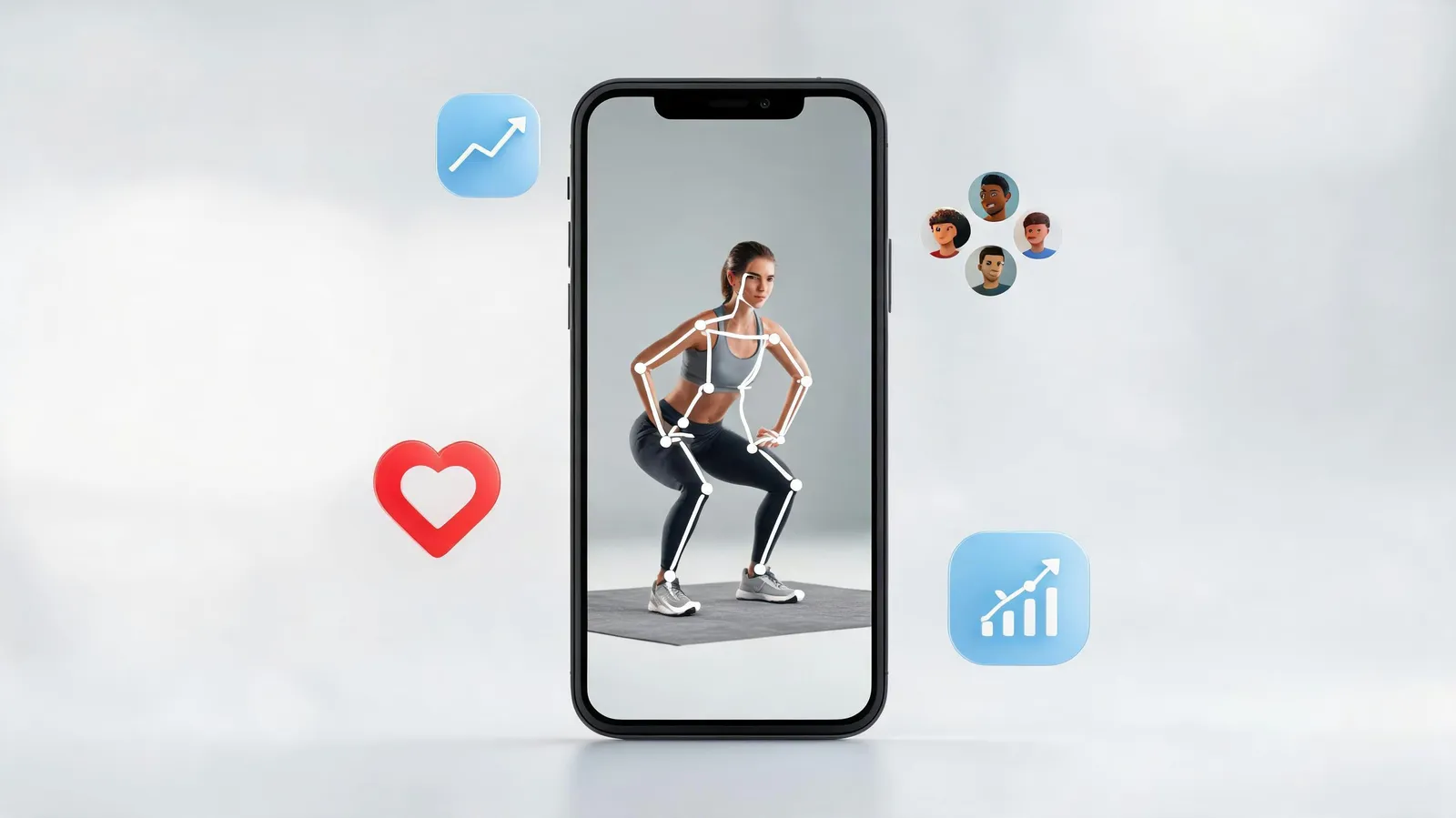
Real-time corrections to exercise form and workout plans that adjust to the individual help users stick with a program. Apps offering AI feedback, for instance, show 30-day retention rates 25% higher than those without it. In survey responses, 68% of users name personalized feedback as a leading reason they keep using an app.
AI-enhanced gamification and social features also encourage people to open the app day after day. AI-driven challenges and leaderboards, for example, lift session frequency by 40%. There is also data on how churn falls once AI nudges are introduced.
Movement-Analysis Platforms in Elite Sport and the Military
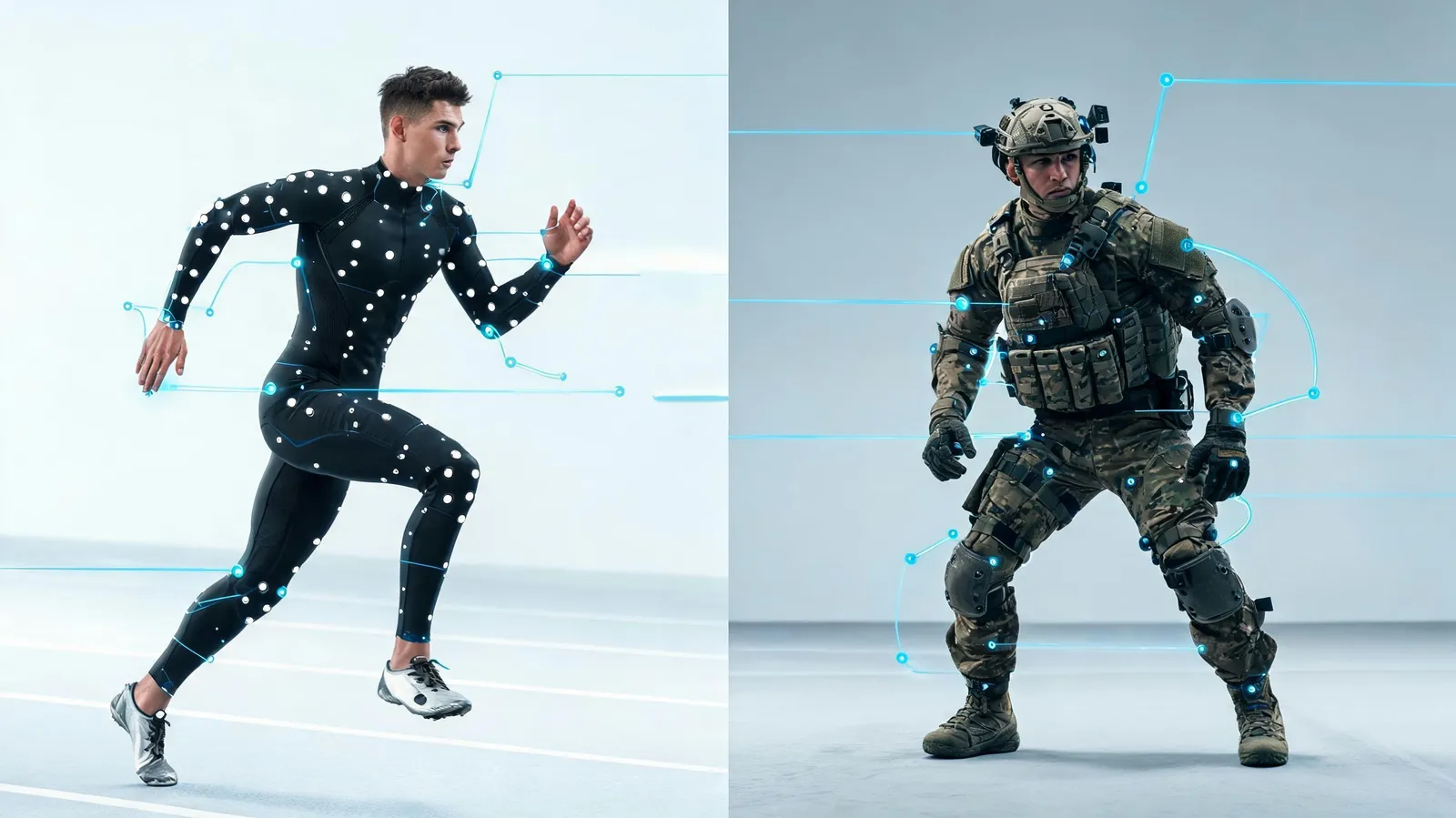
Teams in professional sports put money into AI motion capture to prevent injuries and sharpen performance. One example: NBA franchises using AI to cut ACL injuries by 30%. The return is measurable — injury reduction saves $5 million per season in player salaries.
Military organizations are turning to AI movement analysis for training, rehabilitation, and tactical evaluation. The U.S. Army, for instance, has used AI to improve marksmanship and lower musculoskeletal injuries. On procurement, budgets for wearable sensors and AI analytics are trending upward.
Business Models Serving Clinics, Teams, and Insurers
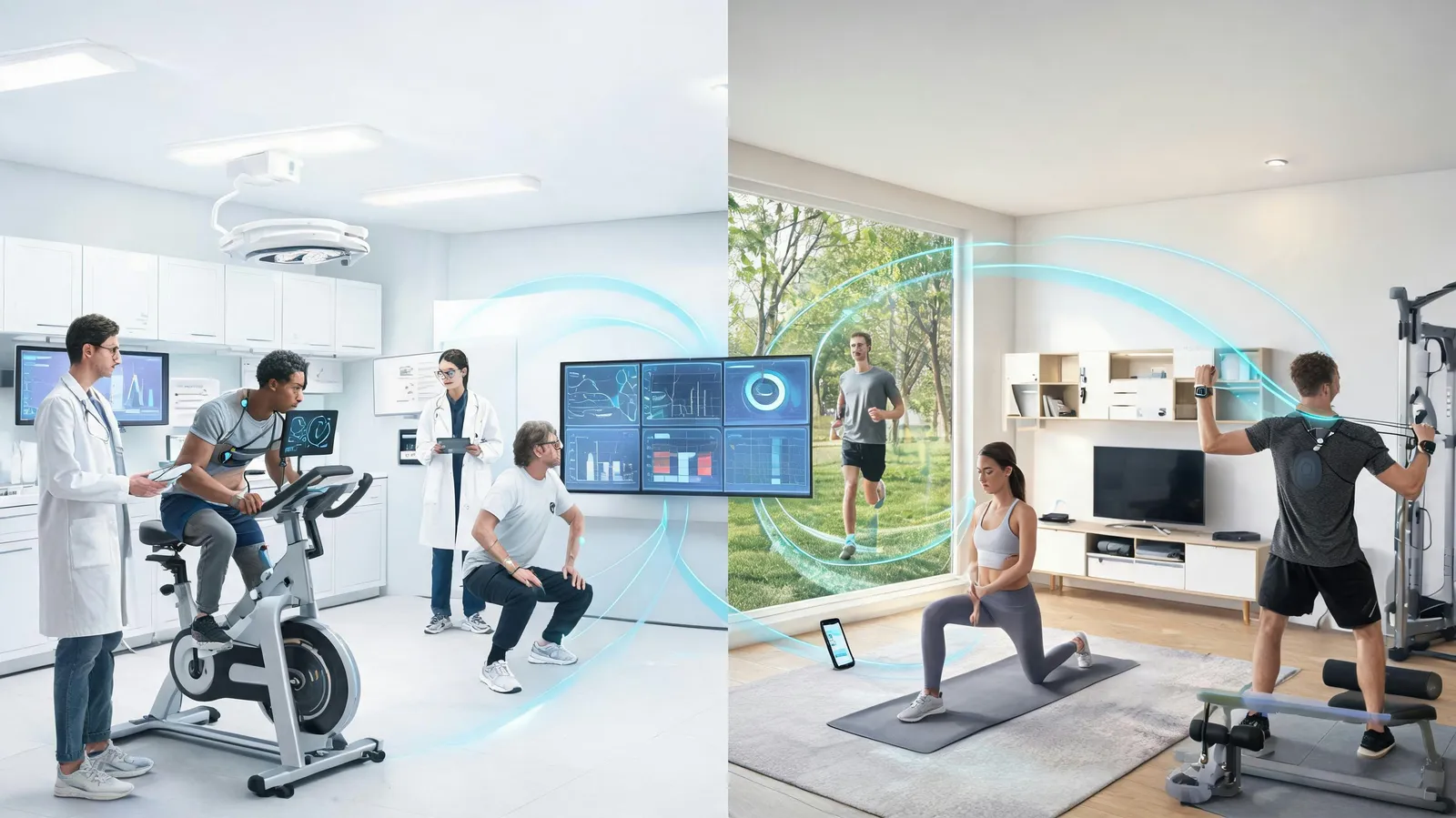
Clinics and rehabilitation centers can buy subscription SaaS. One AI platform, for example, charges $200 per month per clinic; at 500 clinics that comes to $1.2M in annual recurring revenue. Better patient outcomes, in turn, can support higher reimbursement rates.
Sports teams and insurers can enter partnership arrangements covering risk assessment and premium reductions. One insurer, for instance, gives discounts to policyholders who use AI ergonomic monitoring, and reports 15% fewer claims. AI vendors and teams also strike revenue-sharing agreements.
What Employers Gain from Ergonomic AI Monitoring
Cutting musculoskeletal disorders (MSDs) in the workplace produces substantial savings. In one study, companies using AI ergonomic monitoring recorded 40% fewer MSD claims, with an average ROI of 300% within two years.
AI-driven ergonomic interventions also support productivity and employee satisfaction. Absenteeism drops by 20%, according to the data. In surveys, 85% of employees say they feel less discomfort when adjustments are guided by AI.
Conclusion
AI feedback strengthens consumer retention, attracts buyers in elite sport, supports a range of business models, and delivers returns for employers. Where technology, business, and health intersect, a significant market opportunity is taking shape. Commercialization should widen further as AI combines with AR/VR, real-time biomechanics, and predictive analytics.