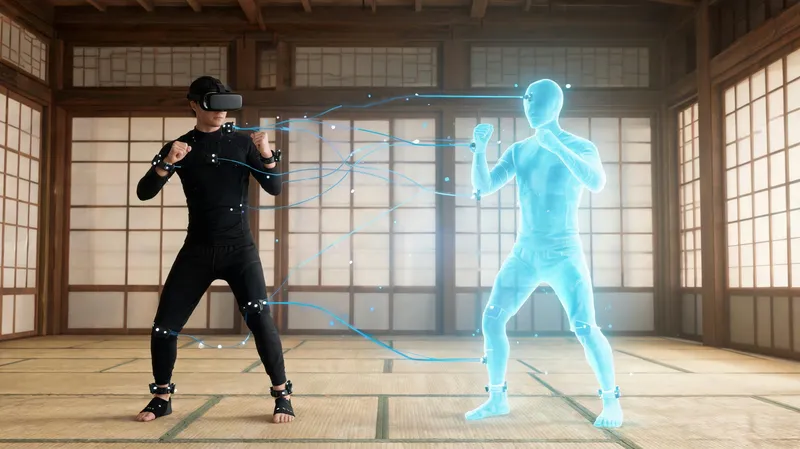
More than 50% of strength athletes will deal with an injury caused by faulty technique at some point. Because coaching by eye is subjective, small errors—particularly in rapid movements such as the snatch—can slip past even experienced observers. AI tools now flag technique problems automatically, tailor recommendations to the individual, and feed corrections back in real time, which supports safer and more productive training.
Spotting Technique Errors in the Squat, Deadlift, and Olympic Lifts
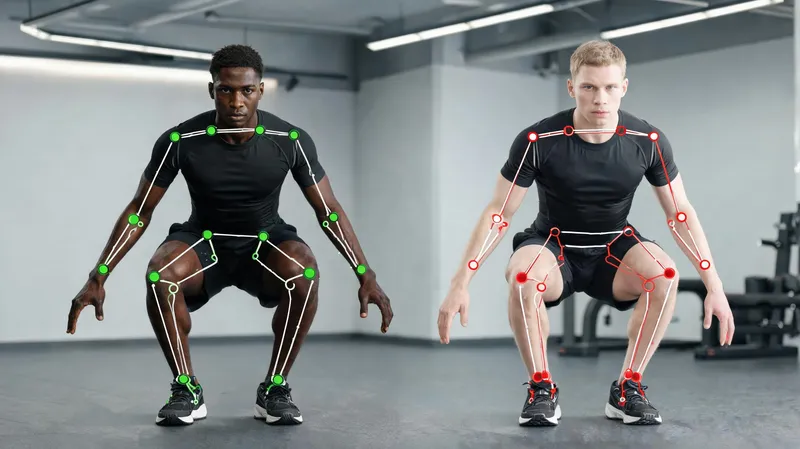
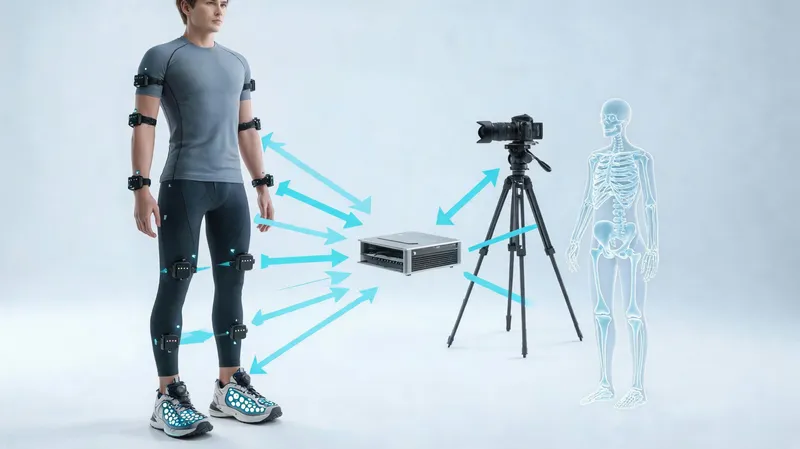
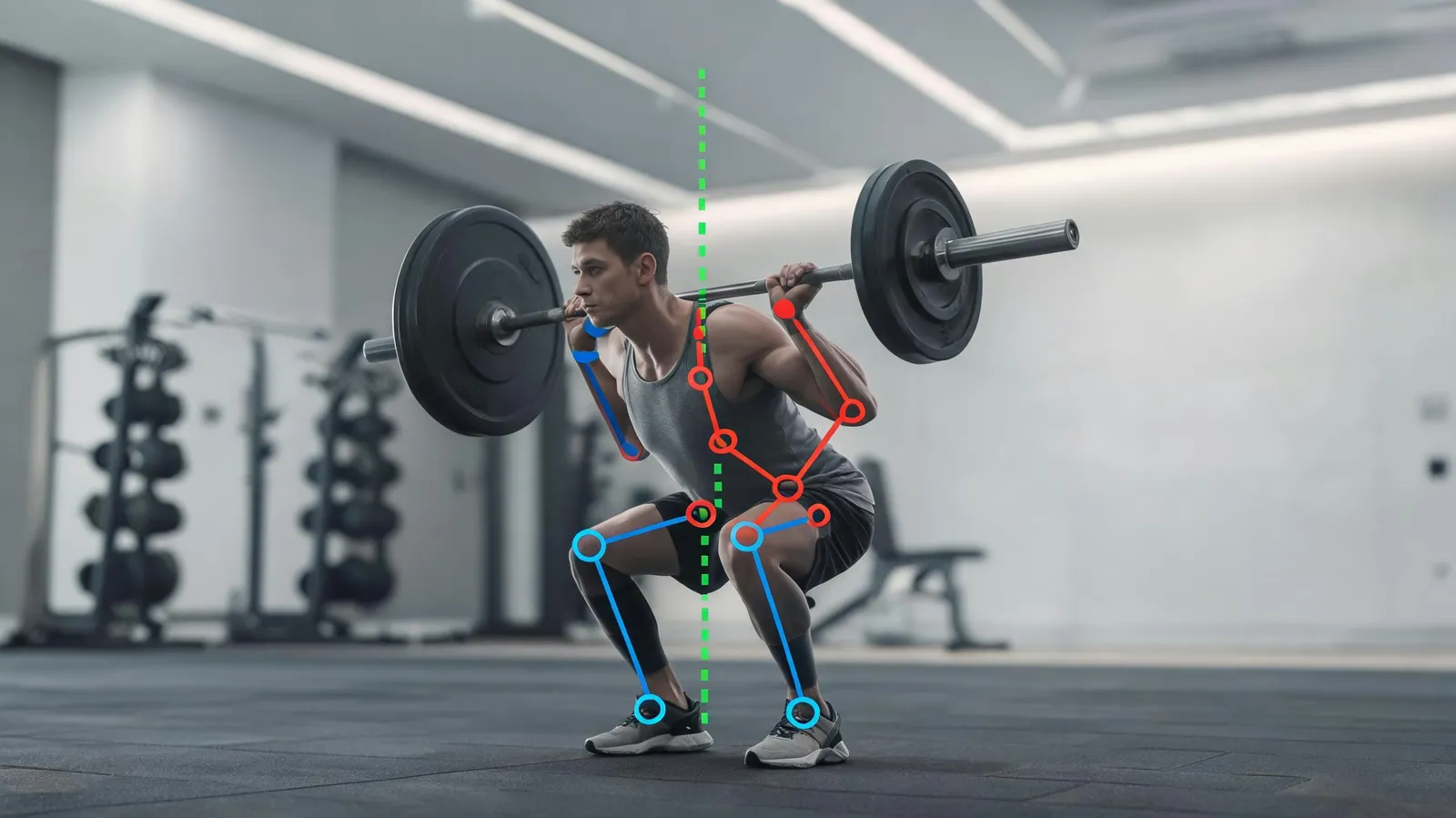
To catch common mistakes in the major lifts, AI systems draw on computer vision and wearable sensors. Computer vision examines barbell trajectories and joint angles, picking up issues such as knee valgus in the squat, a rounded back in the deadlift, and early arm bend in the clean. Research indicates that AI models reach accuracy above 90% when compared with human experts. Wearable sensors, meanwhile, measure velocity and acceleration and expose bar path deviations that tend to accompany failed lifts. One case study showed AI identifying fatigue-driven form breakdown before the athlete noticed it.
Such tools deliver objective, data-based insights that let athletes and coaches fix technique ahead of injury.
Load and Tempo Guidance Tailored to Movement Quality
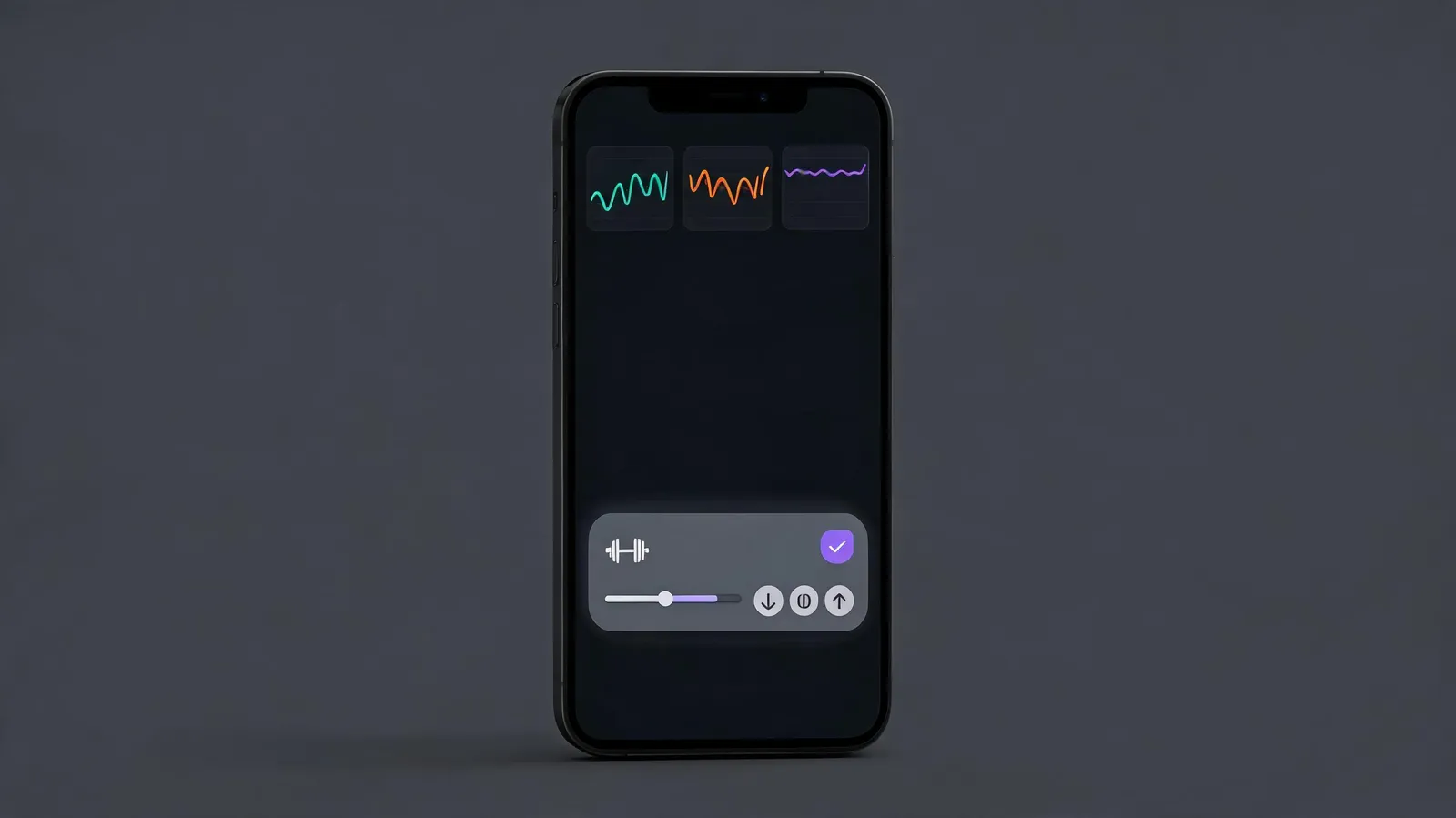
AI algorithms modify load in response to form assessments made in real time. Studies point to lower injury rates when load is auto-regulated, and AI can recommend a deload once form starts to deteriorate. Tempo and velocity-based training prescriptions are adapted to the individual. Data shows greater power output when tempo is AI-guided, and one sprinter used AI to fine-tune squat tempo for speed.
With these individualized recommendations, athletes train at an intensity that matches their current movement quality, which helps maximize gains while limiting risk.
Haptic and Audio Cues Delivered During the Lift
Wearables can supply haptic feedback—a vibration on a belt or wristband, for example—that gives an immediate cue for correcting form. Reaction-time research suggests haptic cues can work well for real-time bar path correction. Audio cues delivered through earpieces or speakers also lower injury risk. One powerlifter relied on audio cues to hold back position during heavy lifts.
Because this feedback loop operates in real time, athletes can adjust instantly and reinforce correct technique.
Keeping Novices from Leaning Too Heavily on AI Cues
AI feedback is powerful, yet depending on it too much can get in the way of skill development. Work on motor learning and the guidance hypothesis indicates that athletes may tune out intrinsic feedback and struggle once AI is removed. One response is to design AI systems that fade their feedback as skill improves. Adaptive algorithms cut back cues over time, which helps novices move toward self-regulation.
For long-term athletic development, the key is balancing AI guidance with independent skill acquisition.
Conclusion
By detecting faults, individualizing training, delivering real-time feedback, and limiting overreliance, AI is reshaping strength training. It supports injury prevention and performance and widens access to expert coaching. Combining it with virtual reality and predictive analytics in the future holds promise for more holistic athlete development.