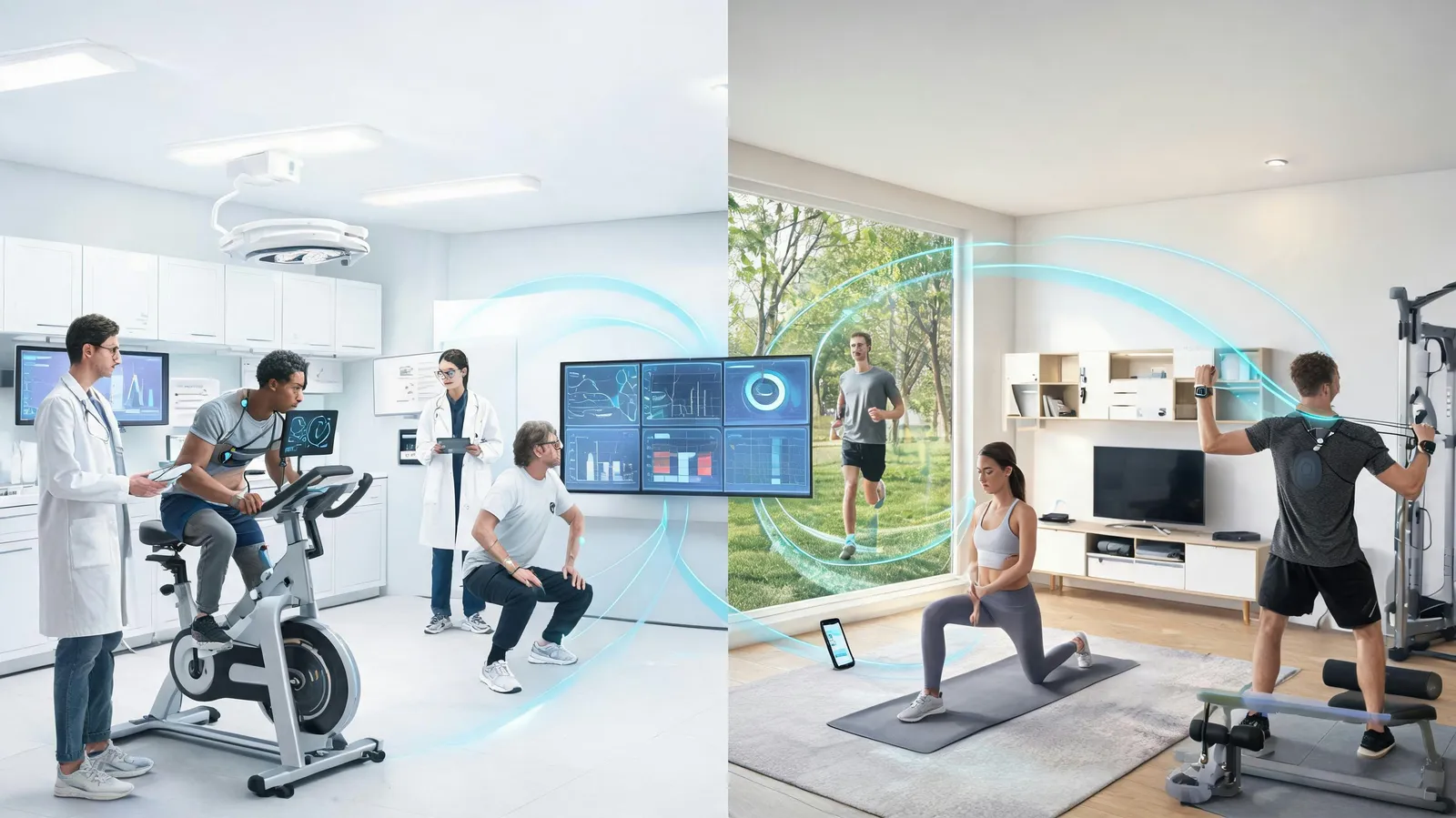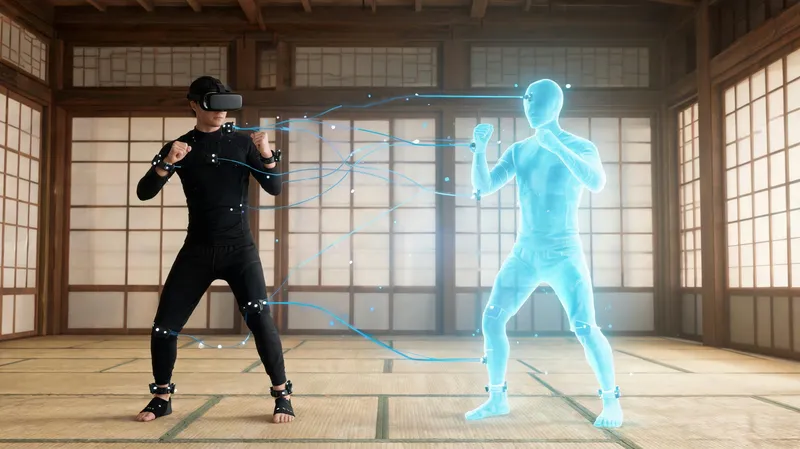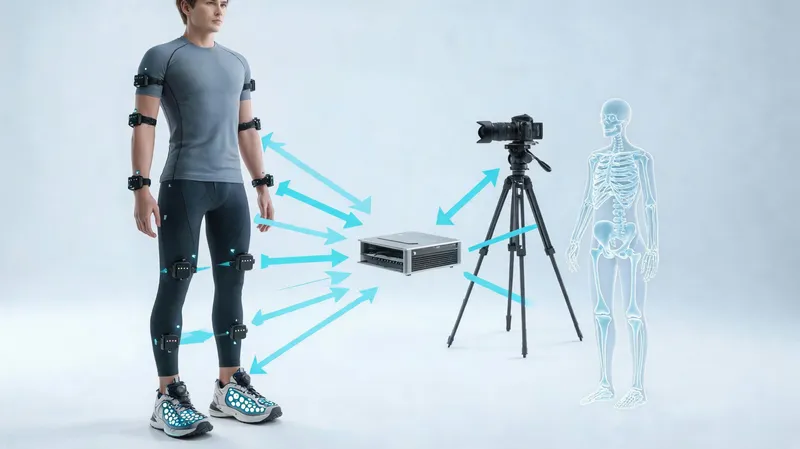
A coach who can perceive every movement, listen to every breath, and track every heartbeat—while still trusting human instinct for the decisive call—is no longer a speculative idea. It is the direction sports coaching is already moving in, shaped by foundation models, multimodal AI, and arrangements in which humans and machines share the work. The technologies discussed here are framed as tools that extend human expertise rather than replace it, and they are already influencing how athletes are developed across the United States.
Motion Foundation Models and Transfer Learning Across Sports
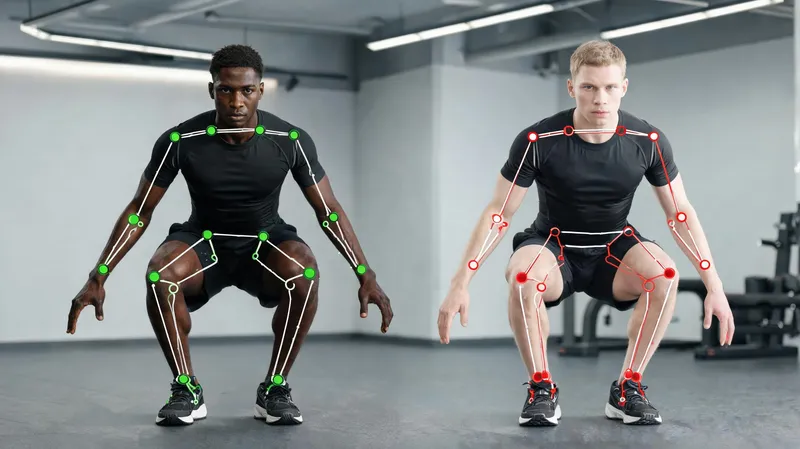
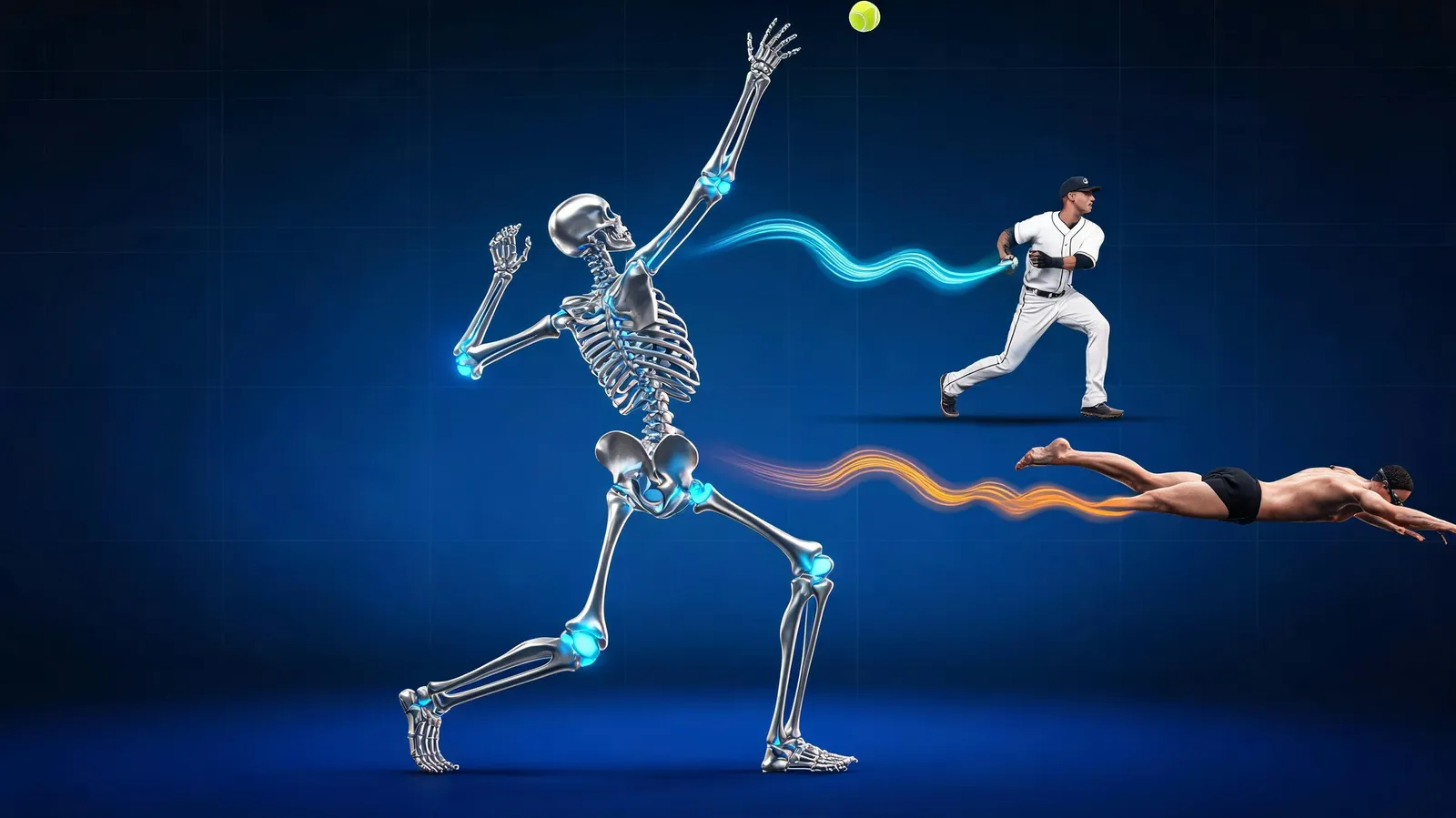
When a model is pretrained on very large motion datasets—mocap and video among them—it can then be adapted to a particular sport with only a small amount of additional data. This is transfer learning, and it lets coaches carry insights from one discipline into another. A model built on gymnastics routines, for instance, can be adjusted for diving, while a running model can inform cycling technique. Recent studies indicate that transfer learning can cut the data needed for a new sport by as much as 80%, which makes AI support realistic for niche sports that could not assemble extensive datasets on their own.
Cross-sport injury prevention is another benefit. Coaches can compare movement patterns across activities, spot shared risk factors, and design interventions aimed at them. A case study from the University of Michigan found that applying tennis stroke models to refine baseball pitching mechanics reduced shoulder injuries among collegiate pitchers by 25%. Running gait analysis, meanwhile, has been used to help prevent ACL injuries in soccer players. Such findings suggest that foundation models can dissolve the boundaries between sports and support a broader view of athlete development.
Multimodal LLM Coaches: Combining Video, Voice, and Biometrics
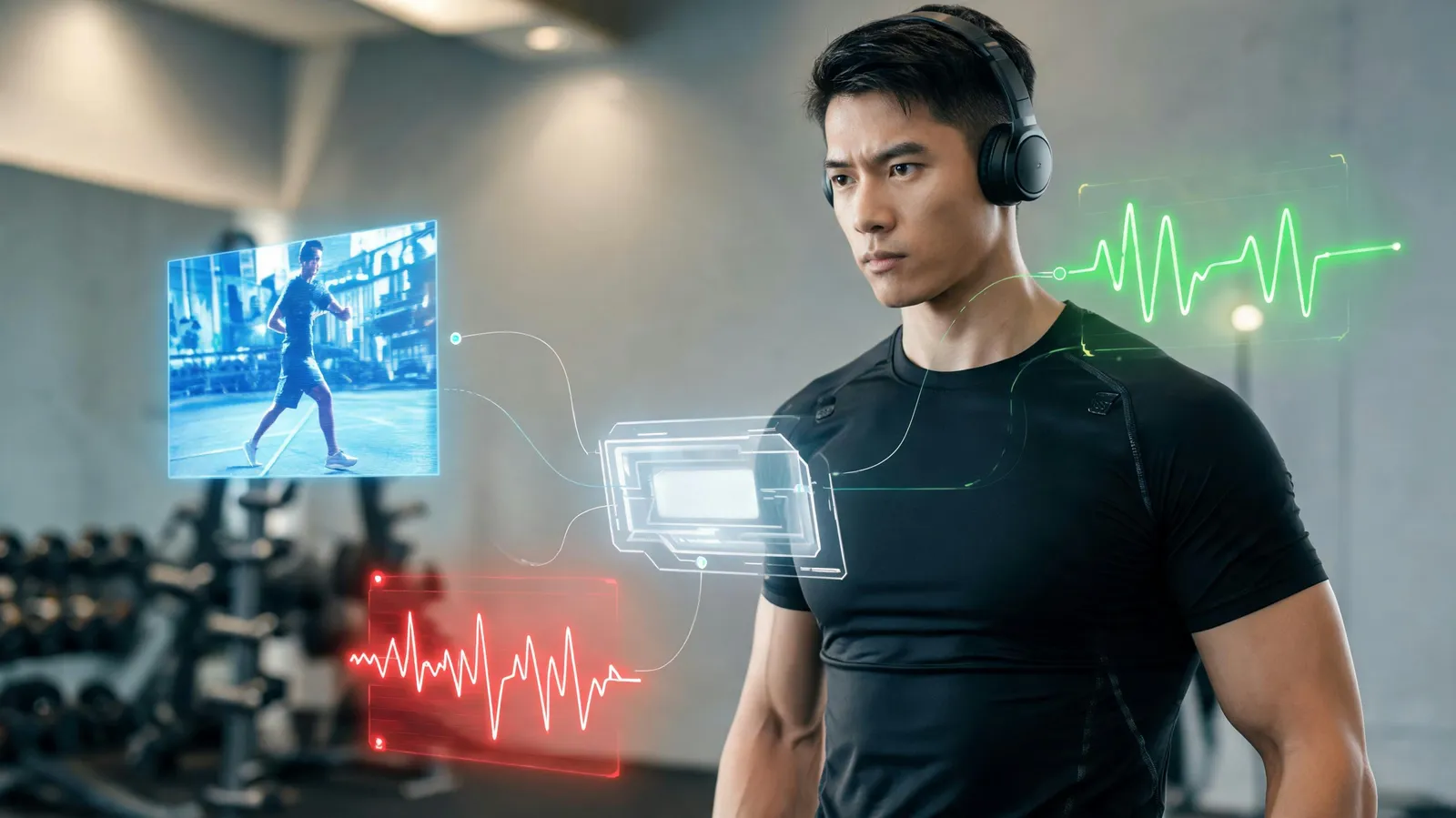
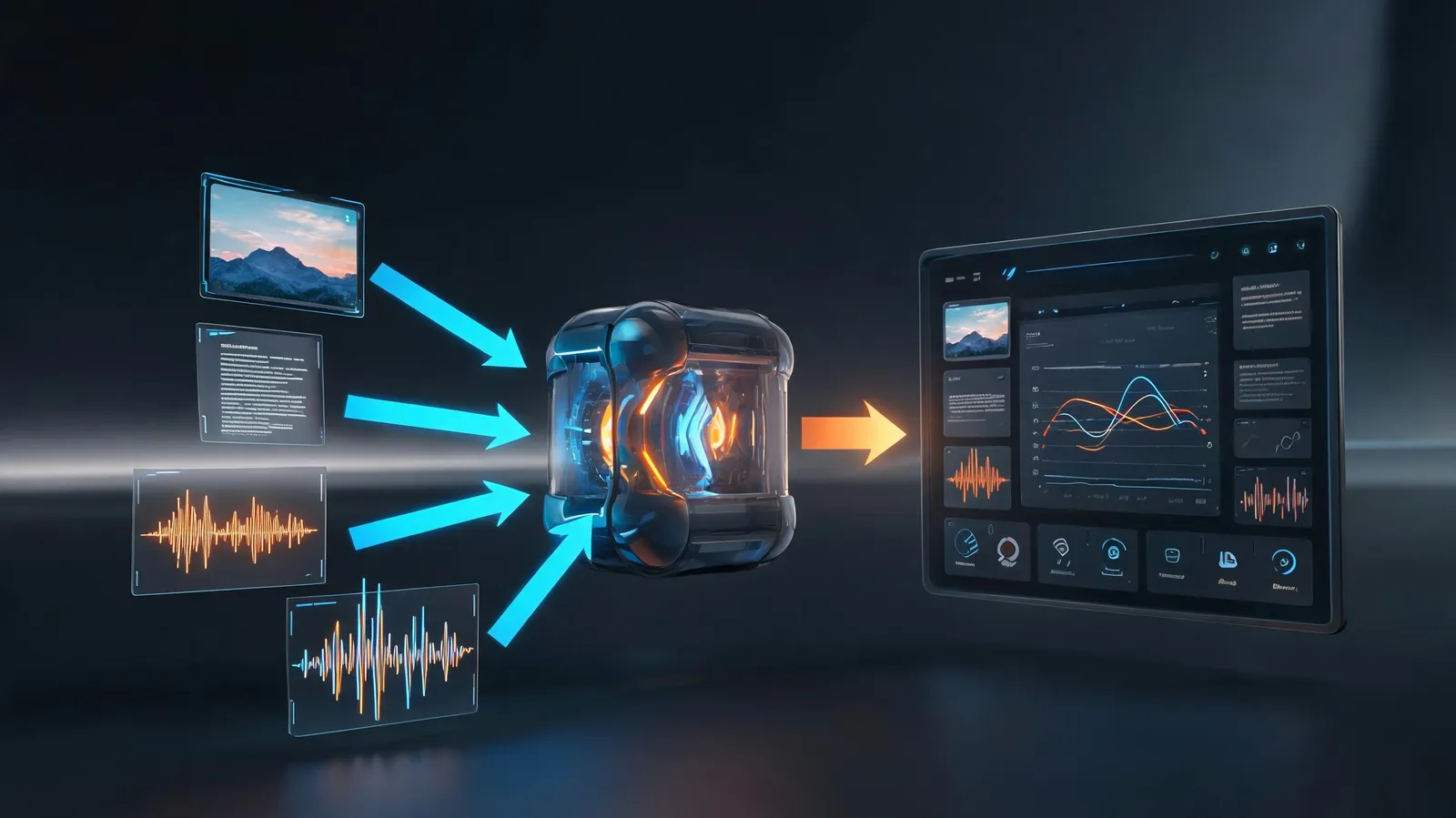
Multimodal large language models (LLMs) mark a notable step in coaching technology. Traditional AI often works with one data type at a time; multimodal LLMs can analyze video for form, audio such as a coach's voice or an athlete's breathing, and biometrics including heart rate and electromyography at the same time. The combined view covers both performance and well-being. A golfer wearing smart clothing and a headset, for example, can get real-time swing feedback in which the AI links motion video with voice commands and heart rate variability to flag fatigue.
These models can also produce personalized coaching cues in natural language. A study in the Journal of Sports Sciences found that athletes receiving multimodal feedback improved skill acquisition by 30% relative to those given only visual or verbal feedback. Elite athletes have said that the AI's ability to bring multiple data streams together helps them grasp subtle adjustments, such as shifting weight distribution during a serve. Wearable integration further strengthens fatigue detection, so coaches can adjust training loads as conditions change. As one Olympic swimmer observed, "The AI doesn't just tell me what I did wrong; it explains why, using data from my own body."
Simulation and Synthetic Data for Rare Movement Pathologies
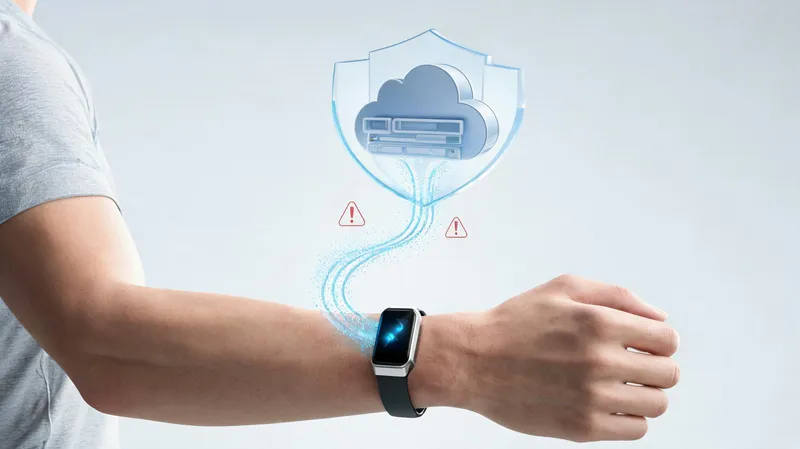
Generative AI can produce synthetic motion data for rare pathologies such as dystonia or ataxia, allowing models to be trained without compromising patient privacy. In a study by the Mayo Clinic, synthetic gait data for Parkinson's disease detection improved diagnostic accuracy by 15%. The approach matters most where real-world data is scarce. Physics-engine-driven simulation environments also make it possible to test rehabilitation strategies safely. A Johns Hopkins University case study found that virtual reality simulation for stroke rehabilitation reduced the risk of falls during early-stage recovery by 40%.
Synthetic datasets and simulations are not confined to clinical use. Coaches can employ them to prepare athletes for high-risk maneuvers—ski jumping or gymnastics dismounts, for instance—by simulating a range of scenarios and outcomes. Safety improves, and skill acquisition can speed up as well. As Dr. Elena Rodriguez, a sports biomechanist at Stanford, explains, "Synthetic data allows us to create a library of movement possibilities that would be impossible to capture in real life, giving coaches a powerful tool for personalized training."
Human-AI Teaming Models: Coaches Retain Final Judgment
Even with these advances, human coaches remain essential. In human-AI teaming, the AI offers recommendations while the coach makes the final decision, weighing context, athlete psychology, and ethics. A framework for human-in-the-loop AI in sports developed by the MIT Sports Lab stresses that AI should augment human decision-making rather than replace it. An AI might recommend substituting a player based on performance metrics, for example, but a coach could override that because the athlete is known to perform well under pressure. Trust and explainability are central to making the collaboration work. Research on explainable AI for coaches has found that when the AI gives the reasoning behind its suggestions, coaches are 60% more likely to trust them and act on them.
Training programs are beginning to help coaches interpret AI insights. The US Olympic Committee has piloted a workshop that teaches coaches to use AI tools while keeping their intuitive judgment intact. As one veteran NBA coach put it, "The AI is like a highly knowledgeable assistant, but I still have to read the room and make the call." That balance keeps technology working in the athlete's interest without eroding the coach's role.
Conclusion
Foundation models, multimodal LLMs, synthetic data, and human-AI teaming are together reshaping how sports coaching is practiced. Motion foundation models make transfer learning across sports possible, lowering data requirements and helping prevent injuries. Multimodal LLMs combine video, voice, and biometrics into holistic, personalized feedback. Synthetic data and simulation address rare pathologies and add safety. Above all, human-AI teaming keeps final judgment with coaches, positioning AI as a tool rather than a replacement. The shift could broaden access to elite-level coaching, improve athlete safety, and speed skill development. As these technologies become more accessible, ethical and inclusive design will be paramount. The future of coaching is not AI versus humans; it is AI with humans, working together to unlock athletic potential.