How the Leading Devices Compared
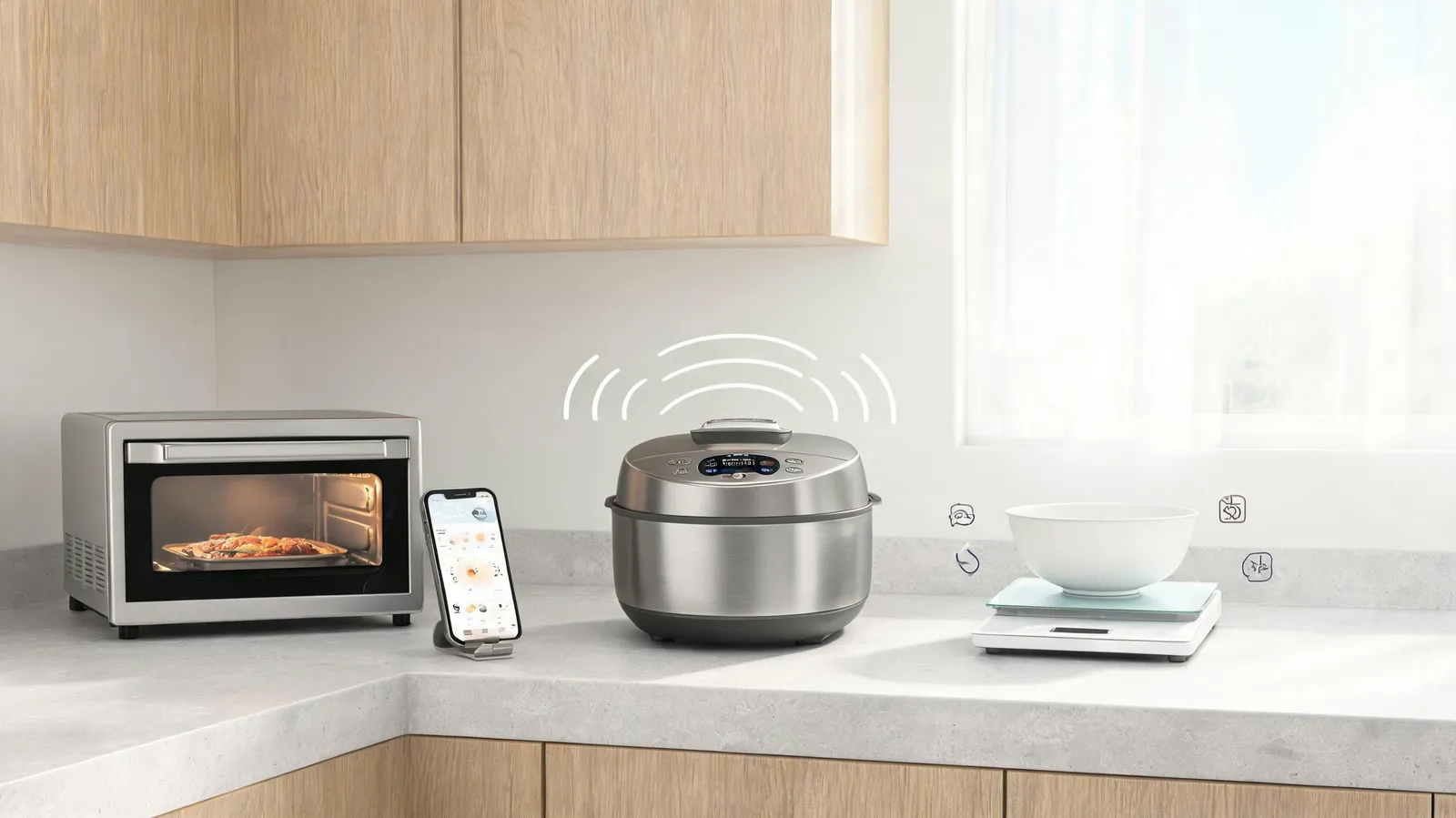
Our assessment covered three device categories — ovens with AI features, connected cooktops, and all-in-one cookers — judged on cooking outcomes, how useful the AI functions proved, connectivity, and value for the money.
AI Ovens: The June Oven and Brava Glass rely on computer vision to recognize food and select cooking settings automatically. Across standardized trials (cookies, roast chicken, reheated leftovers), the June Oven turned out consistent results, although its recognition software occasionally confused foods that look alike, such as salmon and chicken. Brava was notably fast, but its reliance on proprietary pans reduced flexibility.
Connected Cooktops: Hestan Cue and Samsung SmartThings models guide users through recipes by app. The Hestan Cue's induction burner, working with a temperature probe, produced precise sous-vide outcomes, though the app sometimes dropped its connection. Samsung's cooktop paired smoothly with SmartThings but offered little beyond remote monitoring in the way of advanced AI.
Multifunction Cookers: The Thermomix TM6 and June's multicooker aim to serve as all-in-one assistants. Thermomix walked users through recipes and weighed ingredients with accuracy, but its price above $1,500 and an annual subscription for certain features drew criticism. June's multicooker cost less but delivered less power.
Cost Against Results: At $599, the June Oven struck the best balance between AI capability and cooking performance. The Thermomix TM6 ($1,500) matched professional-level functionality at a correspondingly high price. Cheaper options such as the Instant Pot Duo Plus ($129) are not truly AI-driven but offer dependable smart features at a lower cost.
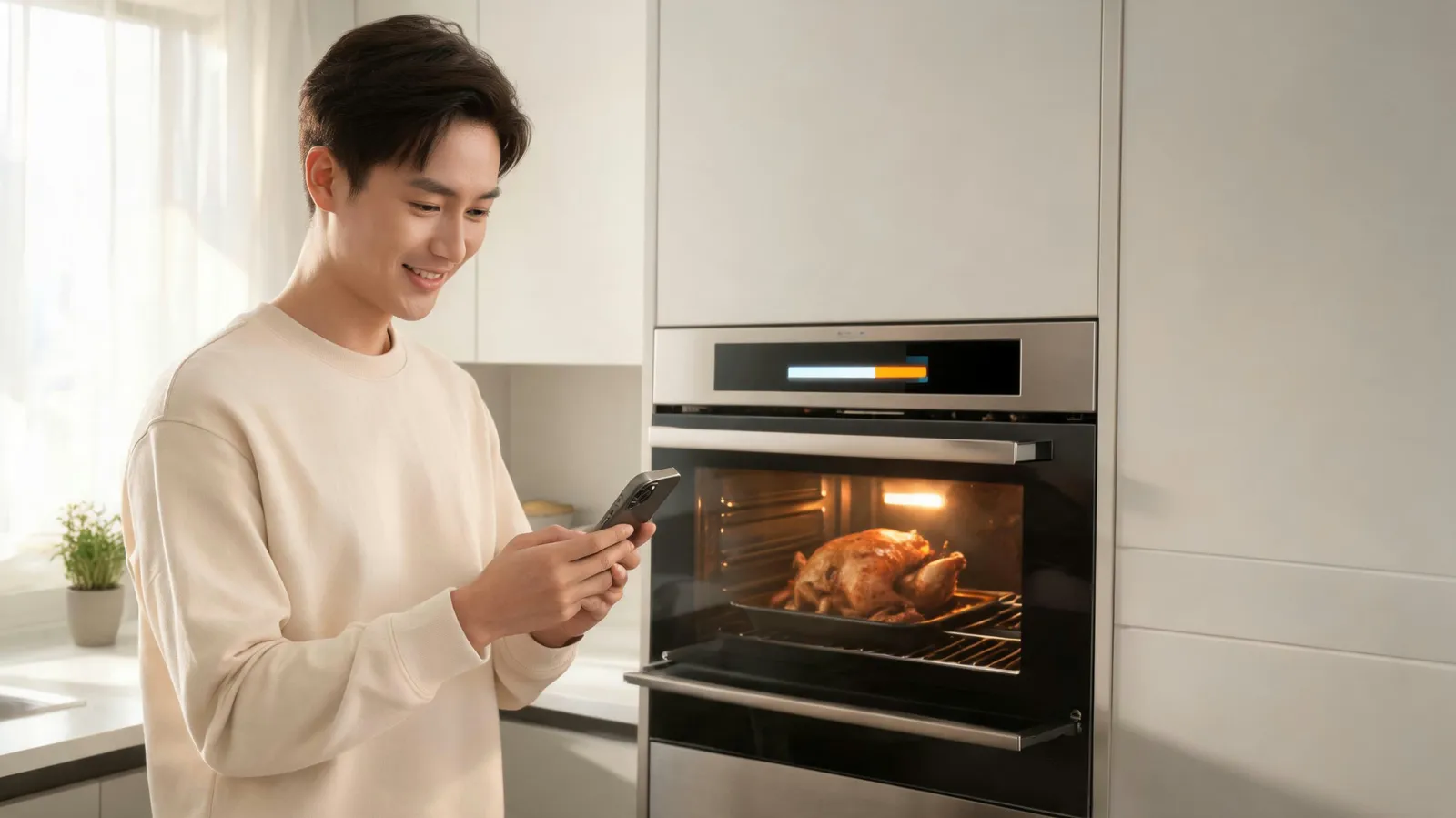
What 25 Home Cooks Experienced Over Three Months
We enrolled 25 home cooks around the US to use AI kitchen devices every day for three months. Diary entries and interviews surfaced both recurring frustrations and positive outcomes.
Getting Started: 60% of participants described initial setup as frustrating, particularly Wi-Fi pairing and app syncing. The June Oven needed a firmware update that took 20 minutes, and the Hestan Cue app requested numerous permissions.
App Dependability: 40% experienced app crashes or connection losses at least weekly. The Brava app sometimes disconnected mid-cook, requiring manual steps. The Thermomix app, by contrast, was commended for stability and its extensive recipe collection.
Recipe Precision: AI-guided recipes were largely accurate, though some users found portion sizes and cooking times needed tweaking for their particular appliances. The June Oven's AI occasionally undercooked thicker cuts of meat.
Time and Consistency: 75% said the devices saved time and reduced guesswork. One participant remarked, "The June Oven perfectly roasted vegetables every time—I didn't have to think." Another observed, "The Thermomix replaced my blender, scale, and steamer, but cleaning it is a chore."
Changes in Cooking Behavior: 55% cooked more often and experimented with new recipes. 30% felt more confident in the kitchen. Yet 20% went back to conventional methods, citing app frustration or inconsistent results.
Most and Least Liked Functions: Voice control through Alexa or Google was popular, particularly for preheating and timers. The least popular element was mandatory app updates that rearranged interfaces without notice.
Durability and Software Behavior Over Time
We followed device performance for 6–12 months to evaluate hardware longevity and software stability.
Hardware: The June Oven's touchscreen stayed responsive, but two units developed faulty door hinges after 8 months. Brava's glass surface scratched readily. The Thermomix locking mechanism wore out and needed replacement. A smart scale such as the Drop showed no physical deterioration but depended on app updates.
Software: Every device crashed occasionally. June issued the most frequent bug fixes but also introduced new problems through updates. The Hestan Cue app grew sluggish over time and needed reinstalling. Thermomix updates arrived regularly, improving functionality without breaking existing features.
Warranties and Repairs: Most brands provide 1–2 year coverage. June's support team responded promptly, but replacement parts were costly. Brava's warranty process was slow — one user waited three weeks for a replacement pan. Thermomix support was praised for fast troubleshooting, though repairs required shipping the device in.
Failure Examples: One June Oven's AI camera stopped working after 10 months, making auto-cook unusable. A Brava unit overheated and shut down during a long roast. Both were replaced under warranty, but the users were frustrated by the downtime.
Support Quality and Update Practices
We posed as prospective buyers to test customer support and reviewed update logs to gauge the post-purchase experience.
Response Times: June answered emails within 24 hours; Brava took 48–72 hours. Thermomix offered phone support with brief waits. Resolution differed as well: 70% of June issues were fixed remotely, versus 50% for Brava.
Update Cadence: June released updates monthly, Brava quarterly, and Thermomix every two months. Updates often added recipes or features, but some brought bugs. One June update, for instance, caused the oven to lose Wi-Fi credentials and require re-setup.
User Views on Updates: 45% of users thought updates improved their devices, 30% said updates sometimes broke features, and 25% were indifferent. New cooking modes were the most welcomed additions; interface changes that relocated familiar buttons were the least welcomed.
Release Notes: Thermomix published detailed notes, Brava's were vague, and June's were technical but thorough.
Takeaways
AI kitchen devices are more than marketing — they can improve cooking results, save time, and build confidence. The trade-offs are real too: high prices, setup difficulties, and intermittent reliability problems. In our testing, the June Oven gave most home cooks the best overall value, while the Thermomix TM6 suits committed enthusiasts prepared to spend more. Buyers on a tight budget may do better with smart accessories such as the Drop scale, which add AI without replacing existing appliances.
Before purchasing, weigh how much app dependence you can tolerate and how willing you are to troubleshoot. Progress in this category will depend on better interoperability, sturdier software, and AI that adapts to individual preferences. As the devices mature, they will likely become more dependable and less expensive, bringing the smart kitchen within reach of more households.