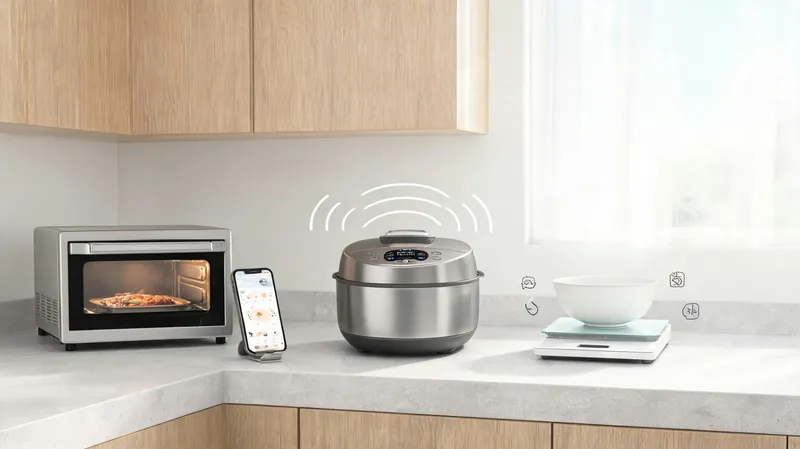
Robotic Arms and Automated Cooking Systems: The Hardware Revolution
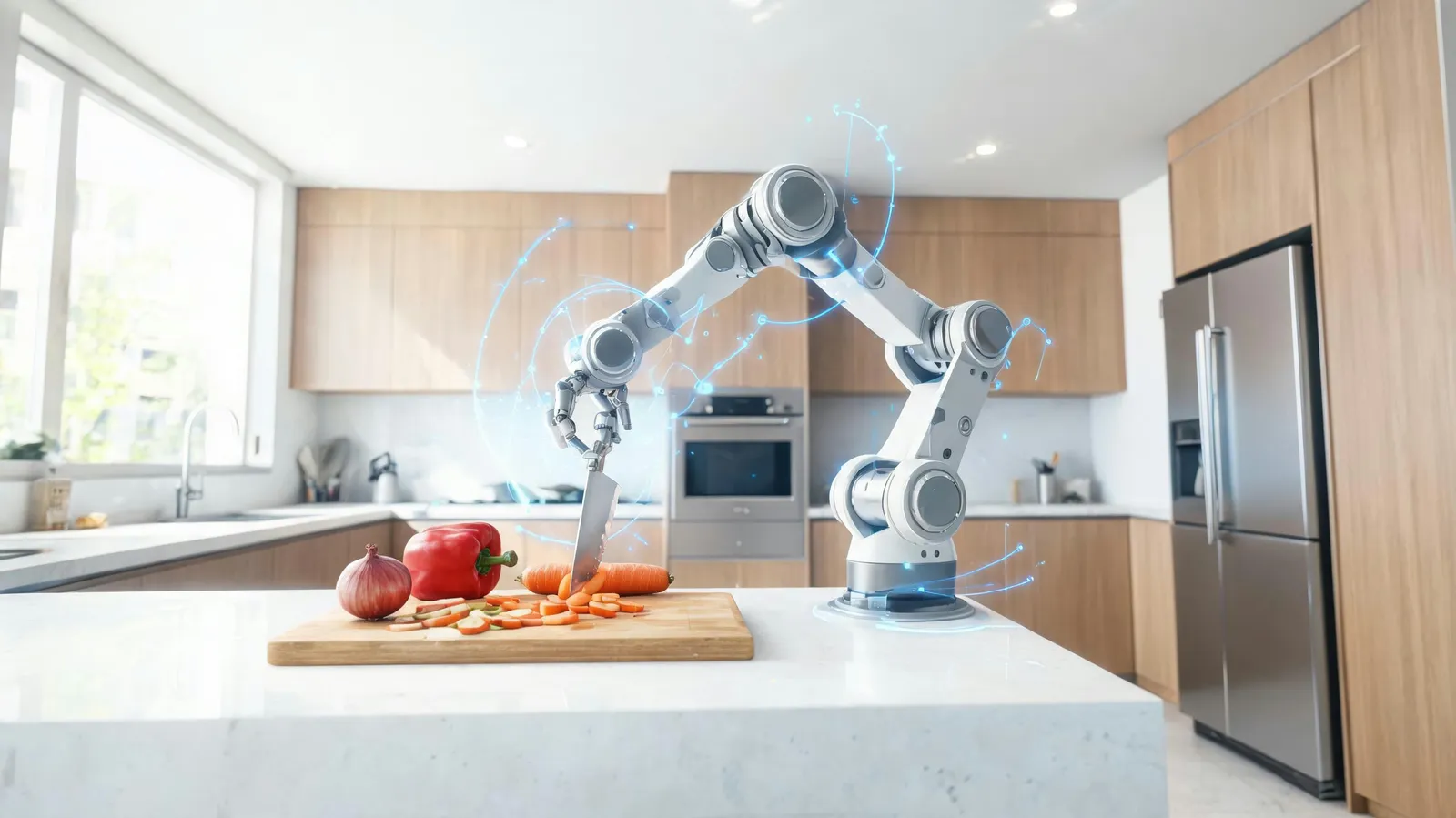
Hardware is where kitchen automation begins, and the core components are robotic arms and automated cooking systems built for precision work. Today's robotic arms can slice, stir, and plate with remarkable accuracy, frequently matching or exceeding the speed and consistency of human hands. Moley Robotics, for instance, has built robotic arms that reproduce the motions of accomplished chefs, while commercial operations such as Zume Pizza rely on automated equipment to assemble and bake pizzas. According to figures cited on these systems, they can cut labor costs by as much as 30% and reduce food waste by 20%.
Automated cooking systems also move past single tasks to handle complete meal preparation. Case studies from automated restaurants—Spyce in Boston among them—show robots preparing elaborate dishes from raw ingredients with limited human involvement. Beyond efficiency gains, such systems deliver consistent quality, an advantage that matters greatly for large-scale food service.
AI-Powered Kitchen Robots for Meal Preparation: The Brain Behind the Brawn
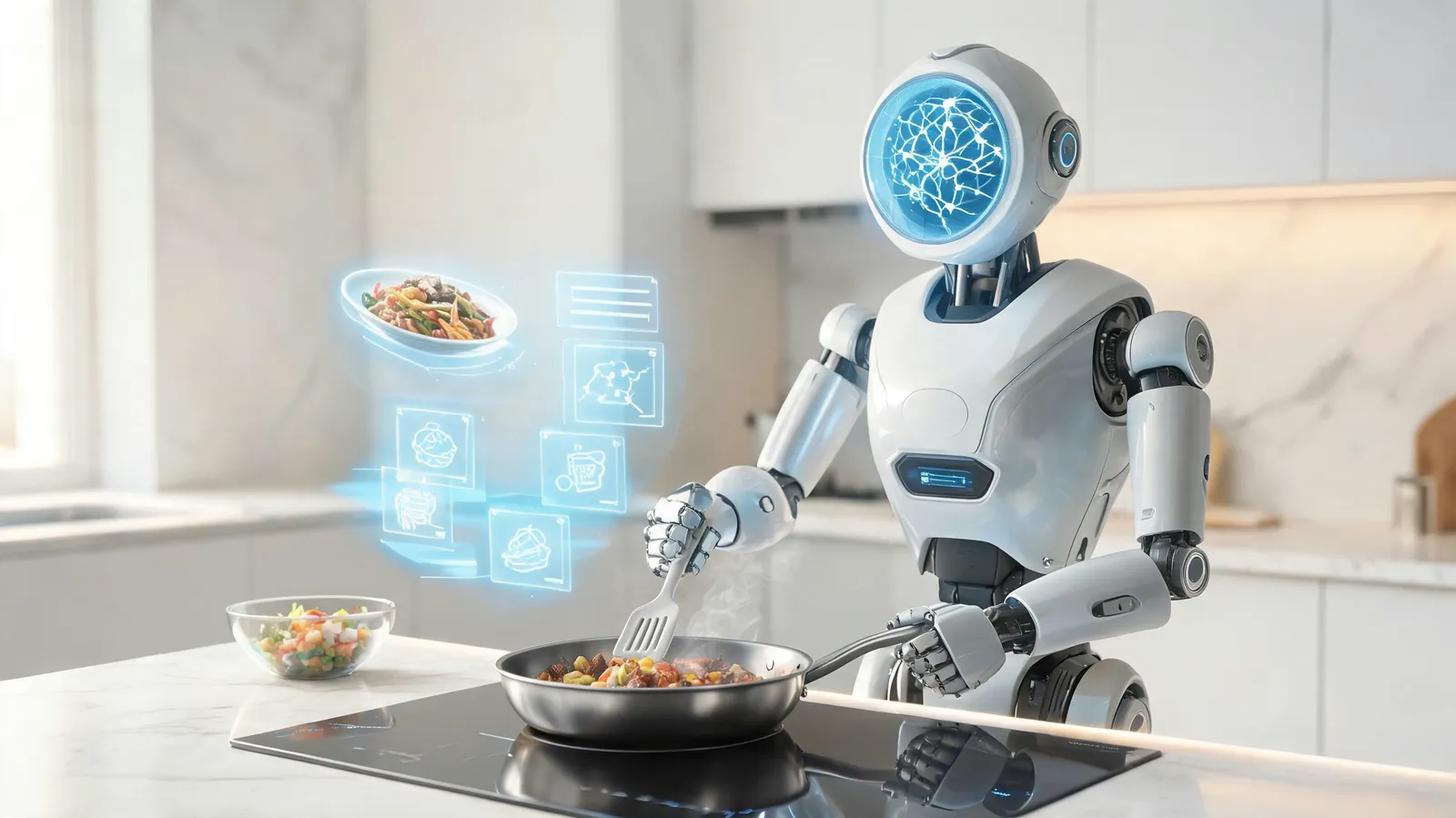
Behind the physical hardware sits AI, which lets kitchen robots learn, adapt, and devise meals. By analyzing flavor profiles and nutritional data, AI algorithms can generate new recipes and tailor them to individual dietary requirements. IBM's Chef Watson, for example, has produced unusual recipes by pairing ingredients in novel combinations. Machine learning also lets robots refine their technique over time—a robot can learn to cook a perfect omelet by adjusting temperature and timing in response to feedback. Data indicates that AI-powered robots can reduce cooking errors by up to 50%, yielding better-tasting and more consistent outcomes.
Human-Robot Collaboration in Domestic Kitchens: Working Together
In the home, human-robot collaboration is meant to enhance human skills rather than supplant them. Collaborative robots, or cobots, are built to help people with chores such as chopping and stirring, making cooking simpler and more pleasant. The Samsung Bot Chef, for example, can work beside a home cook, passing utensils or ingredients. Users describe the experience as easy to use and collaborative in spirit. Safety mechanisms such as force-limiting sensors and intuitive interfaces support smooth interaction and lower the chance of accidents. Research suggests human-robot teams can cut kitchen accidents by 40% and boost cooking efficiency.
Ethical and Labor Implications of Kitchen Automation: The Broader Impact
Kitchen automation carries substantial ethical and labor consequences. Job displacement in food service is a leading worry; a report from the National Bureau of Economic Research estimates that up to 50% of restaurant jobs could be automated. Experts argue that retraining programs are needed to help workers move into new roles. Other ethical questions include excessive dependence on technology and the possible erosion of culinary craft. Some communities push back against automation in order to keep cultural cooking traditions alive. These debates over cultural preservation underscore the need to balance innovation against heritage.
Conclusion
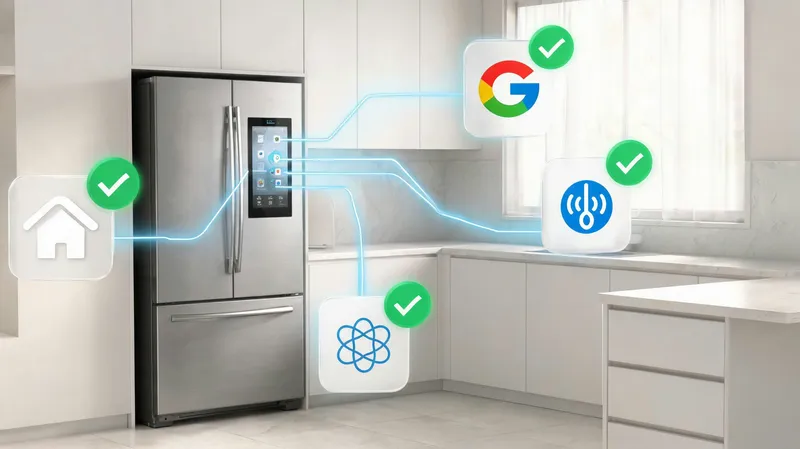
AI, robotics, and automated cooking systems are changing the way we cook, bringing convenience, precision, and creativity into the kitchen. From robotic arms that chop and stir to AI that dreams up new recipes, the kitchen is turning into a high-tech space. At the same time, ethical and labor concerns must be tackled so the transition goes smoothly. Looking ahead, fully autonomous kitchens linked to smart home systems could open a new chapter in culinary innovation. As that future arrives, the human touch that makes cooking an art deserves protection too.