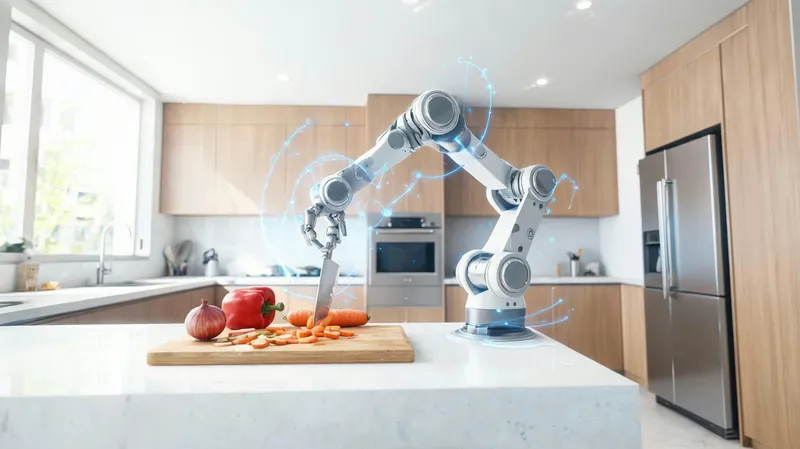
AI-Driven Nutritional Analysis: Making Sense of What You Eat
Artificial intelligence is reshaping how we perceive and engage with food. Using image recognition and natural language processing, AI-powered apps can assess meals with impressive precision—detecting ingredients, portion sizes, and even hidden allergens. This streamlines food logging, sparing users the hassle of manual entry.
After a meal is recorded, AI dissects its nutritional profile—calories, macronutrients, and micronutrients—and offers tailored suggestions aligned with individual health objectives. Research published in Nutrients, for instance, demonstrated that AI-generated dietary guidance assisted diabetics in curbing blood sugar spikes by recommending lower-glycemic options. Likewise, findings from JMIR mHealth and uHealth reveal that users of AI nutrition apps notably enhanced their nutrient intake, especially fiber and vitamins.
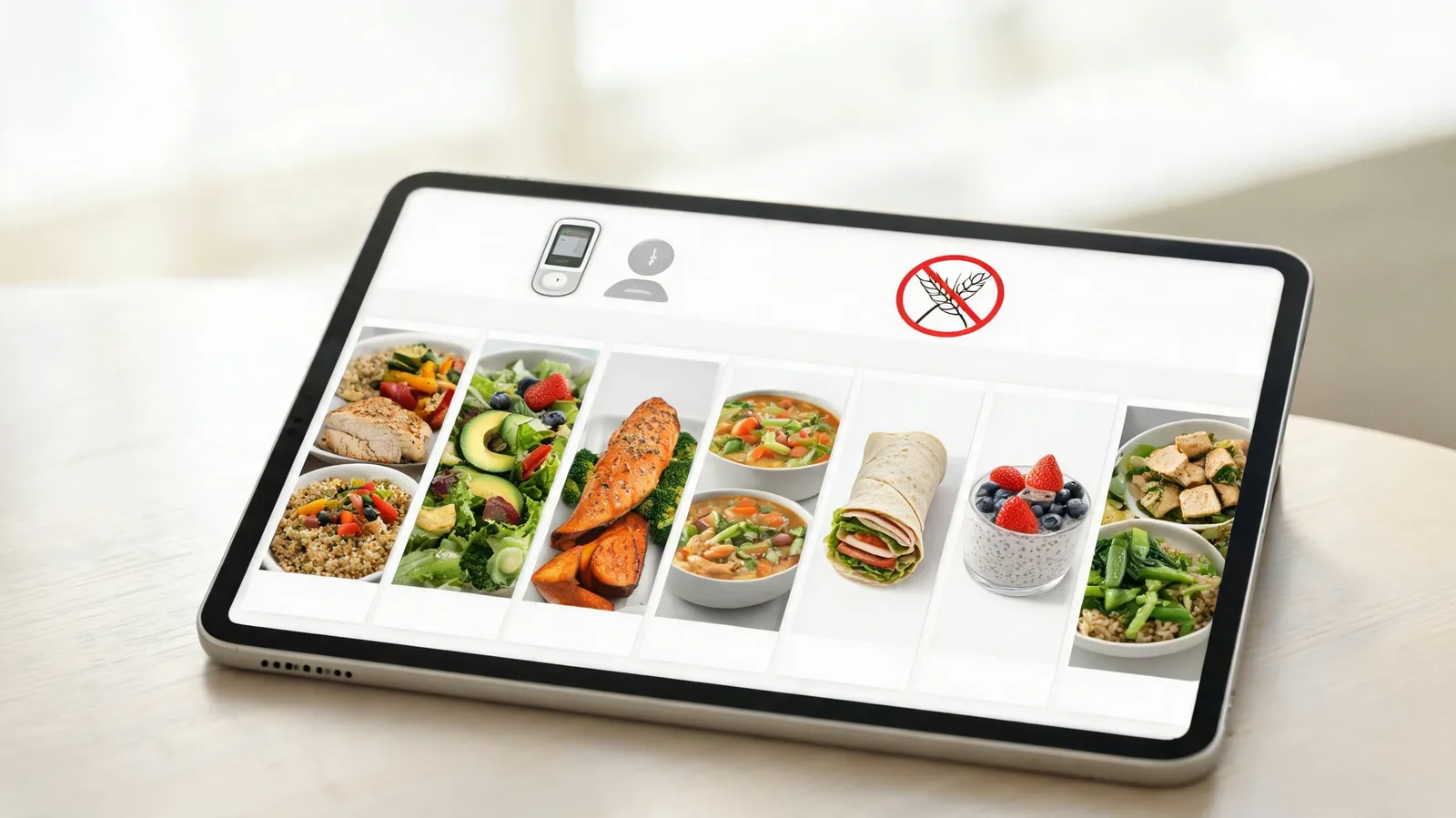
Personalized Meal Planning for Medical Dietary Needs
For those with medical dietary restrictions, AI can be a vital support. By incorporating medical information—such as allergies, diabetes, kidney disease, and celiac disease—into meal recommendations, AI can design plans that are both safe and appealing. For example, an AI system might devise a week-long menu for a diabetic patient that controls carbohydrate intake while honoring taste preferences. Patients with celiac disease share how AI apps help them steer clear of gluten while exploring new foods.
Furthermore, AI can adapt meal plans in response to lab results and symptoms. A 2023 study in Diabetes Care reported that AI-driven personalized nutrition plans boosted adherence and improved health markers in patients with type 2 diabetes, resulting in fewer hospital readmissions. This dynamic approach allows meal plans to keep pace with the user’s health status, offering ongoing support.
Integration with Wearables and Health Data
Combining wearables and health data elevates personalization further. Devices such as smartwatches and continuous glucose monitors (CGMs) supply real-time information on heart rate, glucose levels, sleep quality, and physical activity. AI algorithms process this data to tweak dietary recommendations on the spot. If a user’s blood glucose falls, for instance, the AI might propose a snack that steadies blood sugar without excess calories.
Closed-loop systems linking wearables to AI-powered apps are yielding encouraging outcomes. A case study of prediabetics using a wearable plus AI showed a marked decrease in HbA1c levels, a key indicator of long-term blood sugar control. Users say they feel more in command of their health and energy levels, thanks to timely, data-informed meal suggestions.
Behavioral Nudges for Healthier Eating Habits
AI goes beyond analysis and planning—it also inspires. Drawing on behavioral science, AI can send personalized nudges—prompt reminders, healthy substitutions, and portion control advice—that foster lasting healthy eating. An app might, for example, notify a user to choose fruit over a cookie when a snack is likely. Evidence indicates that such nudges can raise fruit and vegetable consumption by as much as 30%.
Gamification and rewards amplify motivation. Apps featuring points, challenges, and social sharing have recorded greater user engagement and weight loss success. A case study of a well-liked nutrition app found that users who took part in challenges lost 15% more weight than those who did not. These behavioral tactics, driven by AI, make healthy eating not only simpler but also more enjoyable.
Conclusion
AI is transforming personalized nutrition and meal planning by interpreting meals, addressing medical dietary requirements, integrating wearable data, and delivering behavioral nudges. This technology enables individuals to take charge of their health, potentially easing the strain on healthcare systems. As AI advances, we can anticipate a future where nutrition is fine-tuned from preconception to old age, forming a genuinely personalized health ecosystem.