The kitchen is evolving beyond its traditional role as a cooking space—it is increasingly seen as the central hub of the smart home. AI-enabled appliances like smart refrigerators, ovens, and coffee makers are becoming more common, yet their actual value is tied to how effectively they interact with the wider home ecosystem. The future of smart homes depends on addressing challenges in interoperability, data sharing, orchestration, and privacy—with the kitchen serving as the starting point.
Interoperability with Smart Home Platforms
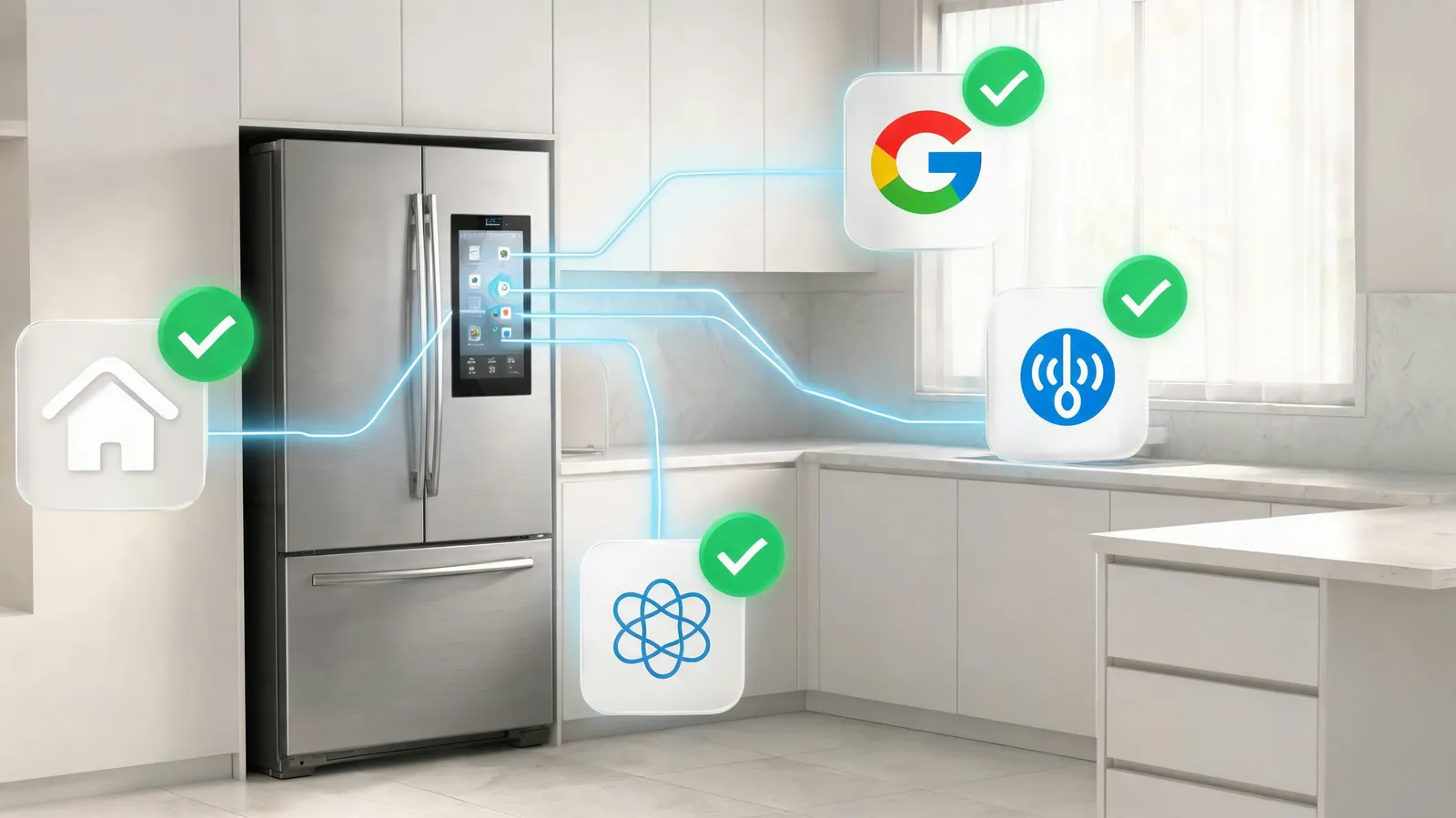
Interoperability means that AI kitchen devices can communicate and operate across various smart home platforms. In the US market, the landscape is currently fragmented: many smart fridges and ovens are designed to work only within a single proprietary ecosystem, such as Samsung SmartThings or LG ThinQ, which restricts user choice. The adoption of Matter and Thread is slowly altering this situation, but advancement is inconsistent.
Cross-platform compatibility brings obvious advantages: users can manage all devices through one app, set up unified routines, and avoid being tied to a single brand. Nevertheless, manufacturers frequently push back against full interoperability because it diminishes product differentiation and lock-in. A case study of a multi-platform smart oven illustrates that although it can connect to Apple HomeKit, Google Home, and Amazon Alexa, certain advanced features remain exclusive to the manufacturer's own app.
Data Sharing and Ecosystem Lock-in
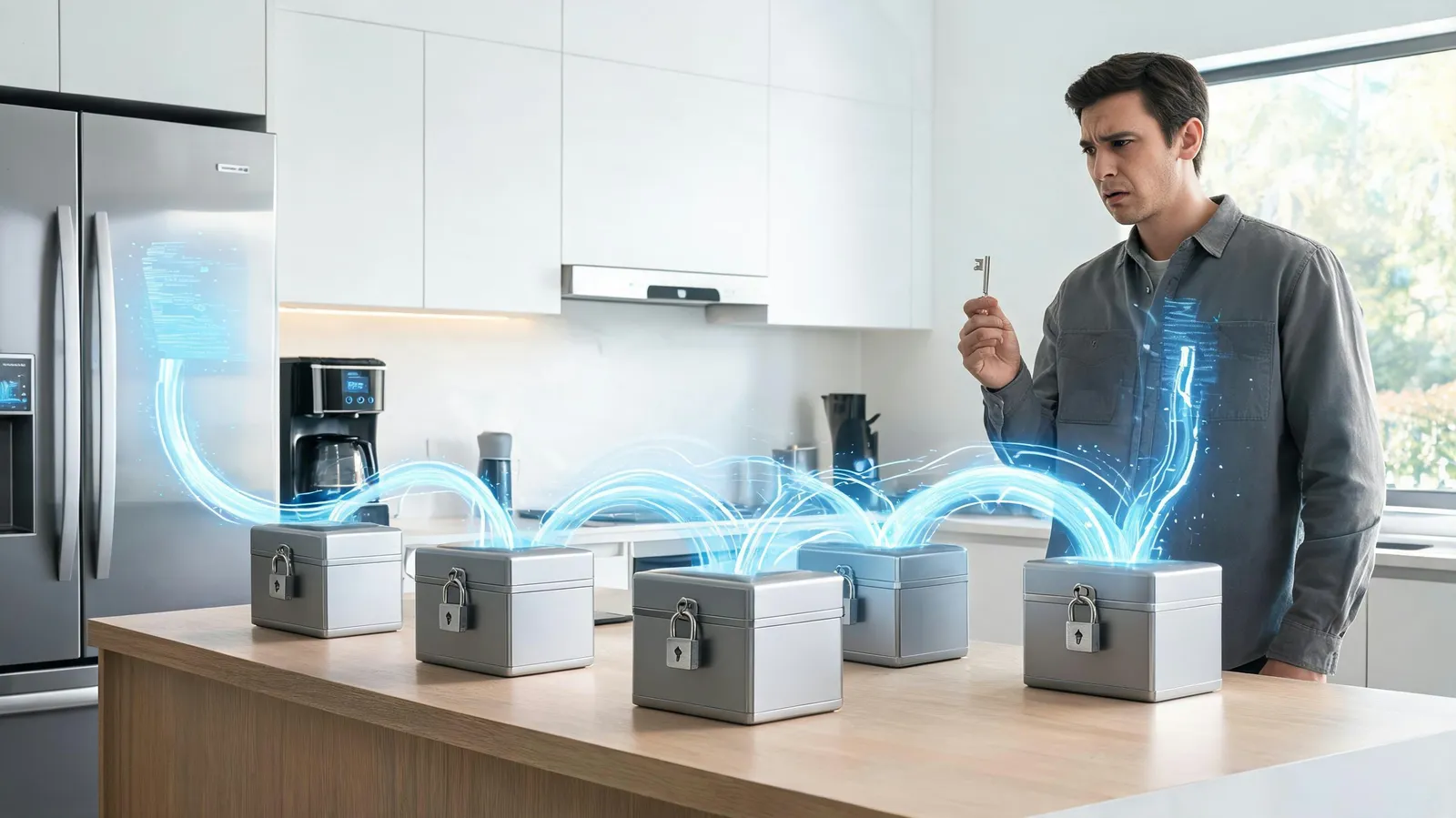
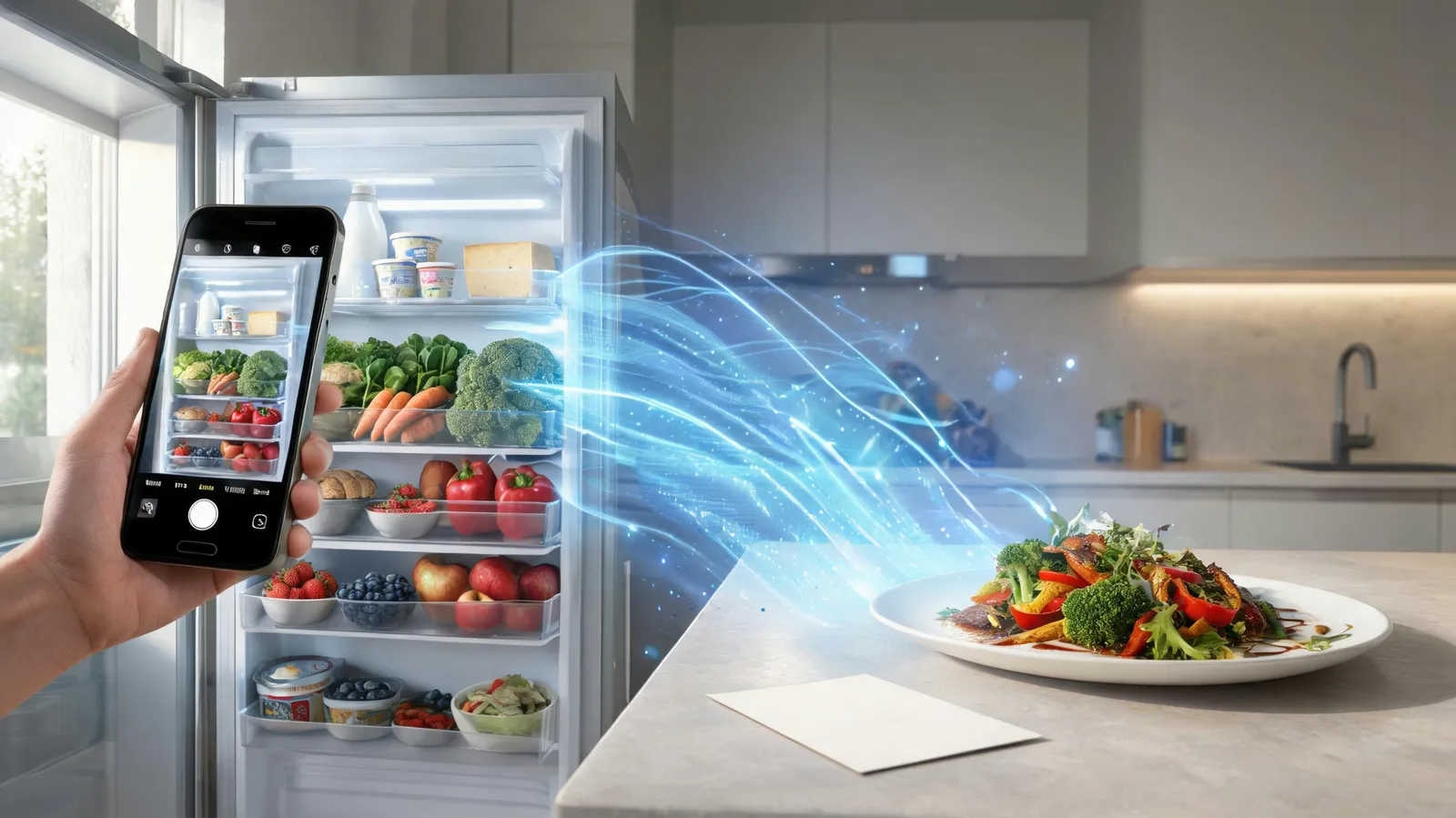
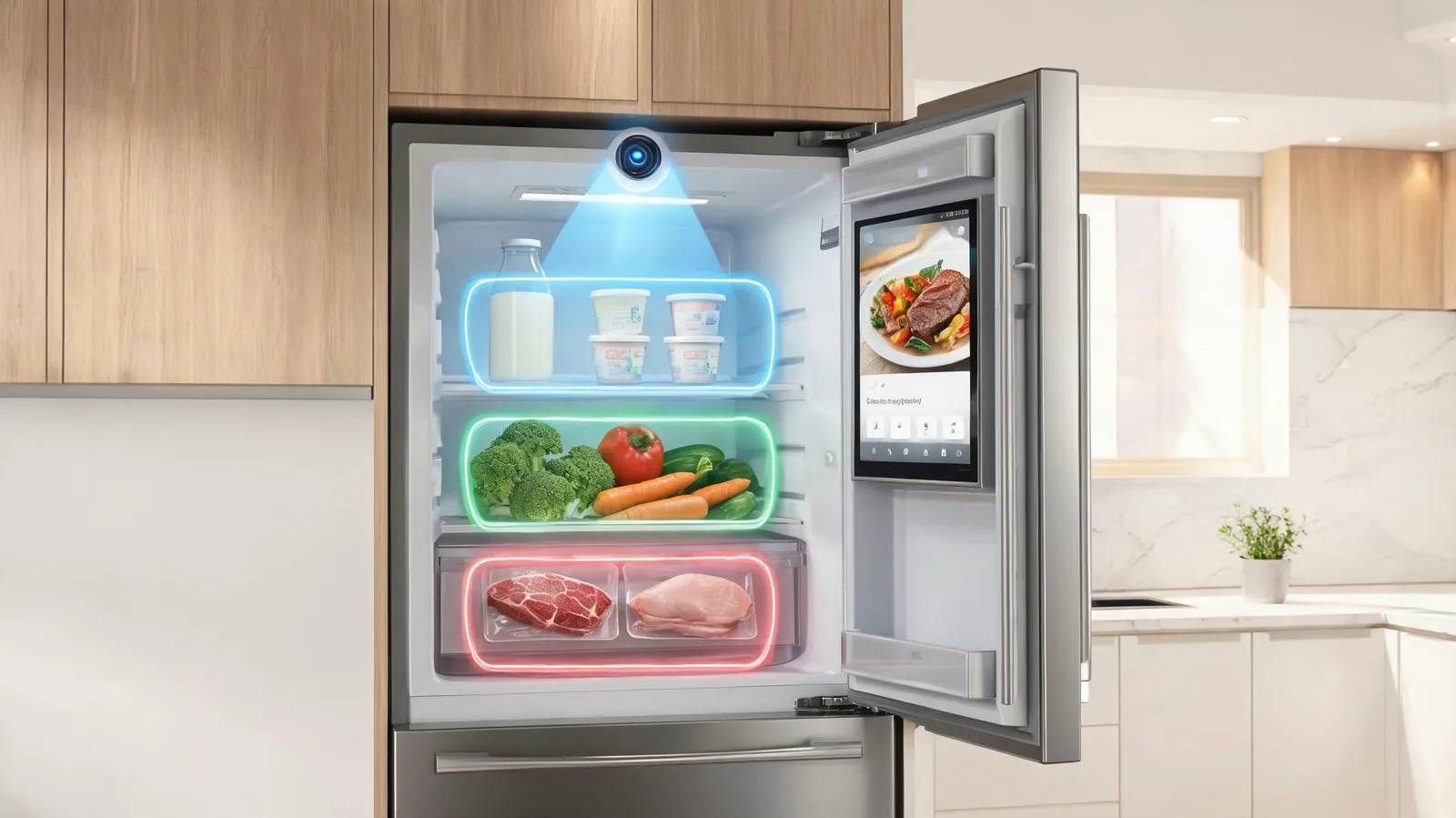
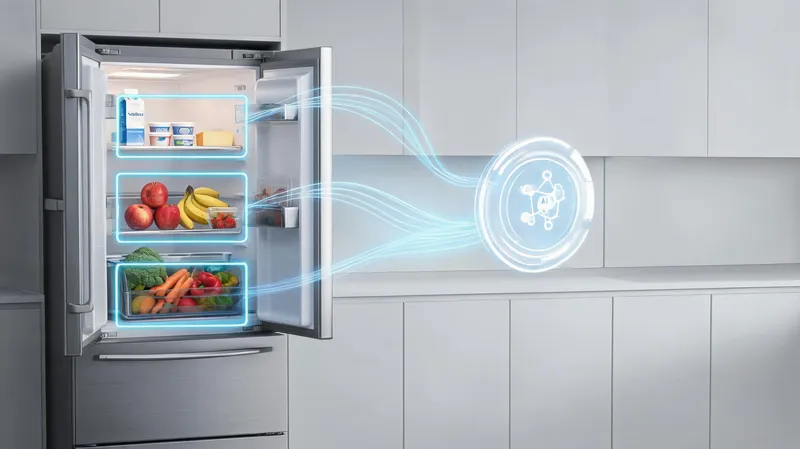
Data sharing and ecosystem lock-in are significant concerns for AI kitchen gadgets. These devices gather multiple types of data: usage patterns, recipe preferences, and inventory levels. For instance, a smart fridge might monitor your grocery purchases and automatically reorder them. While this is convenient, the data is often confined to proprietary formats and APIs, making it hard for users to export or transfer their information.
Ecosystem lock-in happens when proprietary data formats and APIs restrict user options. Users may discover they cannot export their recipe history or integrate with third-party services. A comparison of open versus closed ecosystems indicates that open standards like Matter encourage data portability, whereas closed systems emphasize vendor control. This lock-in can deter users from switching brands, even when superior alternatives are available.
AI Orchestration Across Kitchen and Home Devices
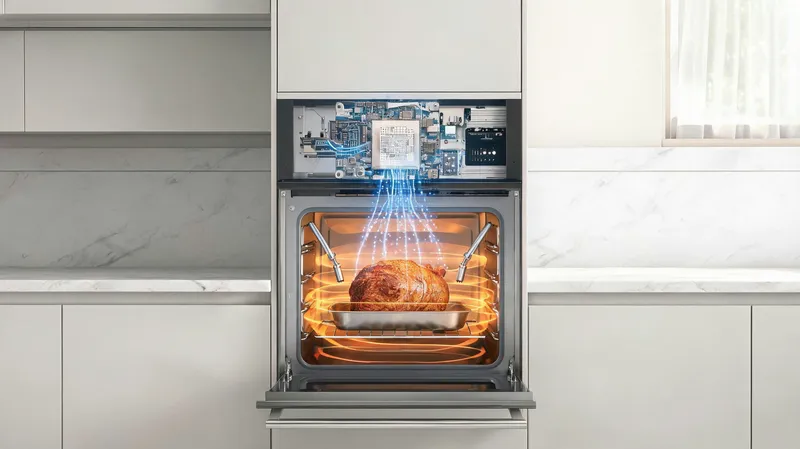
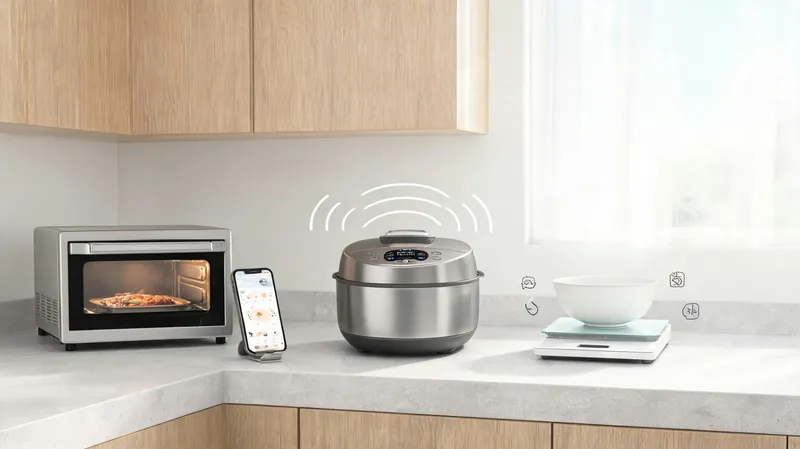
AI orchestration involves coordinating multiple devices for seamless automation and energy efficiency. Examples include a smart oven preheating based on your calendar, or a fridge adjusting its temperature according to real-time energy prices. Real-world use cases from Samsung SmartThings and Google Nest show energy savings of up to 15% through intelligent scheduling.
Technical requirements for orchestration include low-latency communication and edge AI for local processing. Challenges persist: devices from different brands may not share a common language, and cloud dependency can introduce delays. Edge AI helps by processing data locally, reducing latency and improving reliability.
Privacy-Preserving Federated Learning in Smart Homes
Federated learning is a privacy-preserving method that trains models on local data without sending raw data to the cloud. It operates by having each device train a local model and then share only model updates with a central server. Examples include Google Keyboard and Apple Siri, which use federated learning to improve without compromising user privacy.
In smart kitchens, federated learning can enable personalized recipe recommendations and anomaly detection without exposing sensitive data. For instance, a smart oven could learn your cooking preferences locally and share only aggregated insights. However, implementing federated learning on low-power devices remains challenging due to limited compute and memory.
Conclusion
Interoperability, data sharing, orchestration, and privacy are the four pillars that will determine the success of AI kitchen gadgets in the broader smart home ecosystem. The kitchen serves as a testbed for these challenges, offering lessons that apply to the entire home. Looking ahead, federated learning and open standards like Matter have the potential to create a truly seamless and private smart home experience—one where your devices work together without sacrificing your data or your freedom to choose.