Recognizing Ingredients and Keeping Tabs on Stock with Computer Vision
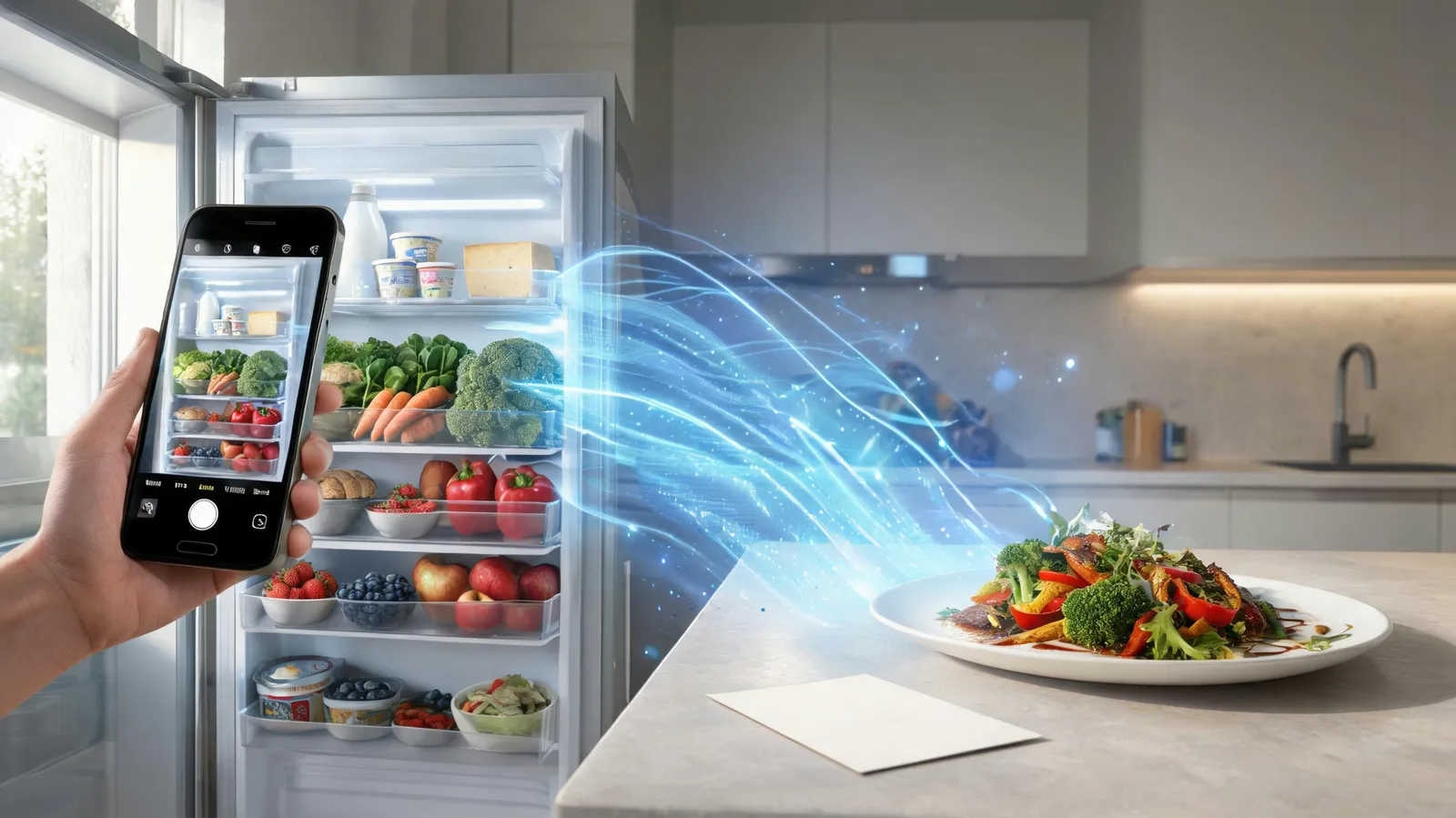
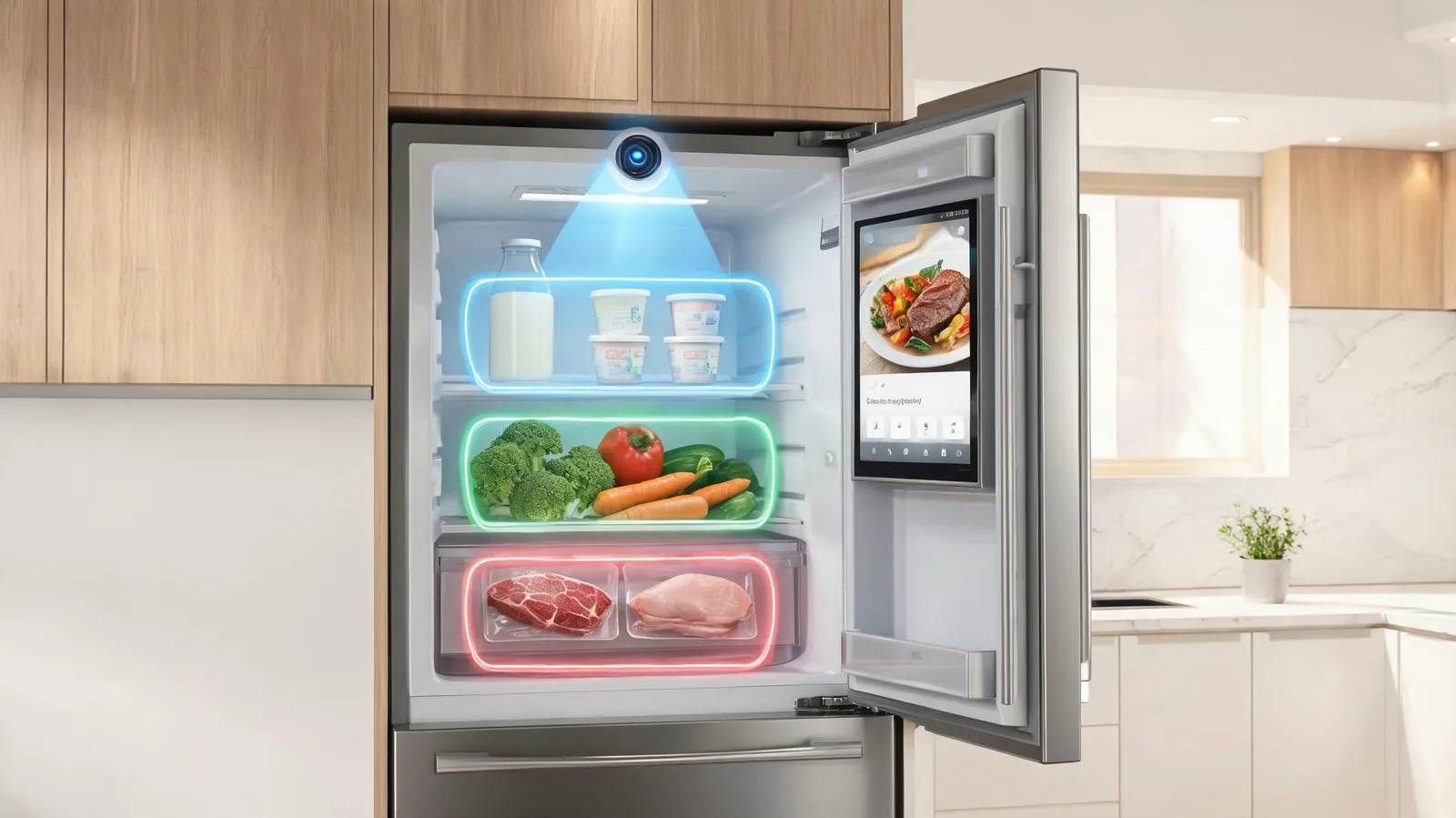
Cameras and sensors inside intelligent refrigerators let the appliance automatically detect and monitor the items stored within. Object-detection models, trained on extensive food image datasets, are increasingly adept at distinguishing vegetables, fruits, dairy items, and packaged products. Findings from recent research indicate that such systems can exceed 90% accuracy when identifying familiar ingredients.
Real-time stock monitoring delivers clear advantages. When you know precisely what is on hand, you can curb over-purchasing and limit spoilage. Mobile app connectivity lets you inspect supplies from anywhere—whether before a shopping trip or while standing in the grocery aisle—so duplicates are less likely and existing items get used.
Personalized Meal Ideas Driven by AI, Matching On-Hand Ingredients and Dietary Requirements
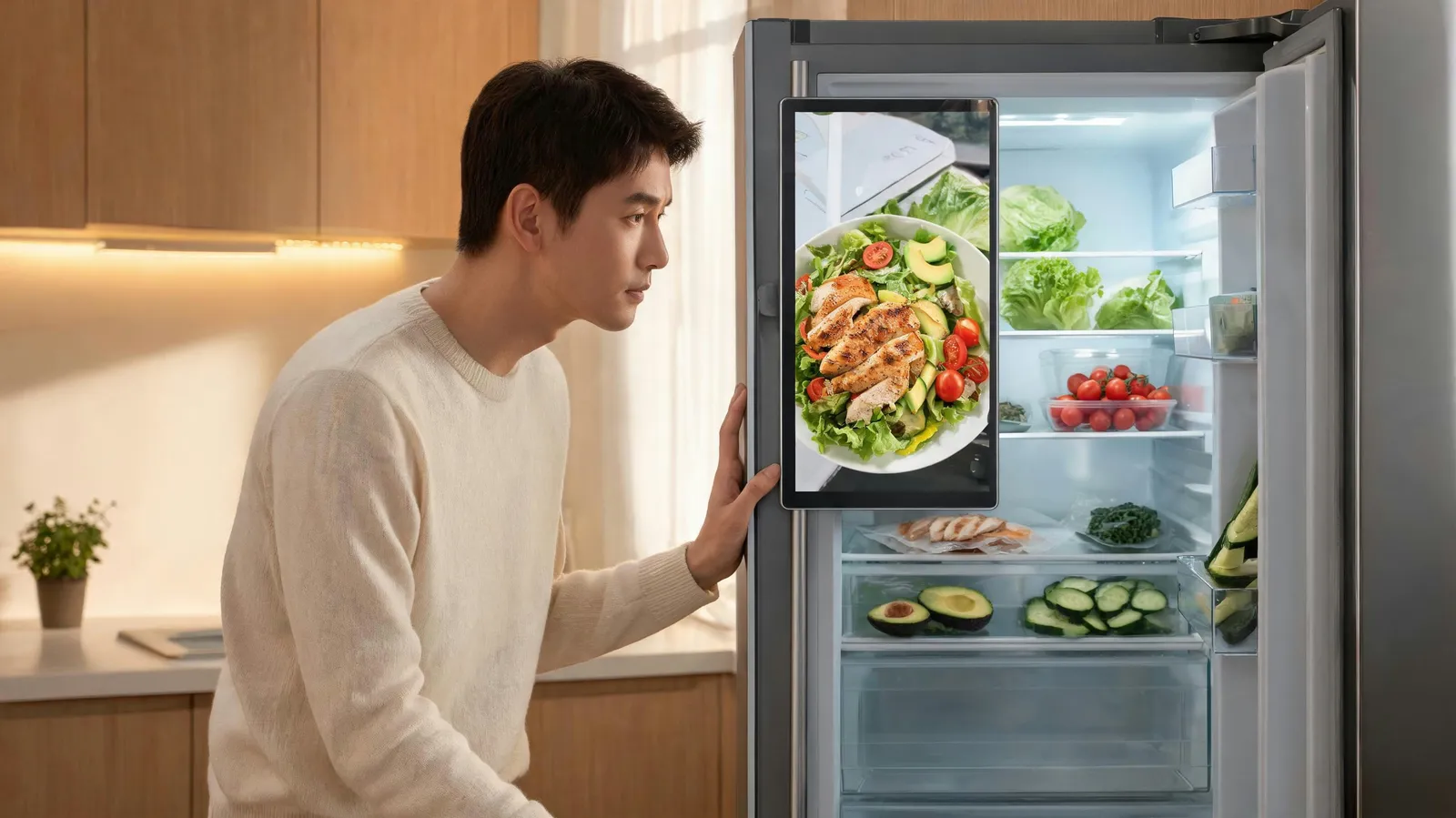
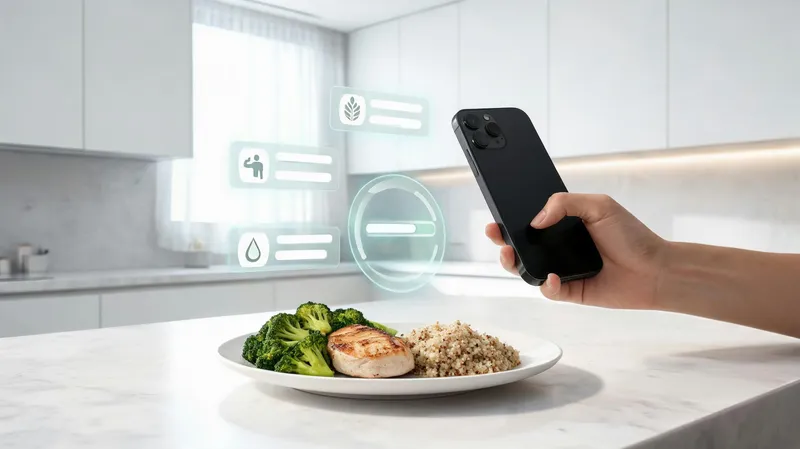
AI algorithms examine the ingredients in your refrigerator and factor in your dietary choices to propose customized dishes. If, for instance, your fridge holds chicken, broccoli, and rice, the system might suggest a stir-fry. It can also accommodate restrictions like vegan, gluten-free, or low-carb eating patterns.
The user benefits are considerable. Meal recommendations cut down on decision fatigue—the mental drain of figuring out what to eat—and save time. They also promote dietary variety and healthier choices by surfacing new recipes built around items you already have. Satisfaction surveys suggest people value the convenience and the reduction in waste that comes from using food before it expires.
Curbing Food Waste with Expiration Notifications and Automated Shopping Lists
Monitoring expiration dates is a central function of intelligent refrigerators. The system tracks each item's shelf life and issues alerts as food approaches its use-by date. Pilot initiatives indicate that this feature can lower household food waste by as much as 30%. Calendar and notification integrations make sure reminders reach your smartphone or smart display promptly.
Automated smart shopping lists are compiled from your inventory and consumption habits. When milk or eggs run low, the system adds them to your list. These lists can sync with grocery apps for straightforward ordering or in-store guidance. The result is fewer impulse buys and purchases limited to actual needs—saving money and cutting waste.
Privacy and Data Protection Questions for Always-Connected Appliances
Intelligent refrigerators gather various types of data, from inventory and consumption patterns to personal preferences. That data supports better meal suggestions and inventory tracking, but it also prompts questions about how it is shared. There is a risk of data being shared with third parties—advertisers or food companies, for example—which could result in targeted marketing or privacy violations.
Security vulnerabilities are another concern. Like any IoT device, an intelligent refrigerator can be exposed to hacking. Case studies of IoT weaknesses underscore the importance of robust encryption and user consent. Recommended practices include frequent software updates, strong passwords, and clear disclosure about data collection. Manufacturers ought to prioritize privacy-preserving AI and give users control over their data.
Conclusion
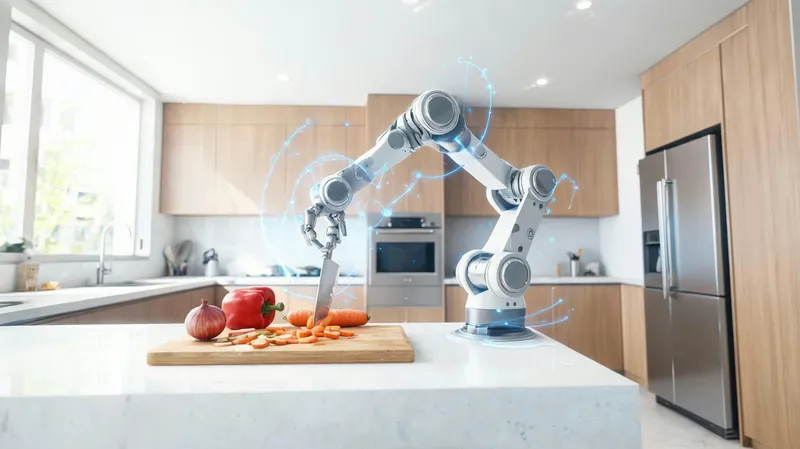
By merging computer vision, AI-driven meal suggestions, and waste-reduction capabilities, intelligent refrigerators are reshaping how food is managed. They assist with inventory tracking, meal planning, and waste reduction, yet they also bring privacy and security issues that need attention. As technology progresses, further integration with voice assistants, blockchain for supply chain transparency, and improved privacy-preserving AI can be anticipated. The smart fridge revolution is only getting started, and it holds the promise of a more sustainable, efficient, and personalized kitchen experience.