A Smarter Pantry Through AI Inventory Tracking
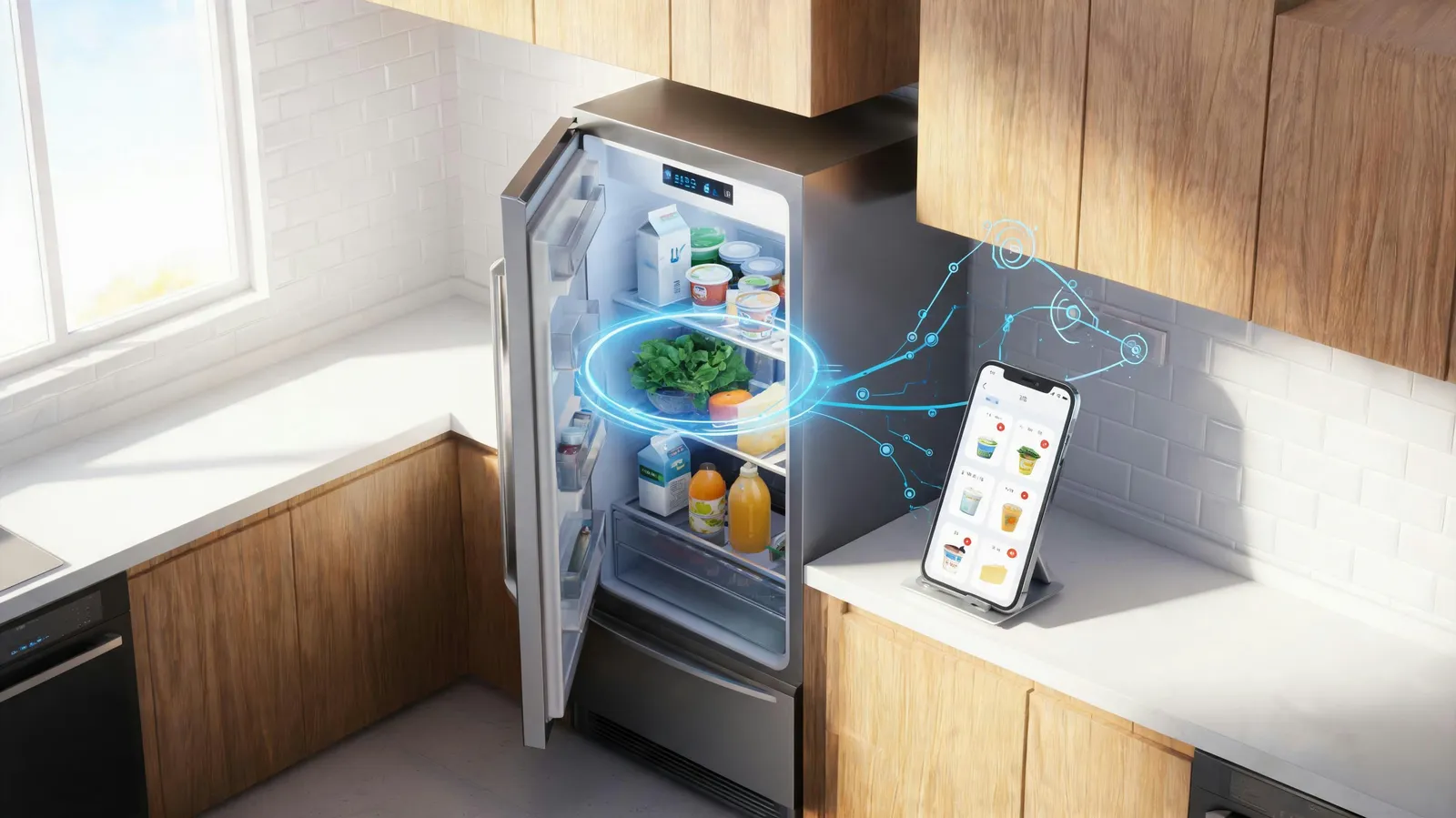
According to the USDA, American households throw out roughly 30% of the food they purchase. AI-based inventory tools are addressing this gap by monitoring what is on hand and anticipating future needs. Such systems draw on computer vision, receipt scanning, and voice entry to keep a live picture of a kitchen's contents.
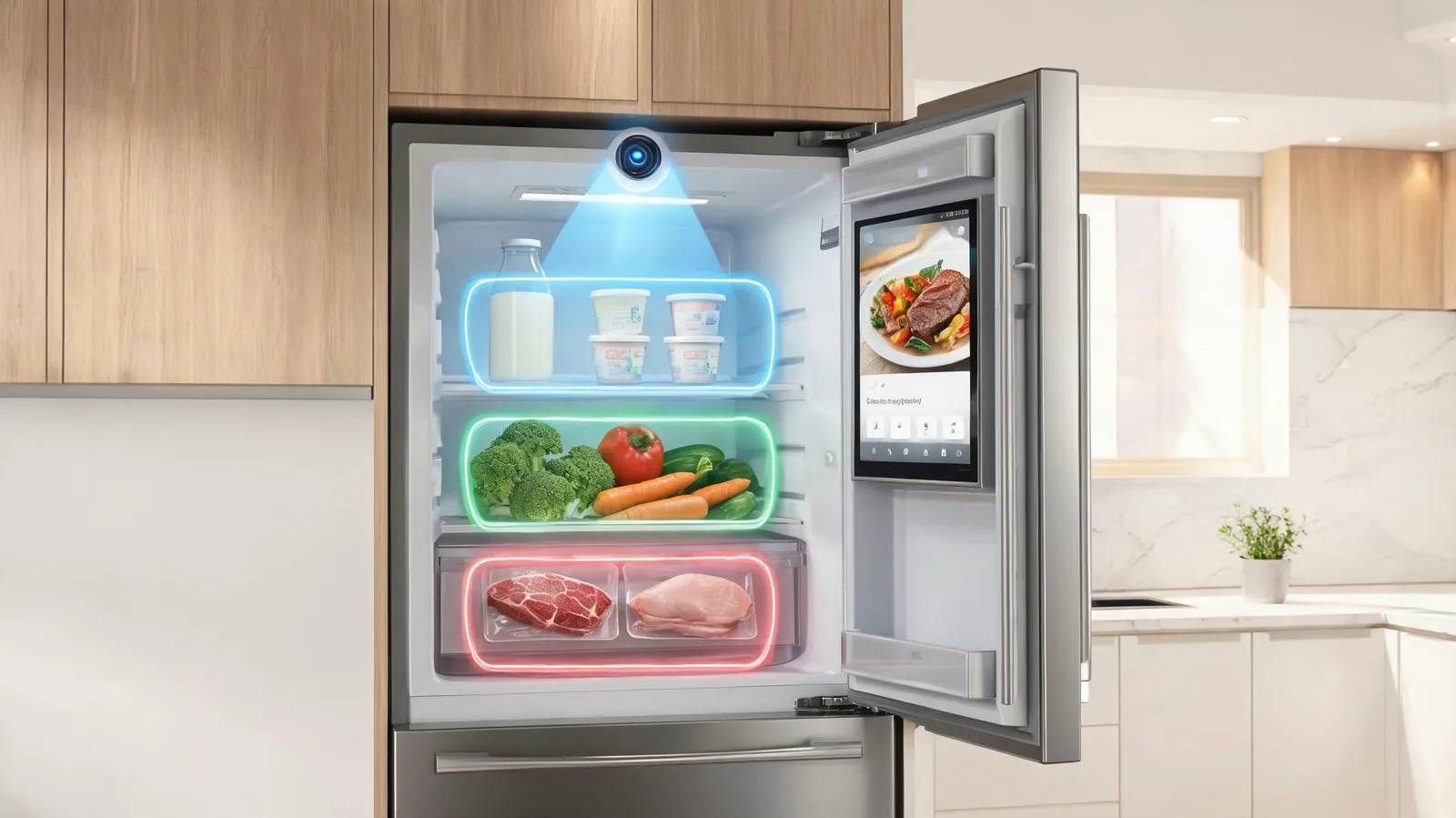
Smart refrigerators from manufacturers such as Samsung and LG, for instance, employ interior cameras and AI to identify products and push expiration notifications to a phone. Barcode-scanning apps such as NoWaste and Fridgely send alerts before food goes bad. In a pilot program in California, users of an AI inventory app cut their food waste by 30% over three months, according to a case study.
Predictive analytics goes a step further by studying how a household consumes. A system will add milk to the shopping list if it is consistently depleted by Thursday, and it will flag items that tend to be bought in duplicate. The payoff is both less waste and lower spending—reducing food waste can save a typical American family as much as $1,500 a year.
Meal Planning That Puts Leftovers to Work

AI meal planners are built to work with ingredients already in the kitchen. They review inventory, factor in dietary preferences and nutritional requirements, and propose recipes that give leftovers priority. Mealime and Yummly are among the apps that use AI to build personalized plans aimed at cutting waste.
One user described the change: "I used to throw away wilted vegetables every week. Now, my AI meal planner suggests a stir-fry that uses them up, and I've cut my grocery bill by 20%." Figures indicate that households relying on AI meal planners eat 40% more of their leftovers.
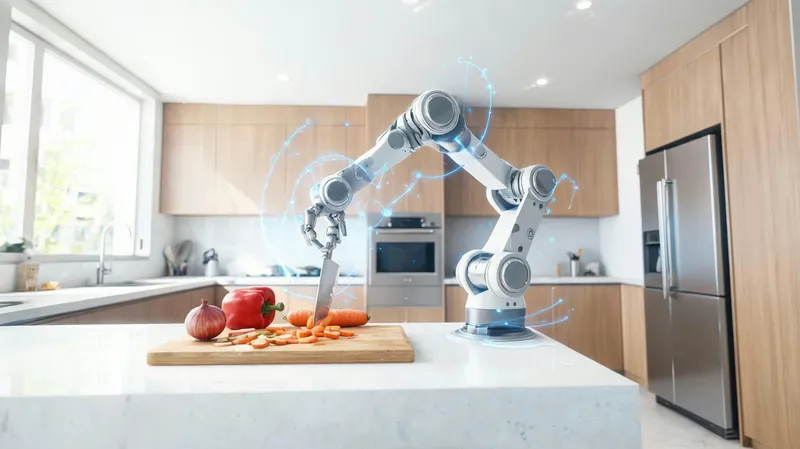
Connecting these tools to smart appliances automates cooking and portion control. AI-equipped ovens from June and intelligent cooktops from Bosch can identify what is being prepared and fine-tune time and temperature, which lowers energy consumption and helps prevent burning. That precision also means fewer spoiled meals headed for the bin.
Transparent Sourcing: AI Across the Supply Chain
AI's influence extends past the kitchen into the food supply chain. Retailers including Walmart and Kroger apply AI to demand forecasting, which curbs excess stock and spoilage. Walmart's AI system, Eden, evaluates freshness and estimates shelf life; in some stores this has cut food waste by 32%.
Traceability comes from pairing blockchain with AI. IBM Food Trust and similar efforts use blockchain to follow food from farm to store, while AI examines that data to surface inefficiencies. Shoppers can scan a QR code to learn where a product originated, which helps them choose more sustainably. Research by Label Insight found that 75% of consumers would pay more for products with transparent sourcing.
Energy and Water Savings in the Smart Kitchen
Smart kitchens also trim energy and water use. Intelligent dishwashers from Bosch and Miele rely on sensors to gauge load size and how dirty the dishes are, then adjust water and energy accordingly. Compared with standard cycles, this can save as much as 20% of water and 15% of energy.
Linking appliances to smart home platforms such as Google Home or Amazon Alexa enables whole-home management. An AI system can, for example, run the dishwasher during off-peak energy hours, shrinking both carbon footprint and utility bills. A case study of a smart home in Texas recorded a 25% drop in utility bills after AI-powered appliances were integrated.
Conclusion
AI is more than a convenience; it is a meaningful partner in cutting food waste and advancing sustainability. Smart inventory tracking that monitors each item, meal planners that convert leftovers into meals, supply chains that limit spoilage, and kitchens that save energy and water all show AI reshaping every stage of the food chain.
The stakes are evident: as global food demand grows and climate change puts pressure on agriculture, AI points toward a more circular food system. Going forward, combining AI with IoT and blockchain is expected to yield food networks that are fully transparent and self-optimizing. Adopting these technologies can help cut waste, save money, and protect the planet—one smart decision at a time.