Smart Appliances Are Rewriting the Rules of Home Cooking
Picture an oven that signals the exact moment a roast is done, or a fridge that restocks milk before the supply runs out. That vision is now part of everyday life, powered by artificial intelligence, efforts to make devices from different manufacturers work together, and rising interest in energy efficiency. Far from being mere novelties, connected ovens, refrigerators, and similar machines are changing the way households cook, shop, and handle energy use.
AI Turns Ovens into Precision Cooking Partners
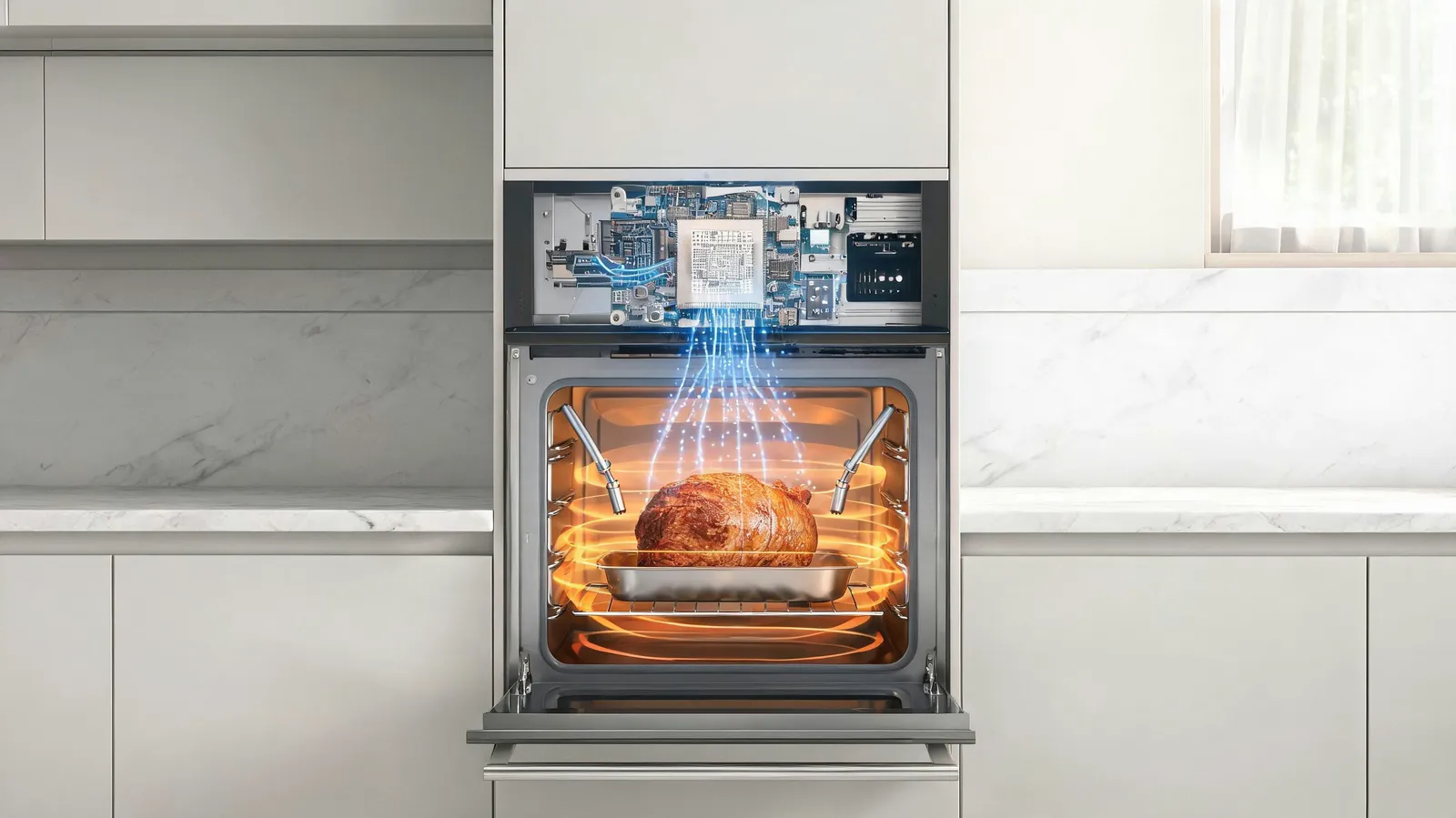
Artificial intelligence is upgrading the standard oven into a tool that assists with precise cooking. Today's smart ovens rely on AI algorithms that study what users prefer and what kind of food is being prepared, then tweak cooking settings as the process unfolds. The June Oven, for instance, uses computer vision and AI to identify food and recommend ideal settings, which helps lower the number of failed meals and cuts energy waste. Industry figures indicate that accurate temperature control can reduce energy use by as much as 15% relative to conventional ovens.
Connecting with recipe apps and voice assistants makes the experience even smoother. Whirlpool smart ovens integrate with Yummly and Google Assistant, enabling operation without using hands. Data shows that AI-optimized profiles may shorten cooking times by 30%, so weeknight meals come together faster and with more consistency.
Refrigerators That Keep Track and Give Advance Warning
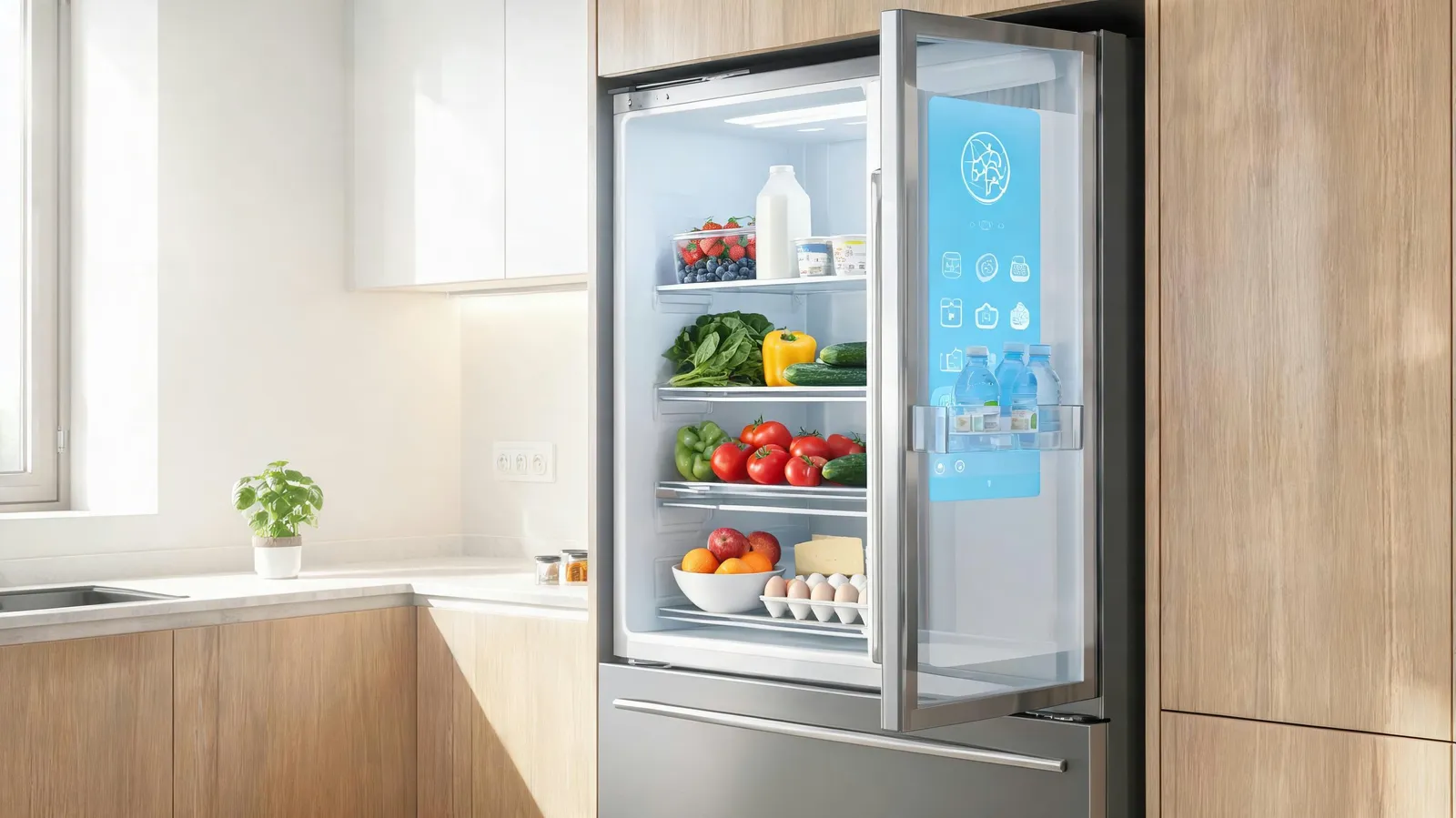
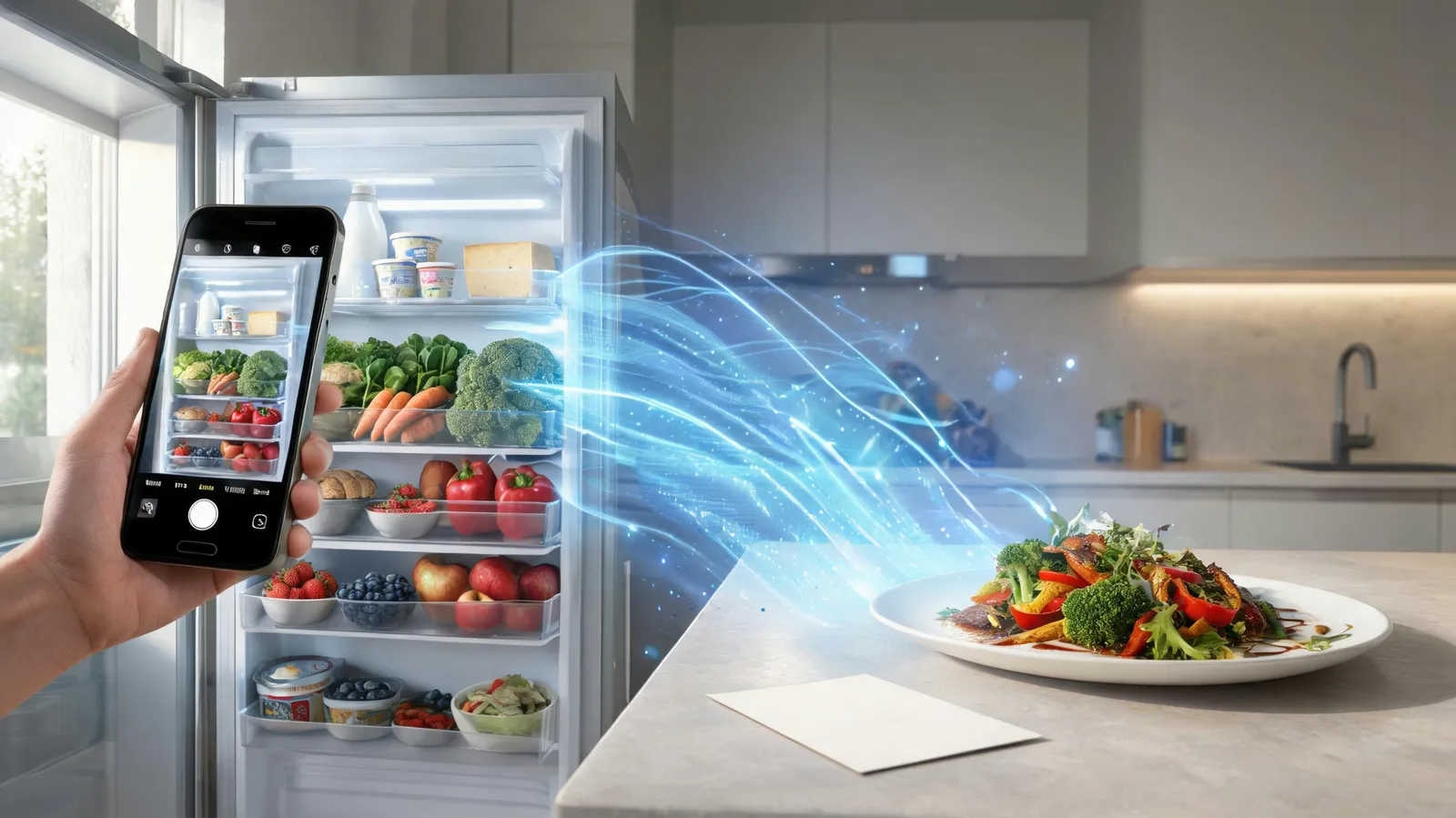
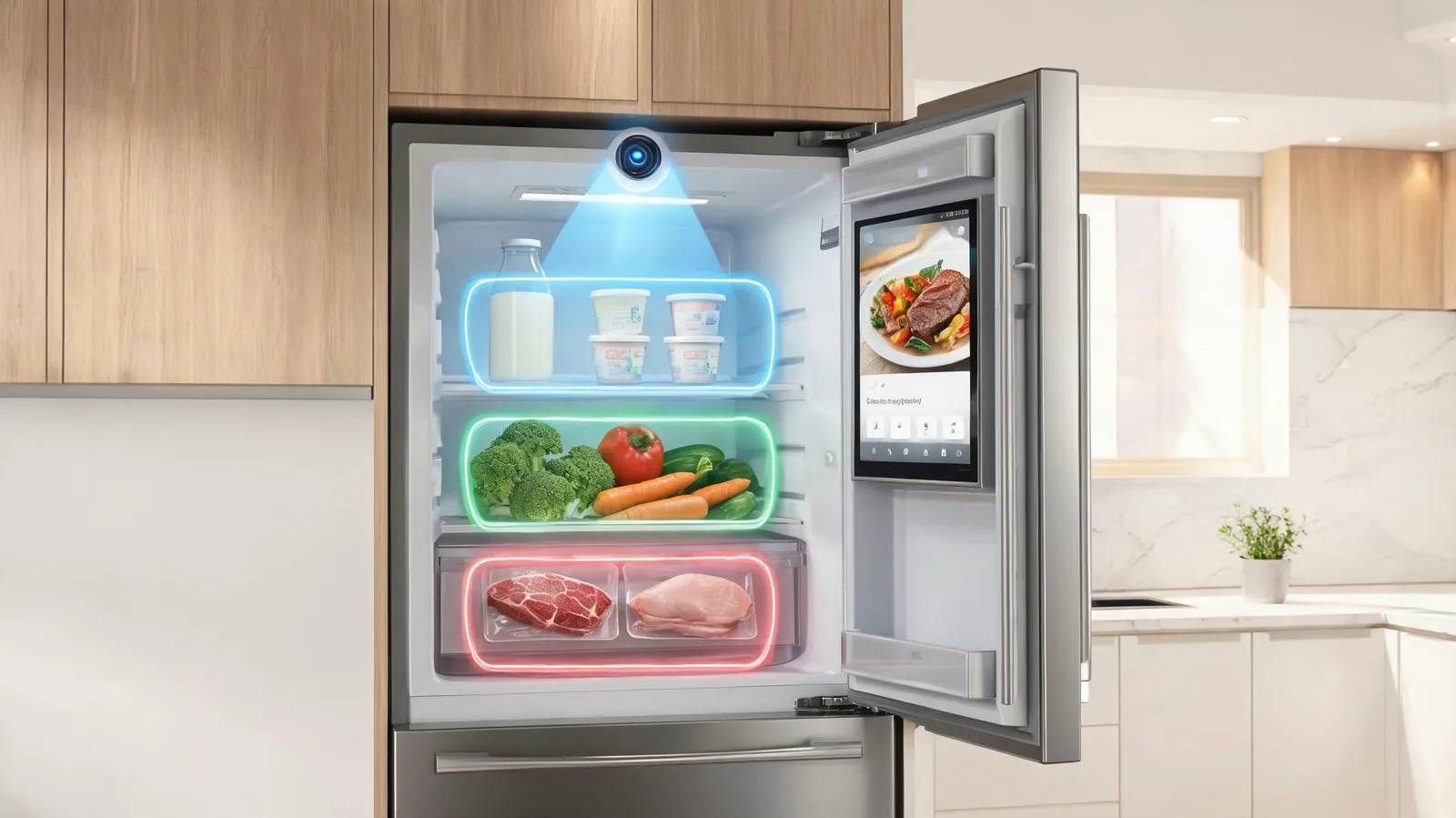
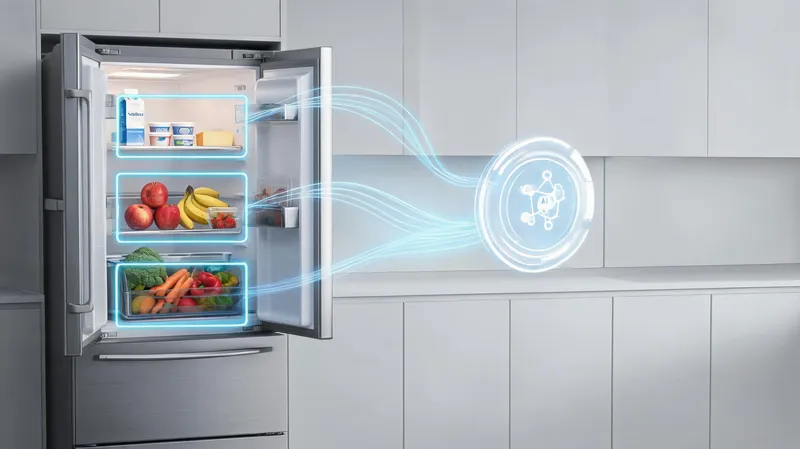
Smart refrigerators are becoming the hub of kitchen activity. Cameras inside the unit and computer vision work together to recognize items and monitor expiration dates. The Samsung Family Hub refrigerator issues alerts as food nears its expiration date, which can help households cut food waste by up to 30%. The result is both financial savings and support for sustainability efforts.
Ordering groceries automatically represents another significant shift. The LG InstaView with Amazon Dash Replenishment lets users set up automatic reordering of everyday staples. Recent figures suggest that 25% of smart fridge owners take advantage of auto-replenishment, simplifying how they shop.
Working Across Brands: Interoperability and Smart Home Integration
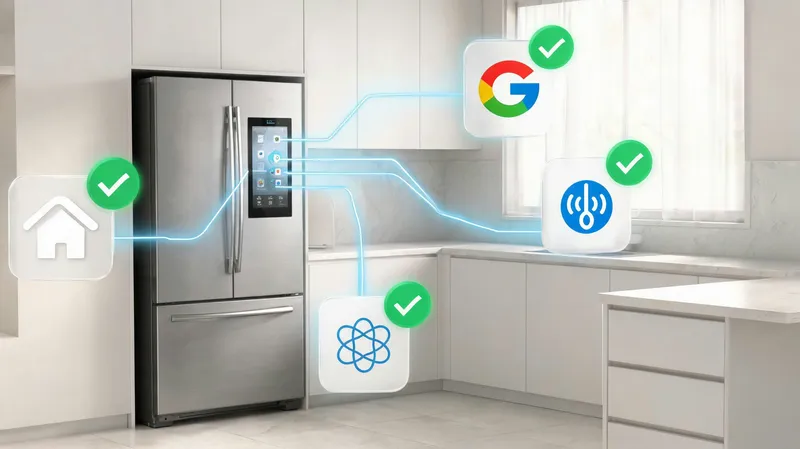
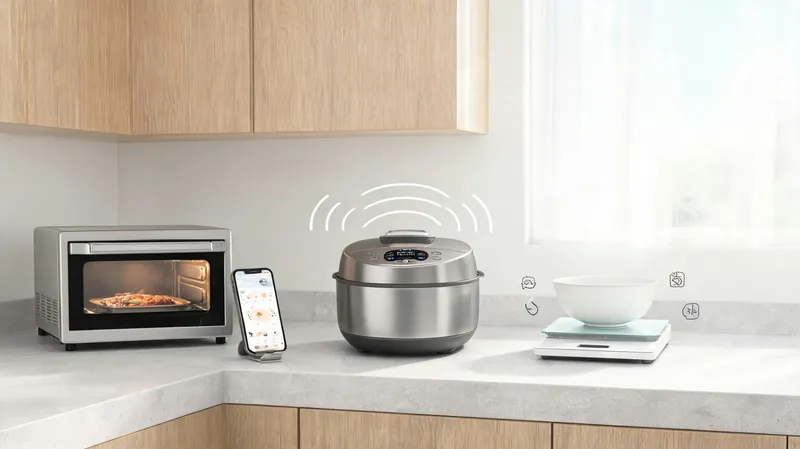
Getting appliances from different manufacturers to cooperate smoothly has long been one of the smart kitchen's toughest problems. Standards such as Matter and Thread are addressing this. Matter-certified appliances from Samsung, LG, and Whirlpool can now be managed through one app. In 2024, 60% of new smart appliances supported Matter, a jump from only 20% in 2022.
Smart home routines that combine devices are moving from concept to practice. Consider an oven starting to preheat when you begin navigating home in your car. A survey found that 40% of smart home users would like appliances to integrate with lighting and security systems. Automation at this level adds convenience and improves energy management.
Sustainability: Efficiency and Eco-Conscious Features in the Connected Kitchen
Connected appliances play a central role in sustainable living. Efficient modes and scheduling that respond to grid demand and the availability of renewable energy can cut household energy consumption by up to 15%. Smart ovens are able to postpone cooking until off-peak hours, and smart fridges can propose recipes that use ingredients nearing expiration, lowering food waste by 20% in homes with smart kitchens.
Such features do more than reduce utility bills; they also help shrink the carbon footprint. As more consumers put a priority on environmentally friendly choices, manufacturers are answering with creative solutions that make sustainability easy to adopt.
Conclusion: The Kitchen's Future Is Connected
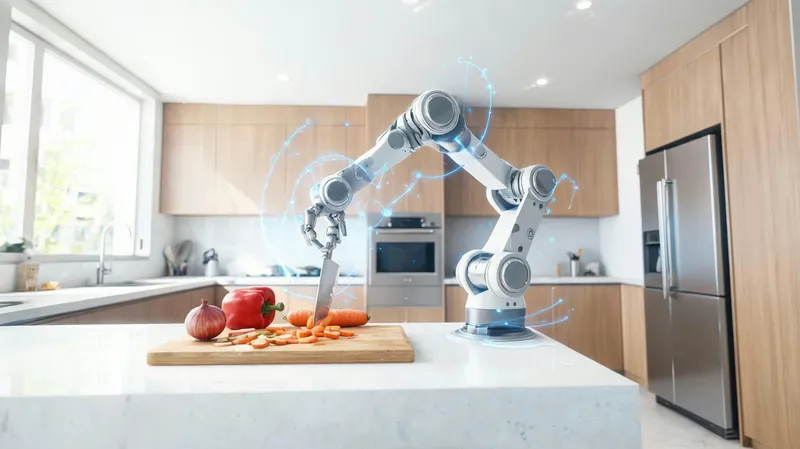
Smart ovens, refrigerators, and connected appliances are transforming home cooking by saving time, cutting waste, and reducing energy costs. With AI, interoperability, and sustainability leading the way, the smart kitchen is becoming both reachable and useful for a broad range of households. In the years ahead, AI is expected to anticipate what users need, link up with health data, and enable kitchens that operate with full autonomy. The connected kitchen is more than a passing trend—it represents the direction home cooking is taking.