Hands-Free Control via Voice and Gestures
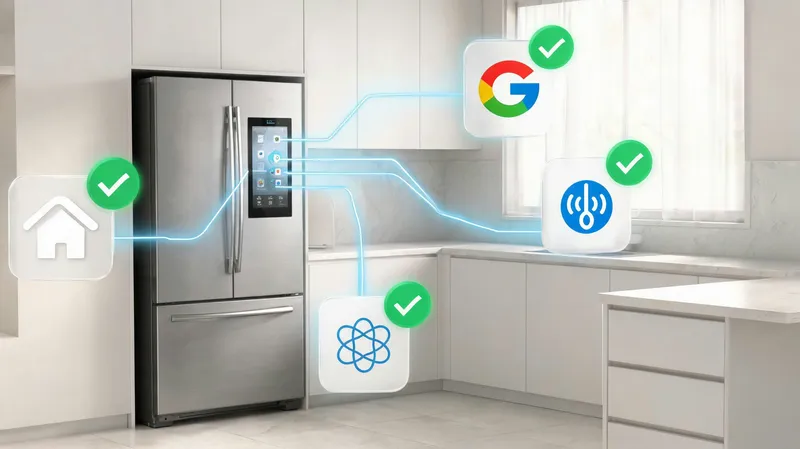
Cooking often leaves hands messy or occupied, making knobs and touchscreens impractical. Voice assistants such as Alexa and Google Assistant help by setting timers, converting measurements, and guiding users through recipes without physical contact. A 2024 study from the Smart Kitchen Alliance found that 72% of users made fewer cooking mistakes when using voice assistants, and 65% said they cooked more often due to the convenience.
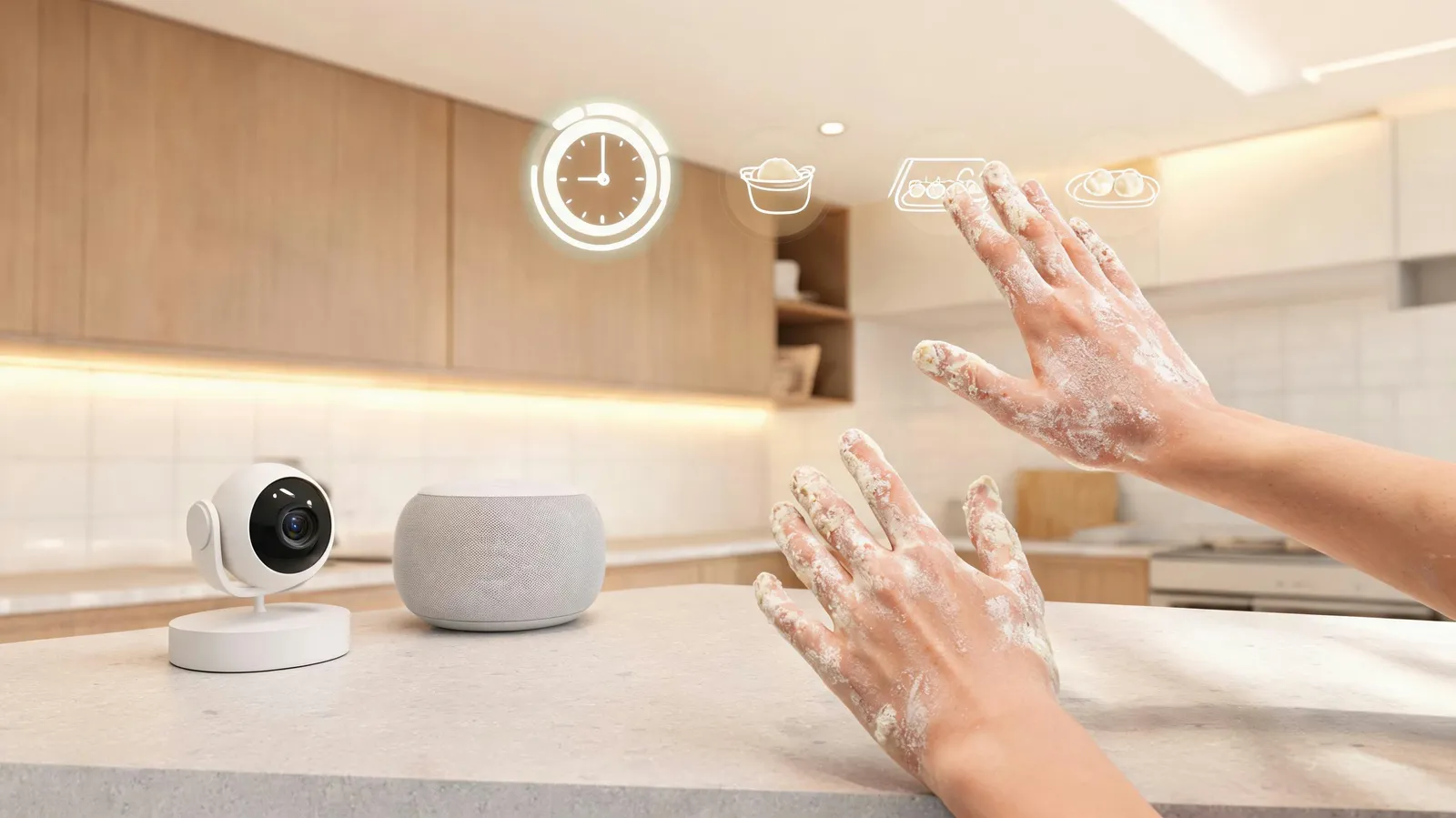
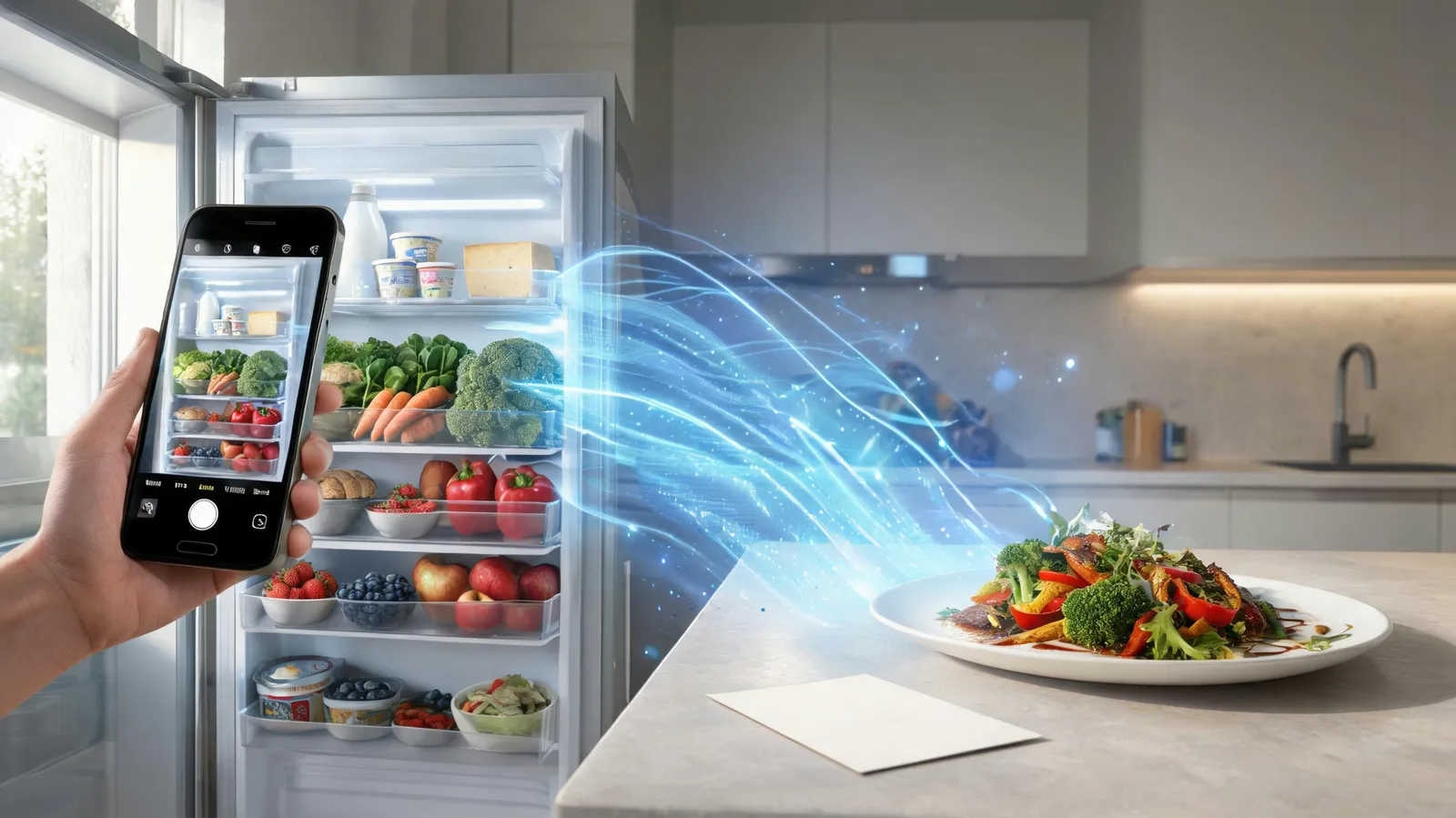
Gestures add another layer of control. A simple wave can turn on lights, adjust stove settings, or move to the next recipe step. Cameras in smart appliances detect these gestures, and devices like Google Nest Hub and Amazon Echo Show support basic gesture commands. This is particularly helpful when hands are covered in dough or raw meat. By combining voice and motion, kitchens can respond to both, creating a true multimodal experience.
Voice Recognition That Handles Accents and Multiple Languages
Historically, voice recognition has struggled with accents and dialects, causing frustrating errors while cooking. For instance, a Spanish speaker requesting “azúcar” might be misunderstood as asking for a “shaker.” Recent AI models such as Google’s Universal Speech Model and Amazon’s AlexaTM have greatly improved accuracy across accents. Trained on diverse datasets, these models cut errors by up to 40% for non-native speakers.
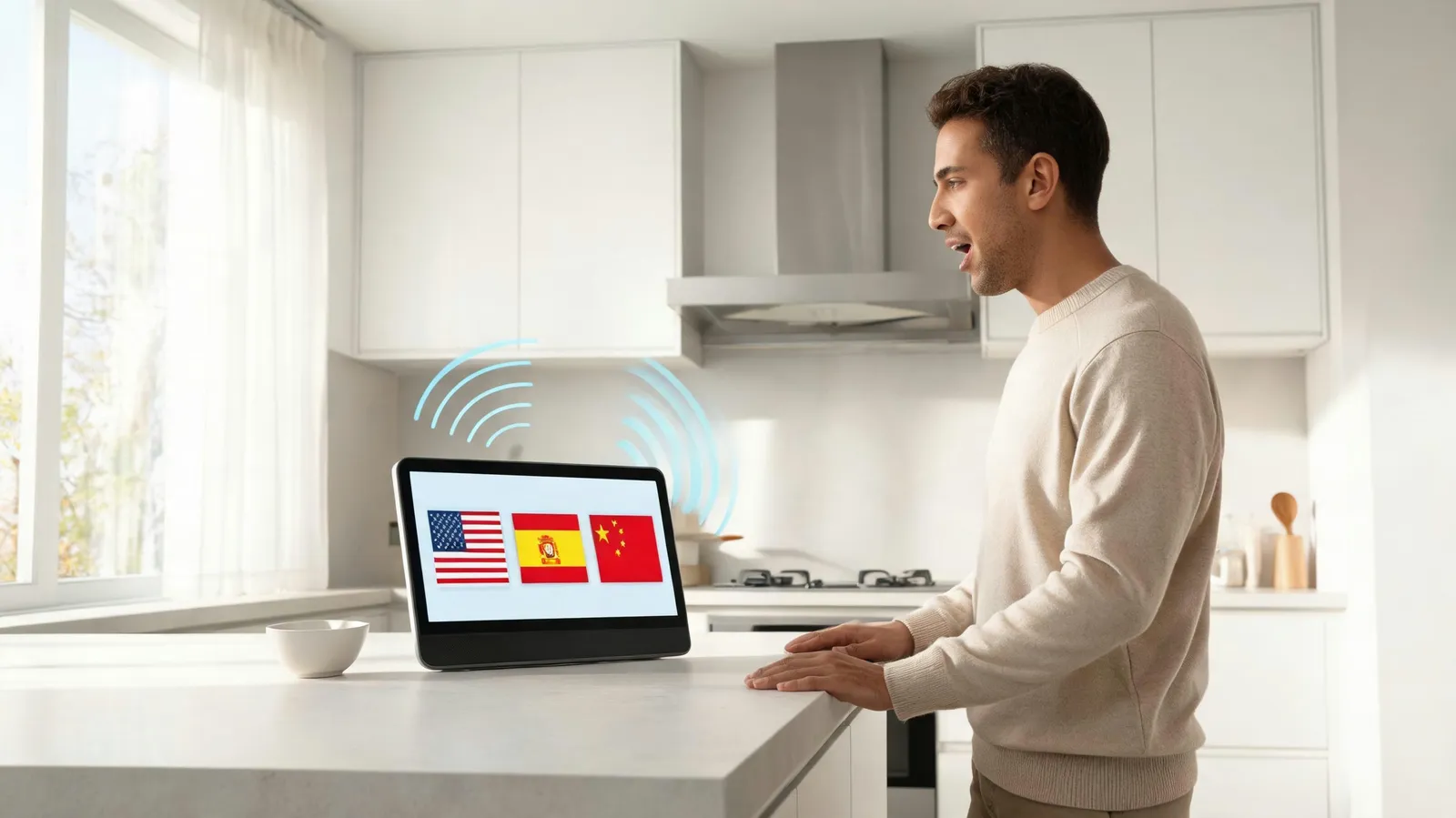
Multilingual support is also key. Modern assistants switch languages smoothly, letting users follow recipes in English, Spanish, Chinese, and others. This helps multicultural households and international recipes. Case studies show families using multilingual assistants report better cooking results and more enjoyment. A bilingual family in California, for example, can ask for a recipe in English and then switch to Spanish for step-by-step guidance—all without touching a screen.
Context-Aware Help That Anticipates Needs
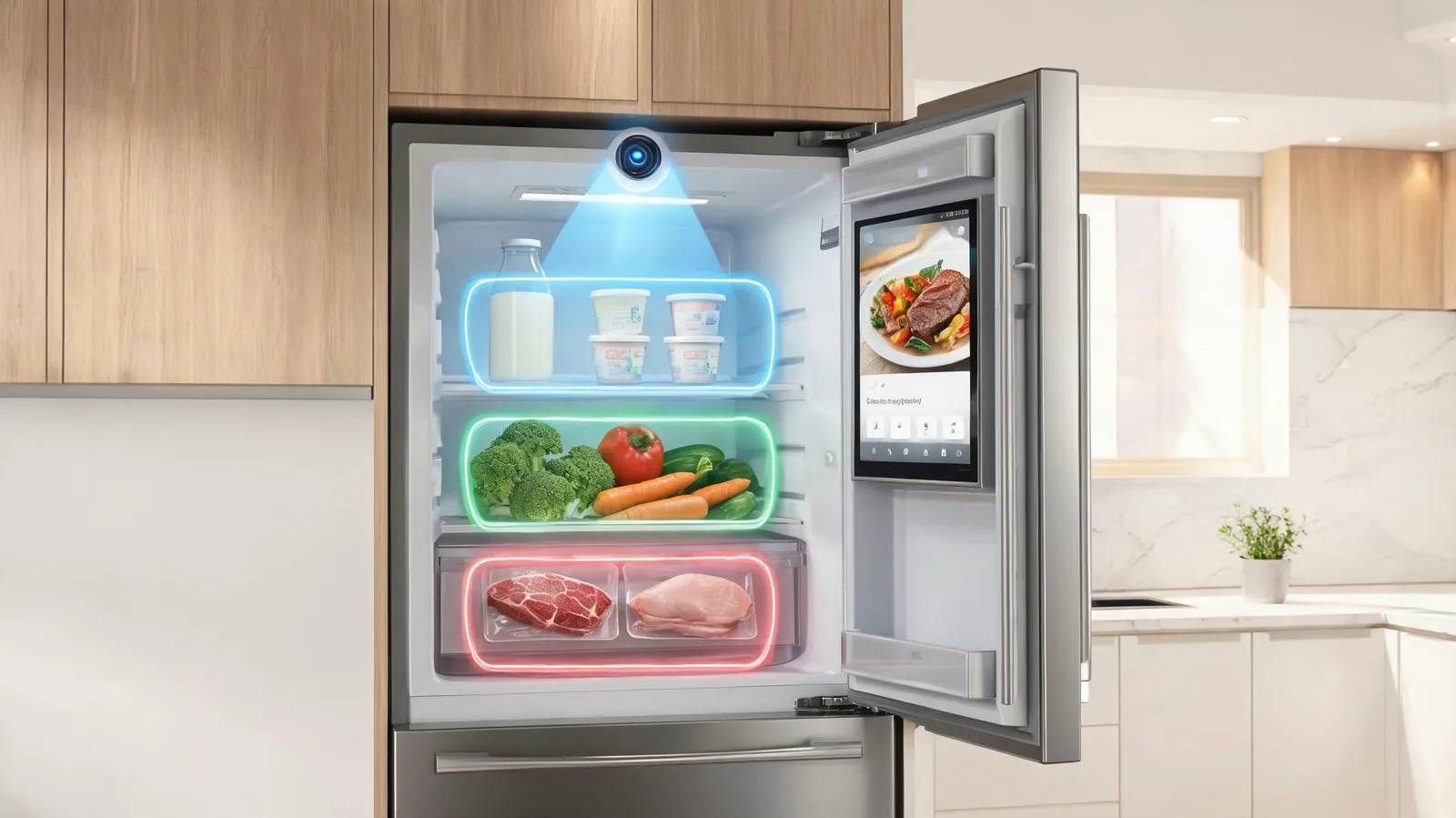
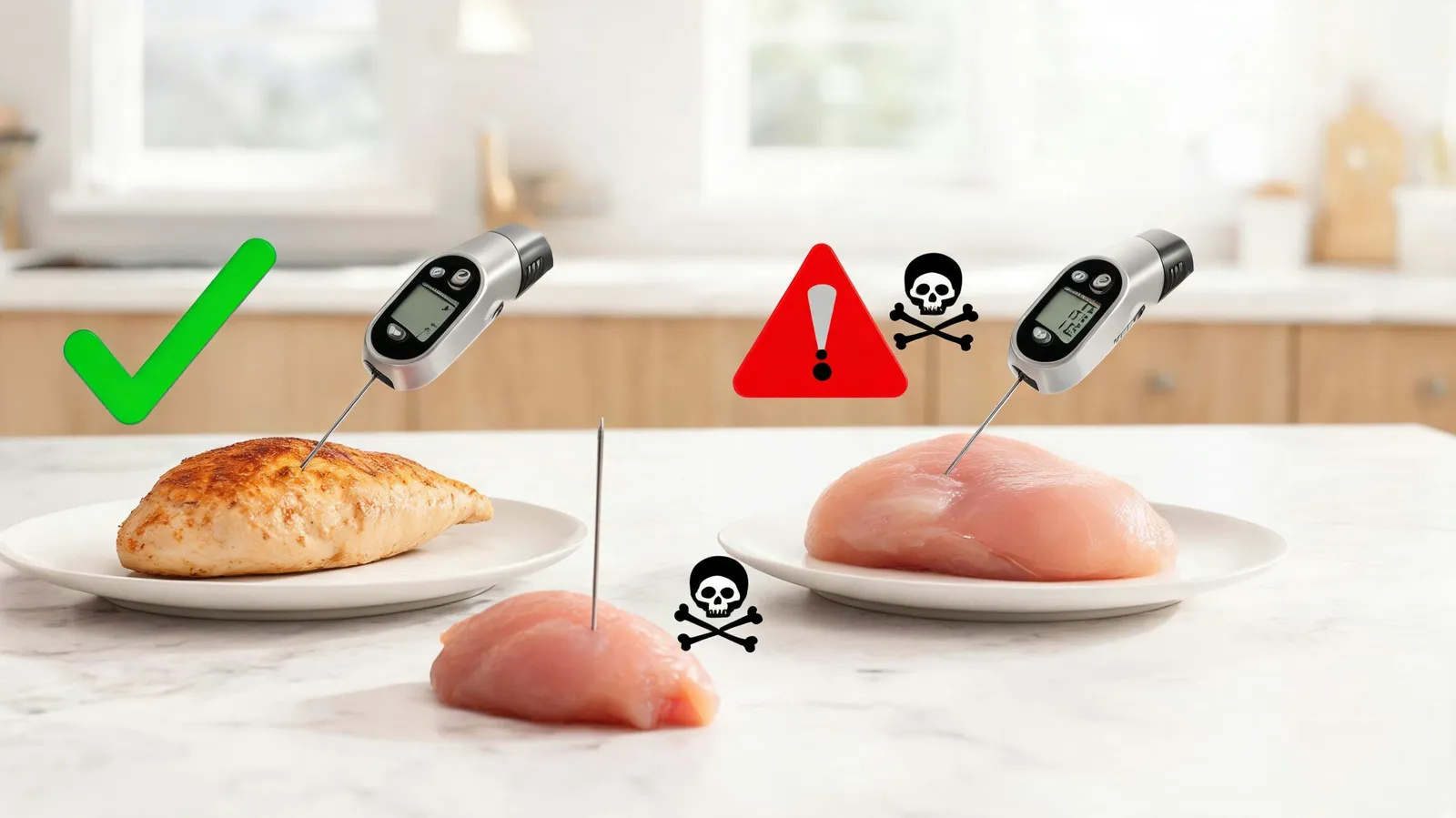
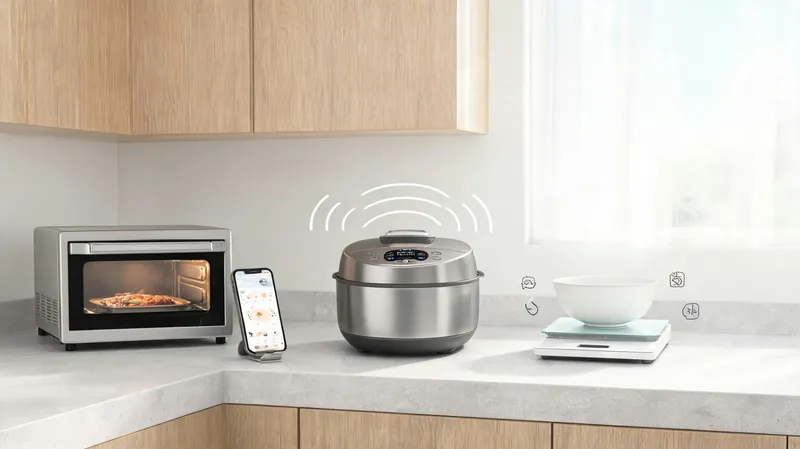
Context-aware assistance uses sensors and cameras to detect cooking stages and suggest next steps. Smart ovens and pans communicate with assistants to provide real-time data. For example, a smart oven might tell Alexa that a roast has reached 145°F, prompting the assistant to announce it’s ready. According to a 2023 report by the IoT Kitchen Council, such integrations led to a 30% reduction in cooking time and a 25% improvement in outcomes.
Personalized recipe adjustments based on dietary preferences and past behavior are another key feature. AI-driven recommendations can modify ingredients—like reducing sugar or substituting gluten-free flour—based on user history. One home cook says, “I just say 'make it healthier' and my assistant adjusts the recipe automatically.” This level of personalization makes cooking more accessible for people with dietary restrictions.
Visual Interaction with Smart Displays and Augmented Reality
Smart displays like Amazon Echo Show and Google Nest Hub show visual recipe steps, videos, and timers, enhancing the voice experience. User studies indicate that visual aids improve cooking accuracy by 35%, especially for complex dishes. These displays can show step-by-step photos, ingredient lists, and even video tutorials, all controlled by voice.
Augmented reality (AR) overlays push this further. Prototypes of AR glasses and cooking apps project step-by-step guidance and ingredient identification directly onto the counter or food items. Imagine wearing AR glasses that label each ingredient and show exactly where to pour. This hands-free visual assistance is especially useful for intricate tasks like decorating cakes or assembling sushi. While still emerging, AR cooking assistants are poised to become mainstream as hardware becomes more affordable.
Conclusion
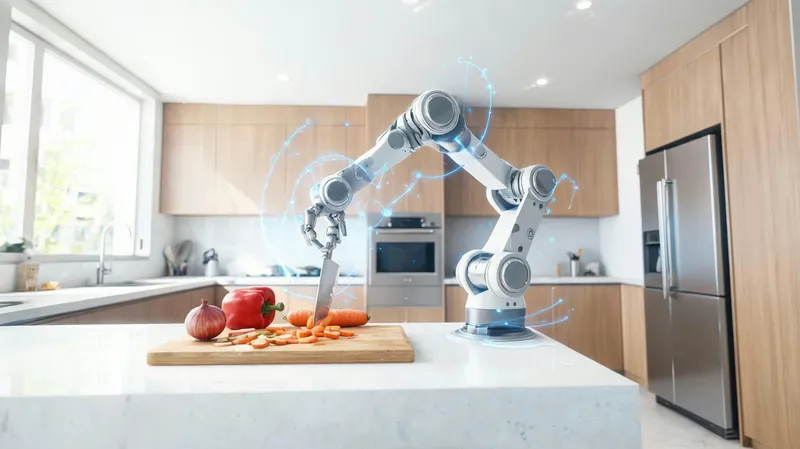
Voice assistants and multimodal interaction are transforming the kitchen by enabling hands-free operation, robust multilingual voice recognition, context-aware assistance, and visual integration through smart displays and AR. These technologies make cooking more accessible, efficient, and enjoyable for diverse users. As AI, robotics, and the Internet of Things continue to advance, we can look forward to fully autonomous kitchens where voice and gesture are the primary interfaces. The future of cooking is not just hands-free—it’s multimodal, intelligent, and inclusive.