Data Privacy Concerns in an Always-On Kitchen
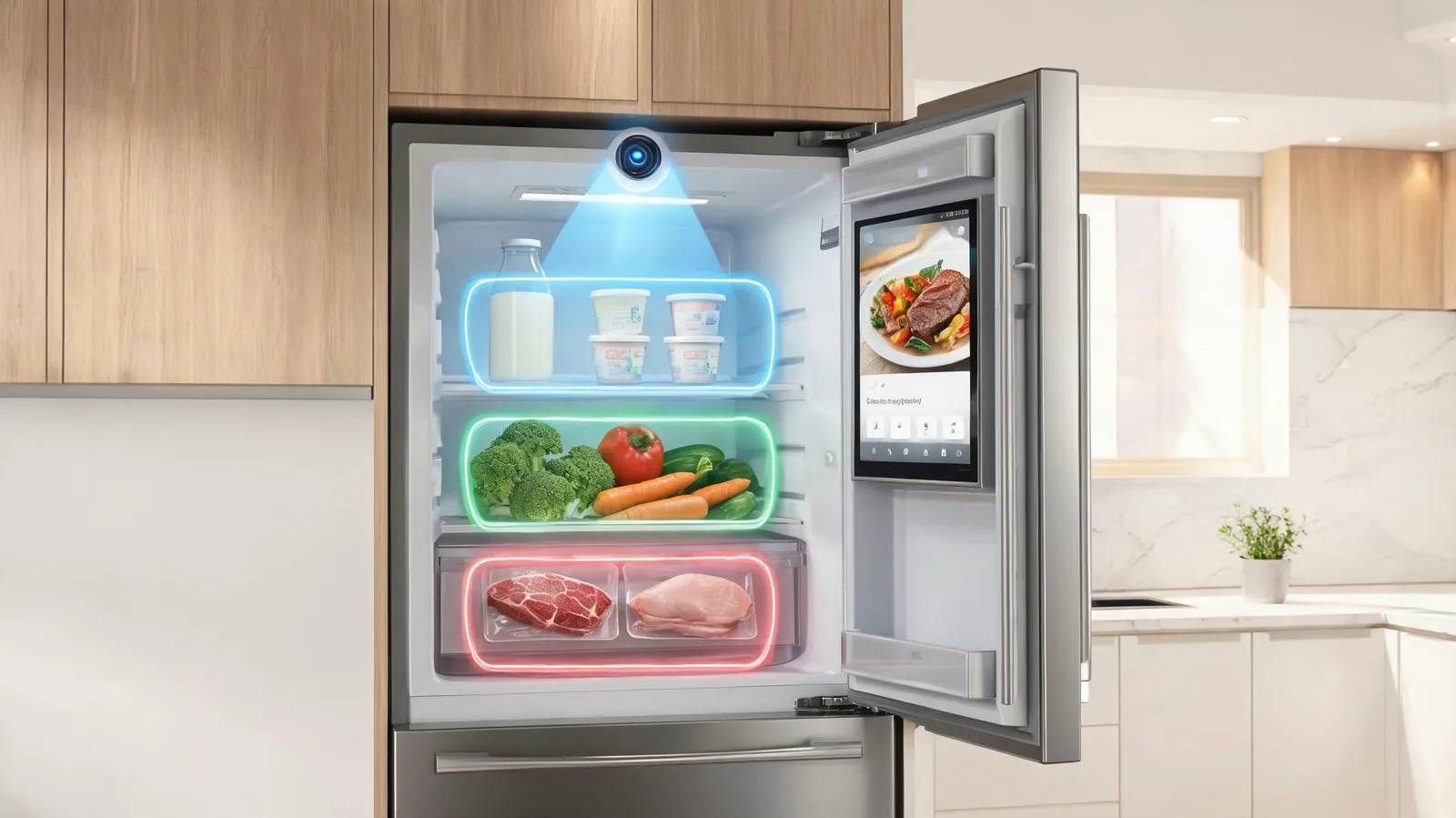
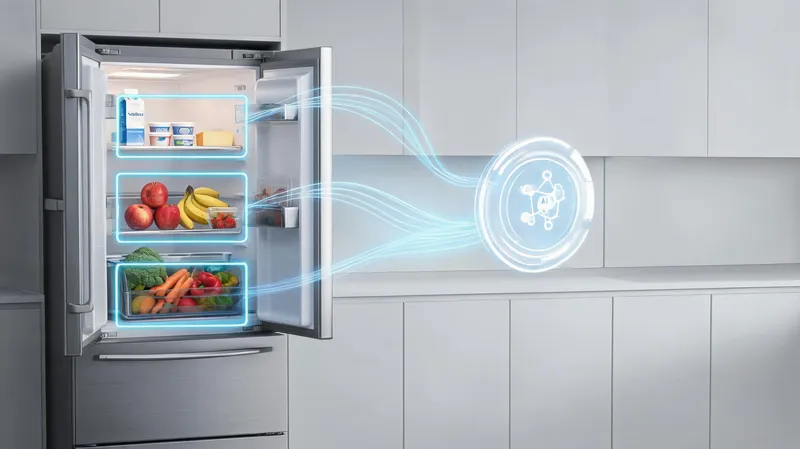
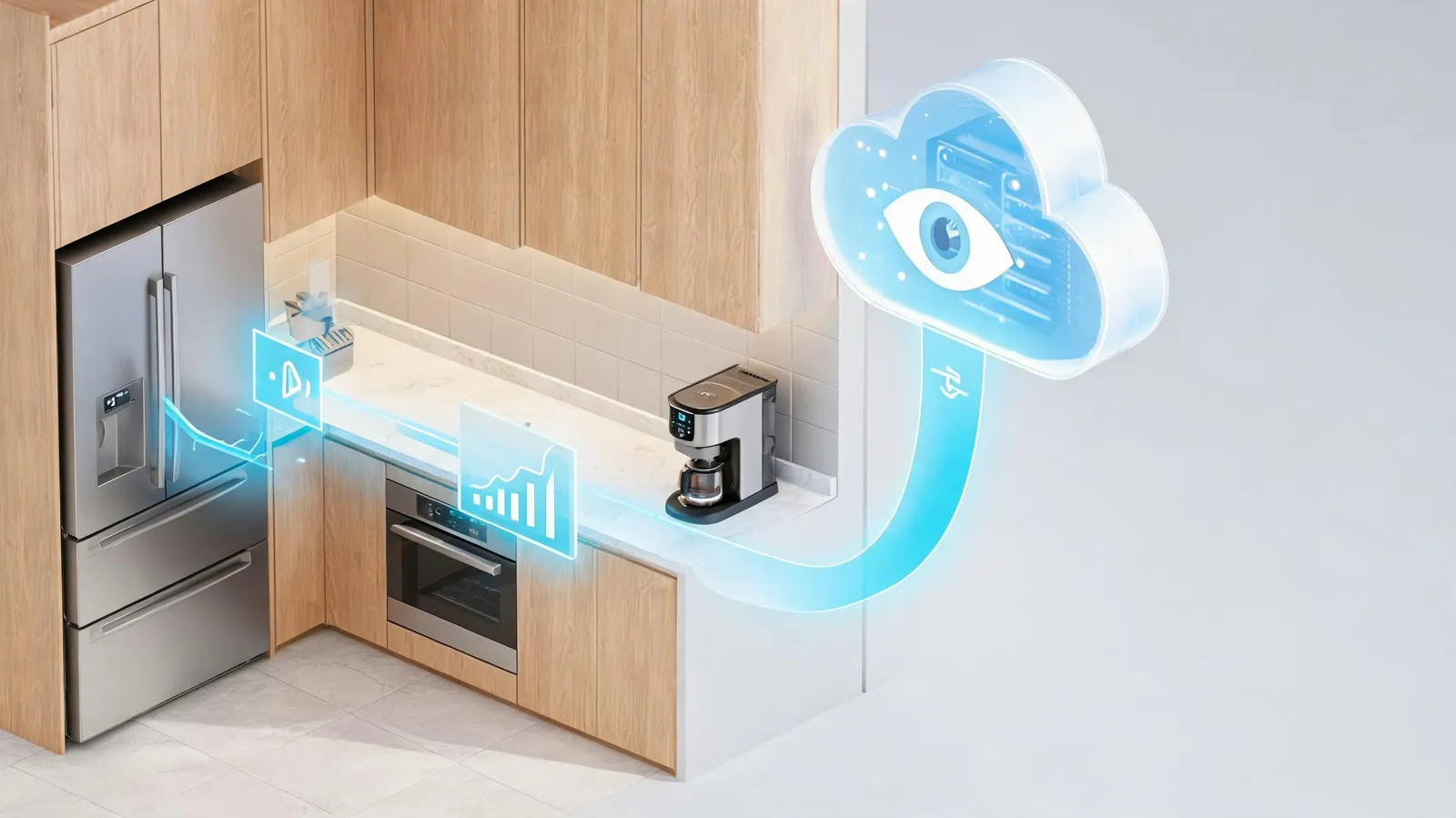
Smart kitchen appliances—ranging from refrigerators to coffee machines—come equipped with sensors, microphones, and cameras that collect data continuously. The information gathered spans usage patterns and voice commands to images of groceries. Although such data can support personalized services, it also introduces privacy risks. Smart speakers, for example, have been found to inadvertently capture private conversations, and smart TVs have incurred penalties for collecting data without authorization. Many users remain unaware of how their data is shared with third parties, resulting in limited transparency and control.
Research indicates that most consumers worry about data privacy yet feel they have little say over what is collected. Because these devices are always on, data collection is constant and frequently occurs without explicit consent. This opacity weakens trust and may slow adoption. Manufacturers need to prioritize clear communication and easy-to-use privacy controls to address these concerns.
Security Weaknesses in IoT Kitchen Systems

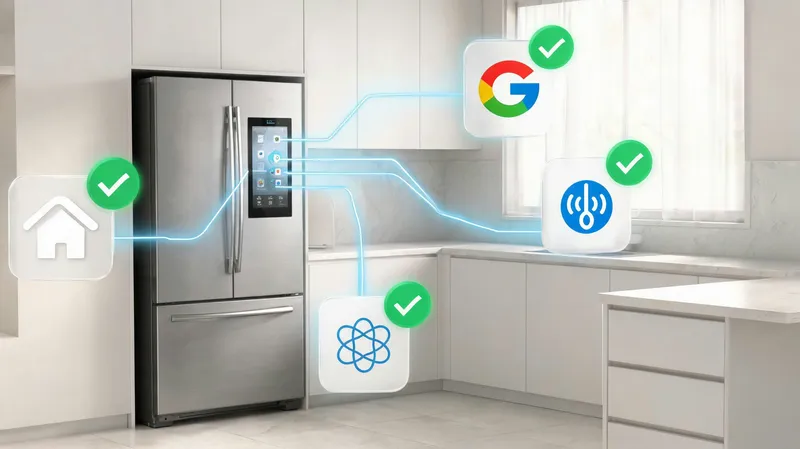
Security flaws in IoT kitchen devices are a significant issue. Many products ship with weak default passwords, unencrypted communications, and outdated firmware, which makes them easy targets for attackers. In 2016, for instance, a botnet attack leveraged compromised smart kitchen devices to conduct a large-scale DDoS attack. More recently, researchers have shown how a hacked smart oven could be manipulated to create a fire hazard, and how a smart fridge could act as an entry point to a home network.
These vulnerabilities carry both physical and digital consequences. A compromised device can be used to spy on users, disrupt home networks, or even cause physical harm. Manufacturers must implement robust security measures, such as strong authentication, regular updates, and encryption, to mitigate these risks. Consumers should also be educated on securing their devices, such as changing default passwords and keeping firmware up to date.
Trust and Demographics: Adoption Patterns
Adoption of IoT kitchen technology differs across demographic groups. Younger, tech-savvy users are more willing to trade privacy for convenience, while older adults and privacy-conscious individuals are more hesitant. Cultural differences also play a role; for instance, a cross-cultural study found that trust in smart home technology is higher in collectivist cultures where community benefits are emphasized.
The Technology Acceptance Model (TAM) suggests that perceived usefulness and ease of use are key drivers of adoption. A smart kitchen product that fails to demonstrate clear value or is difficult to use will likely fail, regardless of its privacy features. Manufacturers must therefore focus on designing intuitive, useful products while addressing privacy and security concerns to appeal to a broad audience.
Regulatory and Compliance Hurdles: A Fragmented Environment
Regulation of IoT kitchen products is complex and fragmented. Key regulations include the GDPR in Europe, CCPA in California, and the IoT Cybersecurity Improvement Act in the US. These laws set requirements for data privacy, consent, and security, but they differ significantly by region. For manufacturers, complying with multiple regimes is costly and time-consuming, especially for small companies.
Data localization requirements, consent mechanisms, and security standards add to the compliance burden. A global smart appliance maker, for example, must adapt its data practices to each market, which can delay product launches and increase costs. Industry surveys indicate that compliance is a top challenge for IoT companies. To streamline this, policymakers should work towards harmonized standards, and manufacturers should adopt privacy-by-design principles to reduce compliance friction.
Conclusion
The connected kitchen offers immense benefits, but its success depends on addressing privacy, security, and regulatory challenges. Without building trust and ensuring robust security, widespread adoption will remain elusive. Collaborative efforts among manufacturers, policymakers, and consumers are essential. By prioritizing privacy-by-design, enhancing security, and streamlining compliance, we can unlock the full potential of IoT kitchens while safeguarding user trust.