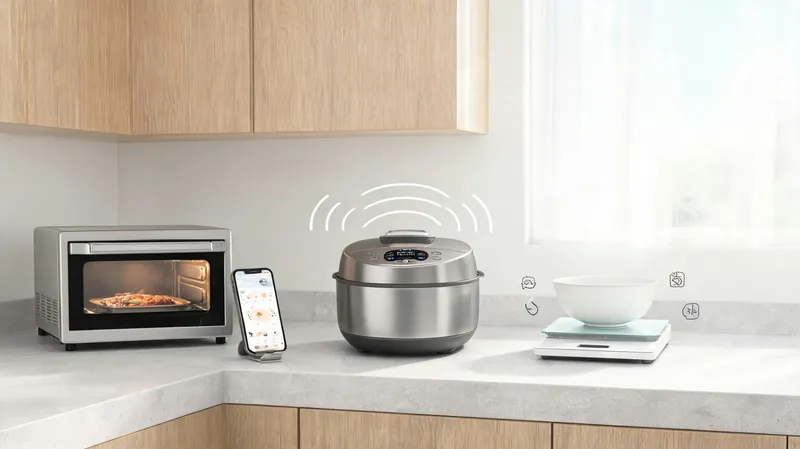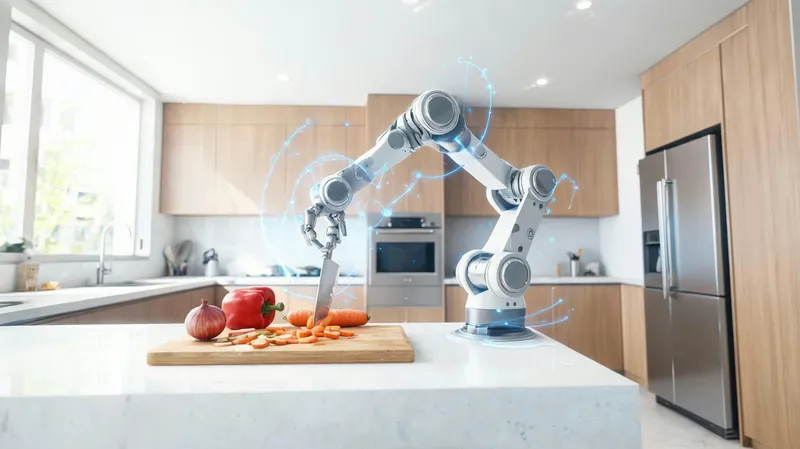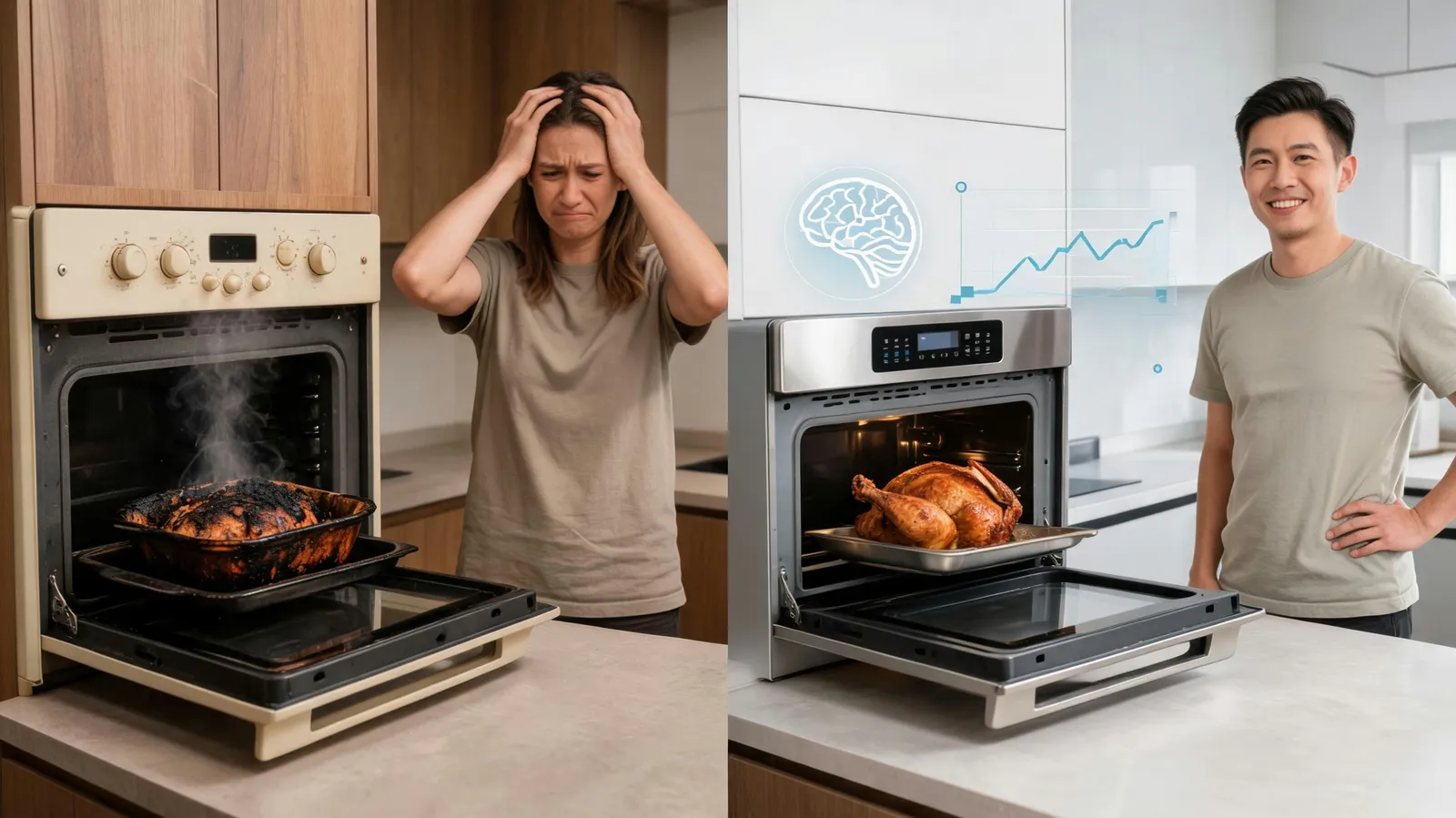
Imagine an oven that takes the guesswork out of cooking—one that adjusts itself to deliver consistent results, no matter the dish. Traditional ovens demand near-constant attention, and the outcome can vary from meal to meal. AI-powered smart ovens and cooking assistants are reshaping home cooking by bringing precision, convenience, and efficiency to the process, making it more approachable for everyone.
Precision Cooking: Real-Time Temperature and Timing Control
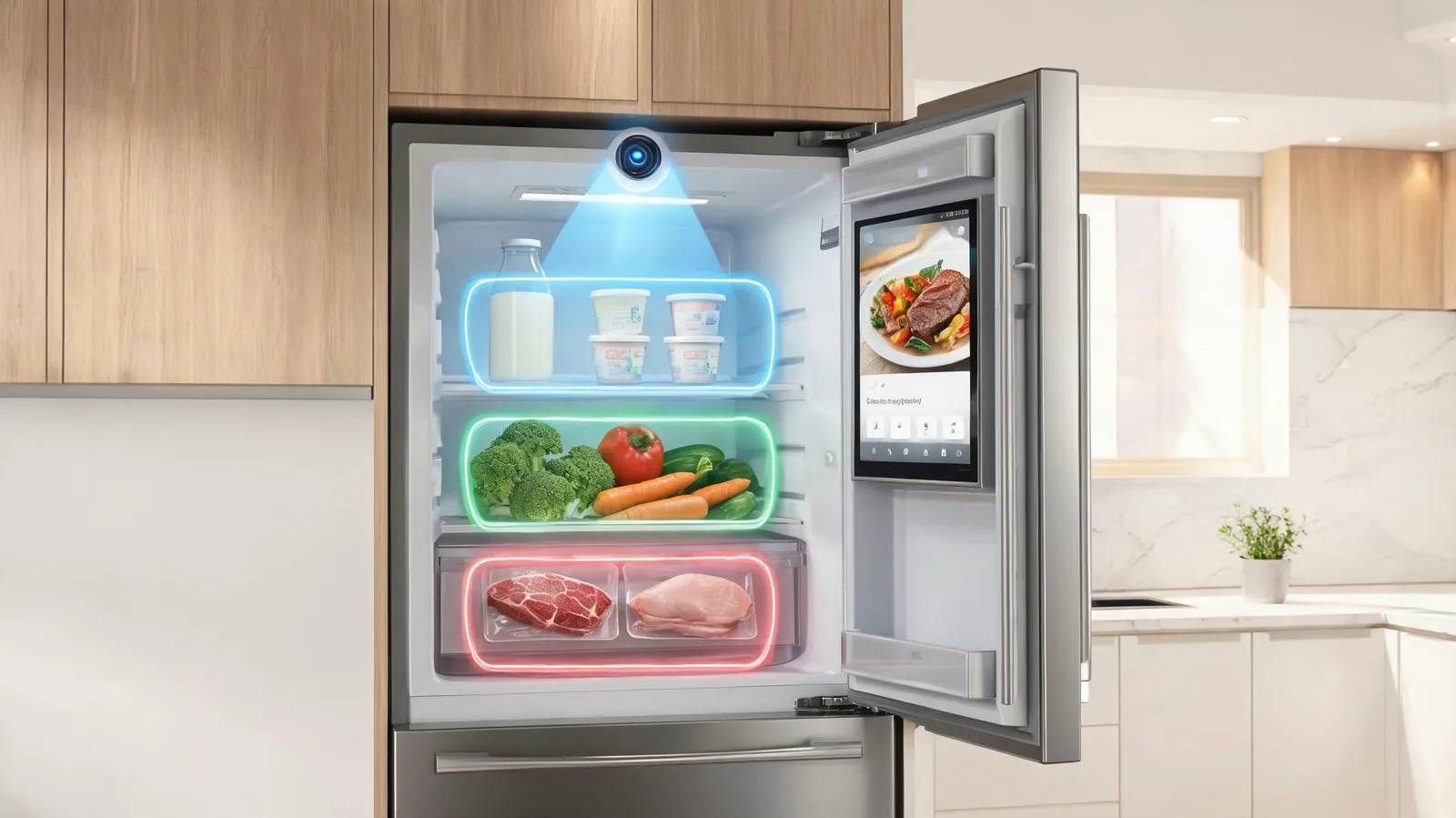
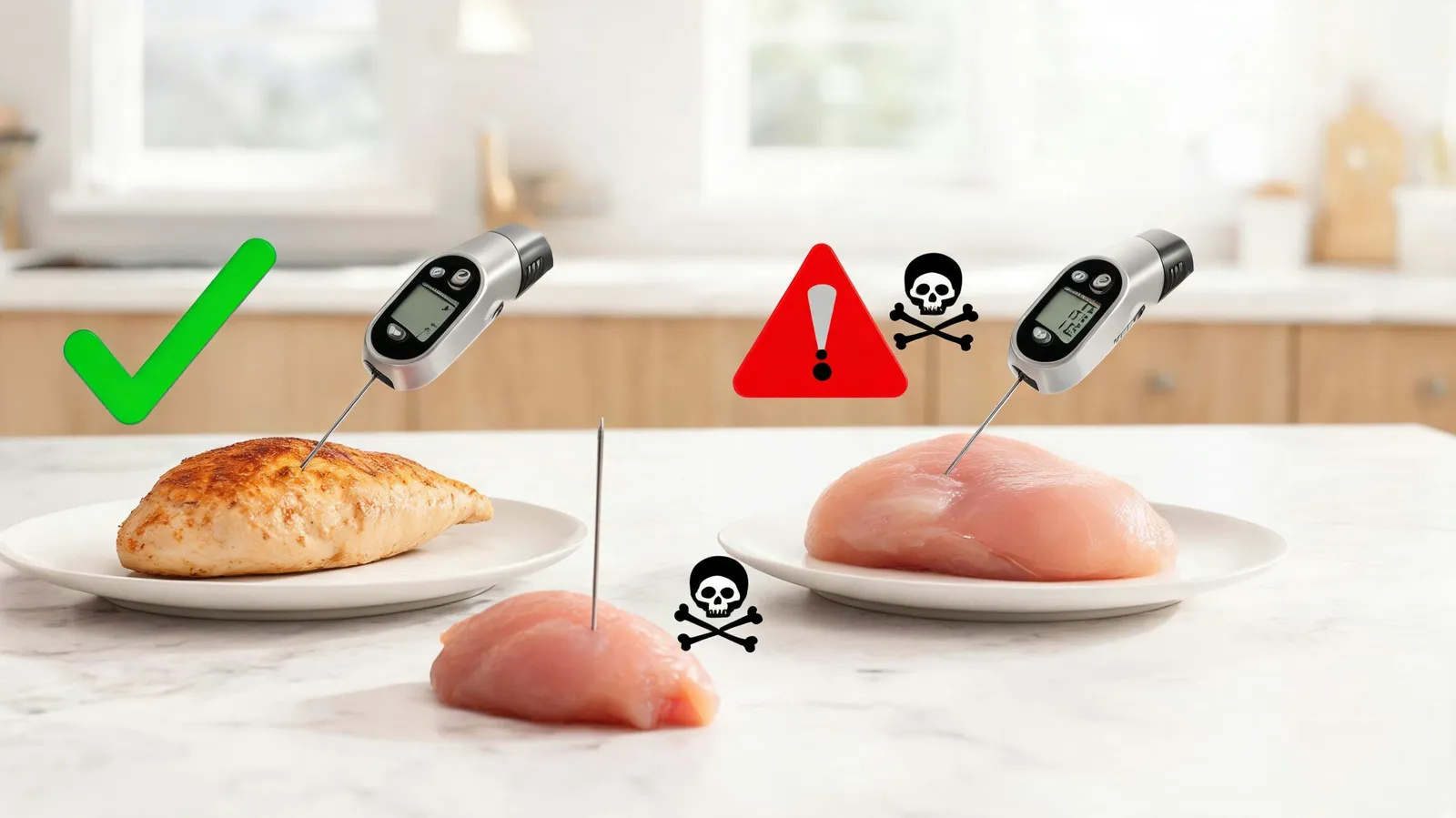
AI smart ovens rely on algorithms to interpret recipe requirements and tweak oven settings on the fly. Whether you're baking a fragile soufflé or roasting a whole chicken, the oven keeps conditions ideal by continuously reading internal sensors and cameras. The result: fewer failed dishes and more consistent outcomes when you repeat a meal.
Cameras and sensors track how done the food is and make small adjustments. A smart oven, for instance, can recognize when cookies have reached the perfect bake and then switch to a keep-warm mode. The U.S. Department of Energy reports that precise cooking cycles can reduce oven energy use by as much as 20% compared with traditional models that depend on guesswork and frequent door openings.
Seamless Integration: Recipe Apps and Voice Assistants
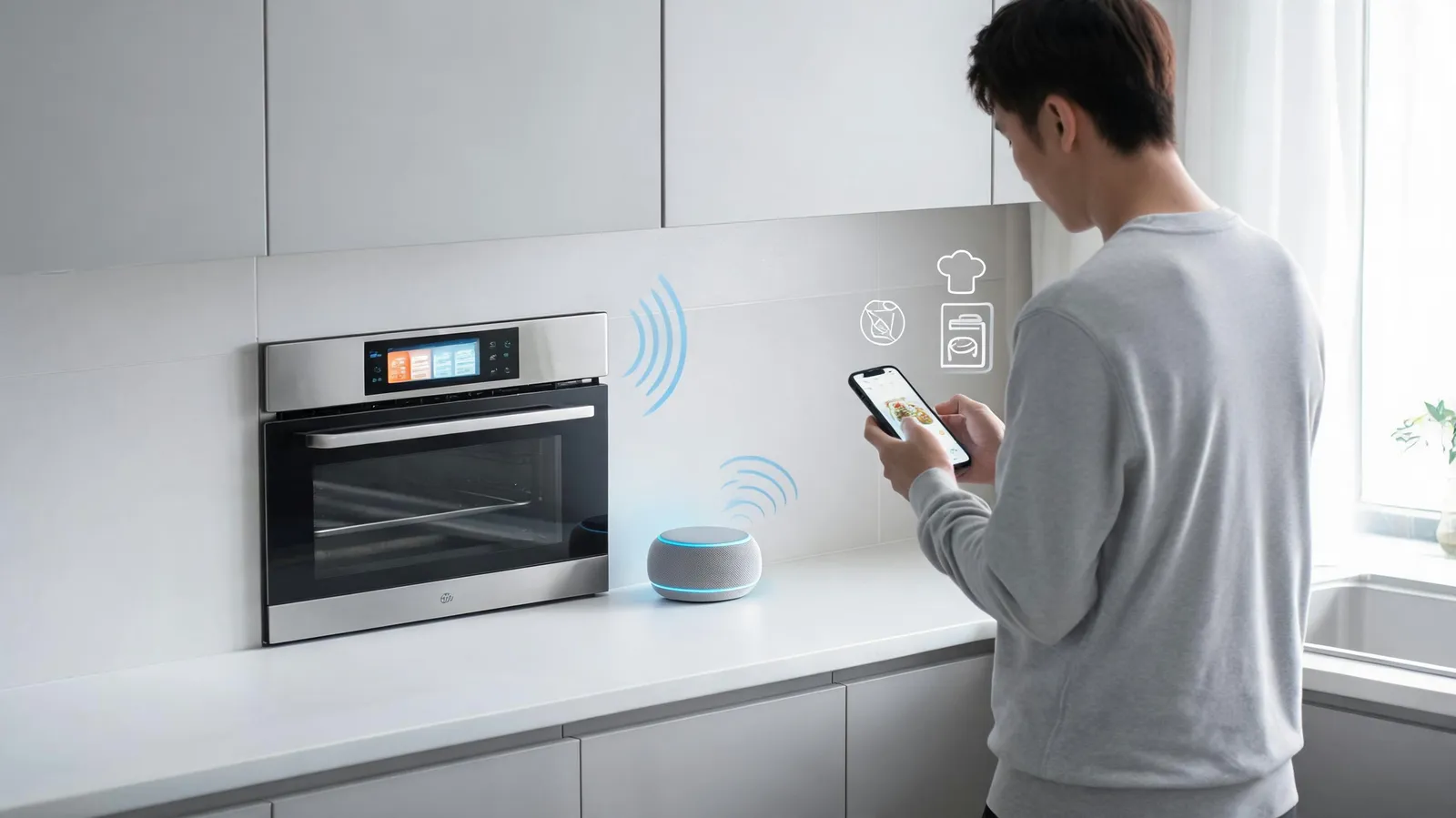
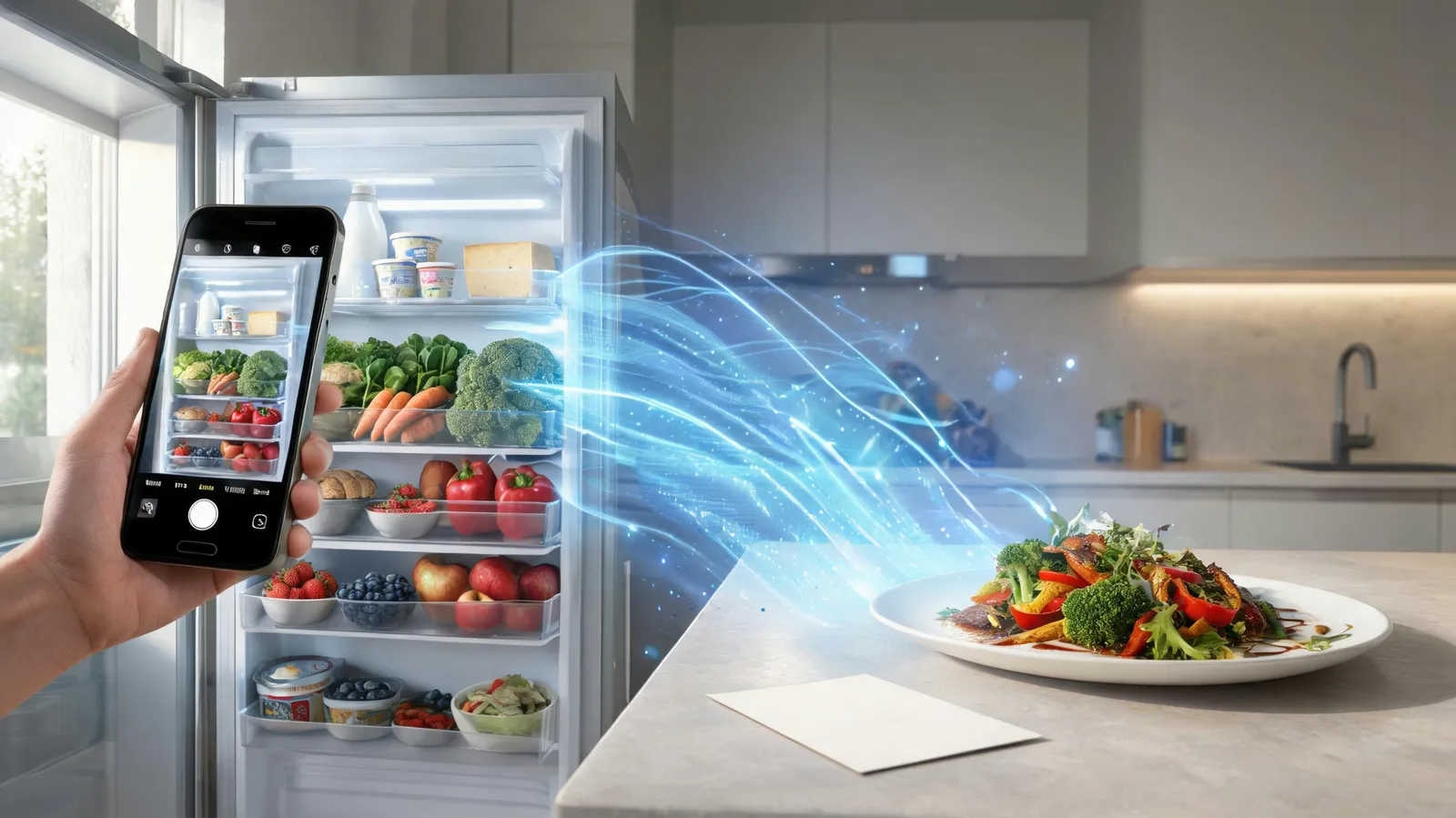
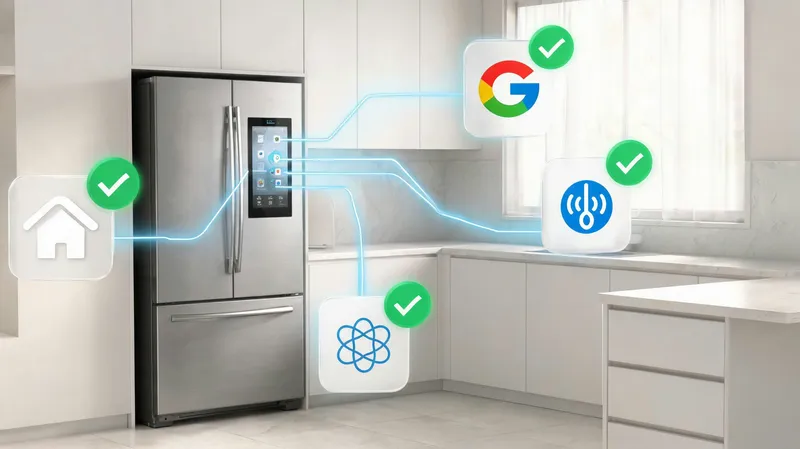
Smart ovens connect with popular recipe apps to pull in cooking instructions and settings. When you select a recipe on your phone, the oven can preheat to the correct temperature and set the timer automatically. Users say this hands-free start saves time and cuts down on mistakes, especially when preparing several dishes at once.
Voice control through assistants such as Alexa or Google Assistant allows for hands-free operation. Typical commands include "Preheat to 350°F" and "Set timer for 20 minutes." Adoption of voice-controlled kitchen devices has risen steadily in the US, with major appliance brands adding support for both platforms in 2024 and 2025 models.
Energy Efficiency and Safety: A Smarter Approach
AI fine-tunes cooking cycles to lower energy consumption. A smart oven can shut off automatically when food is done, which avoids the common issue of an oven being left on and running for extra minutes. Data from appliance testing indicates that smart ovens often consume less electricity than traditional ovens because they reach target temperatures faster and maintain them more steadily.
Safety features such as auto-shutoff, child locks, and temperature alerts help prevent accidents. According to the National Fire Protection Association, cooking is the leading cause of home fires in the US, and smart ovens with automatic shutoff can significantly reduce that risk. User reviews often cite peace of mind as a key benefit.
User Experience: Designed for All Skill Levels
Intuitive interfaces and guided cooking modes support beginners. Step-by-step instructions on the oven's display guide users through each stage, and surveys show that people of all ages find these interfaces easy to use after a short learning period.
Over time, AI learns user preferences and suggests recipes. An oven might, for example, propose a recipe based on past cooking habits, such as a favorite weeknight pasta bake. Testimonials from users indicate that this feature helps them build cooking skills and try new dishes without feeling overwhelmed.
Conclusion
AI-powered smart ovens combine precision cooking, integration with apps and voice assistants, energy efficiency, and a user-friendly experience. They make cooking easier, more sustainable, and more enjoyable for a wide range of households. As AI continues to learn personal tastes and connect with smart home ecosystems, the kitchen will become an even more responsive and helpful space. For anyone considering an upgrade in 2026, a smart oven is one of the most practical and impactful investments for the home.