Personalized Movement Plans for Special Groups and Rehab
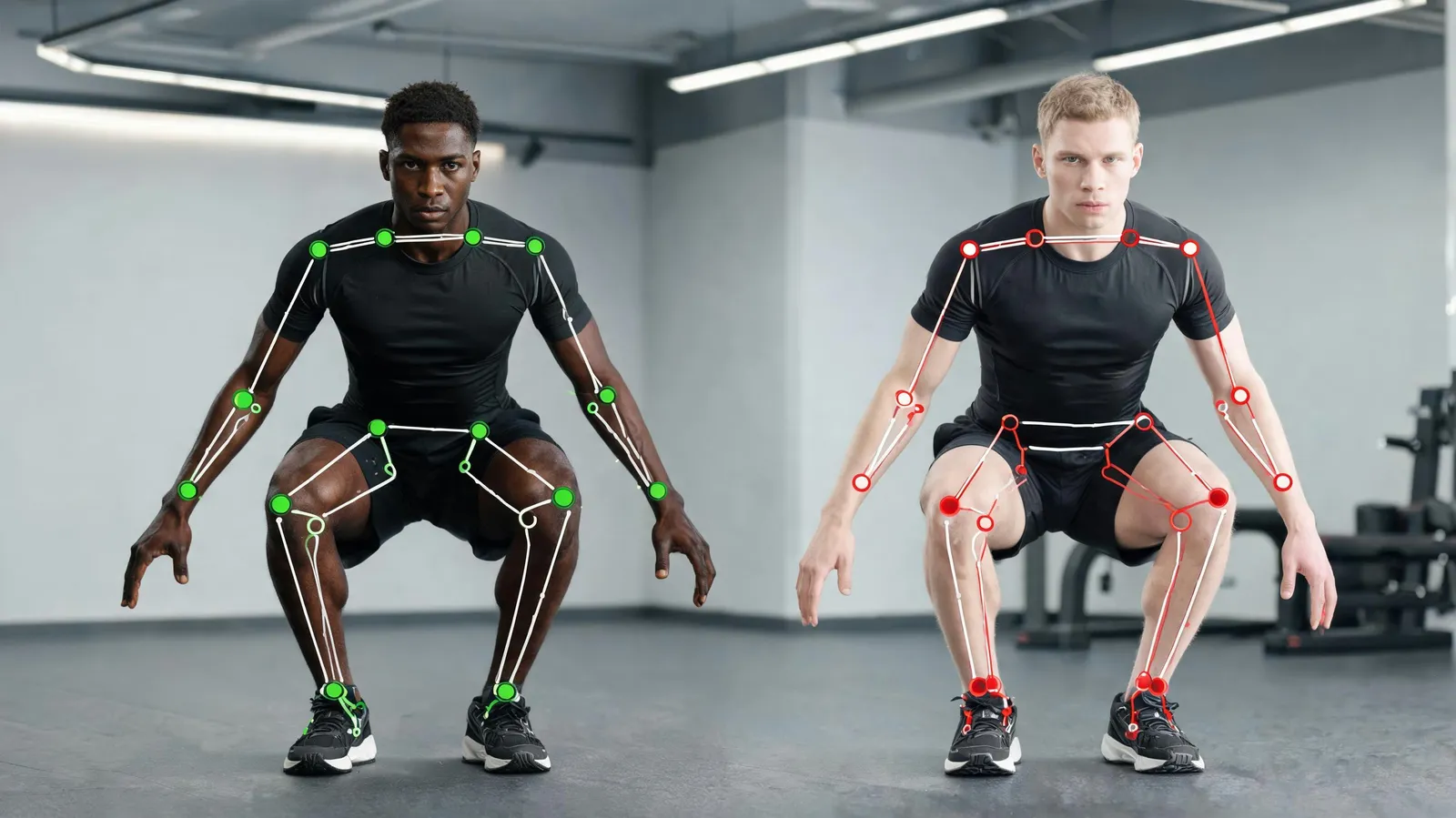
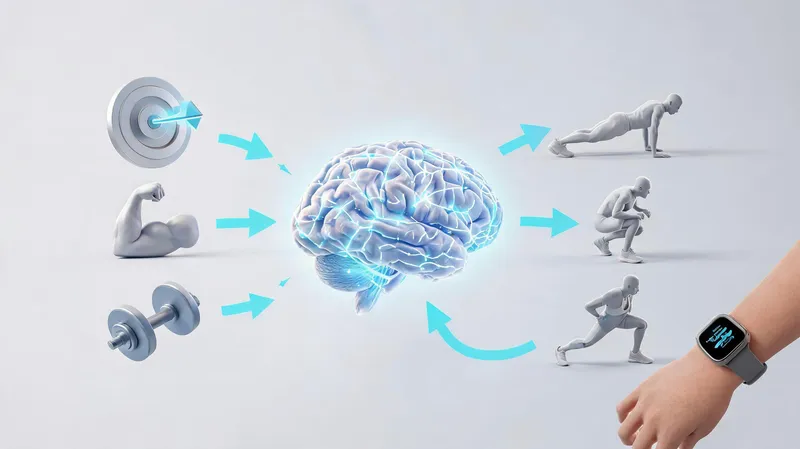
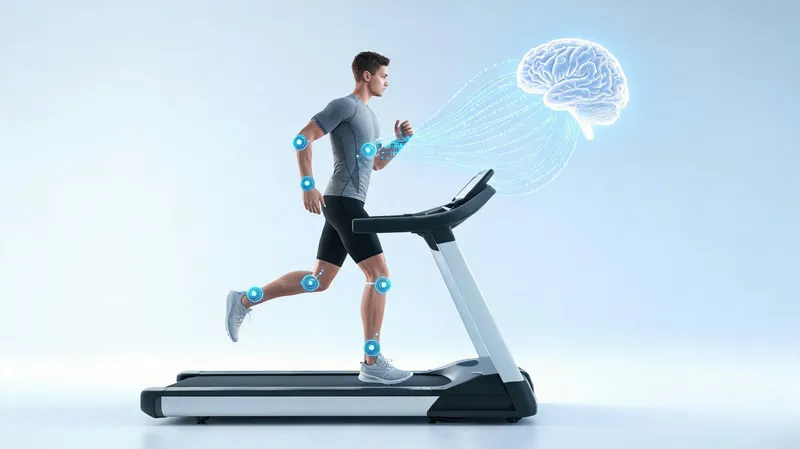
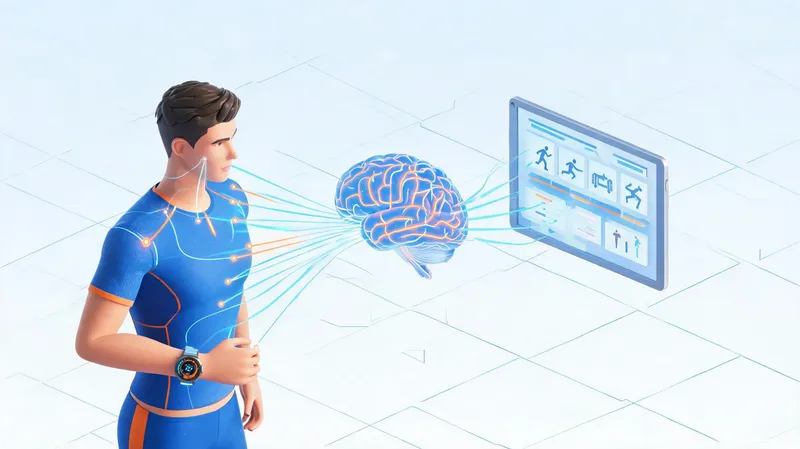
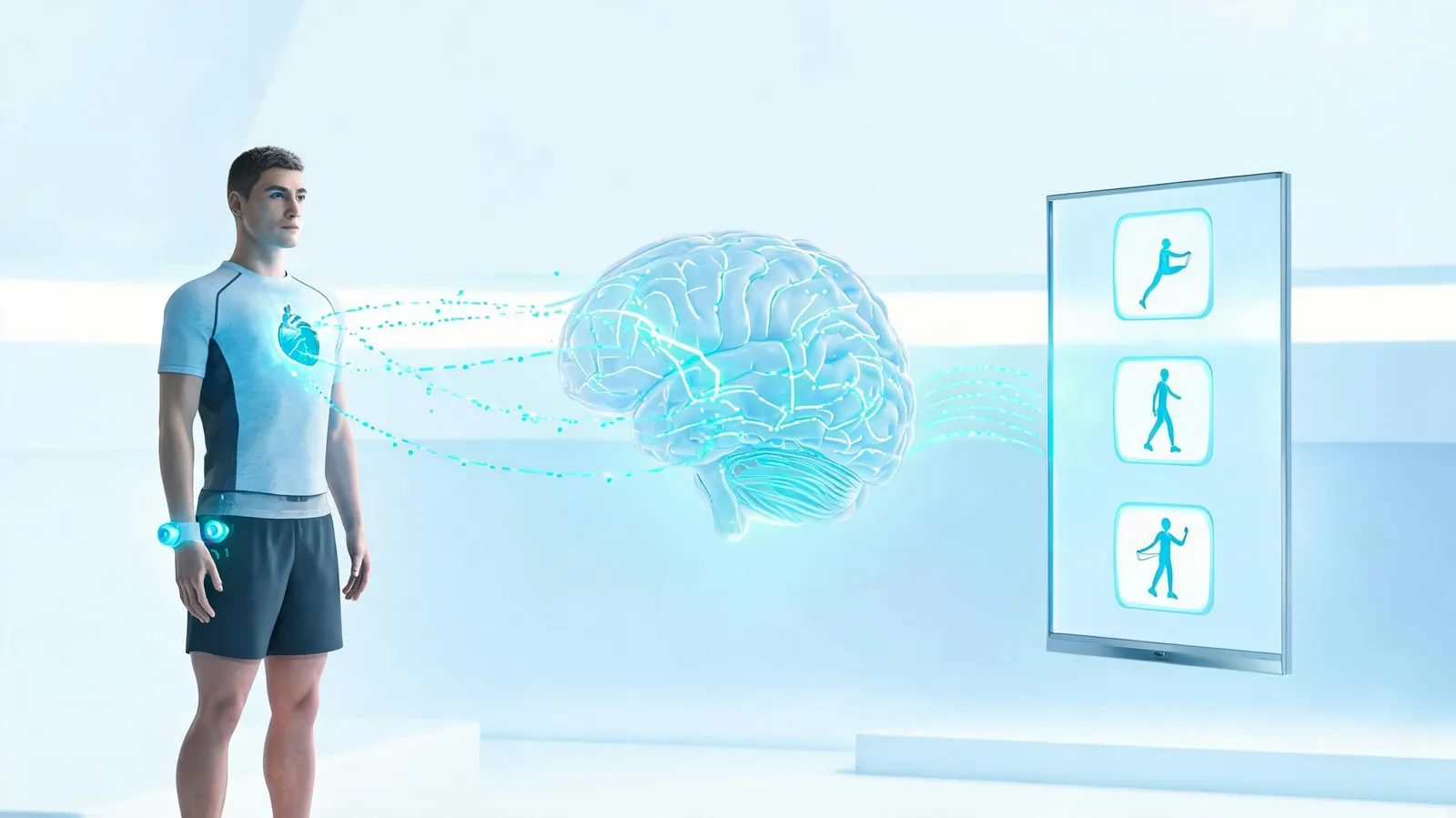
By examining a person’s health metrics, current fitness, and objectives, AI algorithms can build exercise regimens that adjust over time. Research indicates that when plans are individualized in this way, people tend to stick with them and see better results. Wearable devices, for instance, can feed live data that the AI uses to fine-tune workout intensity. When paired with sensors and wearables, this allows for ongoing tracking and on-the-fly modifications, which has been linked to fewer injuries. In one stroke rehabilitation case, mobility gains were substantial when AI-generated plans guided the therapy.
Balance and Strength Training for Older Adults to Reduce Falls
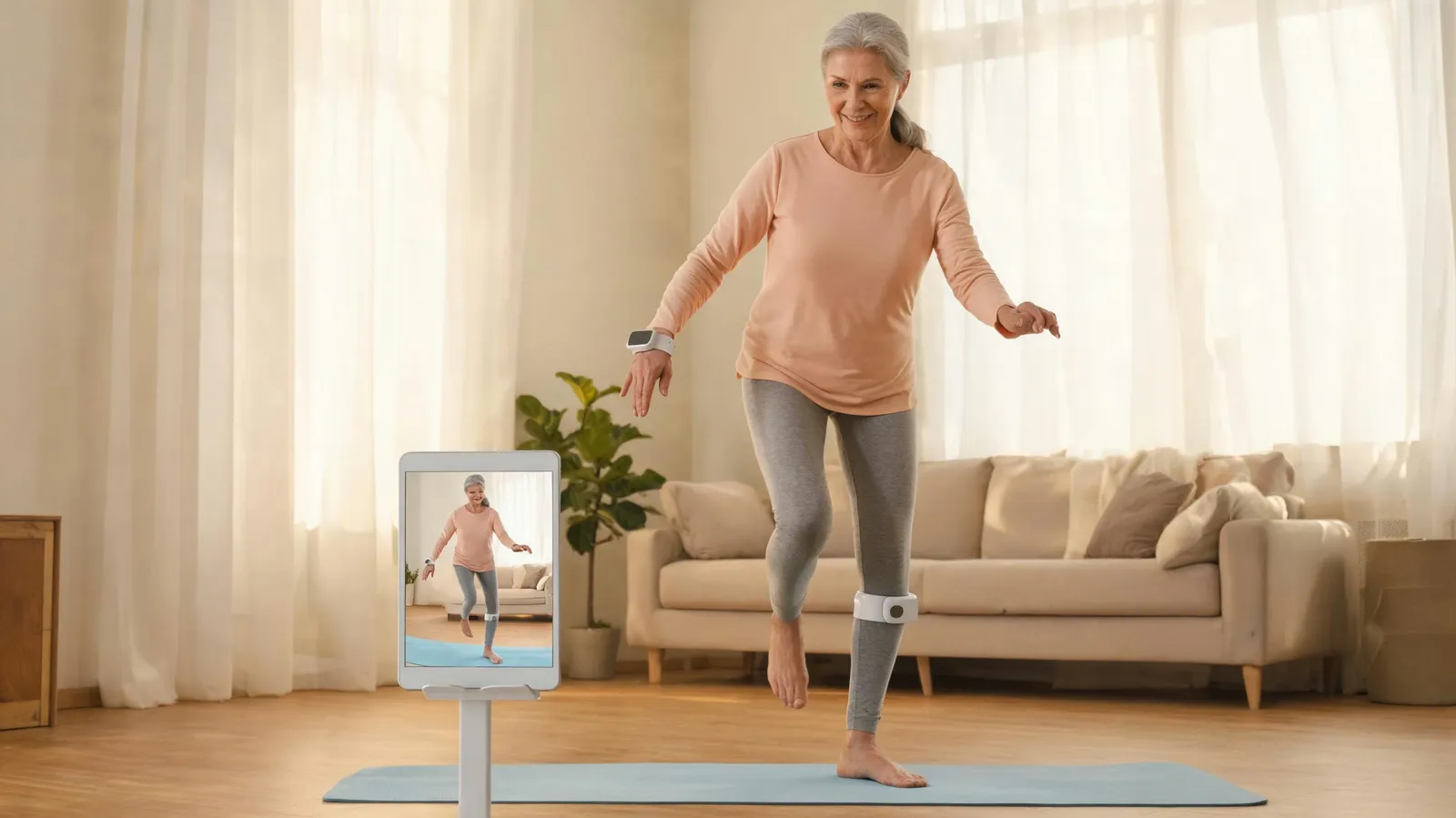
AI evaluates walking patterns, stability, and muscle strength to craft exercises aimed at preventing falls. Clinical trials have reported lower fall rates and better balance test scores. Virtual coaching with immediate feedback helps keep users engaged and safe; participants have described feeling more confident. Data also point to higher adherence among older adults following AI-assisted programs.
Exercise Prescriptions for Chronic Conditions via AI
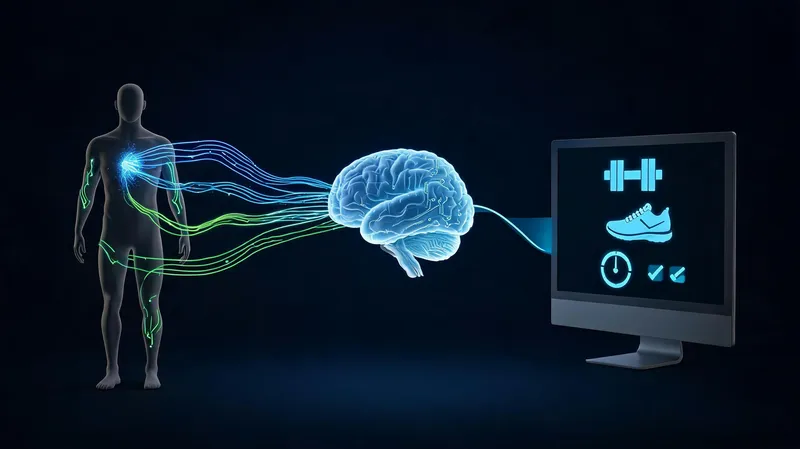
For conditions such as diabetes, heart disease, and arthritis, AI pulls in medical information to recommend physical activity that is both safe and effective. Studies have documented better blood sugar management in diabetes and improved outcomes in cardiac rehab. Remote monitoring combined with AI-generated alerts helps avert problems during exercise and is associated with fewer hospital readmissions. A case study on arthritis showed reduced pain and better physical function.
Obstacles and What Lies Ahead for AI Workout Plans
Concerns about data privacy, algorithmic bias, and barriers to access remain and need to be tackled. Regulatory frameworks are beginning to appear with the goal of ensuring safety and equity. Looking forward, linking these tools with telemedicine and predictive analytics powered by AI could make care even more personalized. Early pilot programs in remote rehabilitation have yielded encouraging results.
Final Thoughts
AI makes it possible to deliver exercise that is individualized, adaptable, and safe for a range of needs—leading to better outcomes, lower healthcare spending, and improved quality of life. As AI continues to develop alongside wearables, telemedicine, and predictive analytics, physical activity support may become available to a wider population.