Many people begin a fitness regimen only to give it up after a few months. In fact, research indicates that close to 80% of individuals starting a new exercise program discontinue it within half a year, frequently because the plan lacks personalization and fails to sustain motivation. Conventional workout plans are fixed, generic, and unable to respond to a person's progress, preferences, or real-time feedback. However, a shift is occurring: the combination of generative AI, synthetic data simulation, and human-AI collaboration is making it possible to create genuinely adaptive, personalized workout plans that evolve with the user, heralding a new period of fitness effectiveness and adherence.
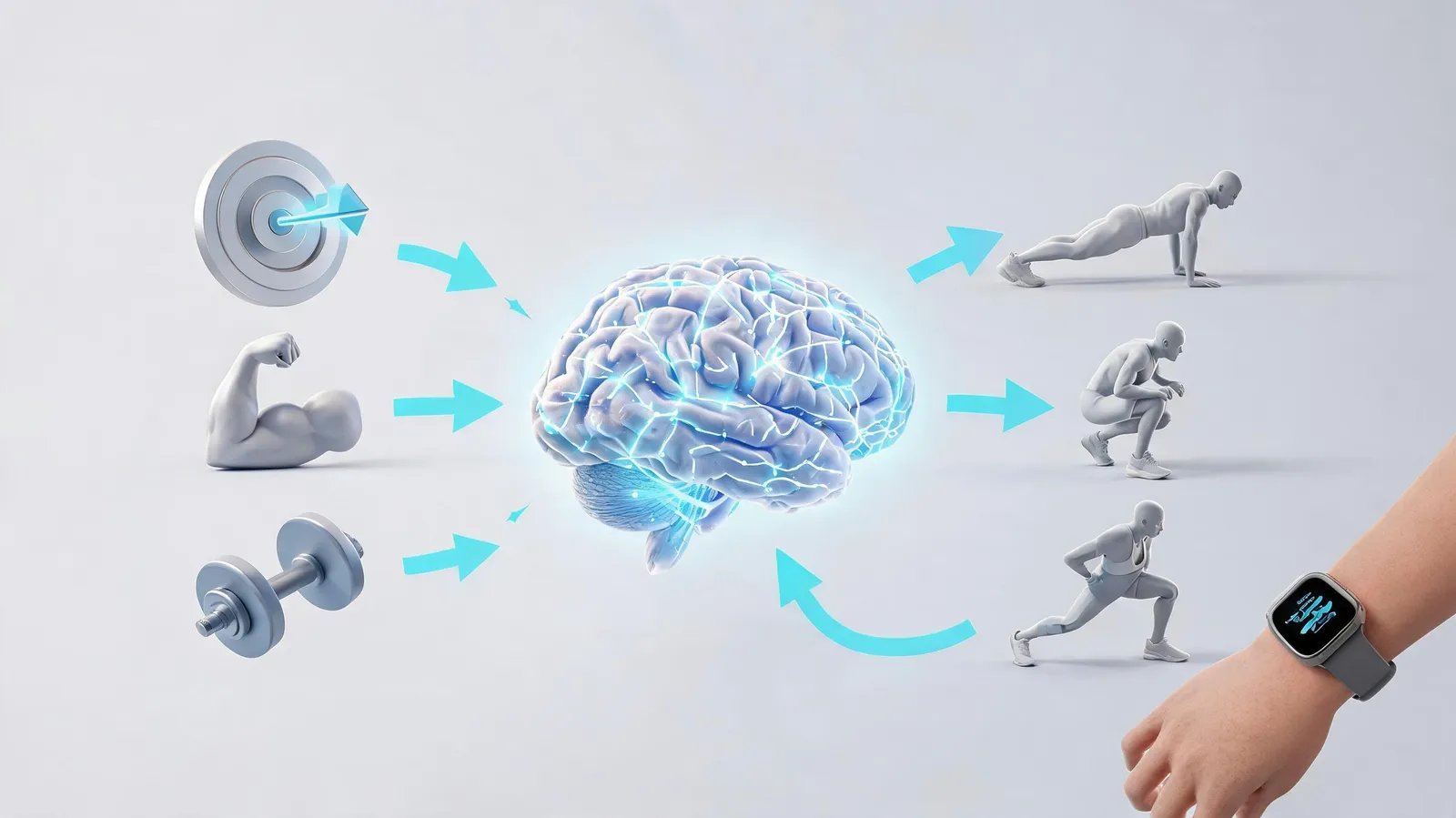
Generative AI: Building Flexible, Personalized Routines
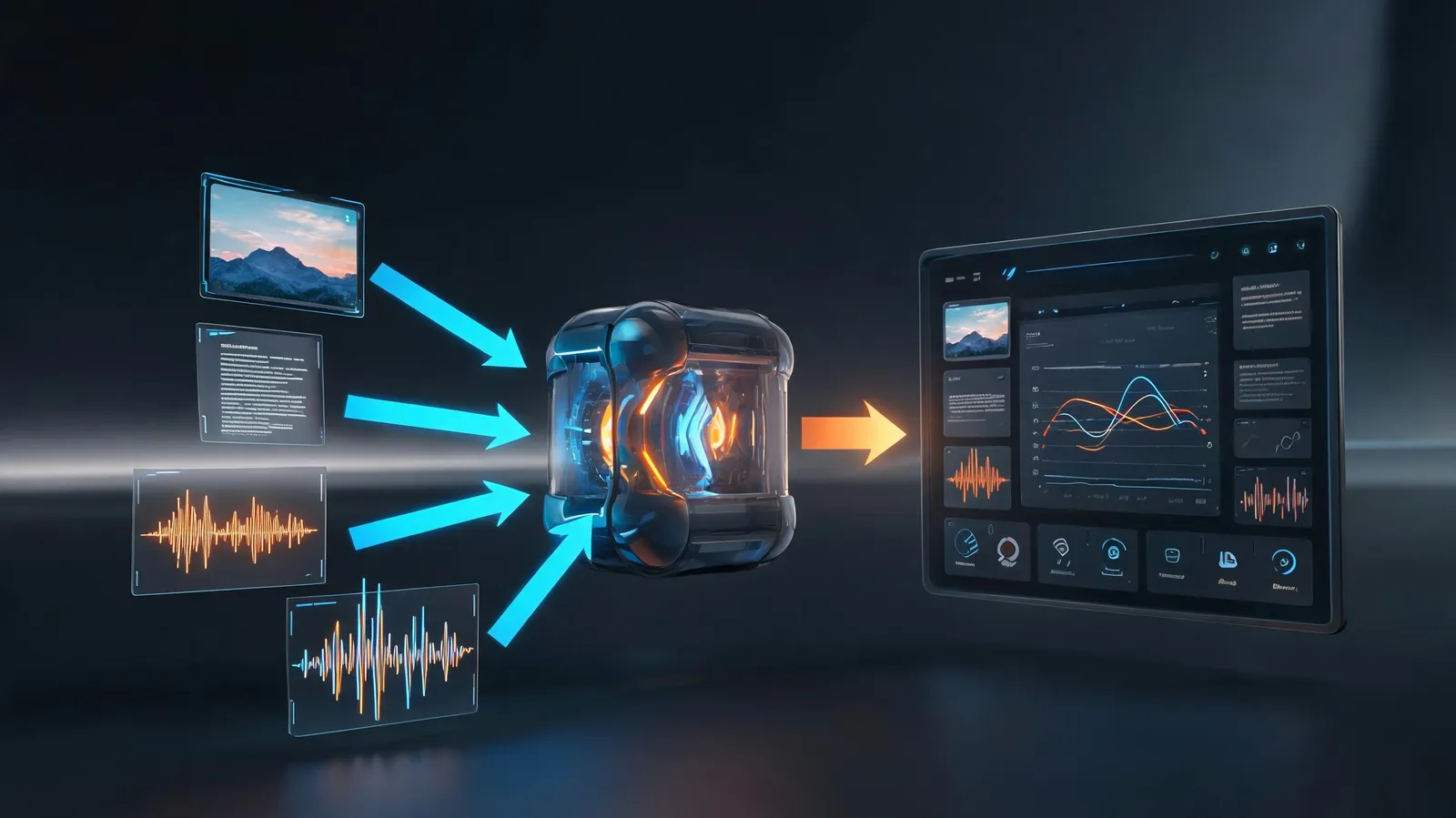
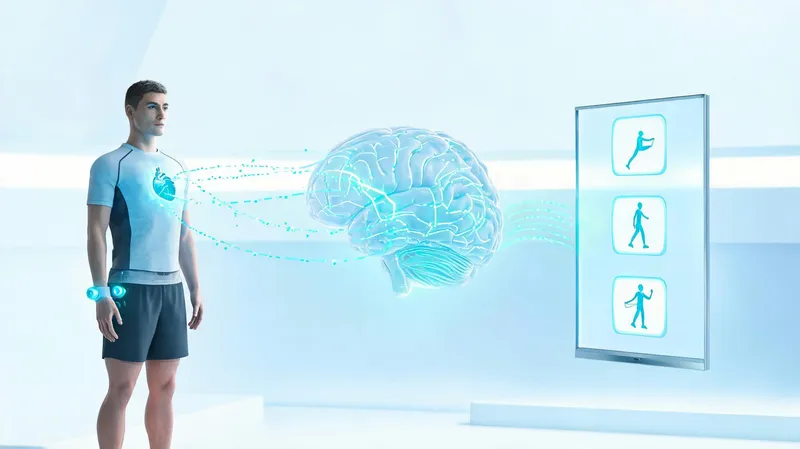
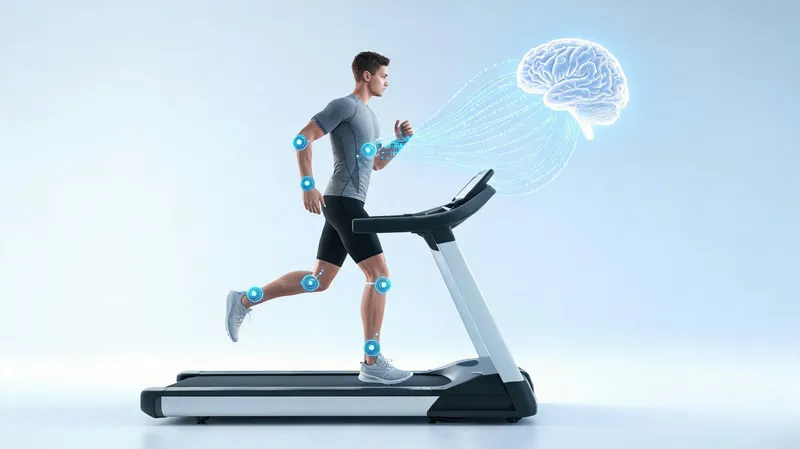
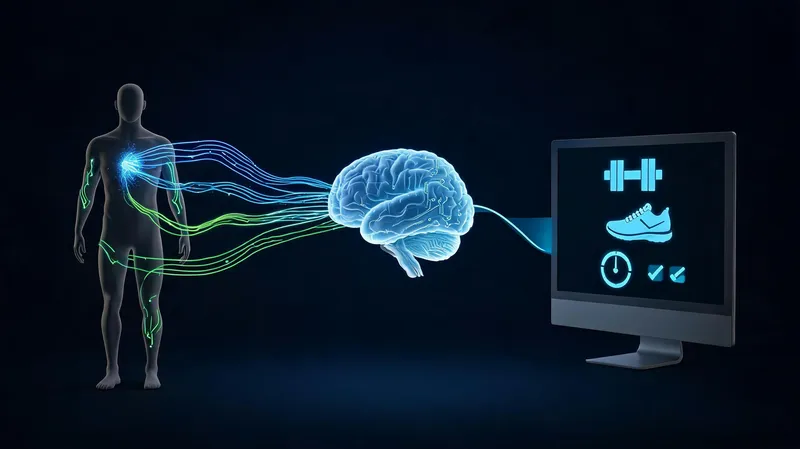
Generative AI models—including transformers and GANs—are changing the way workout plans are developed. These models take into account your objectives, fitness level, preferences, and available equipment to produce customized routines that are adjusted weekly based on your performance data. For instance, an AI might generate a four-week plan that alters intensity and volume in response to your logged workouts. Studies suggest that personalized plans can increase adherence by as much as 40%. Real-time adaptation goes even further: AI leverages wearable sensor data—such as heart rate, fatigue, and recovery—to modify plans on the fly. A case study of a fitness app that used adaptive intensity reported a 30% drop in injury rates and a significant rise in user engagement.
These systems learn continuously, so your plan stays challenging yet safe. Whether you are a beginner or an athlete, generative AI tailors every set and rep to your unique physiology and schedule.
Synthetic Data and Simulation: Training AI Models for Practical Fitness
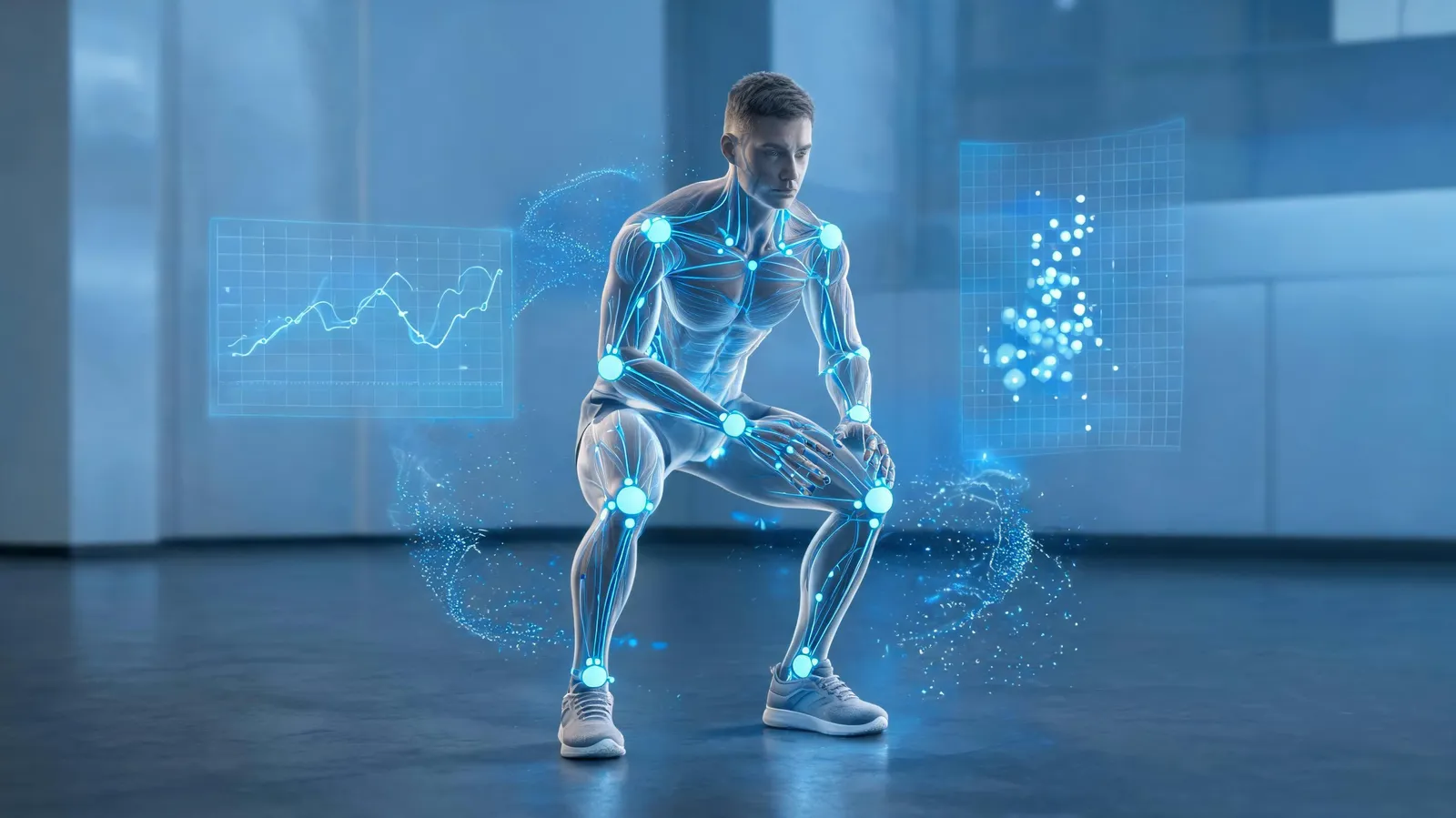
Data scarcity and privacy are among the biggest obstacles in fitness AI. Synthetic data addresses this by generating realistic user profiles, workout histories, and physiological responses without compromising the privacy of real users. This enables AI to train on diverse populations—with varying age, gender, and fitness levels—improving model accuracy by up to 25%. Simulation environments extend this further: physics engines and biomechanical models test workout plans and predict outcomes before human trials. A virtual athlete simulation optimized a strength training program, substantially reducing validation time and cost.
Human-AI Collaboration in Personal Training: Combining Strengths
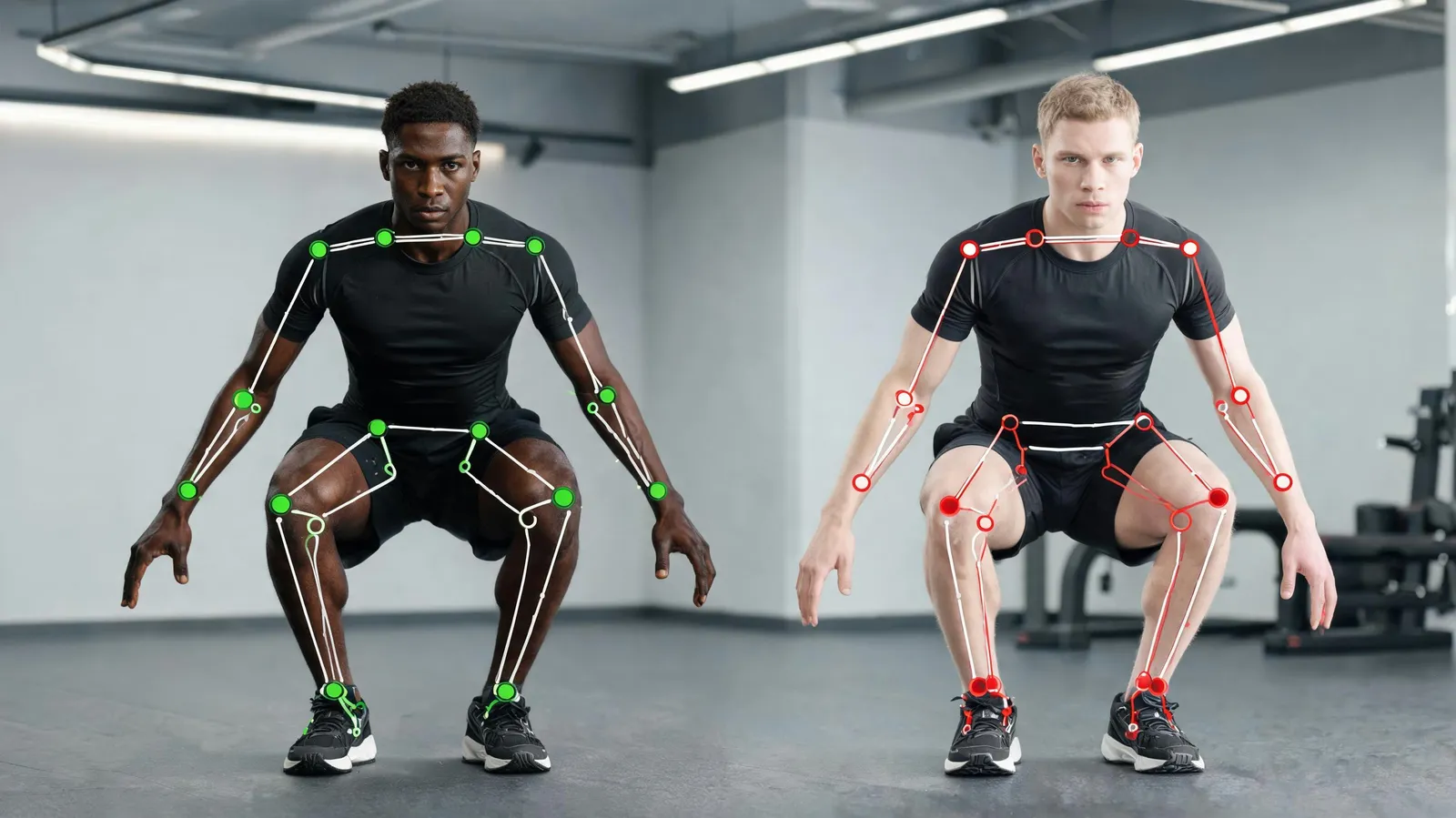
AI is not replacing human trainers; it is enhancing their capabilities. As a co-pilot, AI automates routine plan generation, progress tracking, and client communication, freeing trainers to concentrate on motivation, form correction, and emotional support. A survey found that trainers save more than 10 hours per week with AI assistance. Platforms now exist where AI suggests adjustments and the trainer approves them. Meanwhile, AI-powered virtual assistants offer 24/7 guidance, answering questions and adjusting plans in real-time when a human trainer is unavailable. Data shows increased client satisfaction with hybrid AI-human coaching, and case studies highlight users achieving goals with AI assistants and weekly human check-ins.
Challenges and Ethical Considerations for AI Workout Plans
Despite the promise, challenges remain. Data privacy and security are paramount; sensitive health data must be protected under regulations like GDPR and HIPAA, with best practices in anonymization and consent. Bias in AI models is another concern: synthetic or historical data can introduce biases that lead to unsafe or ineffective plans for certain groups. Examples include gender and age biases in fitness AI. Strategies for diverse data collection and fairness audits are essential to ensure equitable outcomes.
Conclusion
The future of fitness lies in the seamless integration of generative AI, synthetic data, and human expertise. These technologies are already making personalized fitness more accessible, increasing adherence, and reducing injuries. As AI integrates with AR/VR, real-time biometrics, and predictive health analytics, we can look forward to immersive, preventive fitness experiences tailored to each individual. The era of one-size-fits-all workout plans is over; the era of intelligent, adaptive fitness has begun.