Blending AI Workouts with Home and Gym Gear
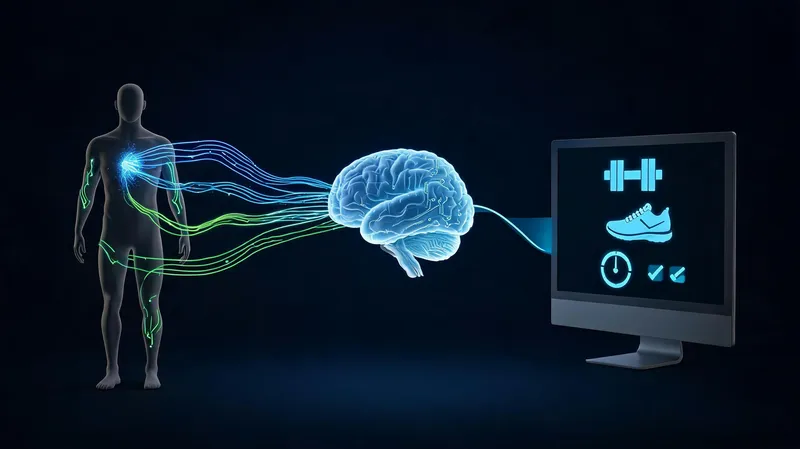
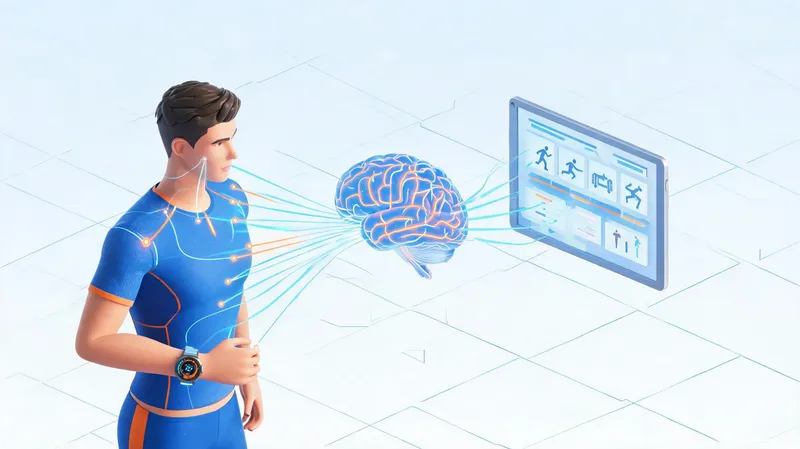
AI-driven training programs have moved far beyond the smartphone. They now interface with smart home appliances and commercial gym machines, fostering a training setting that adapts continuously. This connectivity lets your session respond in real time to your performance, fatigue levels, and even your surroundings.
On-the-Fly Changes via Smart Home Devices
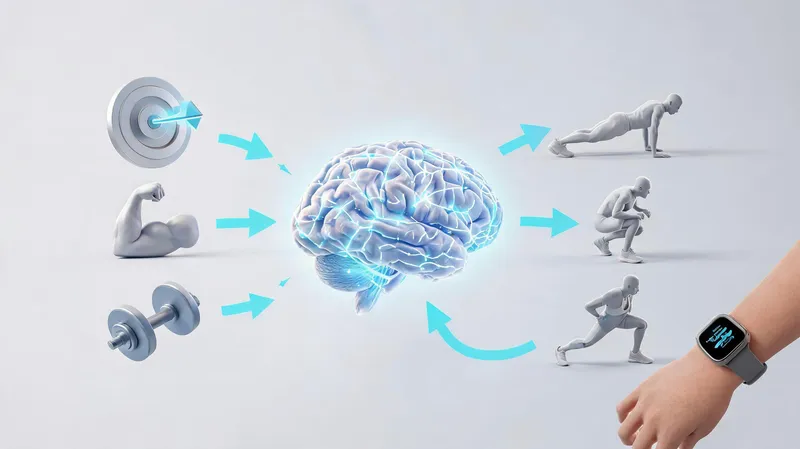
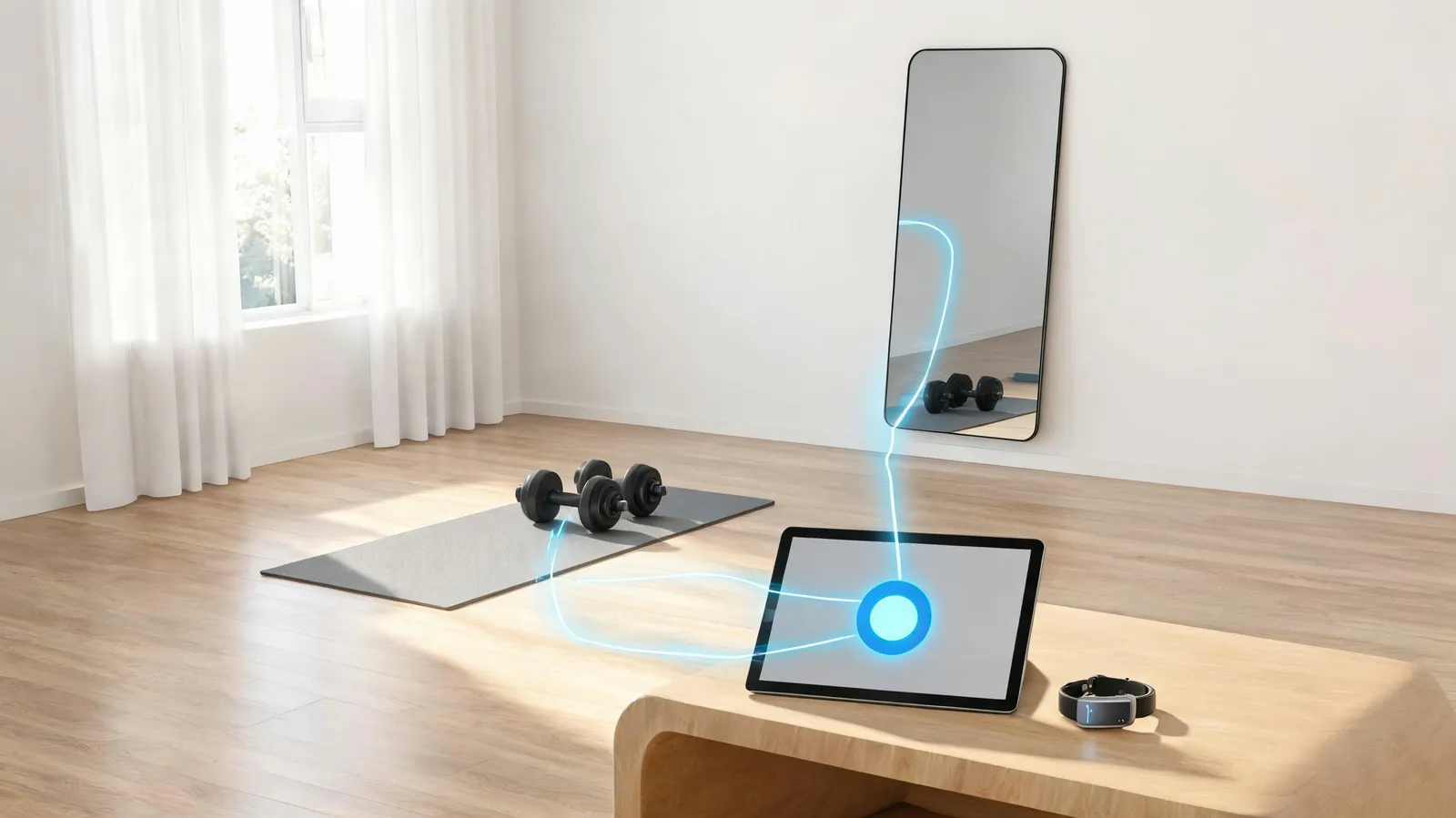
Smart mirrors, connected weights, and heart rate monitors work in concert with AI algorithms to tweak your workout as you go. A smart mirror, for instance, might propose exercise variations when wearable sensors pick up signs of fatigue. Should your heart rate variability suggest incomplete recovery, the AI could dial down intensity or recommend a different movement pattern. A 2024 survey by the Connected Fitness Association found that 60% of home gym users reported better adherence when their equipment synced with AI plans. The reason: the plan feels tailored and responsive rather than one-size-fits-all.
Automatic Tracking Through Gym Equipment Integration
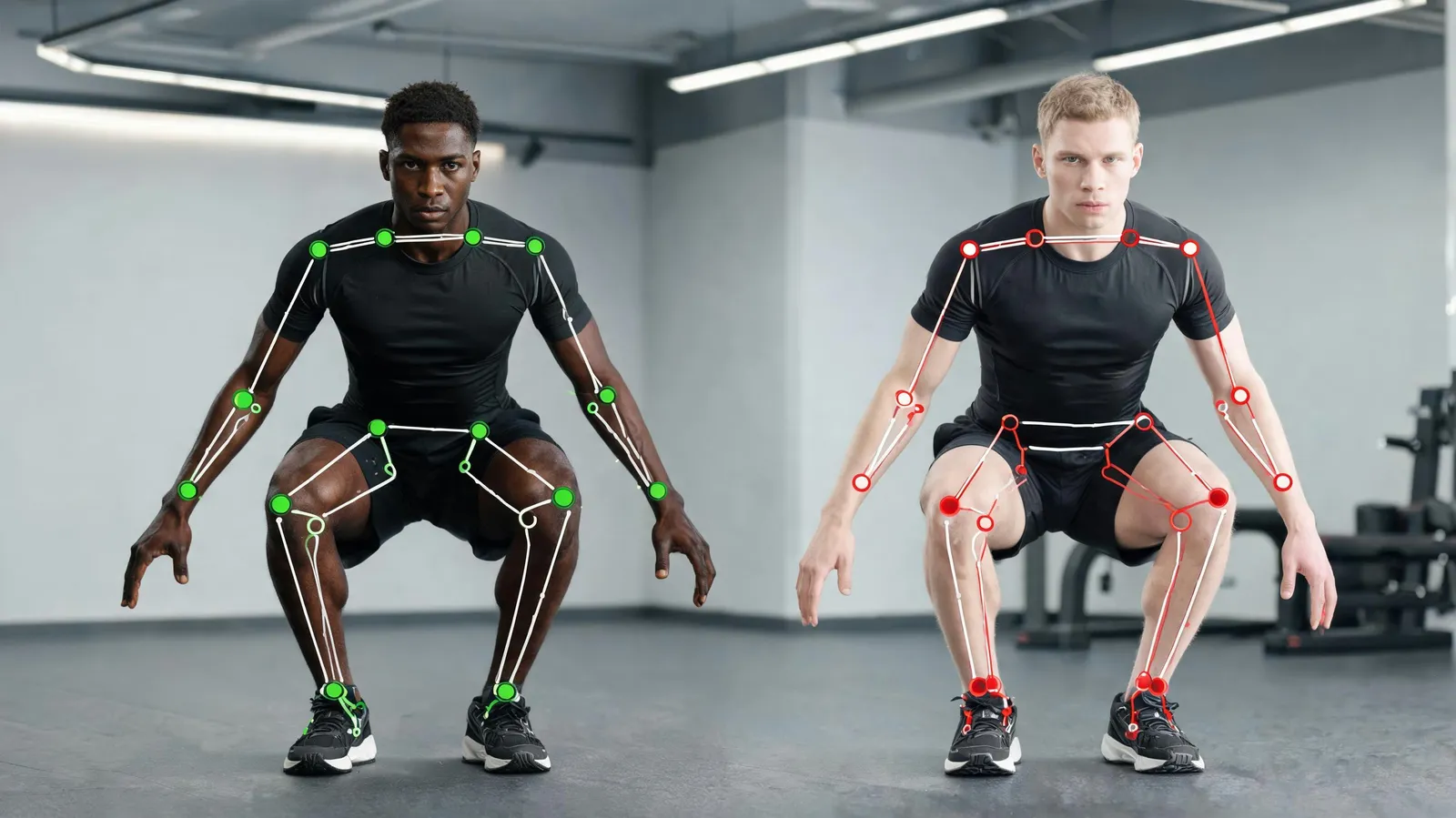
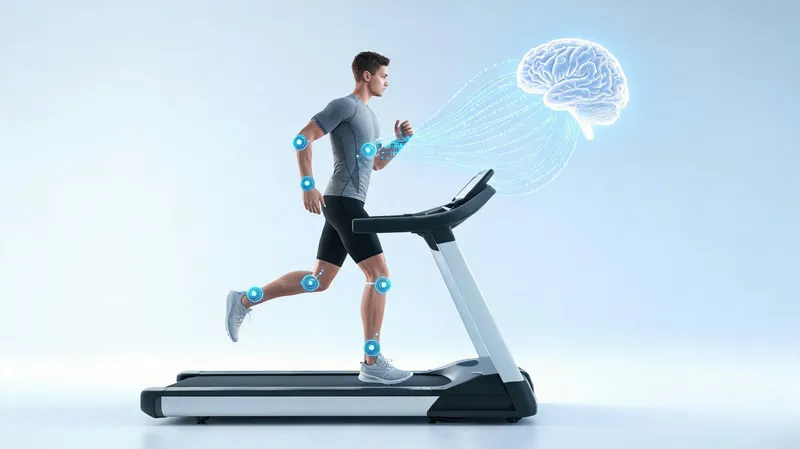
In commercial fitness centers, AI workout plans connect with smart cable machines, treadmills, and free weights that automatically log your reps, sets, and resistance. This removes manual tracking and supports progressive overload without guesswork. For example, a smart cable machine can adjust resistance according to AI-recommended rep ranges, helping you stay at the right intensity. Equipment sensors also provide real-time form correction, which lowers injury risk. A 2023 study in the Journal of Sports Engineering found that AI-guided form correction cut injury rates by 32% among participants. Such integration makes each workout both efficient and safer.
Connected Ecosystems and Interoperability
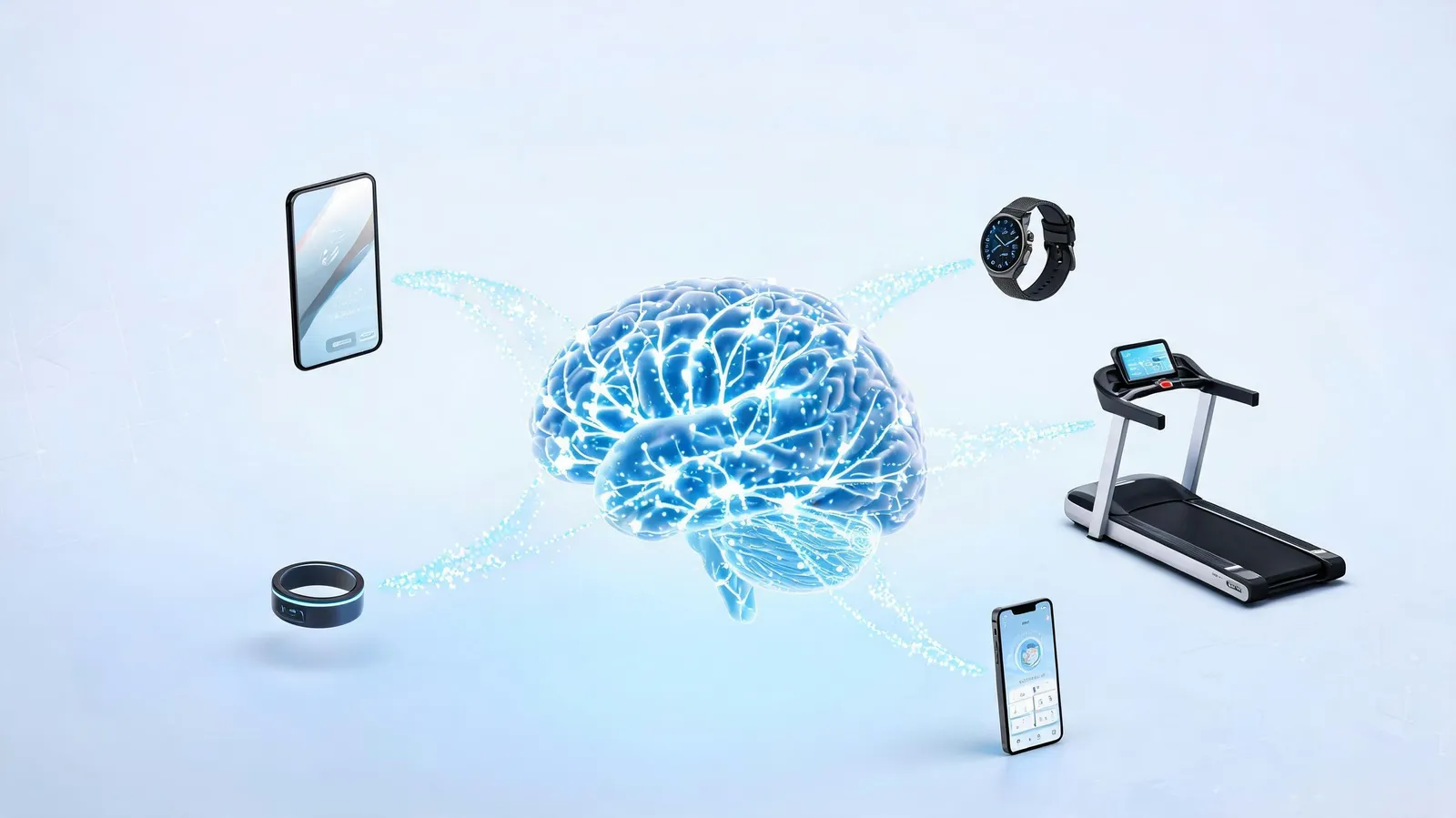
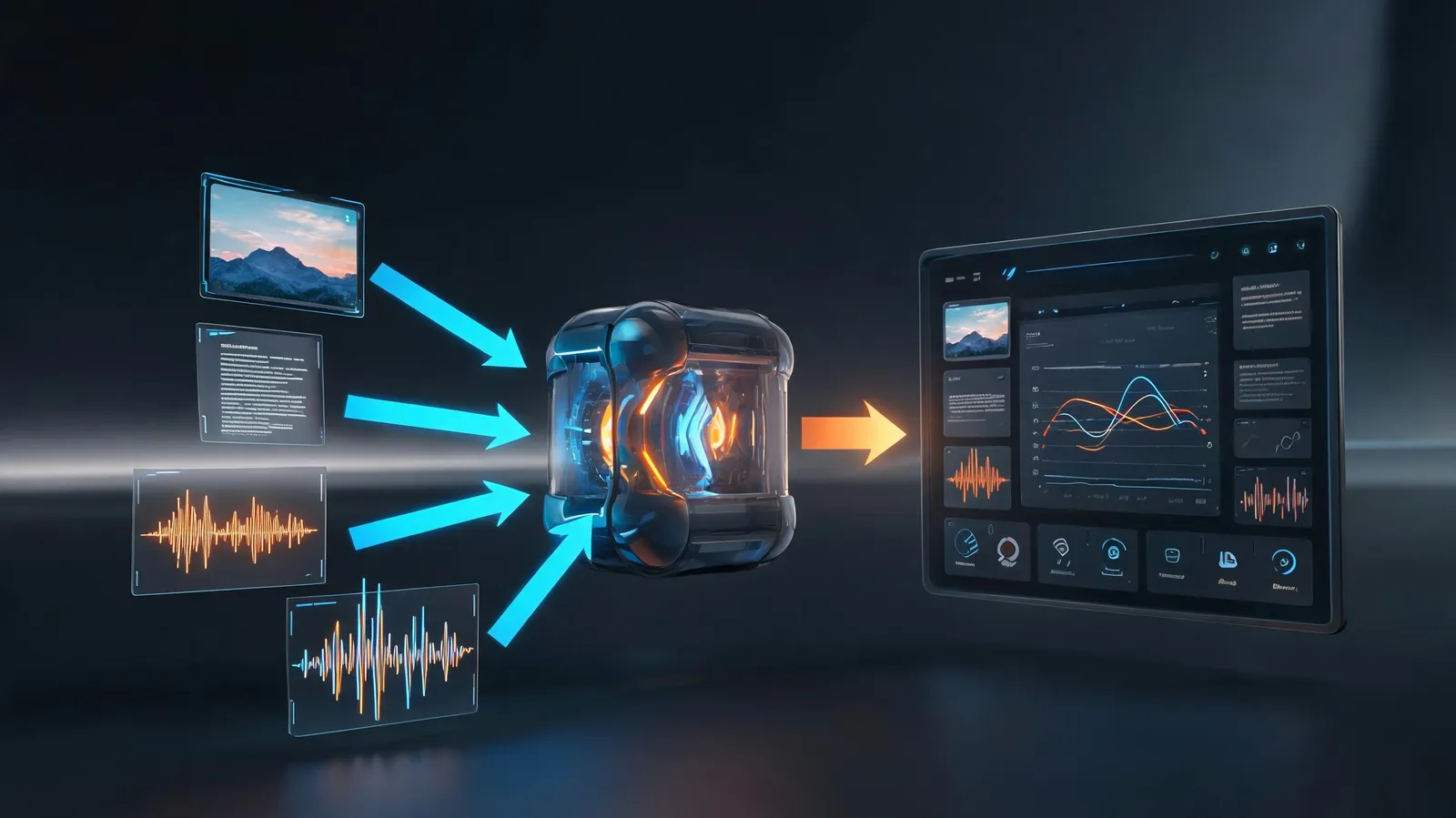
AI workout plans flourish within a connected ecosystem where data from various devices and apps feed into a central AI engine. This interoperability delivers a cohesive fitness experience across home, gym, and outdoor settings.
Interoperability Across Brands and Apps
AI can gather comprehensive user data from platforms such as Apple Health, Google Fit, and Strava. For instance, your AI plan might adapt based on sleep quality from a smart ring and nutrition logs from a connected app. When data from multiple sources is combined, outcomes improve markedly. A 2024 report by Fitness Tech Insights showed that users who aggregated data from three or more sources improved their fitness metrics 45% faster than those who relied on a single source. The AI gains a holistic view of your health, not just your workouts.
Cloud-Based Continuity Across Environments
Cloud-based AI platforms allow workout plans to flow seamlessly across home, gym, and outdoor locations. Imagine beginning a session on a smart bike at home, continuing it on a gym treadmill, and finishing with a guided cool-down on your phone. The AI tracks your progress and adjusts without interruption. Statistics on user retention in connected fitness ecosystems show that users with cross-device continuity are 70% more likely to stick to their plans long-term. This continuity removes friction and keeps you engaged.
Real-Time Coaching Through AR and VR
AI workout plans use augmented reality (AR) and virtual reality (VR) to provide immersive, interactive coaching that feels like having a personal trainer beside you.
AR Overlays for Form Correction and Motivation
AR overlays offer real-time form correction and motivational cues during workouts. For example, AR glasses can show a virtual trainer demonstrating proper squat form alongside you, while holographic cues highlight areas for improvement. Data from a 2024 study in the Journal of Athletic Enhancement indicates that AR feedback improved exercise technique by 40% and reduced injury rates by 28%. This immediate visual feedback is invaluable for both beginners and advanced athletes.
VR Immersive Environments for Adaptive Intensity
VR creates fully immersive workout environments that adapt to AI-driven intensity and goals. A VR cycling app can adjust resistance and scenery based on your heart rate and AI plan. If you're pushing hard, the virtual terrain might become steeper; if you need recovery, it flattens out. Statistics on increased enjoyment and adherence in VR fitness versus traditional workouts show that VR users are 55% more likely to enjoy their sessions and 60% more likely to adhere to their plans. This gamification and immersion make exercise feel like play.
Conclusion
By integrating with smart home and gym equipment, enabling connected ecosystems, and delivering immersive AR/VR coaching, AI workout plans are reshaping fitness. These technologies address common challenges like plateaus, lack of motivation, and injury risk through adaptive, engaging, and personalized workouts. As AI continues to evolve, we can expect it to predict health issues, integrate with medical data, and create fully autonomous personal training experiences. The future of fitness is here, and it's smarter, more connected, and more immersive than ever.