AI coding assistants have quickly become staples in US software development, with GitHub Copilot, Amazon CodeWhisperer, and Tabnine used by millions of developers. These tools promise faster coding and fewer errors, but their actual effectiveness and associated risks need careful examination. This review assesses AI code assistants across four key areas: accuracy in large codebases, security and privacy risks, productivity gains versus over-reliance, and enterprise readiness with compliance controls. Each section offers concrete examples, benchmark data, and practical guidance for US engineering teams.
1. Accuracy and Context Retention in Large Codebases
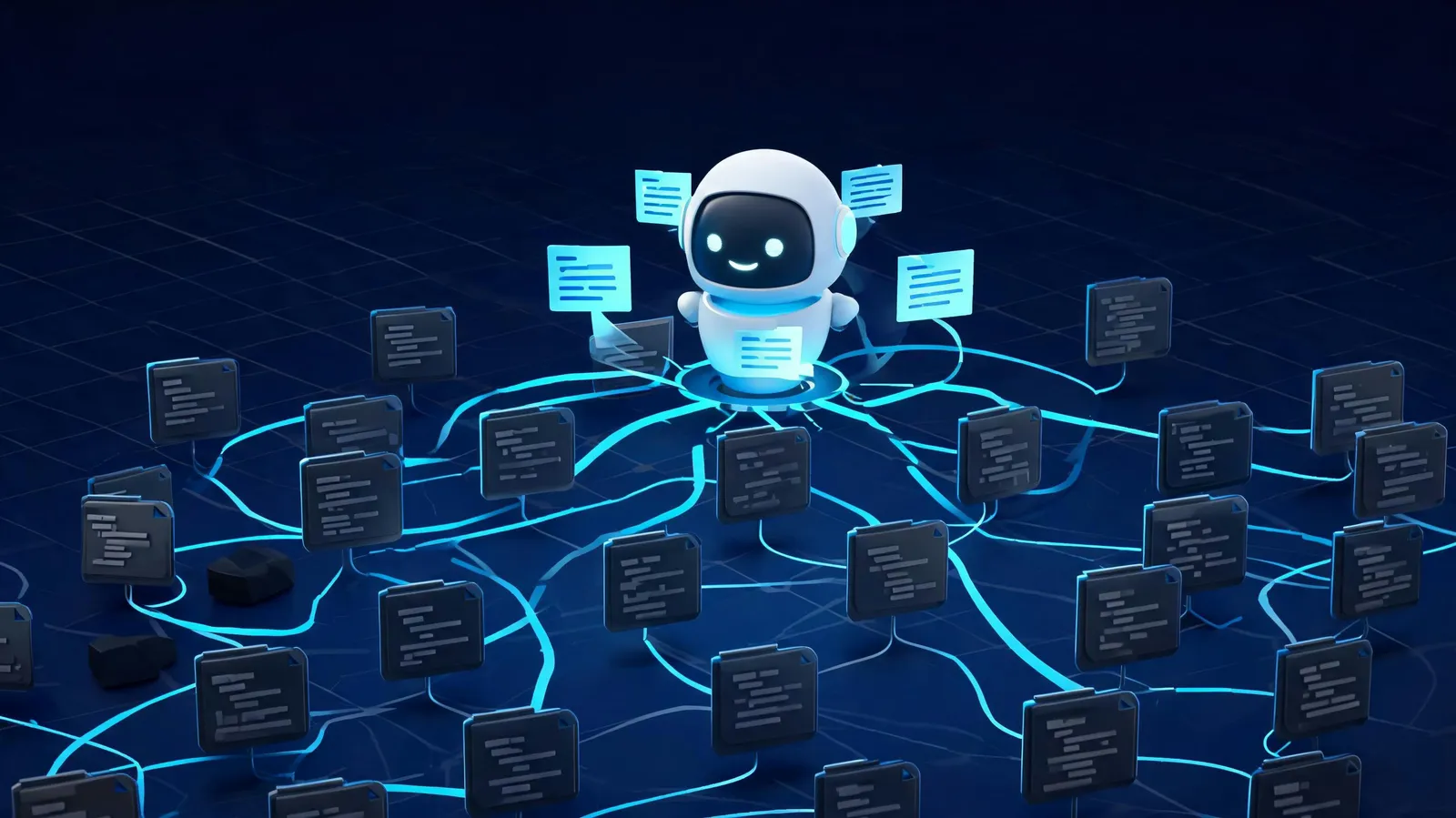
Maintaining context across multiple files and dependencies is a common challenge for AI code assistants. In large repositories, a suggestion that seems fine in isolation might break integration points or overlook project-specific patterns. For instance, GitHub Copilot has been observed to lose context when a function spans more than three files, resulting in incorrect API calls or duplicated logic. Benchmark tests on open-source repositories like TensorFlow and React show that accuracy can drop by up to 40% when the assistant must reference more than five files. Such context losses are not just inconvenient—they introduce bugs that can take hours to trace.
Enterprises are turning to retrieval-augmented generation (RAG), fine-tuning on internal codebases, and project-specific training to improve accuracy. A case study from a US fintech company showed that fine-tuning Tabnine on their proprietary code reduced incorrect suggestions by 35%. Similarly, Amazon CodeWhisperer's custom model deployment allowed a healthcare SaaS provider to improve suggestion relevance by 28%. When comparing tools, accuracy metrics such as suggestion acceptance rate and defect density per 1,000 lines of AI-generated code are essential. GitHub Copilot leads in general-purpose accuracy (acceptance rate ~30%), while Tabnine excels in enterprise-specific contexts after fine-tuning (acceptance rate up to 45%).
2. Security and Privacy Risks of AI Code Suggestions
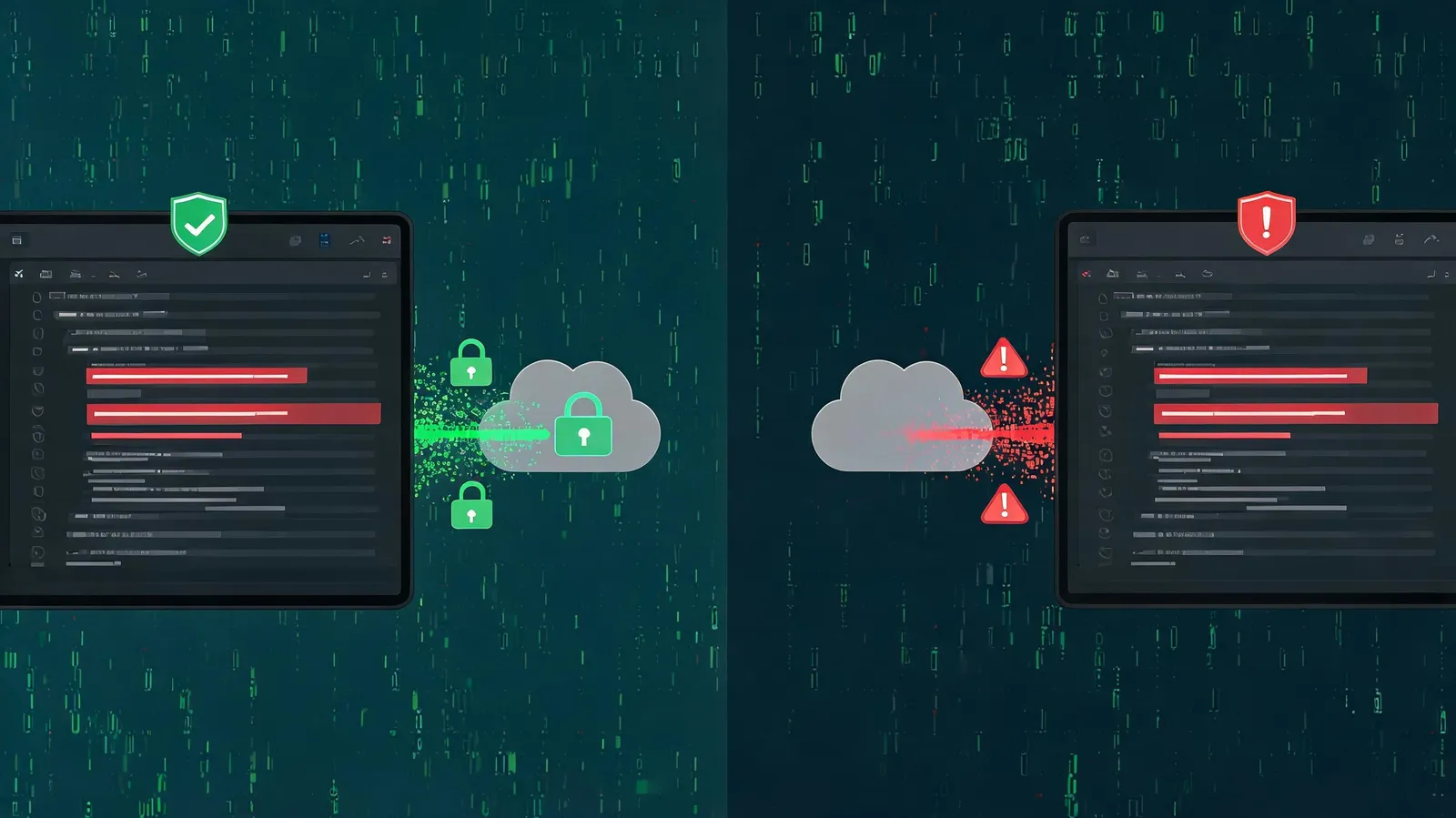
AI code assistants can introduce serious security vulnerabilities. Studies from NYU and Stanford found that approximately 40% of AI-generated code snippets contained security flaws, including SQL injection, hardcoded secrets, and improper input validation. For example, GitHub Copilot has suggested code with 'eval()' and 'password=' literals, which are classic risk patterns. These suggestions often stem from training data that includes insecure open-source code. In US enterprises, such flaws can lead to data breaches and regulatory penalties under frameworks like SOC 2 and HIPAA.
Data privacy is equally concerning. Most cloud-based assistants transmit code snippets to remote servers for processing. GitHub Copilot's privacy policy states that code snippets may be retained for model improvement unless users opt out. Amazon CodeWhisperer offers a professional tier that does not store code, but the free tier does. Tabnine emphasizes privacy by offering a self-hosted option where code never leaves the enterprise network. Incidents of data leakage have been reported: in 2023, a US healthcare company accidentally exposed patient data through an AI assistant's telemetry. Enterprises must carefully review privacy policies and consider on-premises or VPC-deployed solutions.
3. Developer Productivity Gains vs. Over-Reliance
Controlled studies show measurable productivity improvements. A 2024 GitHub study found that developers using Copilot completed tasks 55% faster than those without. For boilerplate code, unit tests, and documentation, time savings can exceed 70%. Faster onboarding is another benefit: new hires at a US e-commerce firm reported feeling productive within two weeks instead of six when using CodeWhisperer. These gains are real and significant, especially for repetitive tasks.
However, over-reliance poses risks. Research on cognitive offloading indicates that developers who blindly accept AI suggestions may experience skill atrophy and reduced code comprehension. Anecdotes from US tech companies reveal bugs introduced when developers accepted flawed suggestions without review. For example, a fintech startup deployed a payment function with a race condition suggested by an AI assistant, leading to a production incident. To mitigate, teams should enforce code review policies, rotate AI-assisted and manual coding tasks, and provide training on critical evaluation of AI output.
4. Enterprise Readiness and Compliance Controls
Enterprise adoption requires compliance features such as data residency, audit logs, access controls, and IP indemnification. GitHub Copilot for Business offers audit logs, SAML SSO, and IP indemnification, but data is processed in the US. Amazon CodeWhisperer Professional provides similar controls and can be deployed in specific AWS regions. Tabnine Enterprise supports self-hosting and air-gapped environments, making it suitable for highly regulated industries. Regulatory frameworks like SOC 2, GDPR, and HIPAA demand strict data handling; enterprises must verify that their AI assistant complies.
Integration with existing DevOps toolchains is another factor. Copilot integrates with VS Code, JetBrains, and Neovim, and supports CI/CD pipelines via GitHub Actions. CodeWhisperer integrates with AWS services and supports custom model deployment. Tabnine offers plugins for all major IDEs and can be integrated into private CI/CD. Case studies show successful enterprise rollouts: a US bank deployed Tabnine self-hosted to 5,000 developers, reducing code review time by 20%. A Fortune 500 retailer used Copilot for Business across 10,000 developers, reporting a 30% increase in pull request throughput.
Conclusion
AI code assistants are powerful tools that can significantly boost productivity and code quality when used correctly. However, this AI code assistant review reveals critical trade-offs: accuracy drops in large codebases, security risks are prevalent, over-reliance can erode skills, and enterprise readiness varies by vendor. US engineering leaders should pilot multiple tools, enforce review processes, and prioritize compliance. The future promises better context understanding, built-in security scanning, and adaptive compliance, but today's decisions require careful evaluation. Choose tools that fit your security posture, invest in training, and never treat AI suggestions as infallible.