Pipeline Speed, Reliability, and Scalability Benchmarks
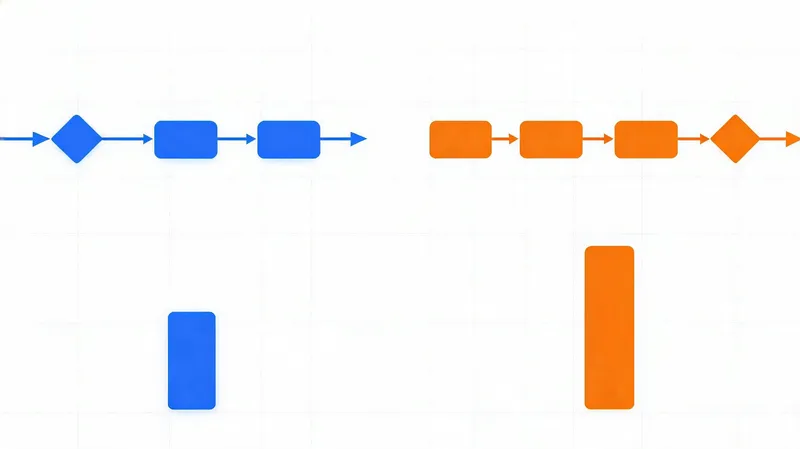
For most engineering leaders, pipeline speed is the first dimension that draws attention because it directly influences developer productivity and release cadence. In CI/CD platform evaluations, speed is not a single metric but a combination of build execution time, test duration, queue latency, and retry behavior under load.
Among leading platforms, average build and test execution times differ significantly based on runner class, caching strategy, and parallelization limits. Cloud-native platforms often achieve faster cold-start performance through managed runners, while self-hosted solutions can excel on steady-state workloads when hardware is properly tuned. Failure rates and retry behavior are equally important: a platform that fails fast and retries intelligently reduces mean time to recovery, whereas one that silently queues jobs can mask systemic instability.
Scalability under high concurrency distinguishes platforms during peak release windows. Concurrent job limits, autoscaling behavior, and performance consistency determine whether a platform can absorb a company-wide release freeze or a Black Friday deployment surge. Teams should benchmark not only average throughput but also tail latency, because the slowest 5% of jobs often drive developer frustration.
Integration Depth with Cloud and On-Premise Environments
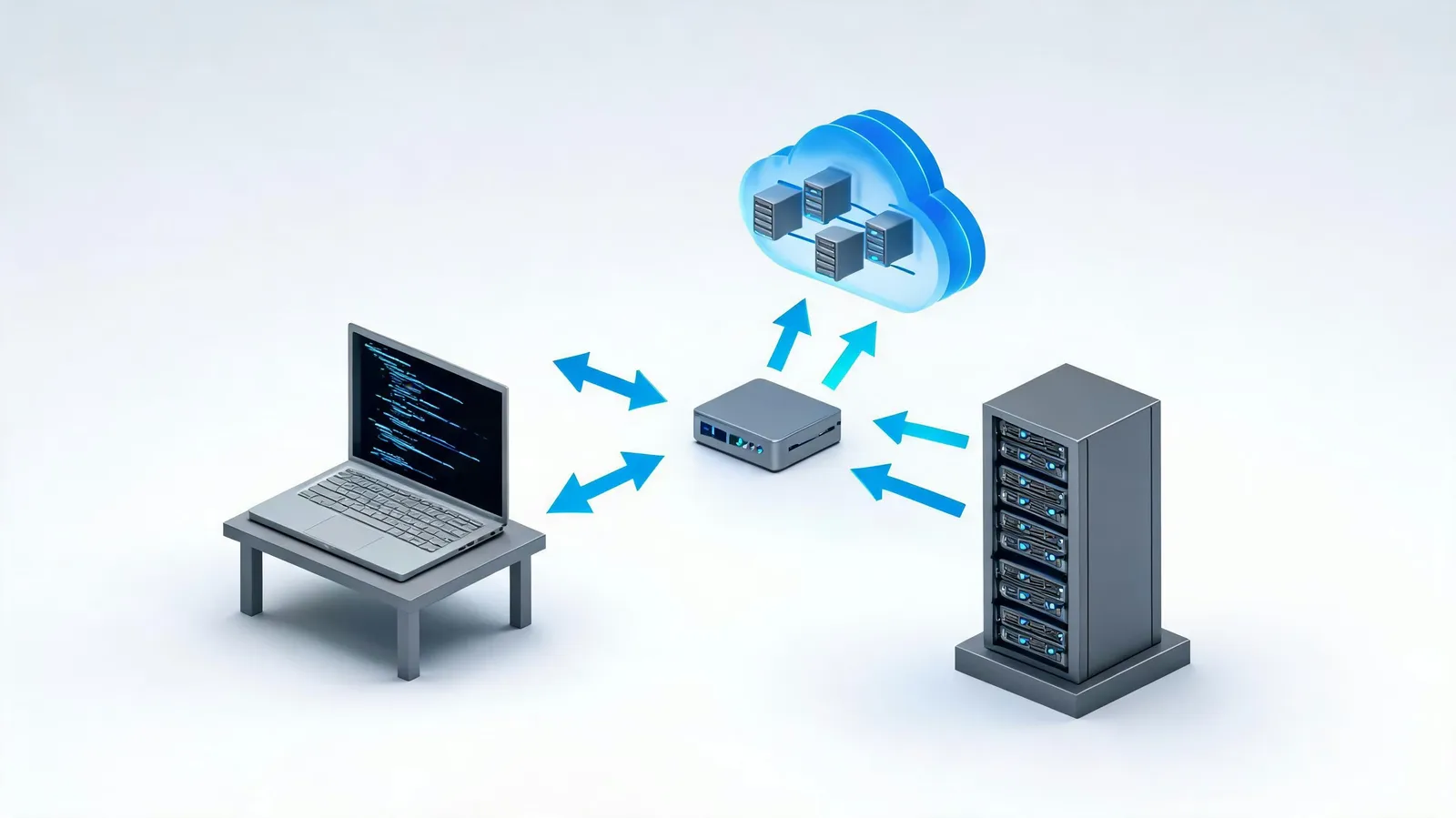
Integration depth determines how well a CI/CD platform aligns with an organization’s existing cloud and on-premise investments. For cloud-first teams, native support for AWS, Azure, and GCP services—such as IAM roles, container registries, and serverless deploy targets—reduces glue code and shortens pipeline authoring time. Marketplace actions, plugins, and API extensibility further expand what a platform can do without custom engineering.
On-premise and hybrid deployment support is equally critical for regulated industries and large enterprises. Self-hosted runner and agent capabilities allow teams to keep sensitive workloads inside their network while still using managed orchestration. Network, firewall, and air-gapped environment compatibility must be validated early, because a platform that works perfectly in a demo can fail behind a corporate proxy.
When evaluating integration depth, map each platform against your actual cloud services, identity providers, artifact repositories, and observability tools. The goal is not the longest integration list but the fewest manual steps between code commit and production deployment.
Cost Predictability Under High Build Volumes
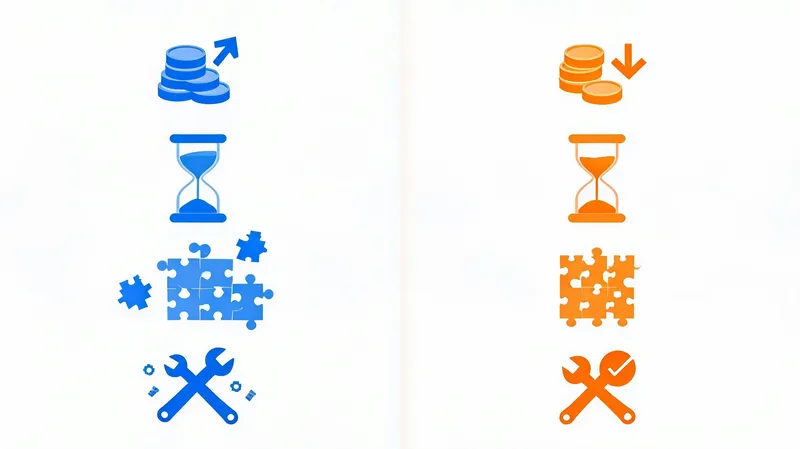
Cost predictability is where CI/CD platform reviews often become uncomfortable. Pricing models range from per-minute and per-seat to consumption-based billing, and each behaves differently as build volumes grow. Per-minute pricing is transparent at low volume but can spike when test suites expand. Per-seat pricing is predictable for stable teams but penalizes contractors and cross-functional contributors. Consumption-based pricing aligns cost with usage but requires mature forecasting to avoid budget surprises.
Hidden costs such as storage, egress, and concurrency overages frequently appear only after adoption. Artifact storage grows quietly, cross-region data transfer adds up, and concurrency limits can force expensive plan upgrades during release crunches. Teams should model cost behavior at high build volumes, including worst-case scenarios, and implement budget controls such as spending alerts, job timeouts, and cache eviction policies.
Cost optimization strategies include right-sizing runners, caching dependencies aggressively, and moving long-running tests to scheduled rather than per-commit pipelines. The most cost-predictable platforms are not always the cheapest; they are the ones whose billing model matches your workload shape and whose controls prevent runaway spend.
Security Posture and Supply Chain Protection
Security posture has moved from a checkbox to a board-level concern in CI/CD platform reviews. Platform security controls include secrets management, role-based access control, and audit logging. Compliance certifications and isolation models matter for organizations subject to SOC 2, FedRAMP, or industry-specific regulations.
Software supply chain protection extends beyond the platform itself. SBOM generation, artifact signing, and provenance tracking allow teams to verify what went into a build and who produced it. Dependency scanning and policy enforcement in pipelines catch vulnerable packages before they reach production. Platforms that treat security as a native pipeline stage, rather than an afterthought, reduce the risk of a compromised build reaching customers.
When comparing platforms, ask how secrets are stored and rotated, whether runners are isolated per job, and how audit logs support incident response. Supply chain security is now a differentiator, not a feature.
Conclusion
No single CI/CD platform wins on every dimension. Pipeline speed, integration depth, cost predictability, and security posture each favor different architectures and organizational priorities. The right choice depends on team size, cloud strategy, compliance requirements, and tolerance for operational overhead.
As DevOps platforms evolve, AI-assisted pipeline optimization, policy-as-code, and end-to-end supply chain security will become baseline expectations. Teams that evaluate platforms against these four dimensions today will be better positioned to adapt tomorrow.