Evaluating Low-Code/No-Code for Professional Development: A Four-Point Framework
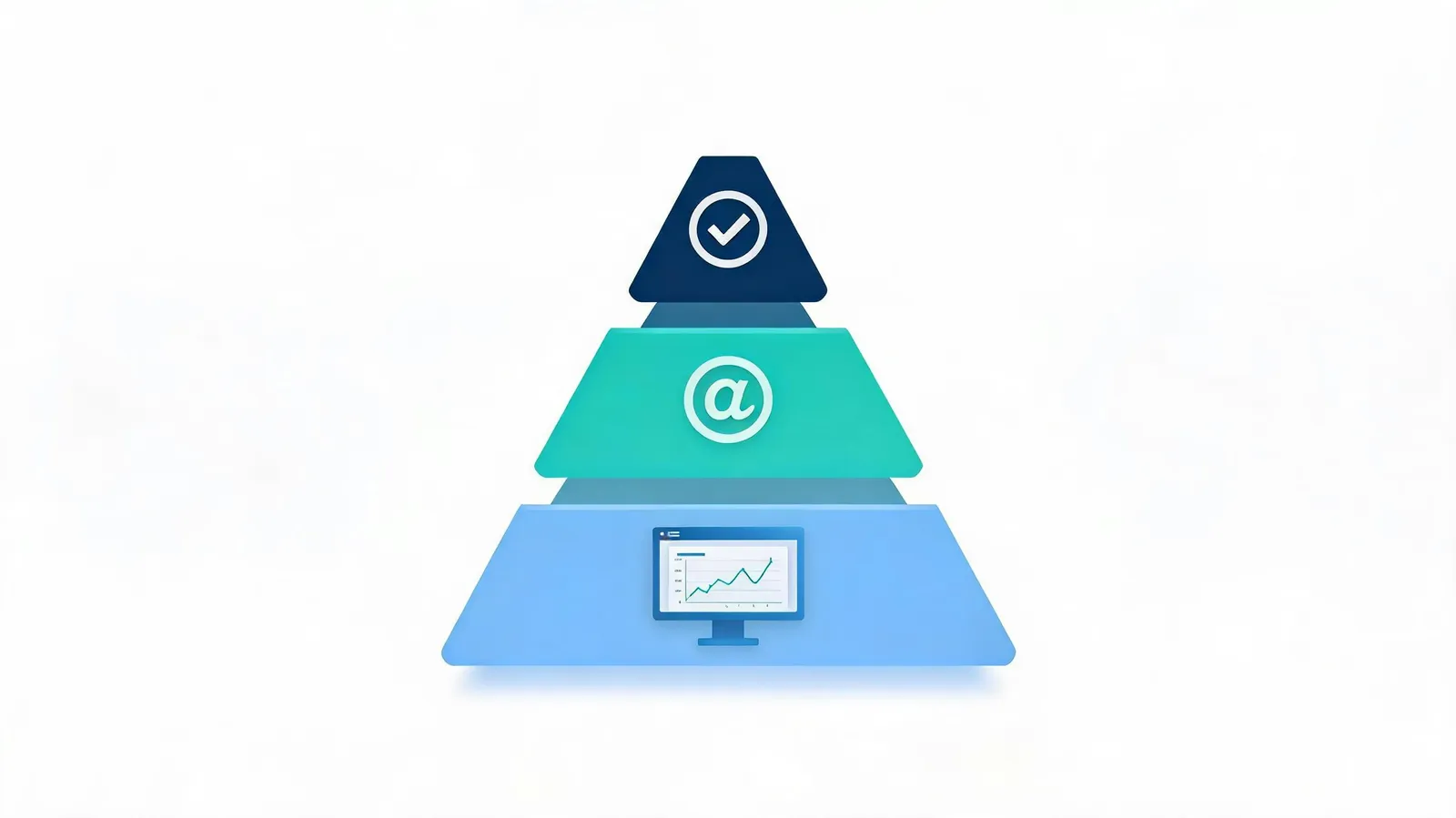
Low-code and no-code platforms have become entrenched in enterprise IT, offering faster delivery and wider participation in app building. Yet for seasoned developers, the critical issue isn't whether these tools can produce simple forms or departmental apps—it's whether they can sustain complex, production-grade systems without compromising control, security, or long-term maintainability. This guide offers a rigorous evaluation of low-code no-code platform reviews across four dimensions: extensibility for developers, governance and security, production performance limits, and total cost of ownership.
1. Extensibility for Professional Developers: Can You Break Out of the Box?
For professional developers, extensibility is the first make-or-break factor. A platform that only supports drag-and-drop configuration will quickly hit a ceiling when requirements become complex. The best low-code platforms recognize this and provide multiple escape hatches for developers.
1.1 Custom Code Integration and API Access
Most leading platforms allow some form of custom code. For example, Microsoft Power Apps supports JavaScript and Power Fx, while OutSystems and Mendix offer full-stack development with Java, .NET, or JavaScript. API access is equally critical: platforms should provide REST and GraphQL connectors, webhooks, and the ability to call external services. Developers often extend platform logic by writing server-side scripts, custom connectors, or microservices that the platform orchestrates. A common pattern is to use the low-code platform for UI and workflow, while delegating complex business logic to custom APIs.
1.2 Plugin and Component Development
Beyond code snippets, professional developers need to build reusable components. Platforms like Mendix and OutSystems offer SDKs and marketplaces where developers can publish custom widgets, connectors, and modules. However, limitations remain. UI customization is often restricted to the platform's design system, and backend logic may be constrained by the platform's execution model. For instance, some platforms do not allow direct database access or custom threading. Developers must carefully assess whether the platform's extension points align with their architectural needs.

2. Governance, Security, and Shadow IT Risks: Who's Watching the Builders?
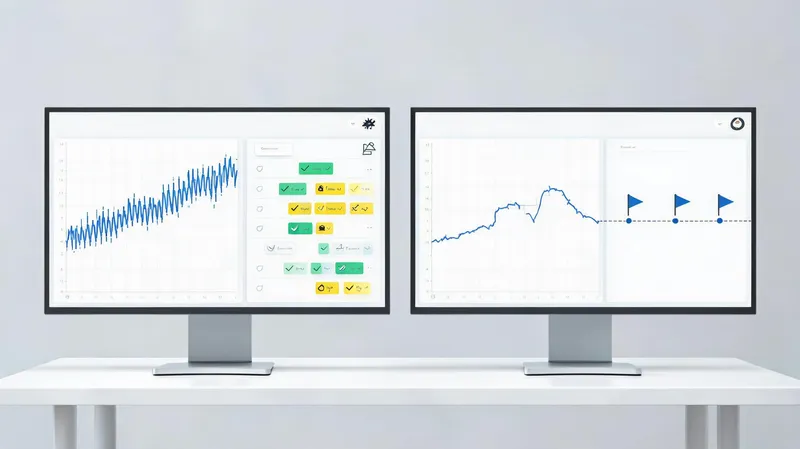
When citizen developers can build apps without IT oversight, governance becomes a critical concern. Low-code no-code platform reviews must therefore examine access control, auditing, and compliance, as well as the risk of shadow IT.
2.1 Access Control, Auditing, and Compliance Certifications
Enterprise-grade platforms provide role-based access control (RBAC), single sign-on (SSO), and detailed audit logs. Compliance certifications such as SOC 2, ISO 27001, GDPR, and HIPAA are essential for regulated industries. For example, Microsoft Power Platform integrates with Azure Active Directory and offers compliance offerings. OutSystems and Mendix also provide robust governance features, including environment management and deployment pipelines. However, not all platforms are created equal. Some lower-cost tools lack granular permissions or audit trails, which can be a dealbreaker for enterprise use.
2.2 Shadow IT and Citizen Development Risks
Shadow IT is a major risk when business users build apps without IT knowledge. According to Gartner, by 2025, 70% of new applications developed by enterprises will use low-code or no-code technologies, up from less than 25% in 2020. While this democratization is powerful, it can lead to data leaks, compliance violations, and unmaintainable apps. To mitigate these risks, organizations should establish a center of excellence (CoE) that provides governance guardrails, training, and a curated set of approved connectors. Platform-level governance features, such as data loss prevention (DLP) policies and environment isolation, are also critical.
3. Performance Limits for Production Workloads: Can Low-Code Handle the Heat?
Performance is often the elephant in the room. Low-code platforms abstract away infrastructure, but that abstraction can introduce latency and scalability limits. Professional developers need to understand these constraints before committing to a platform for high-traffic applications.
3.1 Scalability and Concurrency Benchmarks
Independent benchmarks show a mixed picture. Some platforms, like OutSystems and Mendix, can handle thousands of concurrent users when properly architected. Others struggle under load. For example, a 2023 review by G2 noted that some no-code tools experience performance degradation beyond a few hundred concurrent users. Case studies of high-traffic applications built on low-code are rare, but a few exist, such as the City of Los Angeles' emergency response app built on Microsoft Power Apps. However, these often involve significant custom code and architectural optimization.
3.2 Latency, Throughput, and Resource Constraints
Platform-specific limitations can include caps on API calls, database queries, and background jobs. For instance, some platforms limit the number of API requests per day or the execution time of server-side scripts. Workarounds include caching, asynchronous processing, and offloading heavy workloads to external services. Developers must also consider the performance of the platform's runtime environment, which may be multi-tenant and subject to noisy neighbor effects. Architectural patterns such as CQRS and event-driven design can help mitigate these limits.
4. Total Cost of Ownership vs. Traditional Development: The Hidden Price Tag
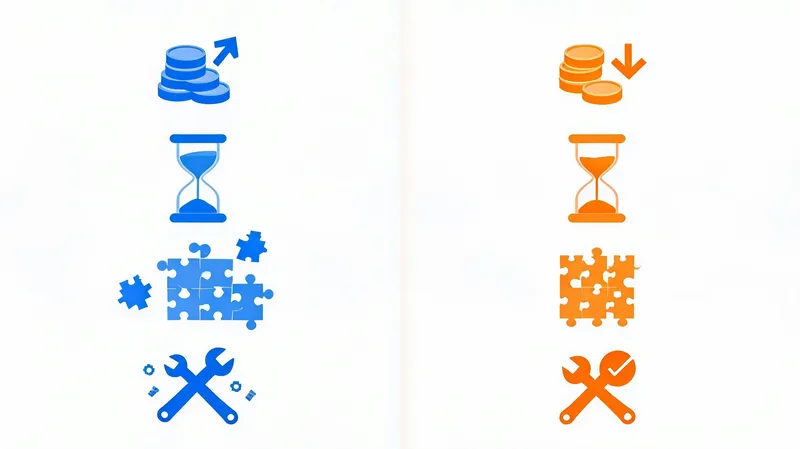
Low-code platforms often tout lower upfront costs, but the total cost of ownership (TCO) can be deceptive. Licensing, subscription, and scaling costs can escalate quickly, and vendor lock-in can make migration expensive.
4.1 Licensing, Subscription, and Scaling Costs
Pricing models vary widely: per user, per app, per resource, or consumption-based. For example, Microsoft Power Apps charges per user per month, while OutSystems prices per application or per user. As usage grows, costs can skyrocket. A 2023 Forrester study found that some enterprises spend more on low-code subscriptions than on traditional development licenses over five years. Hidden costs include premium connectors, additional environments, and overage fees for API calls.
4.2 Development, Maintenance, and Vendor Lock-In Costs
Low-code can reduce time-to-market, but long-term maintenance may be higher due to platform upgrades, limited debugging tools, and reliance on vendor support. Vendor lock-in is a significant risk: migrating from a proprietary platform can be costly and time-consuming. Exit strategies include choosing platforms that support standard code export or open-source alternatives. However, in practice, most platforms are sticky. A balanced TCO analysis should include not only initial development but also ongoing licensing, training, integration, and potential migration costs.
Conclusion
Low-code and no-code platforms are powerful tools, but they are not a silver bullet. Professional developers must evaluate them across four critical dimensions: extensibility, governance, performance, and TCO. Extensibility determines whether you can break out of the box when requirements grow. Governance ensures that citizen development does not become a security liability. Performance limits dictate whether the platform can handle production workloads. And TCO reveals the true cost over time. As the market evolves, we can expect greater extensibility, stronger governance, and hybrid development models that blend low-code speed with pro-code control. For now, choose wisely: the right platform can accelerate delivery, but the wrong one can become a costly trap.