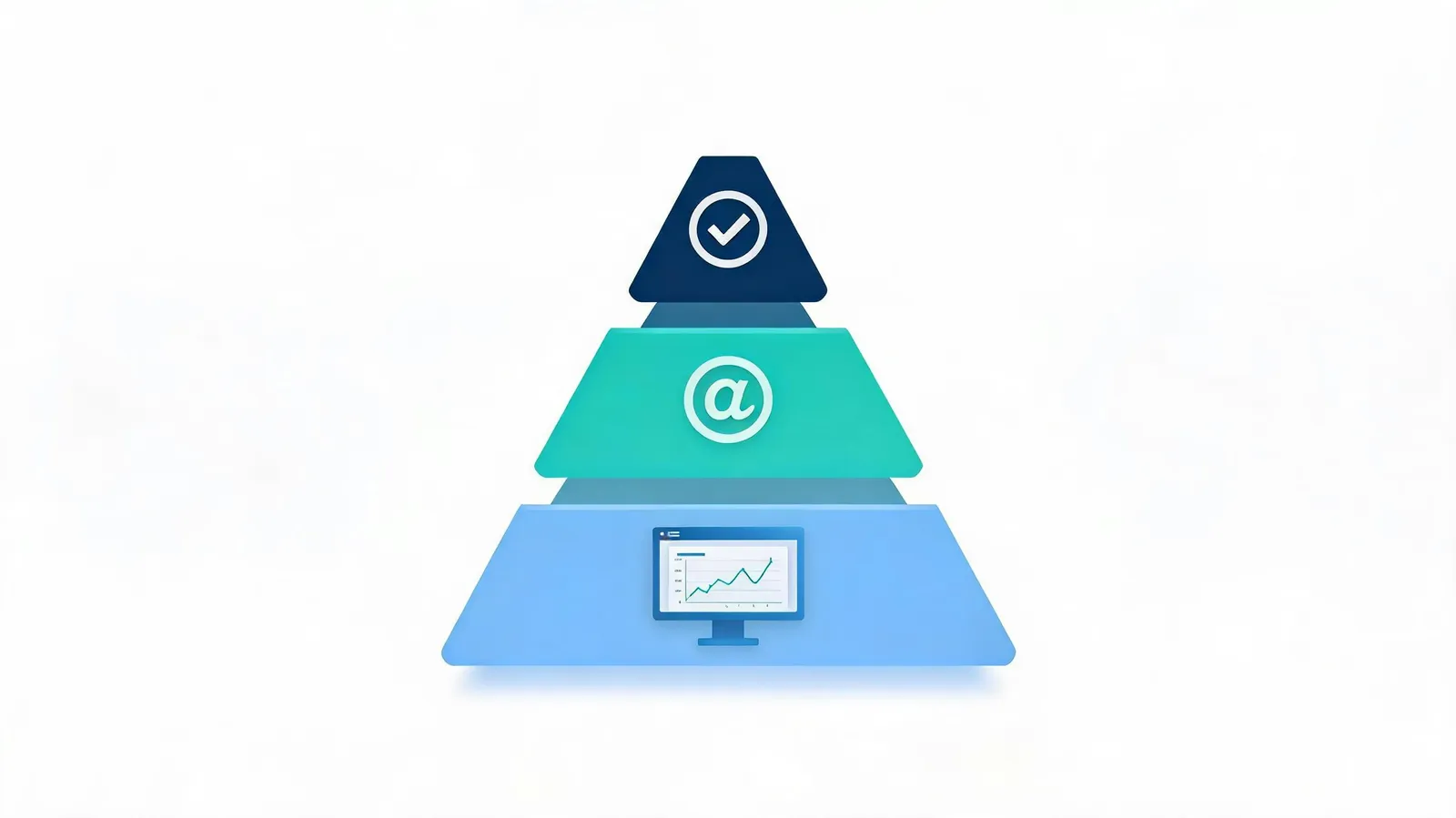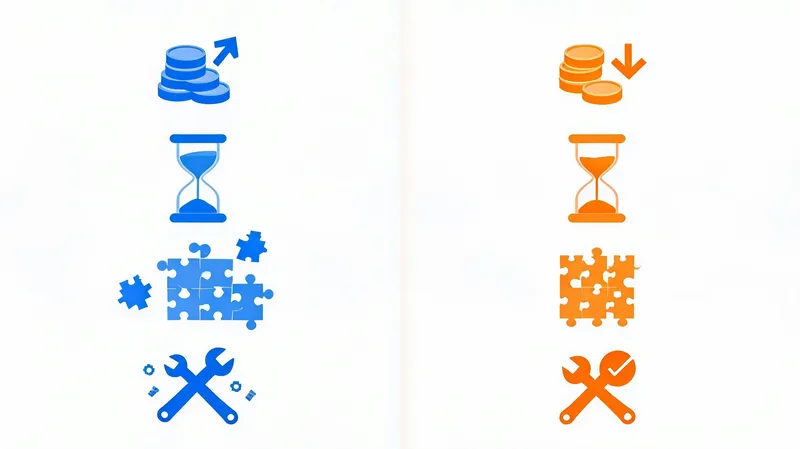
APIs underpin most modern applications, yet a single defect can propagate failures through microservices and distributed systems. The review below looks at prominent API testing and development tools through four lenses: automation and CI integration, contract testing and schema validation, collaboration for design and documentation, and performance and load simulation. Developers, QA engineers, and DevOps practitioners can use it to identify a toolset that fits how their team works.
1. Automation and CI Integration
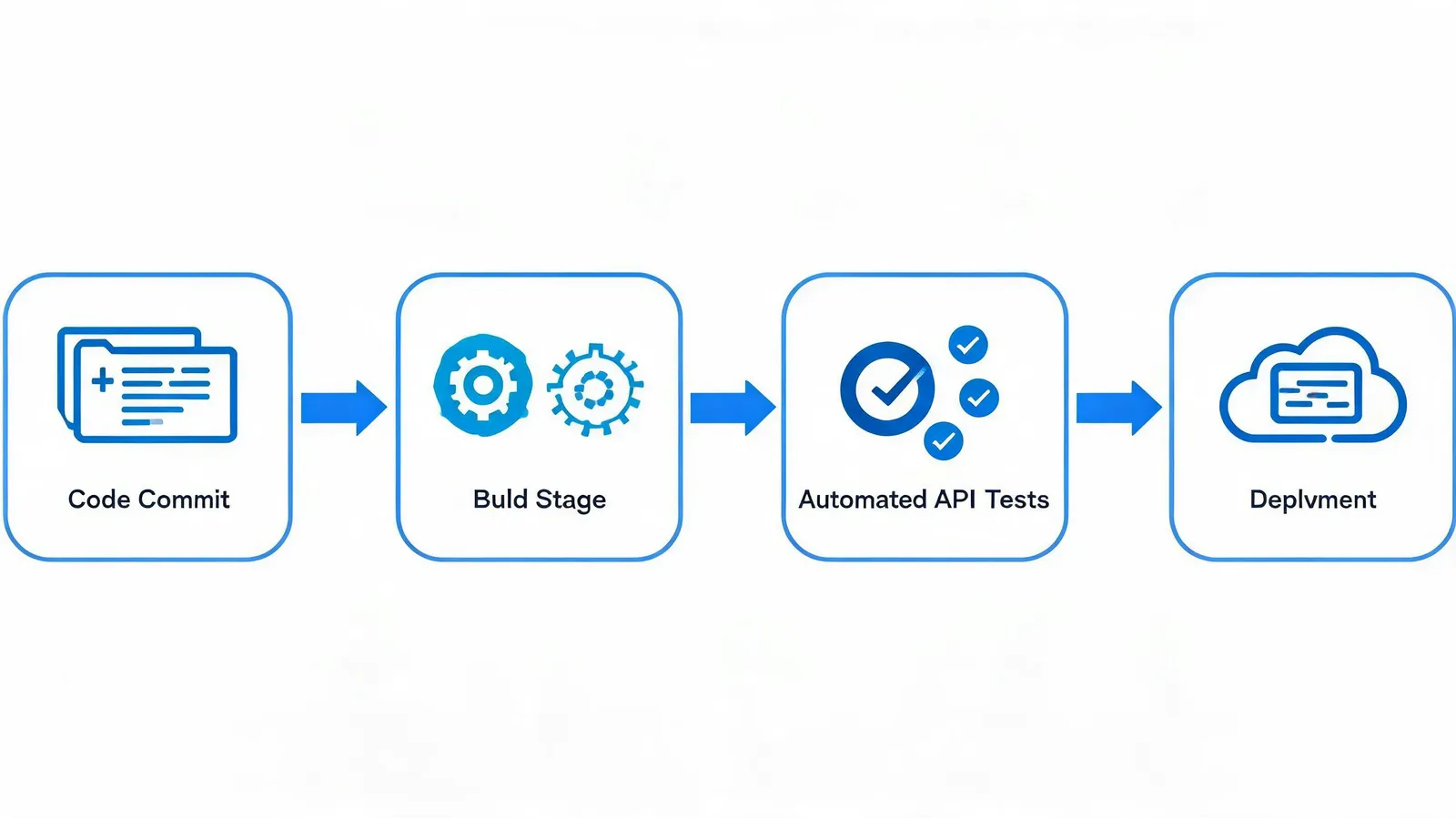
Efficient API testing depends heavily on automation. Postman, Insomnia, and Newman provide automation capabilities that let teams create and run tests programmatically. With Postman's collection runner and the Newman CLI, teams can hook tests into CI/CD pipelines such as Jenkins, GitHub Actions, and GitLab CI. A common pattern is a GitHub Actions workflow that runs Newman tests on each pull request, so API changes get immediate feedback.
Embedding continuous testing in DevOps workflows matters for shortening release cycles and raising test coverage. According to case studies, teams that place API tests in their CI pipelines catch failures sooner and cut mean time to resolution (MTTR) by as much as 40%. Test coverage and failure detection rates are among the metrics used to judge how well an automation strategy performs.
2. Contract Testing and Schema Validation
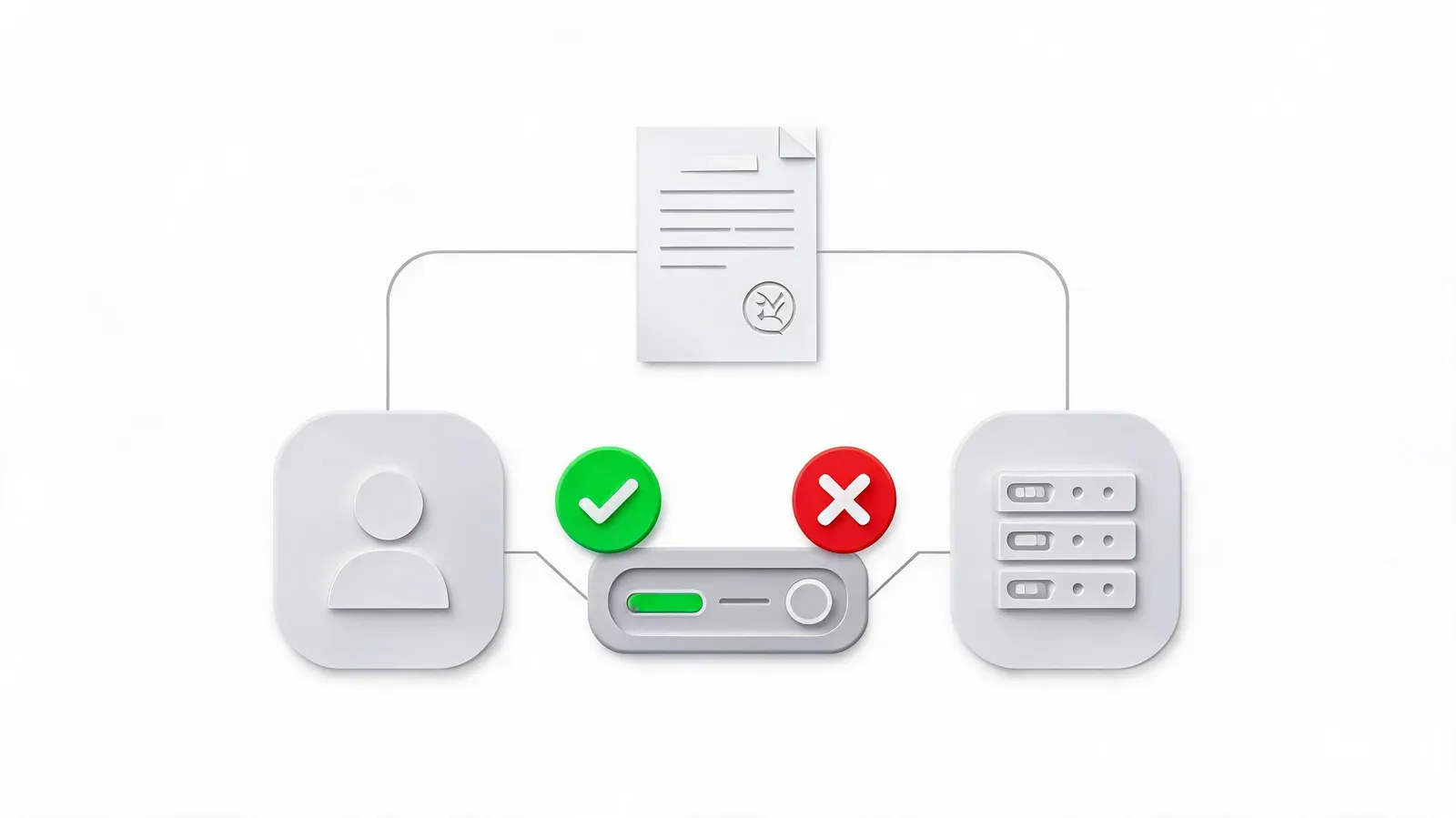
Contract testing verifies that an API honors the contract agreed between consumers and providers. Consumer-driven contract testing is available through tools such as Pact and Spring Cloud Contract, which help prevent breaking changes in microservices. With Pact, for example, consumers set out their expectations, and those expectations are then checked against the provider to confirm compatibility.
On the schema side, OpenAPI, JSON Schema, and GraphQL schema validators such as Dredd, Schemathesis, and Stoplight help keep API specifications in good order. These tools check requests and responses against schemas automatically, so mismatches surface early. Schemathesis, for instance, can derive test cases from an OpenAPI spec and execute them against an API, checking structure and semantics alike.
3. Collaboration Features for API Design
API design and documentation benefit greatly from collaboration. Postman, SwaggerHub, and Stoplight each offer shared workspaces with real-time collaboration, version control, and commenting. Teams can thereby co-edit API specifications, review changes, and keep one source of truth.
Documentation and mocking matter as well. SwaggerHub can generate documentation automatically from OpenAPI specs, and Postman's mock servers simulate API responses so frontend and backend work can proceed in parallel. Both speed up development and improve communication across frontend and backend teams.
4. Performance Testing and Load Simulation
Performance tools including JMeter, Gatling, k6, and Locust simulate heavy load to measure API performance. Response time, throughput, and error rates are the key metrics. k6, for example, uses JavaScript for scripting, which simplifies defining load scenarios and connecting to CI/CD pipelines for performance gates.
Putting performance tests into CI/CD helps catch performance regressions early. Case studies show that teams that use performance gates in pipelines can find and resolve bottlenecks before they reach production, which supports a smooth user experience.
Conclusion
The right API testing and development tool depends on what a team specifically needs. Still, automation, contract testing, collaboration, and performance testing are the dimensions worth weighing. AI-driven test generation and unified API platforms are trends likely to keep shaping the field. Assess your requirements, trial a few tools, and give your team what it needs to ship high-quality APIs consistently.